




Traditional Metal Candlesticks
Traditional metal candlesticks bring weight and enduring form to a room, offering functional candlelight through brass, pewter, and silver plate.
Traditional Metal Candlesticks
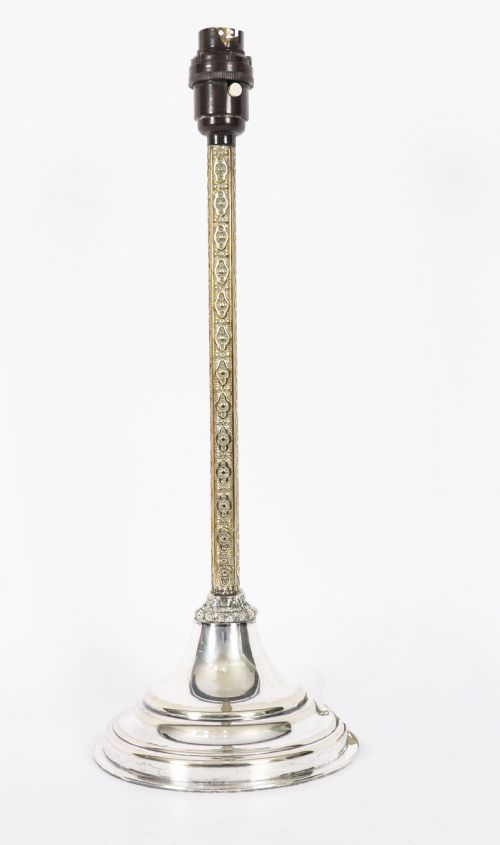
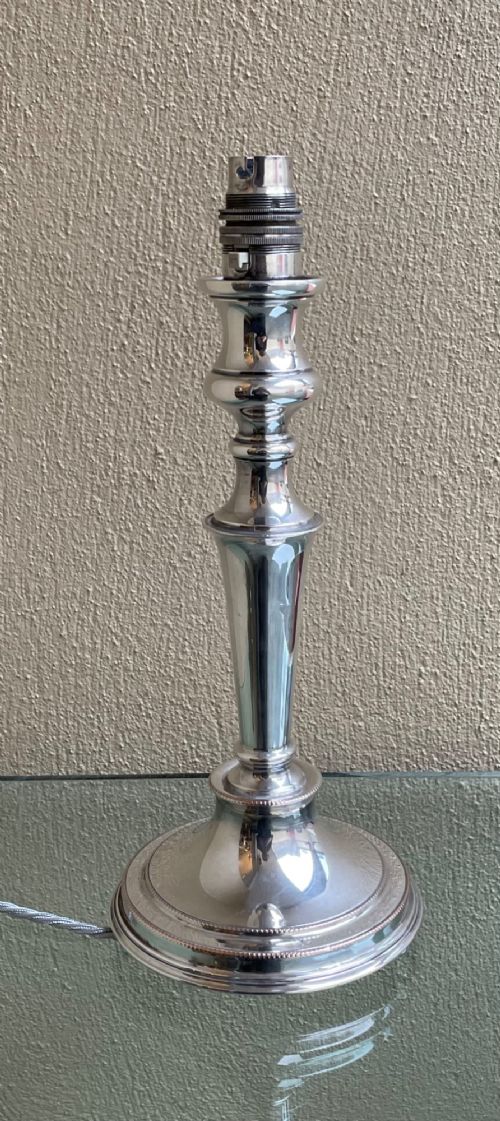
Traditional metal candlesticks include candlesticks, table lamps, desk lamps, and candelabras produced across multiple centuries. Buyers searching for traditional metal candlesticks encounter durable lighting items designed for domestic interiors.
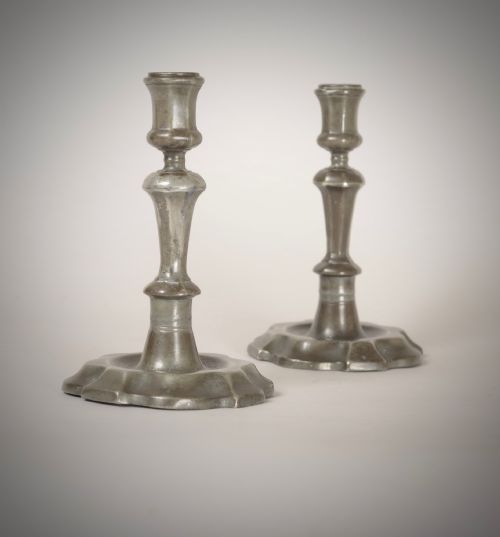
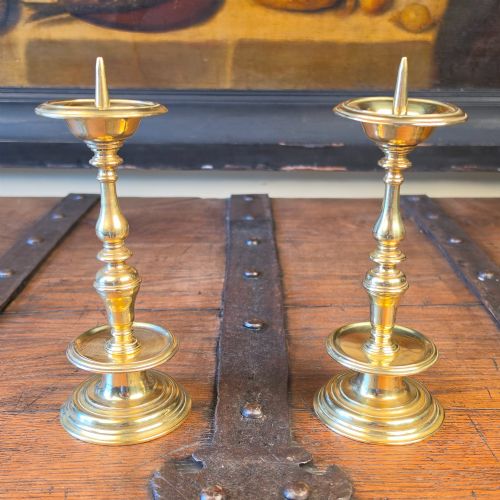
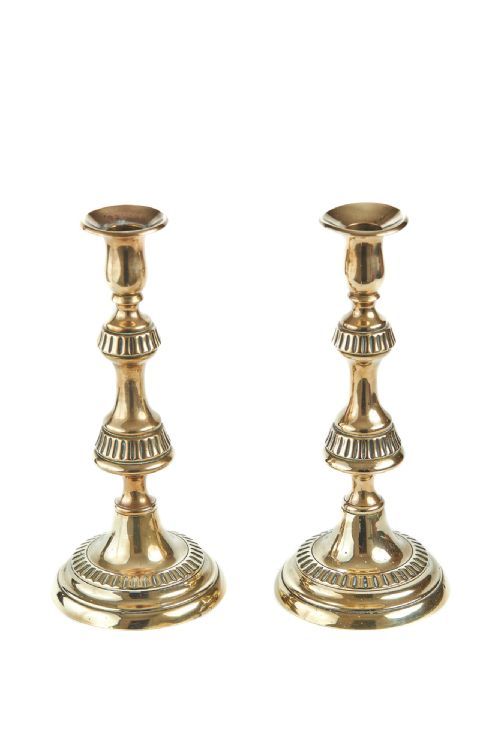
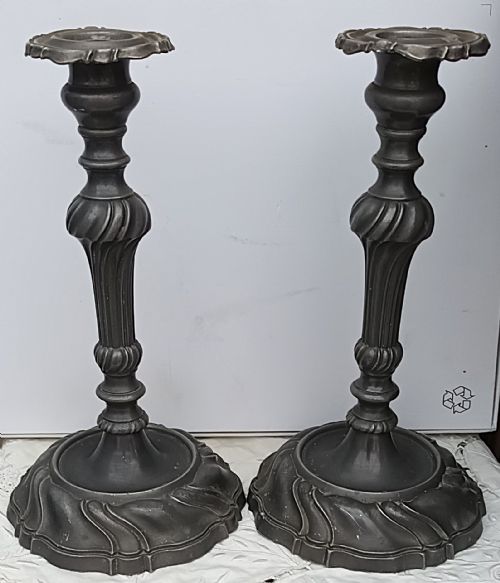
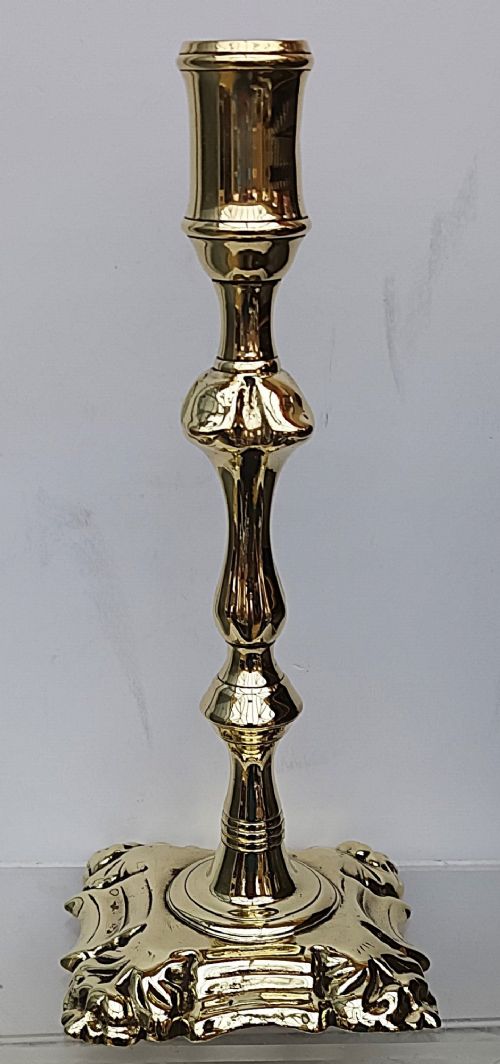
The pieces appearing on this page span the 18th century, 19th century, Victorian, Edwardian, and early 20th century periods. Brass examples dominate the selection, alongside pewter, silver plate, bronze, and toleware.
Formats range from tall Georgian and Victorian pairs to converted candelabras and French Bouillotte desk lamps. Many items display specific period styles such as Neoclassical, Rococo, and French Empire.
How they were made
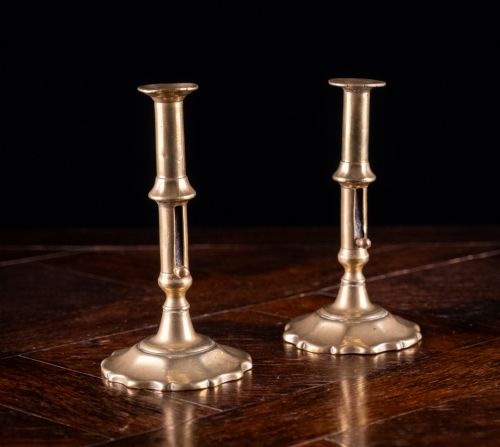
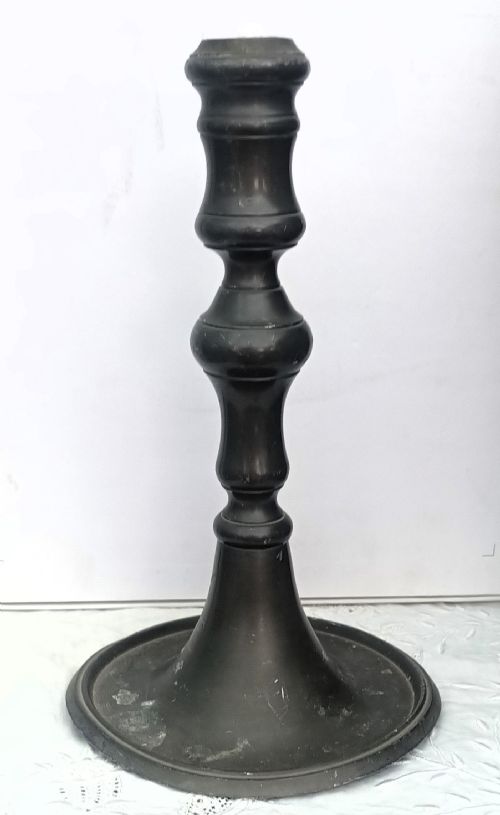
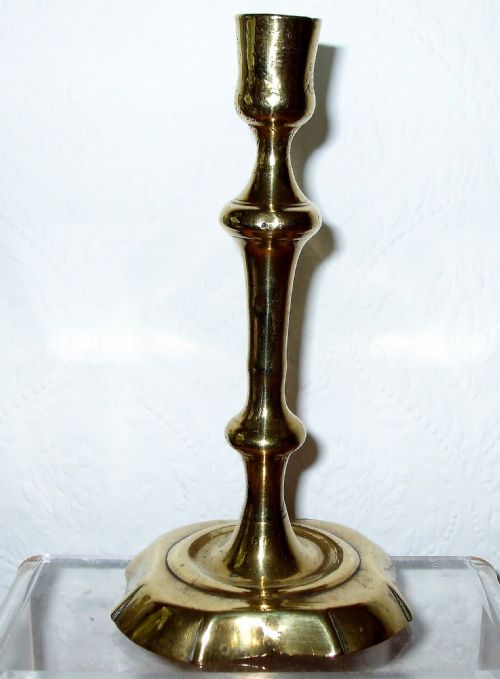
Makers utilised casting and seaming techniques to shape solid brass, bronze, and pewter into sturdy shafts and weighted bases. Seamed brass ejector candlesticks incorporate internal mechanisms designed to push out spent candle stubs.
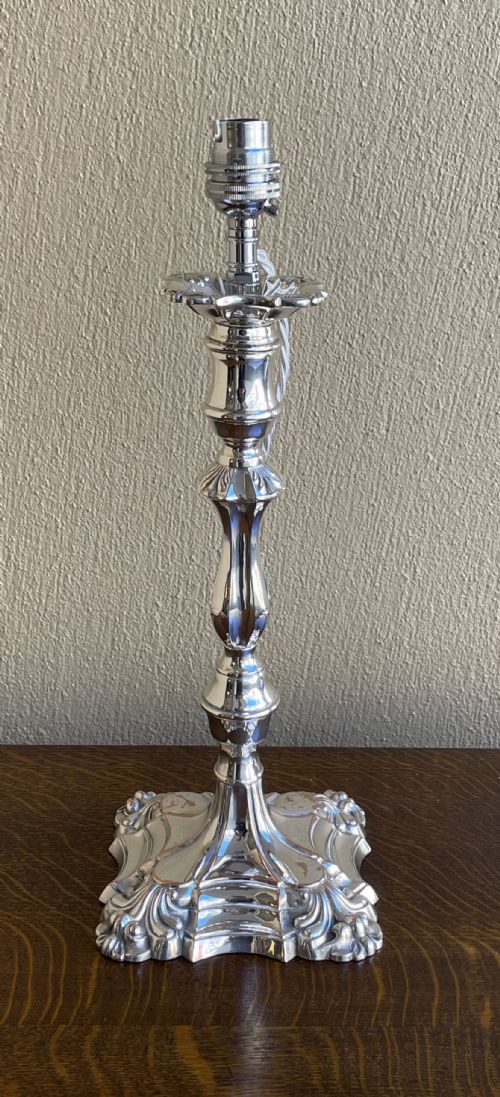
Silver plating on base metals provides a reflective finish, while toleware combines painted sheet metal with brass fittings. Stamped markings and maker inscriptions occasionally appear on the metal bases.
Traditional Metal Candlesticks Retail Price Guide 2026
Typical asking prices for traditional metal candlesticks among the pieces listed under this phrase on Sellingantiques today, from the lower quarter to the upper quarter. They describe what is for sale here now, not the wider market.
What varies in quality
Proportion and casting crispness separate standard items from superior examples. Finely detailed ornamentation, such as Rococo scrolls or distinct maker stamps like James Clews, indicates higher workshop standards.
Weight and structural integrity reflect the original grade of metal used in production. Matching pairs demonstrate greater uniformity than assembled sets.
Mappin & Webb's·James Clews·Barker Ellis
The Traditional Metal Candlesticks Glossary
- Ejector
- A built-in mechanism using a small internal slide to push candle remnants out of the socket. This device helps clear spent wax without damaging the metal.
- Toleware
- Painted or lacquered sheet metal, often combined with brass components. It appears frequently in French desk lamps and candle lamps.
- Parcel Gilt
- Partially gilded metal where gold leaf is applied to specific decorative areas over silver plate or base metal. This technique highlights raised design details.
- Bouillotte Lamp
- An adjustable shaded desk lamp featuring multiple candle arms around a central column. It derives its name from a French card game.
- Candelabra
- A branched candlestick holding multiple candles on separate arms. Many antique examples undergo later conversion into electric table lamps.
Traditional Metal Candlesticks: Frequently Asked Questions
What metals are these candlesticks made from?
The selection consists primarily of brass, pewter, and silver plate over base metal. Bronze and painted toleware also appear among the listed items.
Most pieces date from the 18th century through the early 20th century, reflecting the prevailing metalworking techniques of those periods.
How do ejector candlesticks work?
Ejector candlesticks feature a small side lever or internal spindle connected to a moving disc inside the socket. Pushing the mechanism upward lifts the candle stump for easy removal.
This practical addition was particularly common on mid-18th-century brass designs.
Can I use these with electricity?
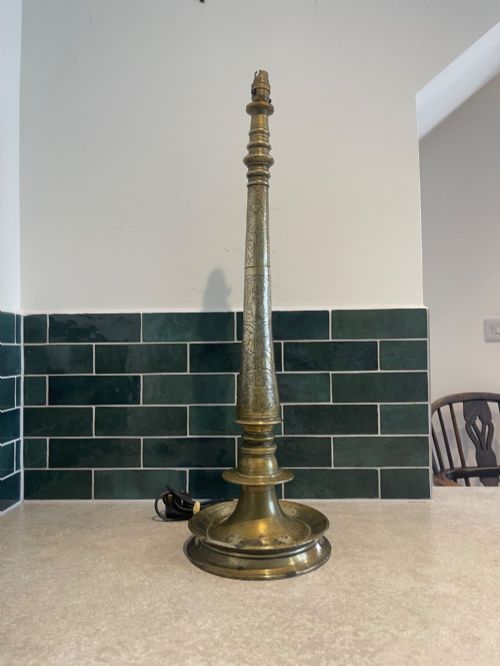
Some items listed as table lamps or desk lamps were manufactured for electricity or converted from earlier candelabras. Candlesticks retain their original sockets intended for wax candles.
Wiring additions depend on individual items and professional conversion.
What is toleware?
Toleware refers to lacquered or painted sheet metal items, often incorporating brass drip pans or candle arms. French workshops utilised this technique for desk and candle lamps.
The green and gold colourways provide a distinctive painted finish distinct from polished brass.