

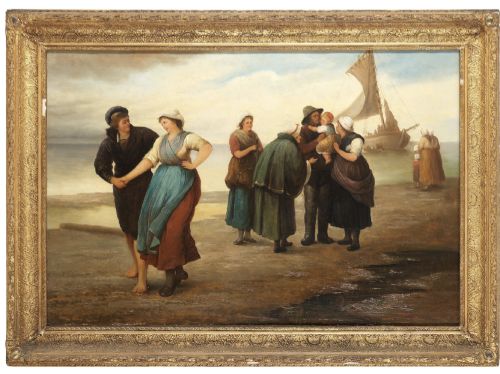
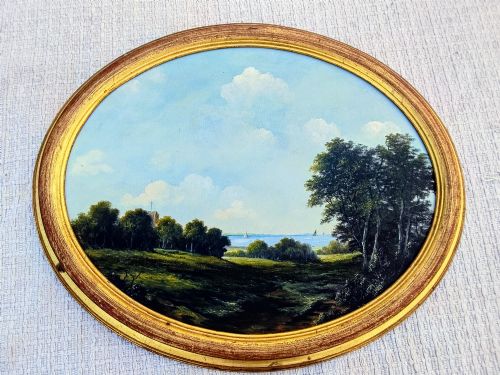
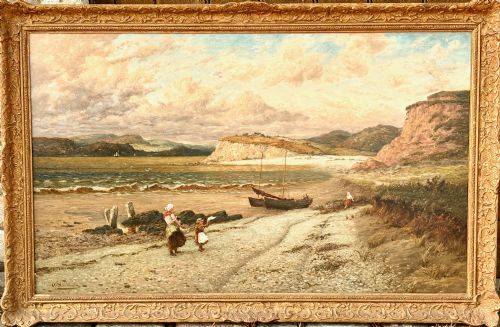
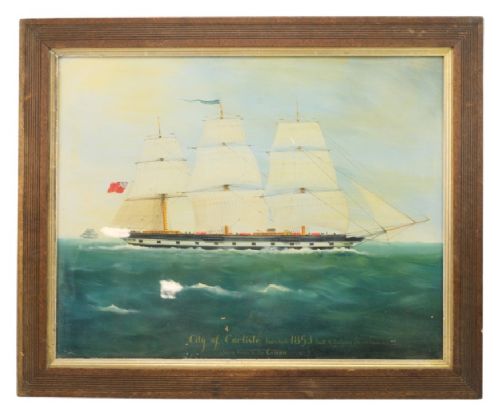


Traditional Maritime Oil Painting
A traditional maritime oil painting captures the drama of coastal life and historical shipping upon canvas or panel.
Traditional Maritime Oil Painting
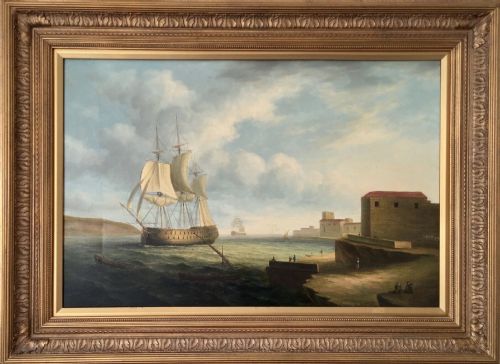
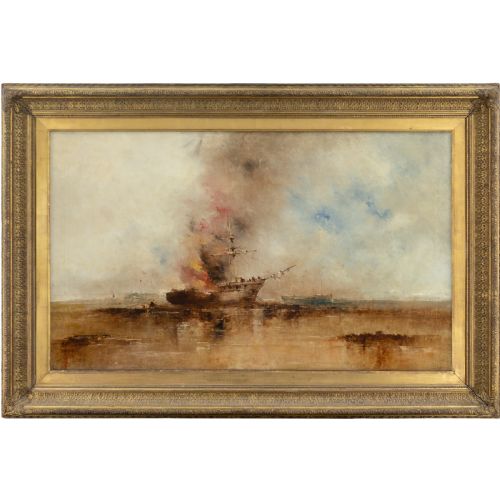
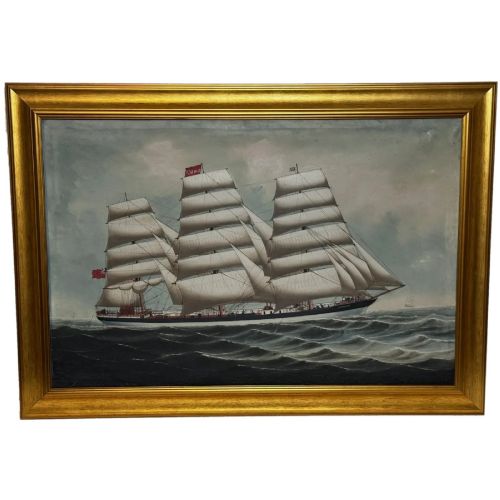
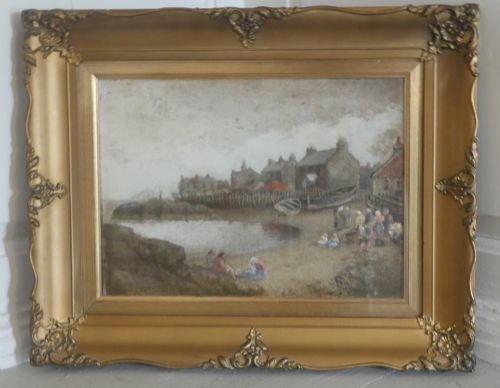
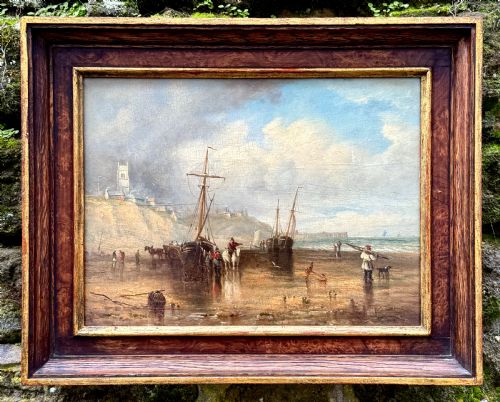
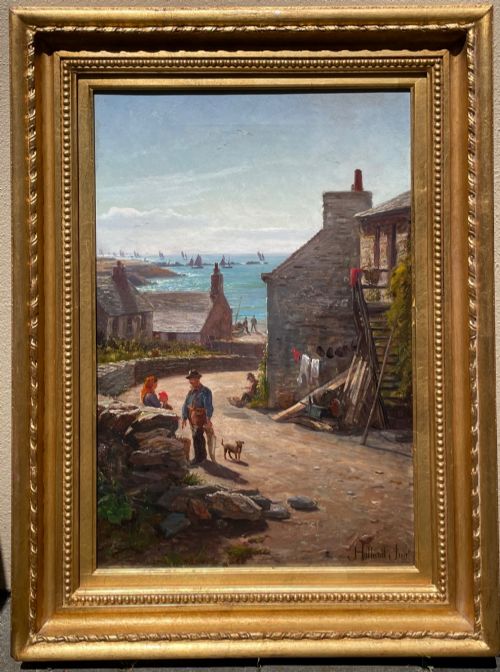
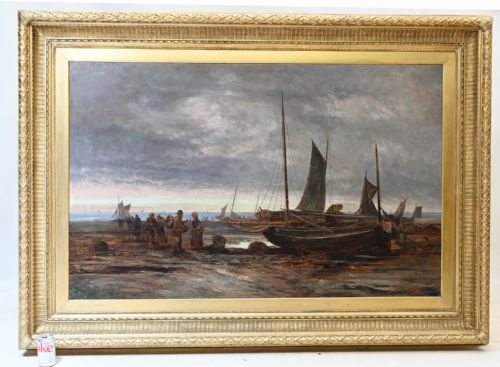
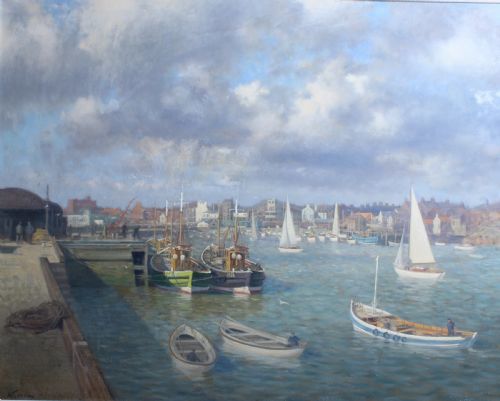
A traditional maritime oil painting depicts harbours, sea battles, merchant vessels, and coastal scenes spanning the eighteenth century to the mid-twentieth century. Buyers encounter works attributed to British and European schools, ranging from small panels to large Victorian canvases.
The subjects record specific locations such as Valletta harbour, the Norfolk coast, and Cornish fishing ports alongside dramatic night seascapes and calm river estuaries. Many pieces document named vessels, naval engagements, and everyday maritime trade.
Works appear from distinct periods including the Victorian era, early twentieth-century British Impressionism, and mid-century modern interpretations. These paintings serve as historical records of seafaring heritage and decorative statements for interiors.
How They Were Made
Artists utilised oil paint applied to stretched canvas, wooden panels, or rigid board supports, often building up rich textures to depict churning water and atmospheric skies. Painters captured the movement of waves and the play of light on sails through layered brushwork.
Listings feature oil paintings on canvas and wood spanning the eighteenth to the mid-twentieth century.
What Varies in Quality
Quality rests in the artist's command of maritime architecture, rigging accuracy, and the natural behaviour of water under varying weather conditions. Skilled hands render light reflected on hulls and sea spray with convincing depth.
The handling of the atmosphere, from calm twilight lagoons to choppy seas beneath dark skies, distinguishes accomplished academic or school paintings from simpler decorative works.
Reginald Arthur Borstel·Edward Mills·Thomas Creswick·John Holland·Walter Goodin·William Edward Webb·James Kyd·Stanley Leader·George Shaw·Hendrik Willebrord Jansen·John Bell·William Pitt·James Webb·Dion Pears·Jane Vivian·George Henry Knight·Marie Edouard Adam·John Callow
The Traditional Maritime Oil Painting Glossary
- Canvas
- A heavy woven fabric stretched across a wooden frame to form the primary painting surface for many historical works.
- Panel
- A flat piece of wood or board utilised by artists as a stable rigid base for oil paintings.
- Giltwood
- Timber treated with gold leaf or gold paint, frequently forming the decorative moulded frame of a Victorian painting.
- Seascape
- A work of fine art focusing primarily on the sea, coastal views, ships, and maritime activity.
- School
- A group of artists working in a similar style or region during a specific historical period, often used for unsigned works.
Traditional Maritime Oil Painting: Frequently Asked Questions
How do I date a traditional maritime oil painting?
Dating relies on stylistic clues, canvas stamps, stretcher construction, and the type of vessels depicted in the scene.
Rigging styles, naval uniforms, and clothing worn by coastal figures provide precise historical windows for undated works.
Where should I hang a marine oil painting?
These works suit dining rooms, libraries, and hallways where traditional wood furnishings complement the maritime subject matter.
Keep paintings away from direct sunlight and damp walls to protect the oil pigments and wooden supports.
Are these paintings signed by the artist?
Many listings feature signed works by known painters, while others represent school pieces or attributed works.
Unsigned paintings often emerge from regional British and European schools documenting local coastal trade.
What is the difference between canvas and panel paintings?
Canvas works offer flexible stretched surfaces capable of supporting very large maritime scenes intended for grand interiors.
Panel paintings utilise rigid wood or board supports, which were favoured for smaller, highly detailed harbour portraits.