




Traditional Marine Wall Art
Traditional marine wall art brings ships, harbours and open water into a room through nineteenth-century and vintage oils and watercolours.
Traditional Marine Wall Art
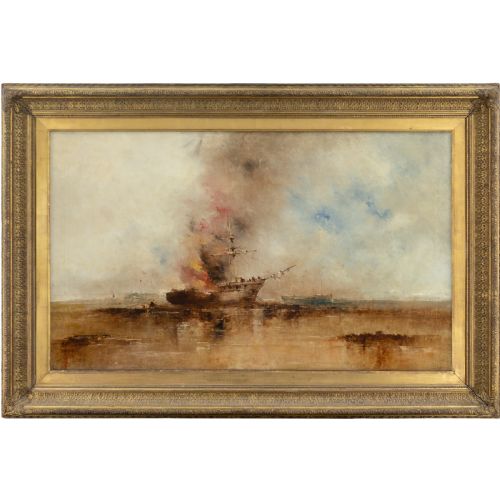
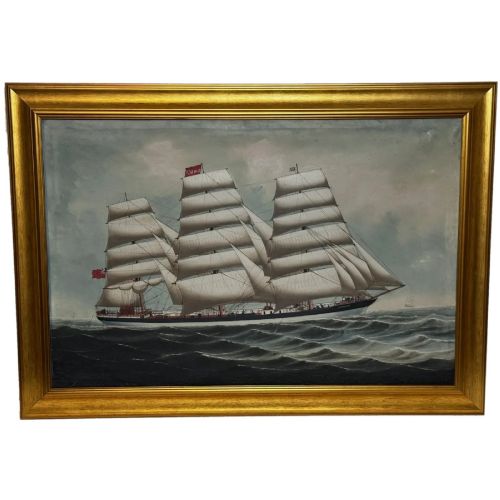
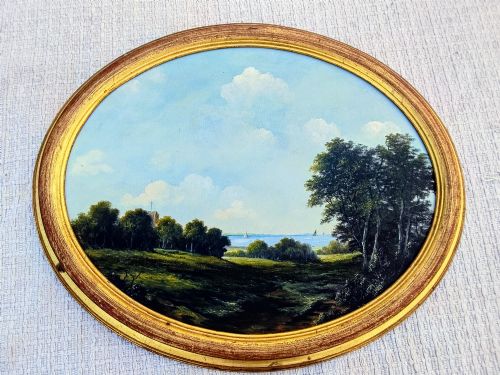
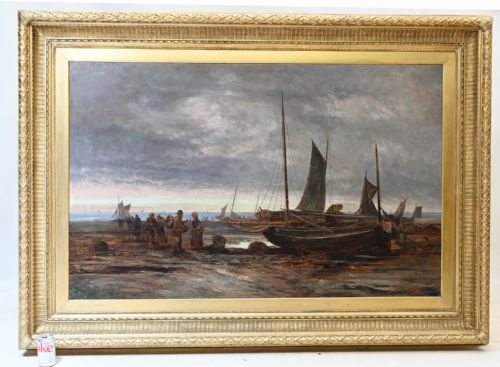
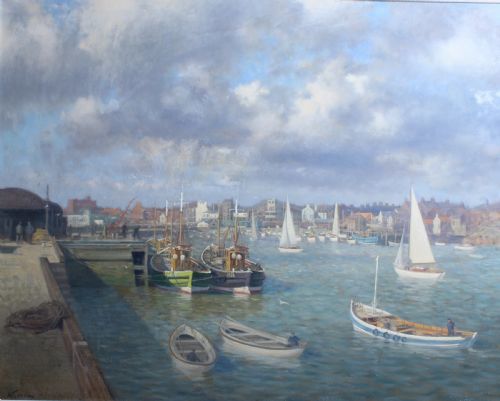
Traditional marine wall art encompasses paintings that record coastal scenes, naval engagements, shipping lanes and busy fishing harbours. Buyers seeking this aesthetic will encounter framed works originating primarily from the nineteenth century alongside later twentieth-century interpretations.
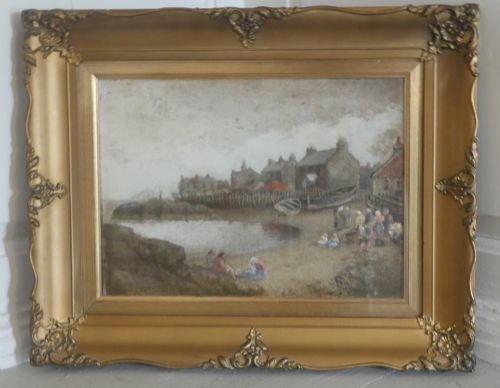
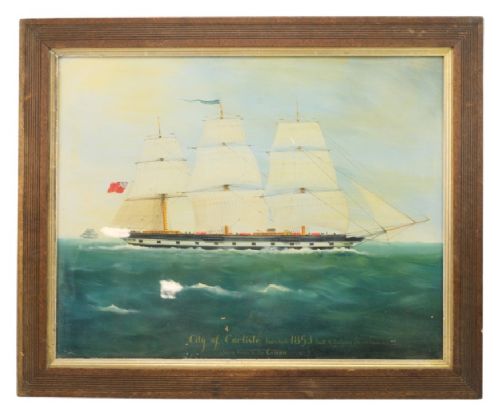
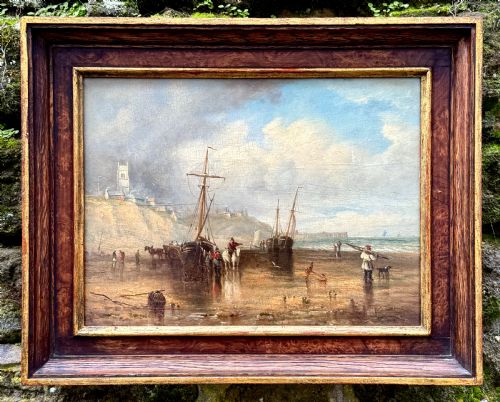
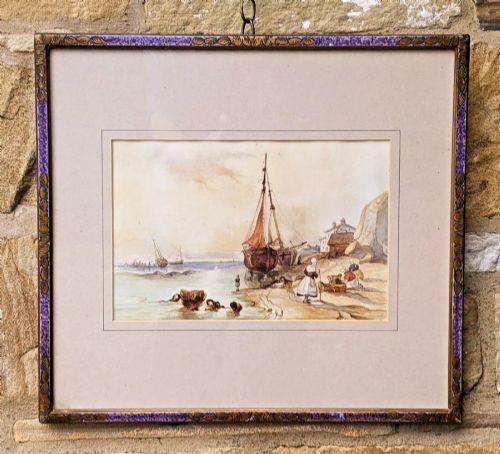
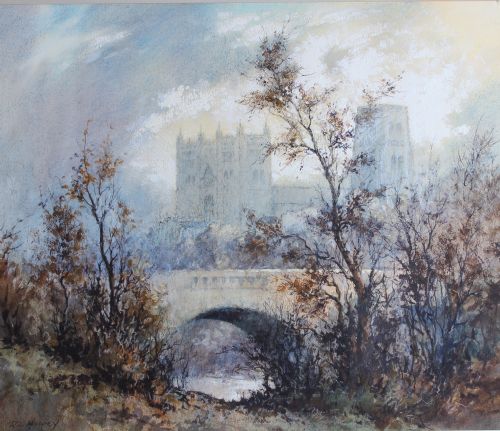
The most common formats on this page are oil paintings on canvas or panel and watercolour paintings on paper. These pieces frequently depict specific British ports, Dutch canals and dramatic open seas populated by sailing vessels and steamships.
Materials and methods
Painters used oil paint applied to stretched canvas, wooden panels or paper boards to build up rich coastal textures and atmospheric skies. Watercolours were executed on heavy paper to capture the translucent light of harbours and estuaries.
Framing often involves wood and giltwood surrounds that complement the maritime subject matter. These materials reflect traditional studio practices spanning the Victorian era into the mid-twentieth century.
Victorian maritime scenes dominate the selection, capturing naval schooners, clipper ships and Cornish fishing harbours.
Distinctions in quality
Quality rests upon the artist's command of maritime perspective, rigging detail and atmospheric light over water. Stronger works convey motion in the waves and accurate nautical construction rather than generic coastal backdrops.
The handling of surface texture in oil paintings or transparent washes in watercolours dictates the visual depth of the composition. Well-preserved framing and original canvas supports further distinguish the finer examples.
Reginald Arthur Borstel·William Banks Fortescue·Thomas Creswick·Robert Leslie Howey·Walter Goodin·Thomas Bush Hardy·George Hamilton Constantine·William Pitt·James Webb·Dion Pears·Ernest F Hill·Jane Vivian·George Henry Knight·John Callow·Owen Bowen
The Traditional Marine Wall Art Glossary
- Oil on canvas
- A painting technique where pigment suspended in oil medium is applied to a woven fabric support. This method allows for thick impasto and deep tonal blending.
- Watercolour
- A paint consisting of colour pigments suspended in a water-soluble vehicle, typically applied to paper. It produces luminous, transparent washes of light.
- Giltwood
- Wood that has been coated with a thin layer of gold leaf or gilt finish. Frames of this material are common on traditional nineteenth-century paintings.
- Maritime
- Depicting or relating to the sea, ships and coastal life. This category forms the core subject matter of the works listed here.
- Panel
- A rigid flat piece of wood used as a support for painting instead of canvas. Early works frequently utilised wooden panels for stability.
Traditional Marine Wall Art: Frequently Asked Questions
What subjects appear in traditional marine art?
These works primarily feature sailing ships, warships, lighthouses, coastal fishing boats and busy harbour scenes from Britain and Europe. Scenes range from calm estuaries to dramatic sea battles and stormy channel crossings.
Artists focused heavily on recording specific vessels, maritime architecture and the working life of coastal communities during the nineteenth and early twentieth centuries.
How do I date a marine painting?
Dating relies on the ship types depicted, costume details of figures on the shore, framing styles and signatures or artist records. Steamships and specific naval vessels often provide precise historical markers.
Canvas stamps, panel construction and written inscriptions on the reverse of the work also offer reliable clues to the period of creation.
Are watercolours as durable as oils?
Watercolours require protection behind glass to shield the paper and pigments from moisture and direct sunlight. When properly glazed and framed, they remain stable over centuries.
Oil paintings on canvas or panel offer a more robust surface that tolerates ambient room conditions better than paper works, though both benefit from stable indoor environments.
How should I hang marine art at home?
Marine art suits rooms with neutral walls where the deep blues, greys and gilt frames can stand out. They pair well with traditional interiors, studies and spaces featuring natural wood accents.
Position paintings away from direct heat sources and strong sunlight to protect the pigments and wooden frames from fading or warping over time.