




Ornate Gilded Framed Artwork
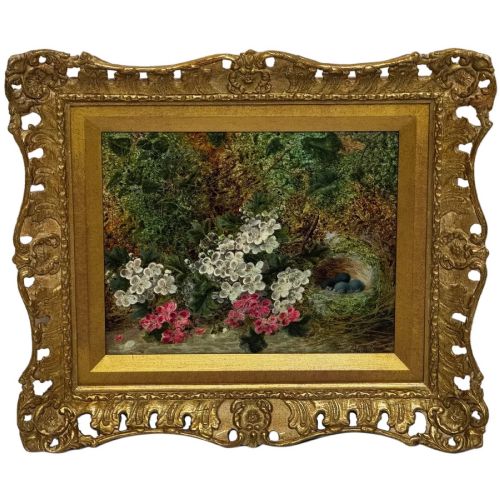
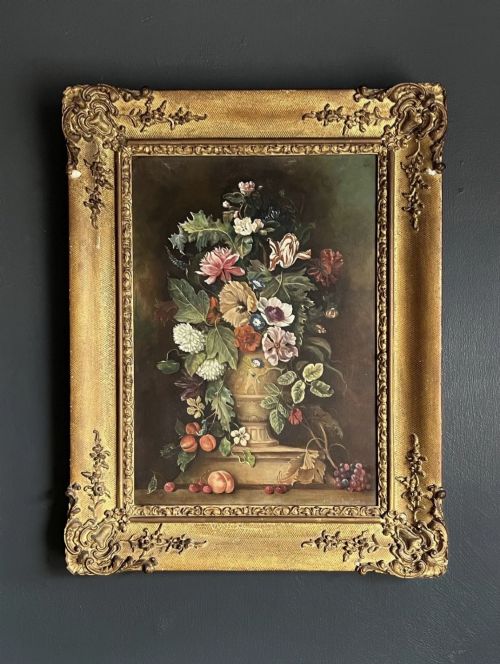
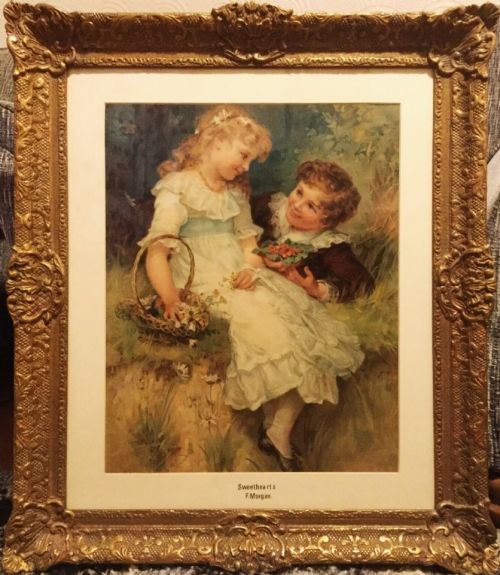
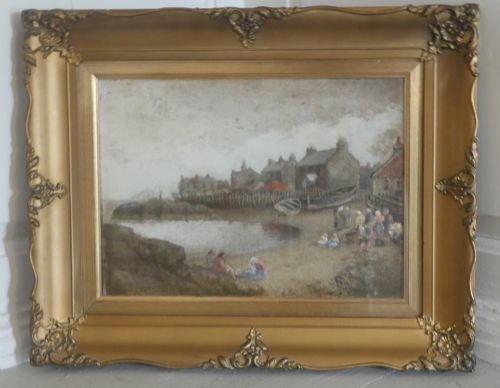
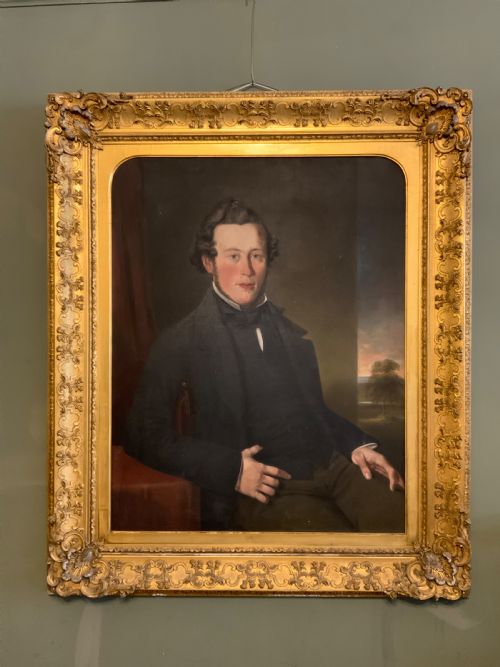
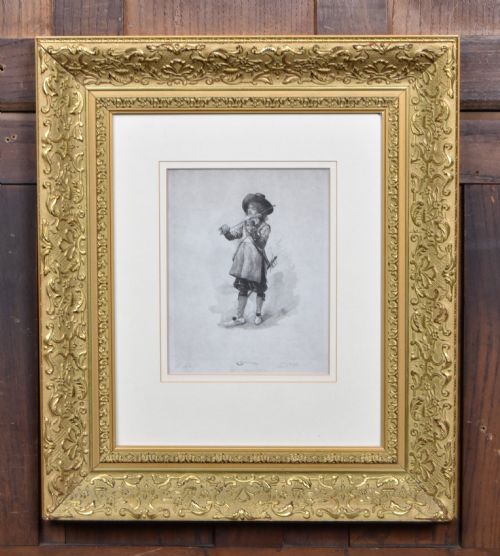
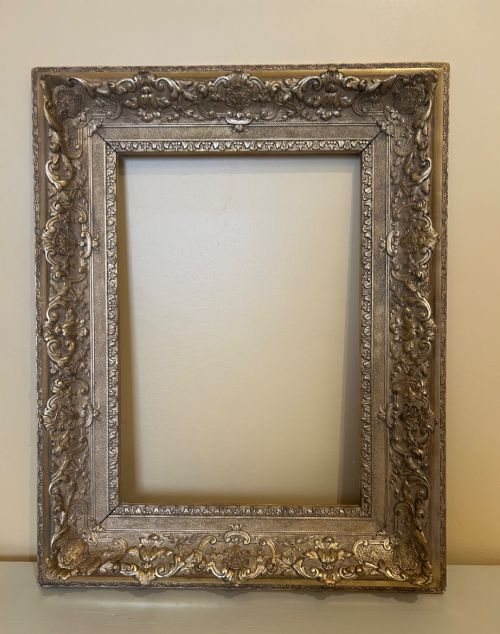
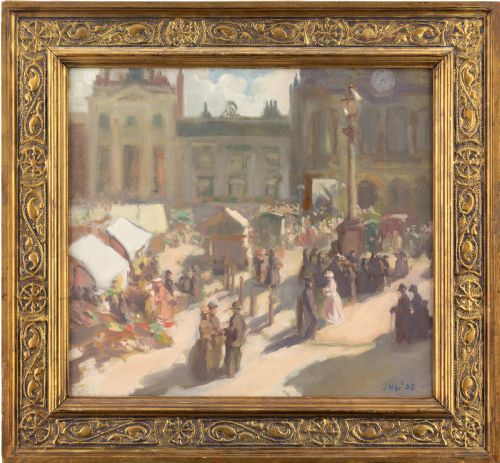
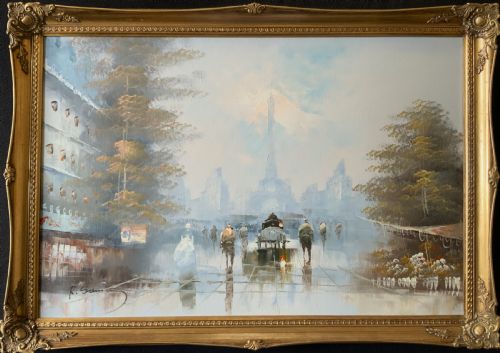
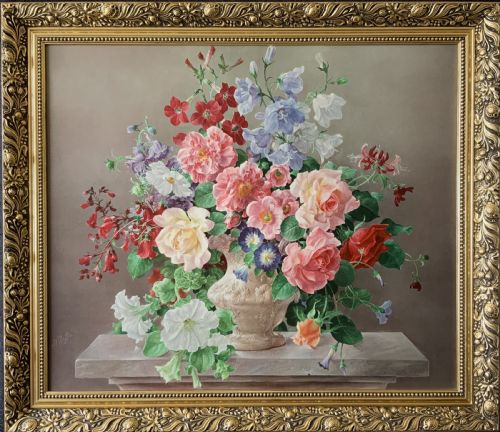
When you search for ornate gilded framed artwork, you are looking at oil paintings, watercolours and prints housed within heavily decorated moulded frames.
Ornate Gilded Framed Artwork
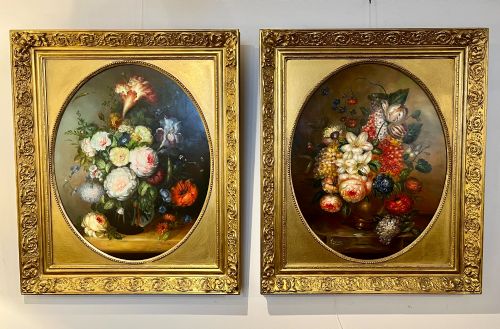
When you search for ornate gilded framed artwork, you encounter oil paintings, watercolours, prints and picture frames spanning from the nineteenth century through to the mid-twentieth century. The subjects range from Dutch style floral still lifes and maritime scenes to classical portraits and landscape views.
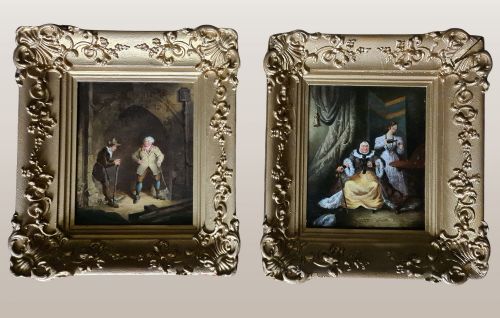
You are most likely to meet nineteenth century oil paintings on canvas or board, alongside later twentieth century interpretations. These works frequently arrive paired or in sets, often defined by Revival styles such as Rococo and Italian Renaissance.
The physical objects unite pictorial art with heavy sculptural surrounds. Many listings combine the artwork directly with period frames of considerable presence and depth.
How they were made
The makers built these frames from wood bases coated in gesso, a plaster mixture applied to create smooth surfaces for decoration. Artisans then layered gold leaf or giltwood onto the gesso ground, sometimes burnishing the metal to achieve varying degrees of reflection.
The paintings themselves rely predominantly on oil paint on canvas or wood board, alongside watercolour and gouache on paper. Canvases are stretched across wooden frames while boards provide rigid supports for finer brushwork.
Several canvases capture cows, sheep, ducks and highland cattle observing pastoral life with mild indifference.
What varies in quality
Quality rests in the depth and crispness of the framing ornamentation and the skill of the artist's brushwork. Hand-carved wooden mouldings with intricate gesso relief separate superior frames from simpler cast versions.
The fidelity of the painting surface, the harmony between the artwork and its surround, and the integrity of the original gilt surface dictate the standing of each piece within the range.
Oliver Clare·Frank Moss Bennett·John Frederick Herring Jnr·William Henry Williamson·George Bernard O'Neill
The Ornate Gilded Framed Artwork Glossary
- Gesso
- A plaster mixture applied to wood frames to create a smooth, sculptural surface for gilding. It allows artisans to carve intricate relief patterns before applying gold leaf.
- Giltwood
- Timber that has been coated with gold leaf or gold paint. This material provides the brilliant metallic finish characteristic of period frames.
- Oil on Canvas
- Pigment mixed with drying oil applied to a stretched woven fabric support. This combination offers rich colour depth and textural flexibility.
- Oleograph
- A mechanical colour print designed to imitate an oil painting. These prints often utilise textured surfaces to simulate canvas brushstrokes.
- Rococo Revival
- A nineteenth century design style characterised by asymmetrical scrollwork, floral motifs and elaborate ornamentation. It heavily influenced the design of ornate picture frames.
Ornate Gilded Framed Artwork: Frequently Asked Questions
Are the frames original to the paintings?
Many pieces retain frames contemporary to their creation, reflecting the prevailing taste of periods such as the nineteenth century. Certain artworks are paired with complementary period surrounds chosen to match their style.
Over the decades, framing pairings shifted as collectors updated presentations, meaning individual listings specify whether the frame and artwork share a common history.
How do I care for gilded frames?
Gilded surfaces require gentle dusting with a soft, dry brush to prevent the accumulation of particles in the intricate recesses of the gesso. Avoid liquid cleaners and damp cloths, as moisture can lift the gold leaf and underlying plaster.
Keep pieces away from direct sunlight and fluctuating humidity to protect both the wooden frame structure and the canvas or paper artwork within.
What subjects are most common?
Floral still lifes, maritime views, landscapes and portraits dominate the available selection. These genres reflect popular domestic tastes from the Victorian era onwards.
Artists frequently drew inspiration from Dutch Golden Age traditions, producing still lifes and pastoral scenes that suited heavy decorative surrounds.
How do I identify a nineteenth century frame?
Nineteenth century frames typically feature dense gesso mouldings built over heavy wooden carcasses, often displaying Rococo Revival or Renaissance Revival ornamentation. Close inspection reveals hand-finished details and the subtle ageing of the underlying gold leaf.
Later twentieth century interpretations may employ different casting techniques or lighter composite materials beneath the gilt surface.