


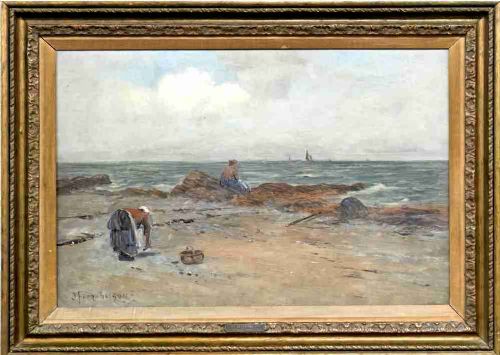
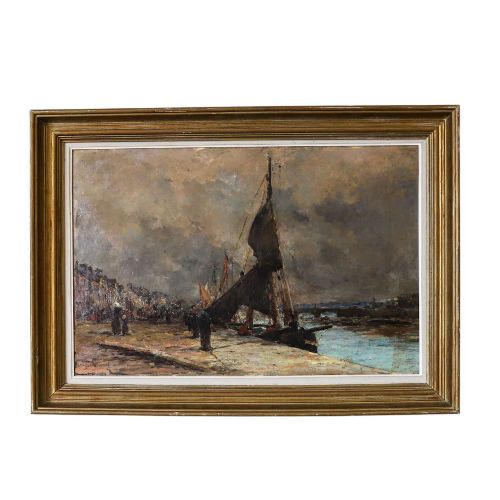
Victorian Seascape Canvas Painting
When you examine a victorian seascape canvas painting, you encounter nineteenth-century maritime artistry that captures coastal life and dramatic marine encounters.
Victorian Seascape Canvas Painting
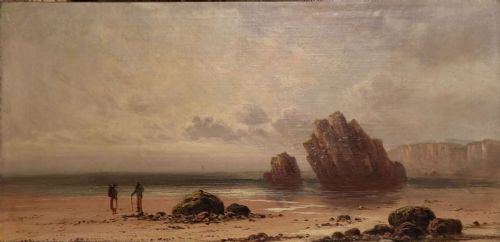
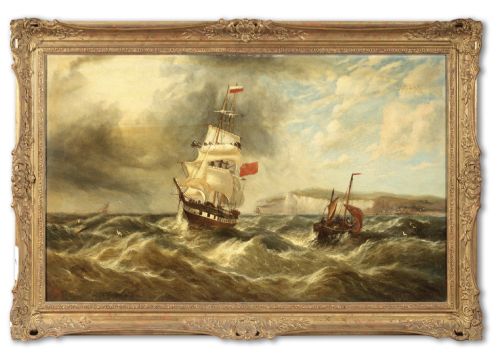
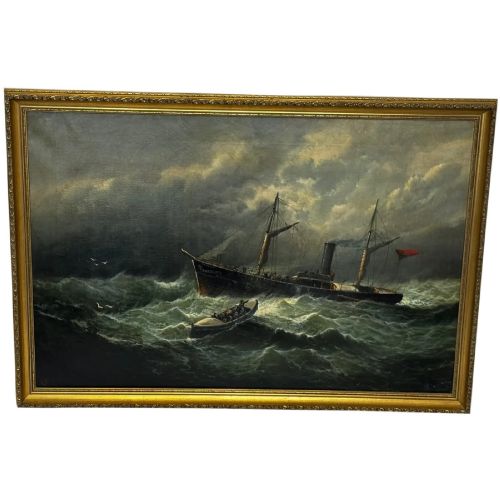
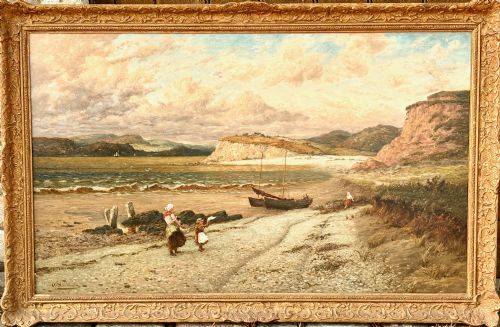
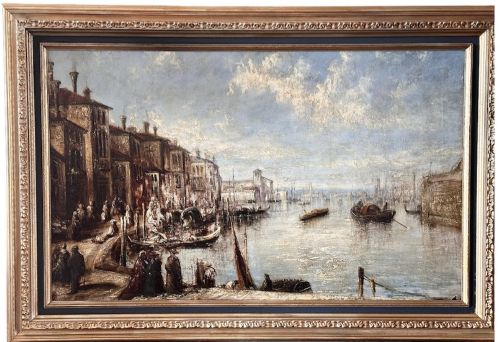
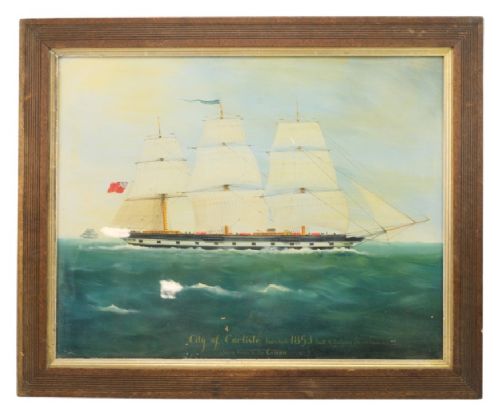
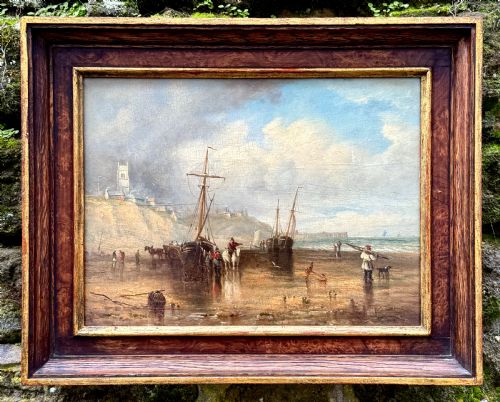
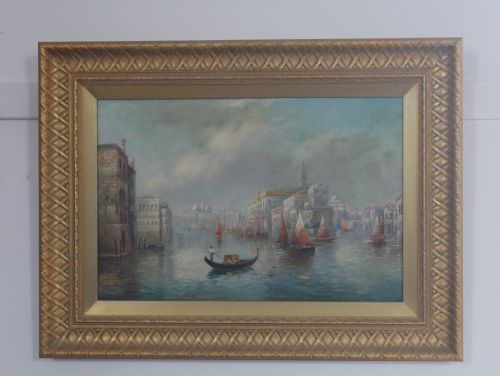
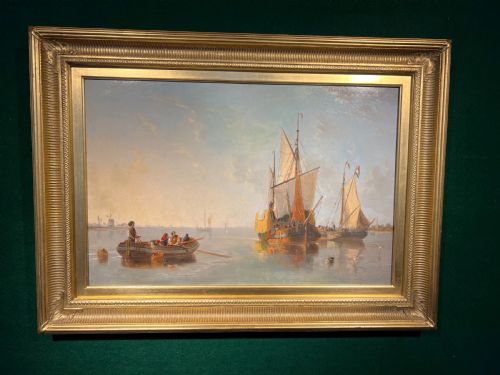
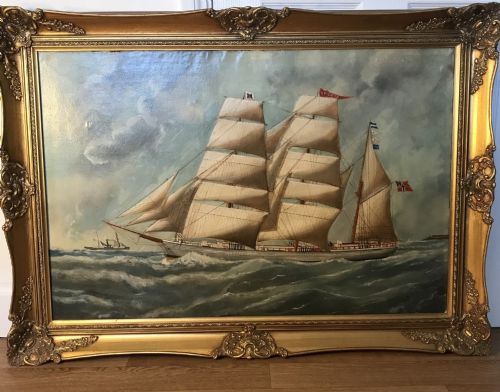
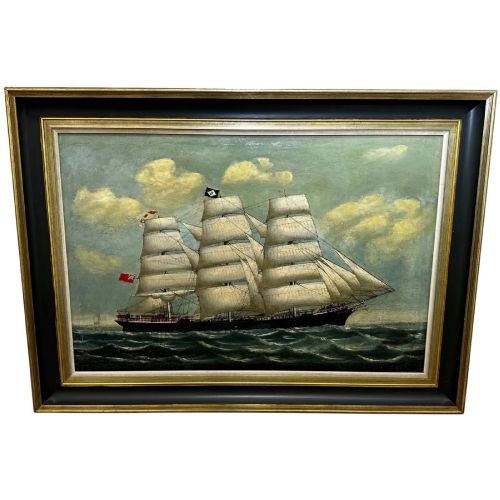
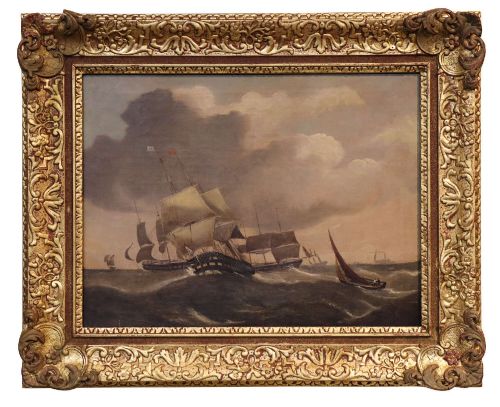
A victorian seascape canvas painting portrays coastal views, shipping vessels in heavy seas, and quiet harbour scenes executed during the nineteenth century. The examples met on this page typically span the decades from eighteen-sixty to nineteen-hundred, originating from British and European hands.
The subjects range from merchant ships off the coast and dramatic shipwrecks to serene sunsets with boats, fishing vessels near castle ruins, and specific locations such as Venice, Plymouth Breakwater, and the River Thames.
Most pieces utilise canvas stretched over wooden frames, frequently housed within period giltwood or gesso frames that complement the marine subject matter.
How They Were Made
Artists built these works using oil paint applied to woven canvas stretched across wooden supports, allowing for layered depth in rendering water, sky, and atmospheric light. The physical construction relies on durable woven fabric primed to receive oil pigments.
Many surviving pieces retain their original or period-appropriate giltwood and gesso frames, which provide structural rigidity and aesthetic contrast to the maritime scenes.
Listings feature oil on canvas works housed in giltwood and gesso frames, originating primarily from the nineteenth century.
What Varies in Quality
Quality rests upon the artist's ability to render the movement of water, atmospheric effects, and the precise rigging of vessels. Works attributed to known nineteenth-century painters demonstrate superior brushwork and compositional balance compared to anonymous studio output.
The preservation of the oil paint and canvas influences the integrity of the piece, alongside the originality and condition of the accompanying giltwood and gesso framing.
William McAlpine·John Rose Miles·William Broome·Francis Moltino·Bernard Benedict Hemy·Thomas Creswick·John Wilson Carmichael·Lai Fong·Joseph Farquharson·Nicholas Condy·William Henry Williamson·John Holland·Abraham Hulk I·Charles William Wyllie·William Edward Webb·Gustave De Bréanski·Daniel Sherrin·Stanley Leader·William Greaves·T.S. Wallis·Charles Sim Mottram·George Gregory·James Webb·John Douglas Perrett·Claude Thomas Stanfield Moore
The Victorian Seascape Canvas Painting Glossary
- Canvas
- A heavy woven fabric used as the support surface for oil paintings. It is typically stretched tightly over a wooden frame before painting.
- Giltwood
- Wood that has been covered with a thin layer of gold leaf or gold paint. This finish frequently appears on nineteenth-century picture frames.
- Gesso
- A plaster-like mixture applied to wood or canvas as a base for painting or gilding. It allows craftsmen to mould intricate decorative details onto frames.
- Marine Art
- Artistic representation of the sea, ships, and coastal views. This category forms the core subject of nineteenth-century coastal paintings.
- Sea Stack
- A geological landform consisting of a steep and often vertical column or columns of rock in the sea. These appear frequently in dramatic coastal scenes.
Victorian Seascape Canvas Painting: Frequently Asked Questions
What subjects appear in these paintings?
The compositions record merchant ships, fishing boats, shipwrecks, and coastal towns. Artists also painted specific locations like Venice and the River Thames.
Many works highlight dramatic encounters with rough seas, while others depict calm harbours and coastal workers.
How do I date a victorian seascape canvas painting?
Dating relies on stylistic evidence, signatures, artist biographical dates, and framing materials. Most examples date from the mid to late nineteenth century.
Examine the canvas stamps, stretcher construction, and written inscriptions on the reverse for clues to the exact decade.
Are these paintings signed by the artist?
Some pieces bear the artist's signature or monogram directly on the canvas, while others remain attributed based on style and documentation.
Unsigned works are often catalogued by schools or attributed to specific circles of nineteenth-century painters.
How should I display a canvas painting?
Display the artwork away from direct sunlight and drastic fluctuations in temperature and humidity to protect the oil paint and canvas.
Ensure the piece hangs securely from a wall using appropriate fixings that support the weight of the canvas and its frame.