
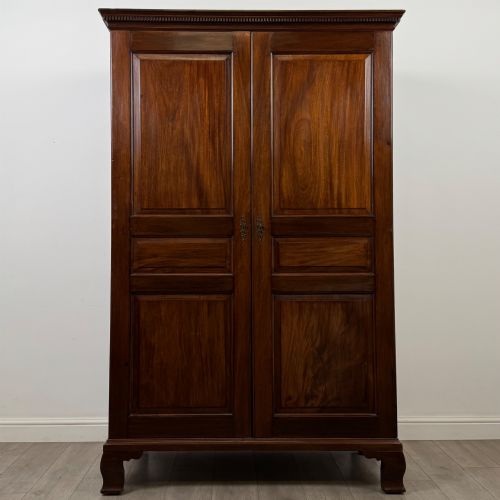
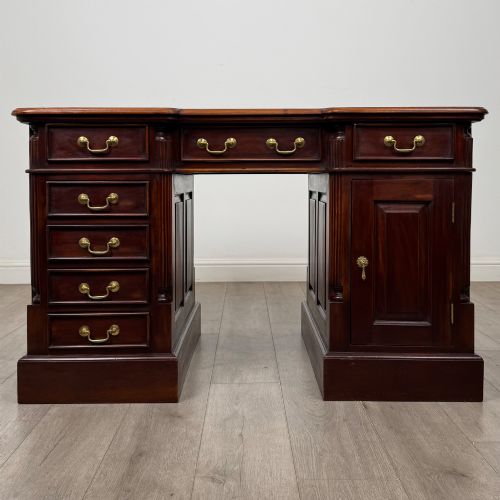
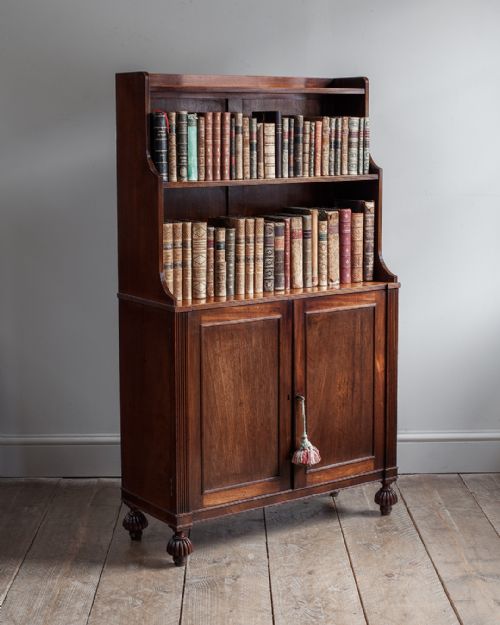
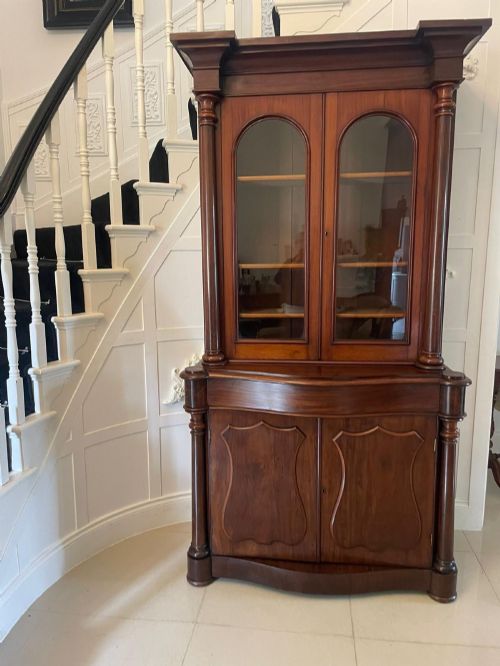
Traditional Mahogany Cupboard
A traditional mahogany cupboard brings rich timber grain and practical storage into a room, spanning periods from the eighteenth century onwards.
Traditional Mahogany Cupboard
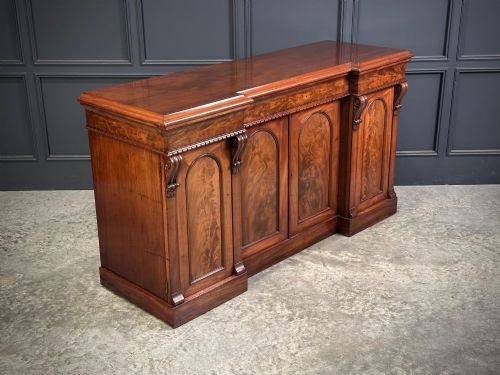
A traditional mahogany cupboard encompasses a range of domestic furniture forms including bedside cabinets, corner cupboards, linen presses, and larger storage units. The pieces span periods from the eighteenth century, through the Regency and Victorian eras, up to later Edwardian and twentieth-century revivals.
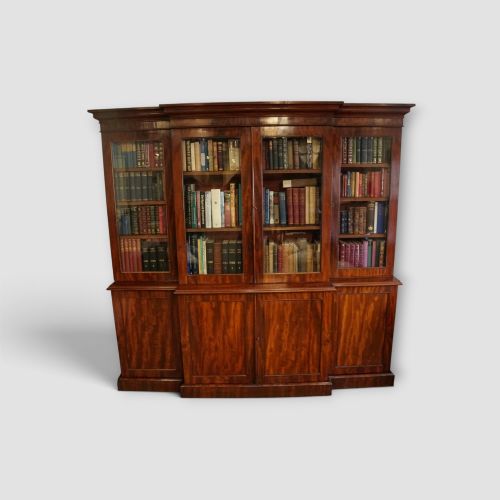
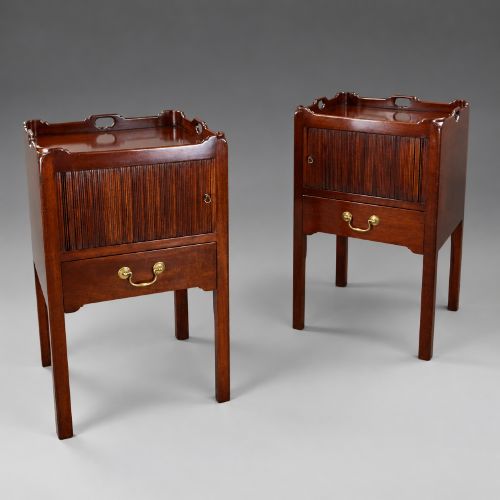
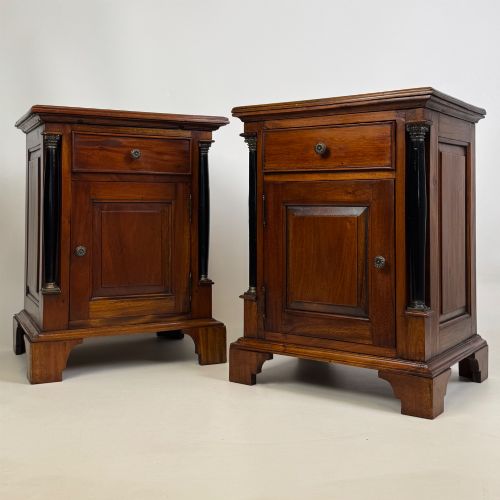
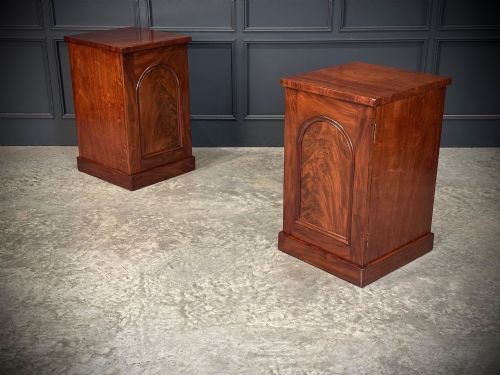
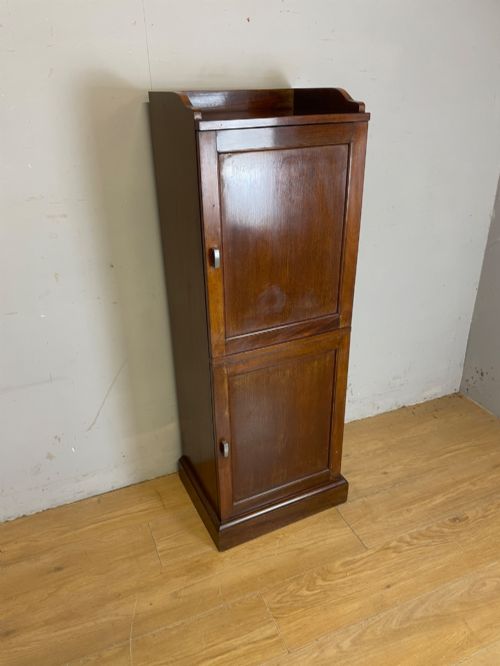
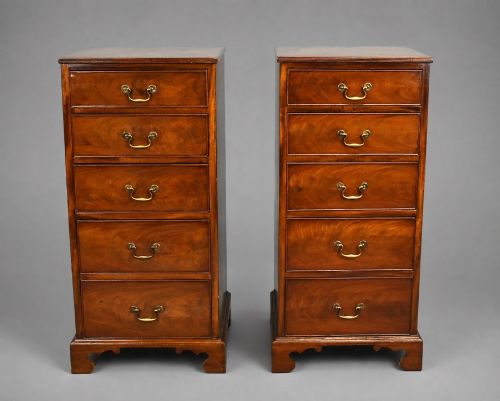
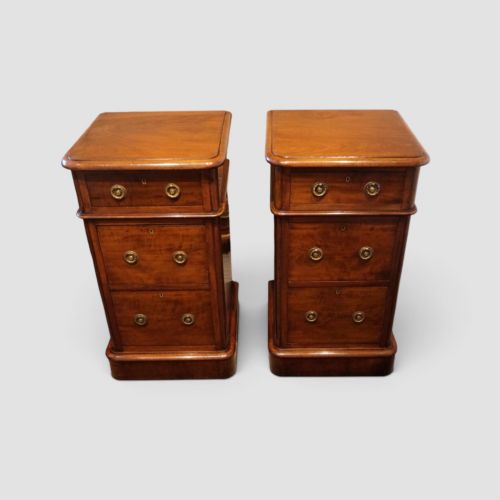
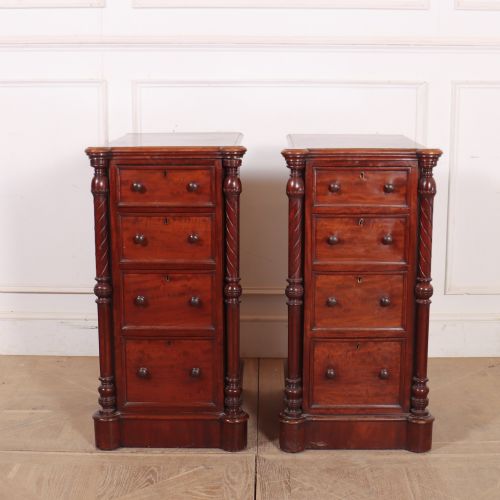
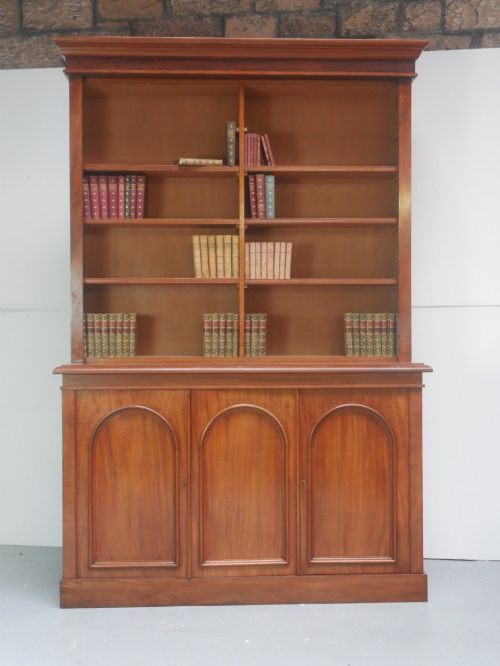
Bedside cabinets and night tables appear frequently alongside larger case pieces such as wardrobes and bookcases. These items reflect changing domestic needs for storage, offering enclosed shelving or drawer space executed in durable timbers.
Origins range across Georgian, William IV, and Victorian workshops, demonstrating the enduring popularity of mahogany in British cabinet making. Buyers encounter both authentic period pieces and later revival styles built to traditional designs.
Evaluating craftsmanship
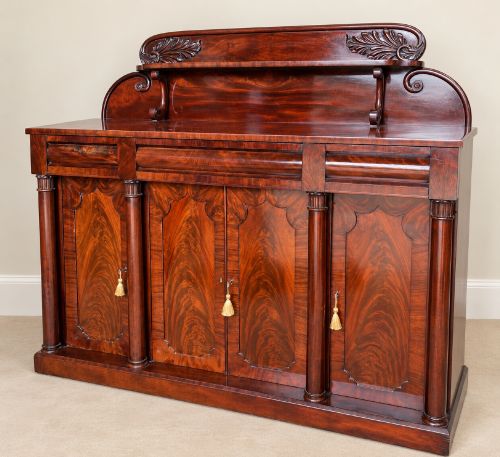
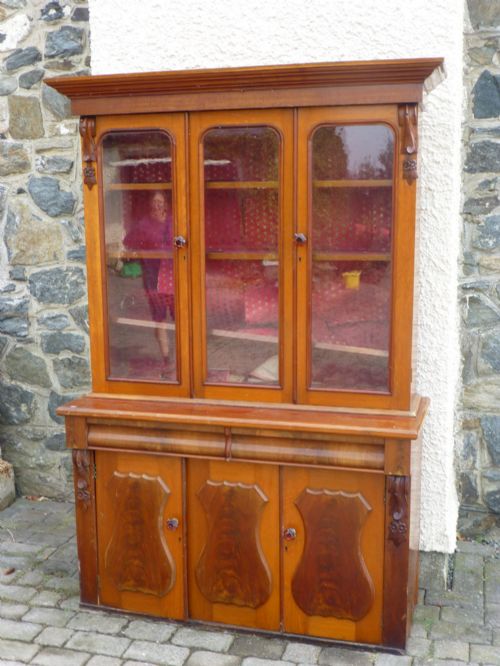
Quality rests in the selection of timber figures, particularly the use of striking flame mahogany veneers matched across door panels and drawer fronts. The crispness of inlaid boxwood details and the integration of brass fittings further distinguish finer examples from standard production.
Construction methods determine durability, visible in the precision of the joinery and the condition of internal shelving or hanging space. Pieces retaining original hardware and balanced proportions demonstrate superior workshop standards.
Listings feature mahogany, oak, brass, and glass across Georgian, Victorian, and Edwardian periods in forms ranging from bedside chests to breakfront bookcases.
Warings Liverpool
The Traditional Mahogany Cupboard Glossary
- Flame mahogany
- A veneer cut from timber where the grain creates a flamy, rolling pattern. This decorative wood was favoured for the primary display surfaces of high-status cabinets.
- Linen press
- A tall cupboard featuring upper sliding trays or shelves enclosed by doors, traditionally used for storing folded textiles. Lower sections often incorporate drawer storage.
- Corner cabinet
- A storage piece specifically constructed to fit into the ninety-degree angle of a room. These items maximise floor space while displaying shelved interiors behind single or double doors.
- Kneehole desk
- A writing table featuring pedestals of drawers on either side with a recessed central space for the user's knees. They frequently incorporate fine inlay and cabinet storage.
- Wellington chest
- A tall, narrow chest of drawers secured by a hinged locking side stile that fastens with a key. This style originated in the nineteenth century for compact security.
Traditional Mahogany Cupboard: Frequently Asked Questions
How do I date a mahogany cupboard?
Dating relies on examining construction techniques, timber choices, and stylistic markers associated with periods like the Georgian or Victorian eras. Secondary woods and handle types provide further clues to the decade of manufacture.
Cabinet proportions and the presence of hand-cut dovetails help distinguish eighteenth-century pieces from later nineteenth-century equivalents or twentieth-century revivals.
What is flame mahogany?
Flame mahogany is a highly figured wood veneer cut from the branch junctions of the tree. It produces a distinctive flickering pattern used on the main doors and drawers of formal cabinets.
Cabinet makers arranged these veneers symmetrically to create striking visual effects across the front of a sideboard or wardrobe.
Where were corner cupboards used?
Corner cupboards were designed to utilise awkward angles in dining rooms, parlours, or hallways for storage and display. They existed in both hanging wall formats and tall standing floor models.
These pieces kept china, glassware, or provisions secure while preserving floor space in smaller domestic interiors.
How should I care for mahogany furniture?
Maintenance involves keeping the timber away from direct heat sources and strong sunlight to prevent the wood from drying out or fading. Regular dusting with a soft, dry cloth preserves the polished finish.
Application of traditional wax polish helps nourish the grain and maintains the natural lustre of the mahogany surface over time.