
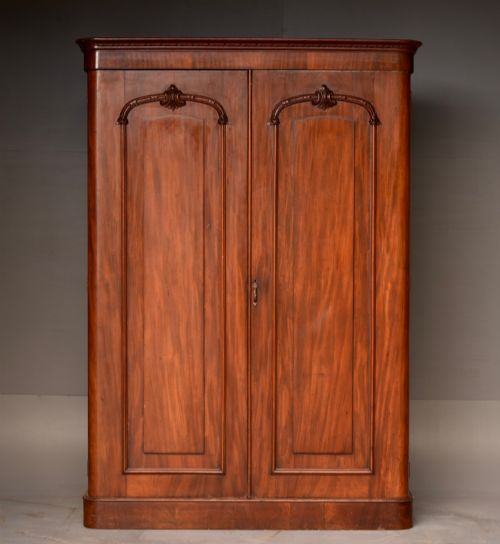
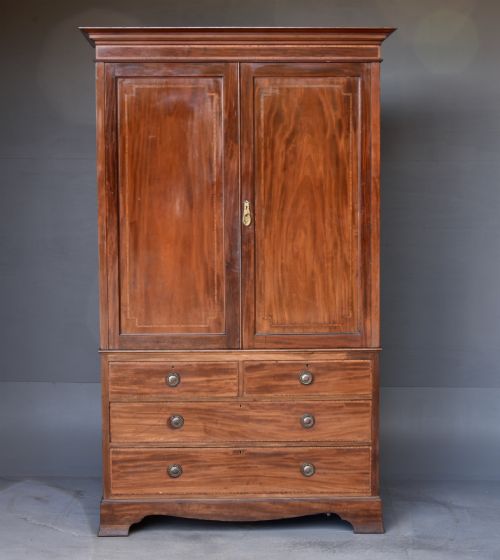
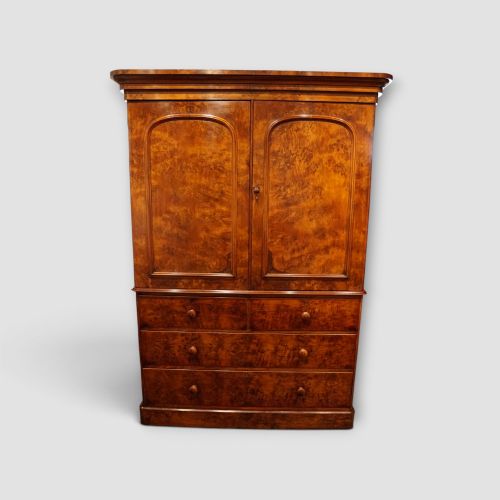
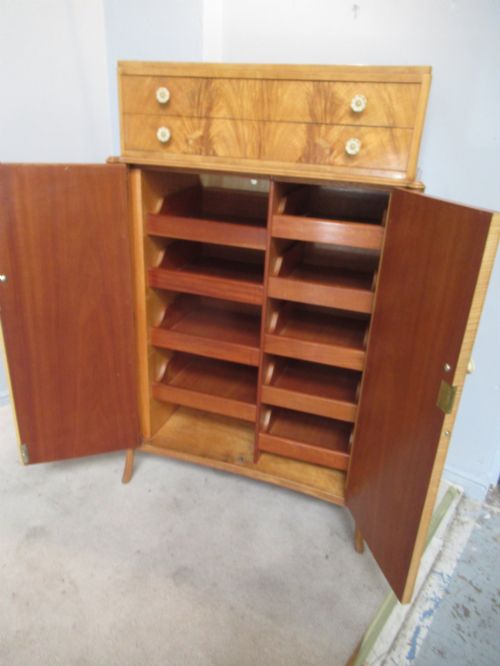
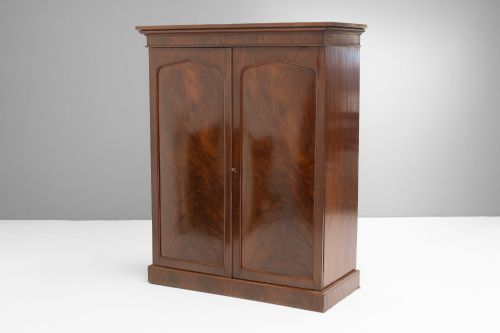
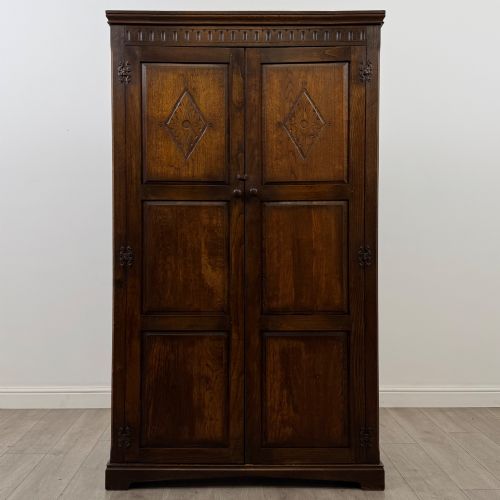
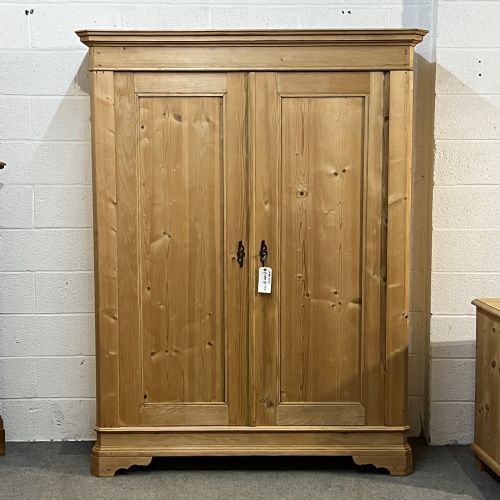
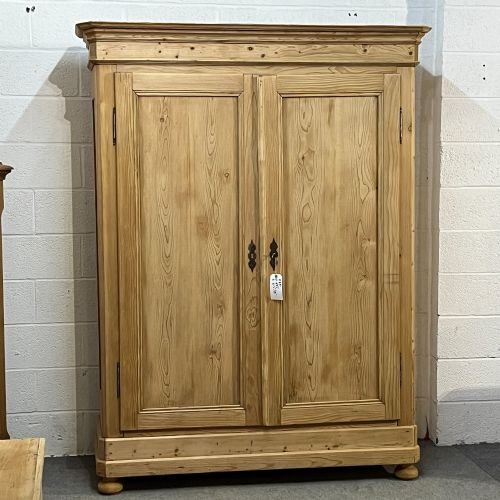
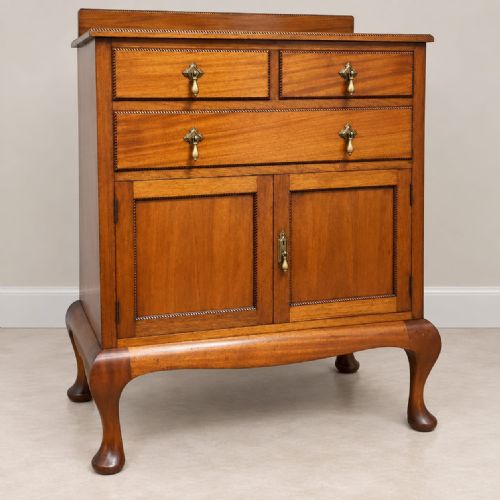
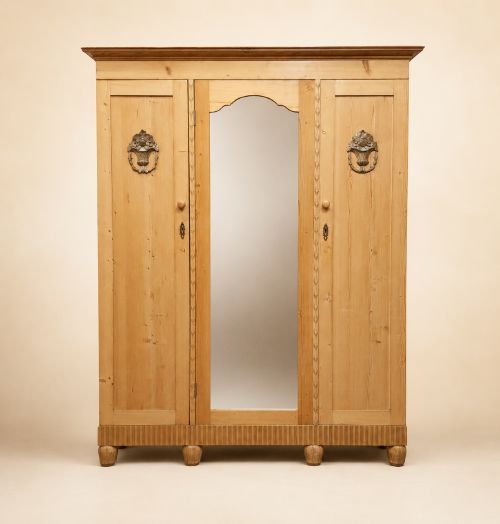
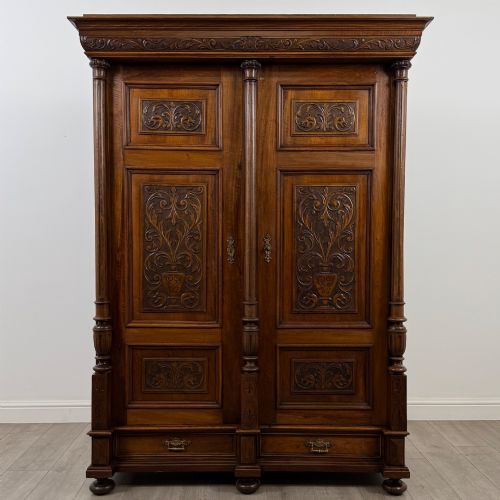
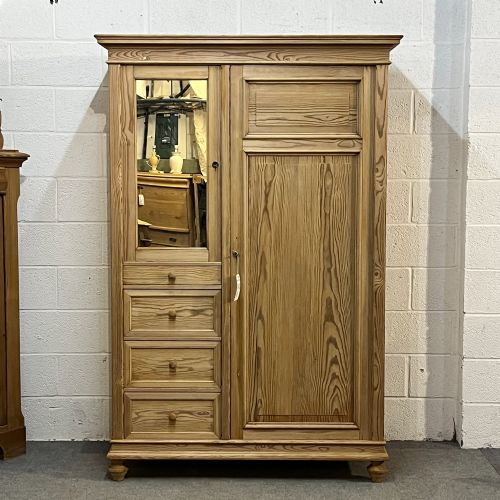
Antique Wooden Press Cupboard
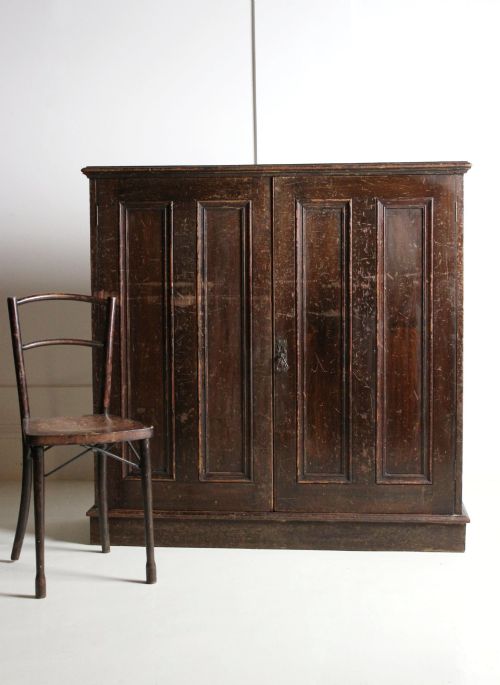
An antique wooden press cupboard offers substantial storage through periods ranging from the seventeenth century to the twentieth.
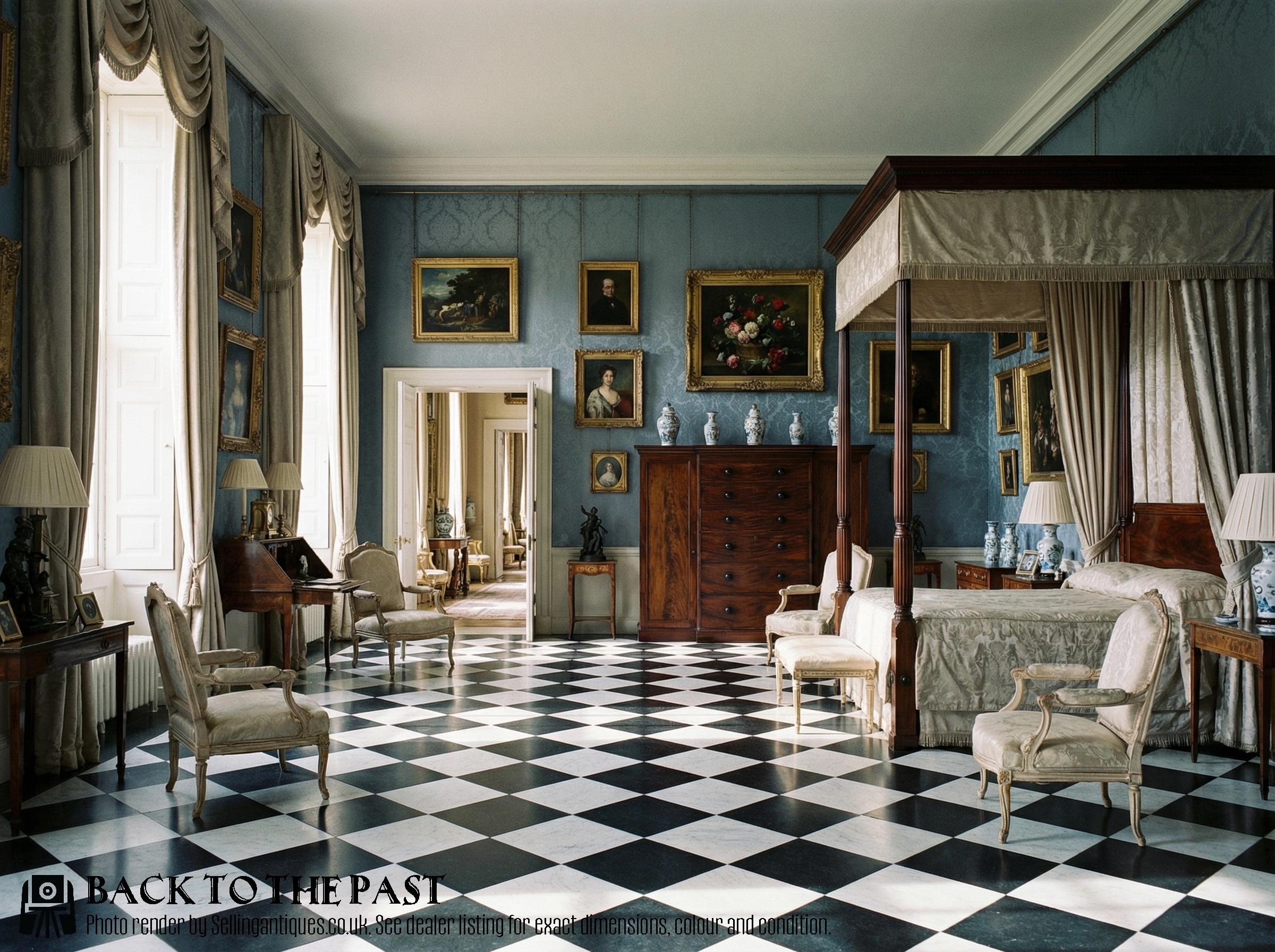
Antique Wooden Press Cupboard
An antique wooden press cupboard serves as a substantial storage piece, encompassing forms such as linen presses, wardrobes, housekeeper cupboards, and tallboys. Buyers searching this phrase encounter examples spanning the seventeenth century through the Edwardian period and the nineteen-thirties.
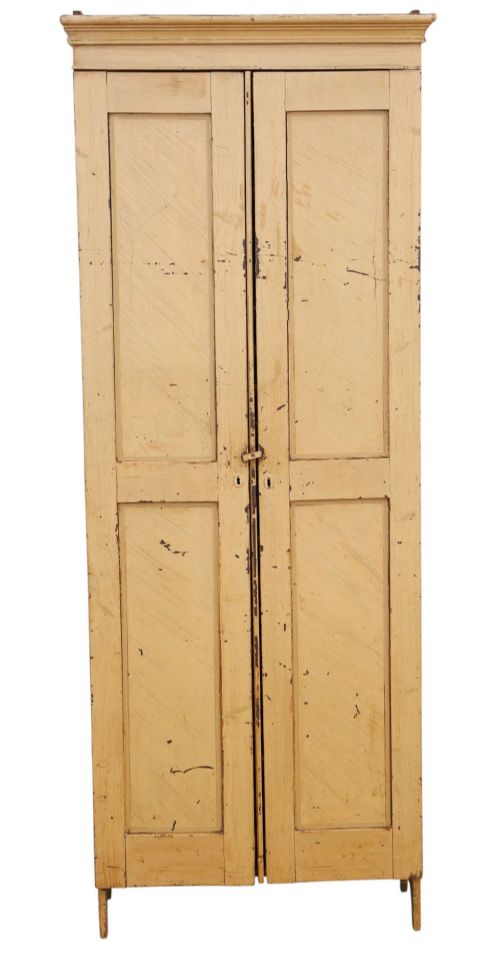
The selection includes regional pieces in pine, oak, and mahogany, originating from English workshops, French provincial makers, and beyond. Common configurations combine upper linen storage or hanging space with lower drawers in varying scales.
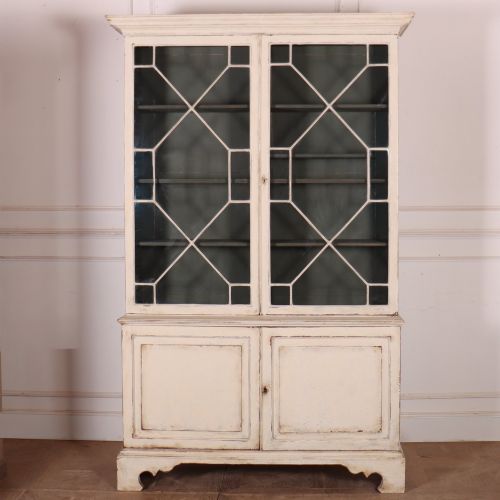
Georgian and Victorian iterations appear frequently alongside French armoires and Edwardian wardrobes. Each style reflects the domestic requirements of its respective era, from formal Georgian breakfronts to utilitarian farmhouse pine pieces.
How They Were Made
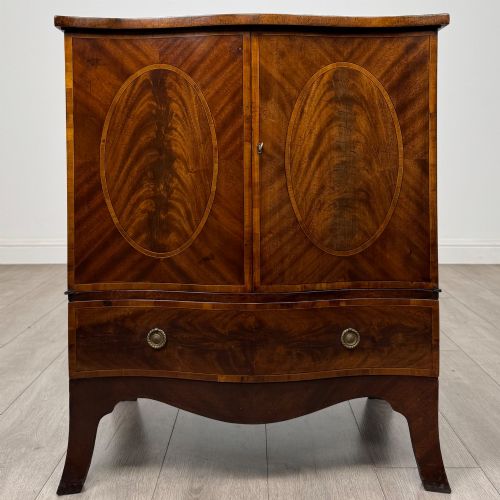
Joiners and cabinetmakers utilised solid timbers including oak, pine, mahogany, walnut, elm, and cherry, often applying flame mahogany veneer or decorative paint finishes such as original scumble. Structural integrity relied on traditional pegged joints, panelled doors, and dovetailed drawer construction.
Hardware typically consists of brass handles, escutcheons, and iron hinges suited to heavy doors. Glazed panels, carved details, and inlaid satinwood or mahogany further distinguish individual pieces according to period conventions.
Antique Wooden Press Cupboard Retail Price Guide 2026
Typical asking prices for wooden press cupboard among the pieces listed under this phrase on Sellingantiques today, from the lower quarter to the upper quarter. They describe what is for sale here now, not the wider market.
A seventeenth-century Spanish Basque painted cupboard shares shelf space with nineteen-thirties mirrored compactums.
What Varies in Quality
The distinction between standard domestic furniture and superior examples lies in the selection of timber, such as figured mahogany or burr walnut, and the precision of cabinetmaking details. Proportions, timber matching across large panelled doors, and the retention of original surface treatments or paintwork dictate desirability.
Subtleties in carved ornamentation, inlay work, and the execution of mouldings separate provincial workshop output from high-style urban commissions. Retaining original interior sliding trays, shelving, or hanging configurations adds further distinction to a piece.
maples and co
The Antique Wooden Press Cupboard Glossary
- Linen press
- A tall cupboard featuring upper sliding trays or shelves originally designed for storing folded linens, frequently paired with a chest of drawers beneath.
- Compactum
- A fitted wardrobe design that combines hanging space, drawers, and shelving within a single multi-compartment carcass.
- Tallboy
- A tall chest of drawers stacked upon another chest or cupboard base, maximising vertical storage capacity.
- Scumble
- A decorative painting technique used to simulate the grain of more expensive timbers like oak upon a simpler wood base.
- Breakfront
- A piece of furniture with a central section that projects forward from the flanking sections, adding architectural depth.
Antique Wooden Press Cupboard: Frequently Asked Questions
What is a press cupboard?
A press cupboard is a traditional storage unit historically used for pressing and storing garments or linens.
These pieces typically combine shelving or sliding trays with lower drawer storage within a heavy wooden cabinet.
How do I date a wooden cupboard?
Dating relies on observing construction methods, timber choices, and stylistic details characteristic of periods like the Georgian or Victorian eras.
Examining drawer dovetails, hinges, and backboards helps distinguish eighteenth-century examples from later nineteenth-century or Edwardian reproductions.
Where were these cupboards used?
These cupboards served primarily in bedrooms, landings, and large kitchens or housekeepers' rooms for domestic storage.
Their substantial capacity made them essential for holding household textiles, clothing, and provisions before built-in closets became standard.
Are original paint finishes common?
Original paint finishes survive on certain pine and provincial pieces, ranging from early scumble effects to later decorative treatments.
Such surfaces offer insight into the historical domestic context of the furniture alongside stripped or polished wood finishes.