


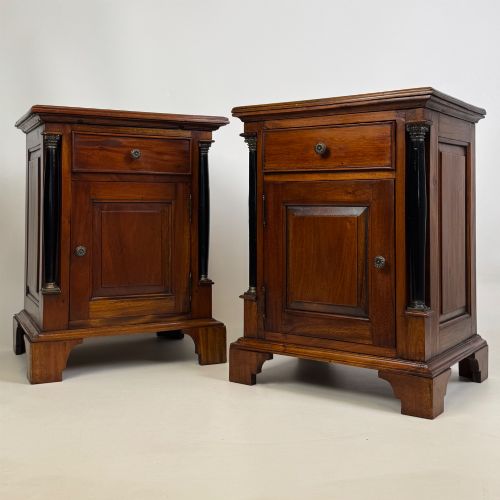
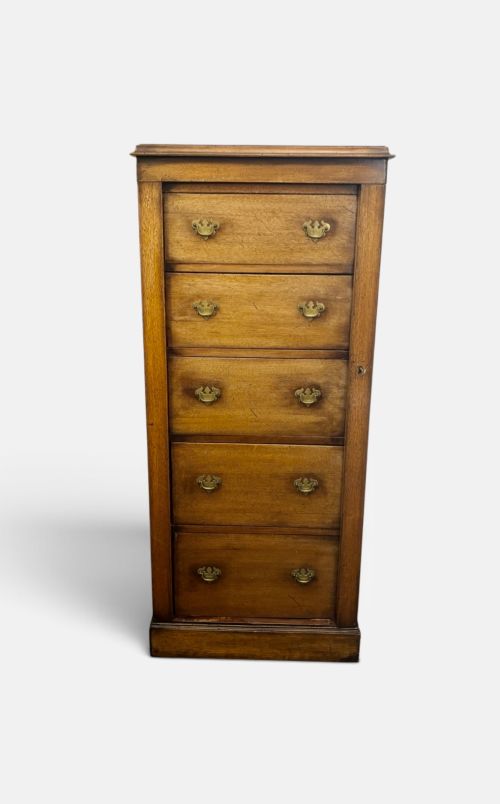
Traditional Mahogany Cabinet
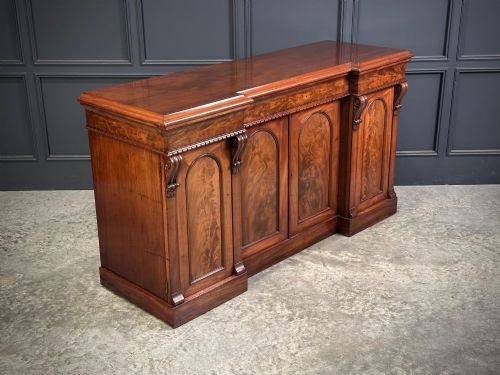
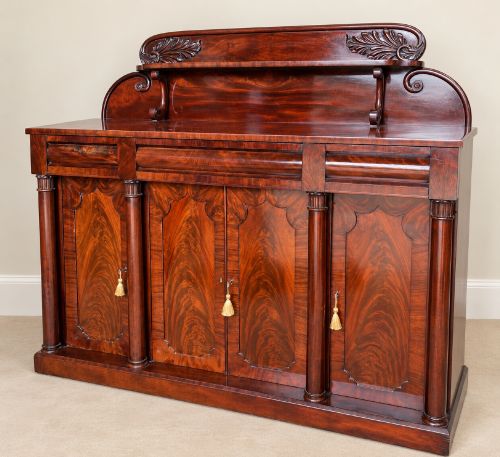
A traditional mahogany cabinet brings warmth and practical storage to a room, offering timeless timber grain and robust construction.
What these pieces are
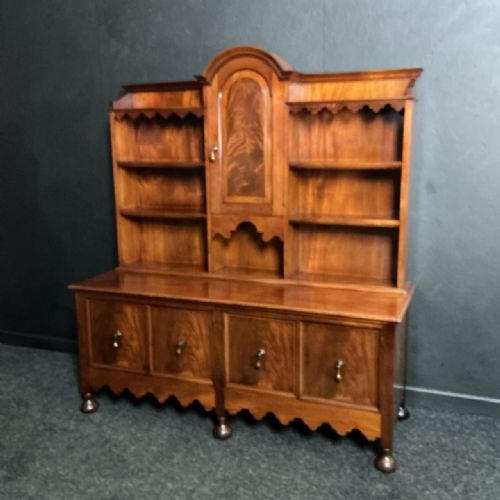
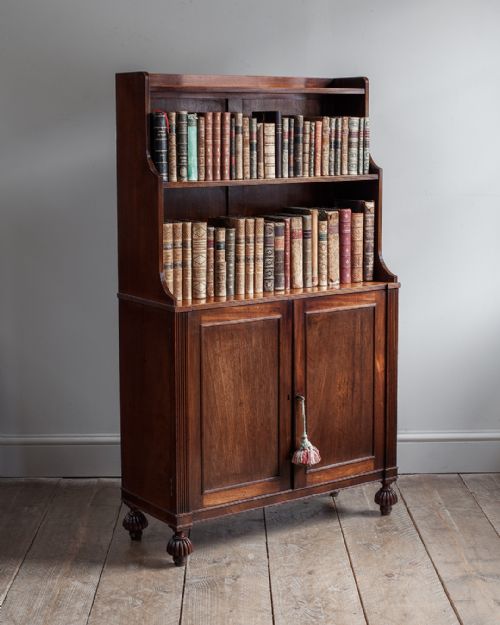
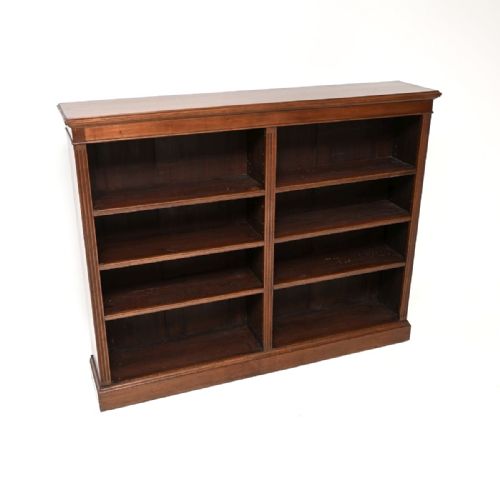
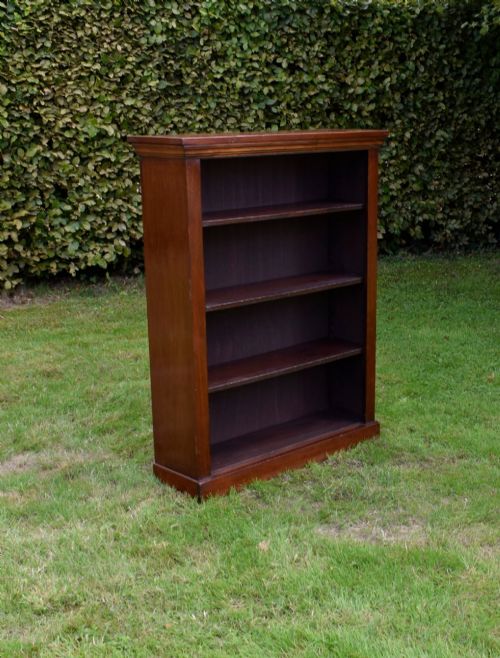
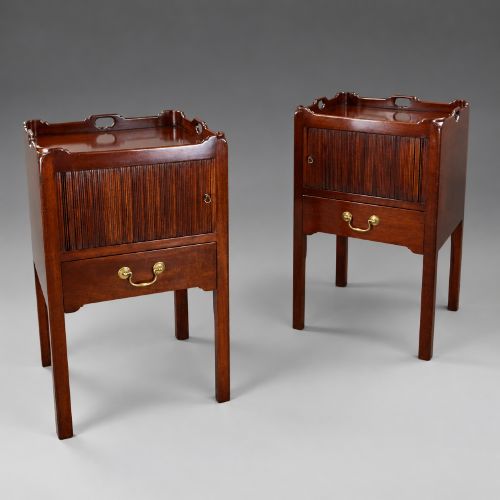
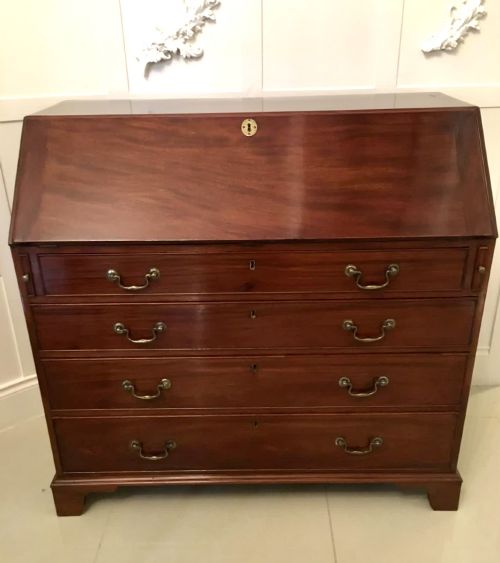
A traditional mahogany cabinet spans several functional forms including bookcases, chests of drawers, and storage cupboards. These items originate from the nineteenth and early twentieth centuries, encompassing Victorian originals alongside later Georgian revival pieces.
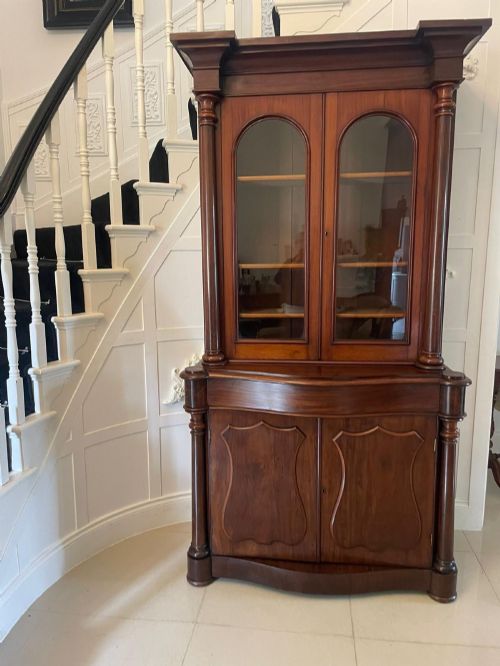
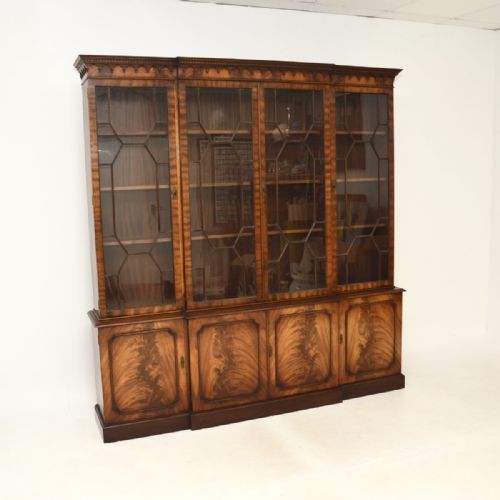
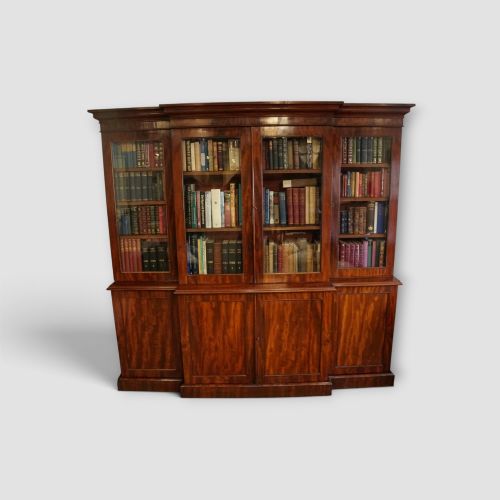
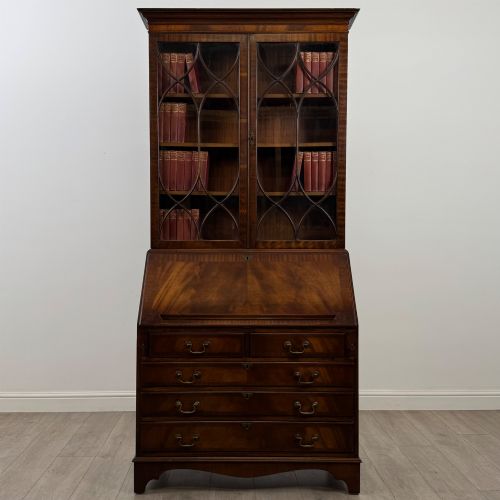
Bookcases and display cabinets dominate the selection, often featuring glazed upper sections combined with lower cupboards or bureau writing compartments. Buyers encounter distinct periods ranging from early nineteenth century cupboards to Edwardian Hepplewhite revival bookcases dated around nineteen ten.
The aesthetic draws heavily on eighteenth-century design vocabulary, reinterpreted during the Victorian and Edwardian eras. Pieces exhibit characteristic proportions designed for domestic utility and formal display.
How they were made
Construction relies upon solid mahogany and selected mahogany veneers, occasionally complemented by satinwood stringing or contrasting inlay details. Timber preparation involves traditional joinery techniques appropriate to each period, ensuring structural stability across large bookcase and chest surfaces.
Hardware consists principally of cast brass handles, escutcheons, and hinges that secure doors and drawer fronts. Glass panels are integrated into upper bookcase doors to protect libraries while maintaining visibility.
Retail Price Guide 2026
Typical UK retail prices for traditional mahogany cabinet, calculated from the Sellingantiques database of over a million retail prices indexed since 2003. This retail price guide relies exclusively on Sellingantiques data; no external sources or auction records are used, so the figures do not describe the wider market.
Listings span the nineteenth century, the Victorian era, and the early twentieth century up to nineteen thirty.
What varies in quality
Quality rests upon the selection of timber figure, the precision of cabinet joinery, and the integrity of period brassware. Superior examples display rich, deep mahogany grain patterns and finely executed mouldings that reflect careful workshop execution.
The Traditional Mahogany Cabinet Glossary
- Mahogany
- A durable tropical hardwood prized for its reddish-brown colour and fine grain. It forms the primary structural and surface material for these cabinets.
- Satinwood
- A lustrous, pale yellowish timber utilised for contrasting inlay and stringing lines on select cabinet surfaces. It provides visual relief against darker mahogany grounds.
- Breakfront
- A cabinet design where the central section projects forward from the flanking wings. This architectural arrangement adds depth and shadow to large bookcases.
- Bureau Bookcase
- A dual-purpose form combining a sloping fall-front desk compartment with upper shelving. It offers both workspace and enclosed storage.
Frequently Asked Questions
How do I care for mahogany?
Keep wooden surfaces away from direct sunlight and steady heat sources to prevent the timber from drying out. Dust regularly with a soft, dry cloth and apply natural beeswax sparingly to maintain the sheen.
Avoid liquid polishes containing silicones, which can penetrate old finishes and attract dust over time. Gentle maintenance preserves the natural patina developed across generations.
Where should I place a cabinet?
Position your cabinet against an interior wall away from damp exterior masonry and fluctuating temperatures. This protects the joints and prevents timber movement in larger pieces like breakfront bookcases.
Ensure the floor surface is level so that heavy doors and drawers operate smoothly without binding. Adequate clearance allows you to open glazed doors fully for loading books or display items.
How do I date a cabinet?
Examine construction methods, timber thickness, and secondary woods used inside drawer linings or carcases. Machine-sawn timber and screw types often indicate Edwardian or later revival periods.
Stylistic cues such as Hepplewhite revival motifs point towards the early twentieth century, whereas hand-cut dovetails and vernacular construction suggest nineteenth-century origins.