


Open Shelf Cabinet
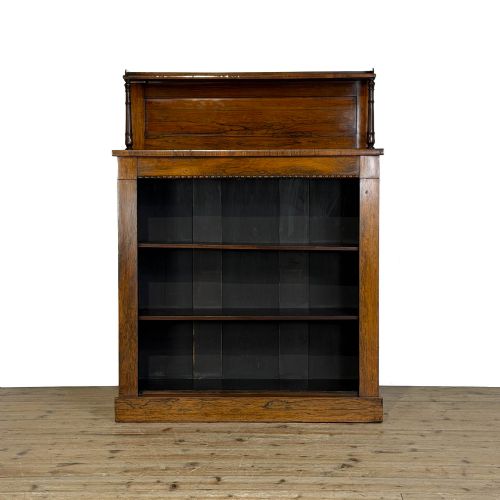
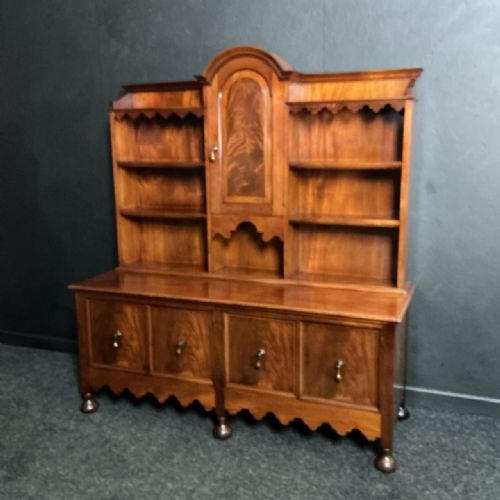
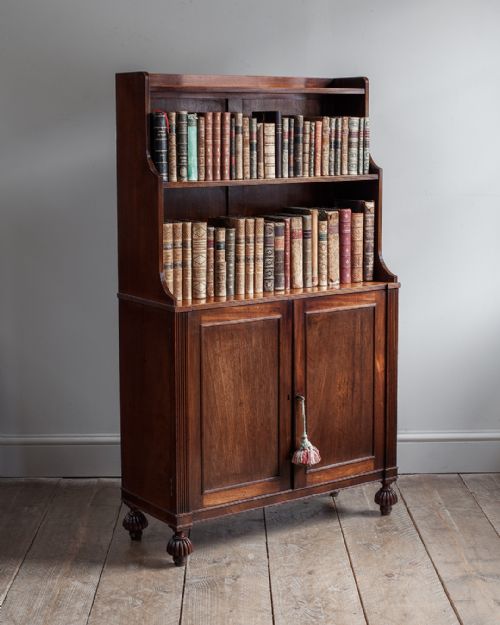
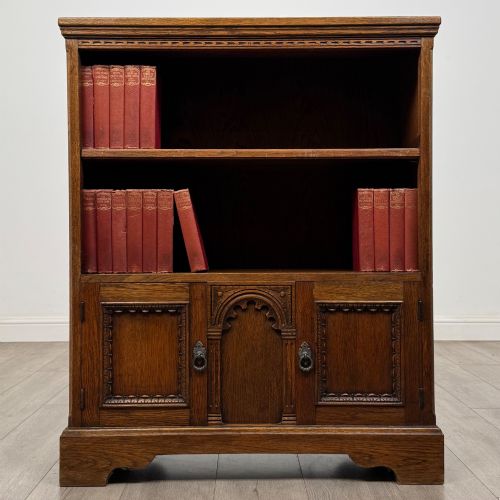
An open shelf cabinet brings accessible storage to a room, offering display space and sturdy shelving for books and objects.
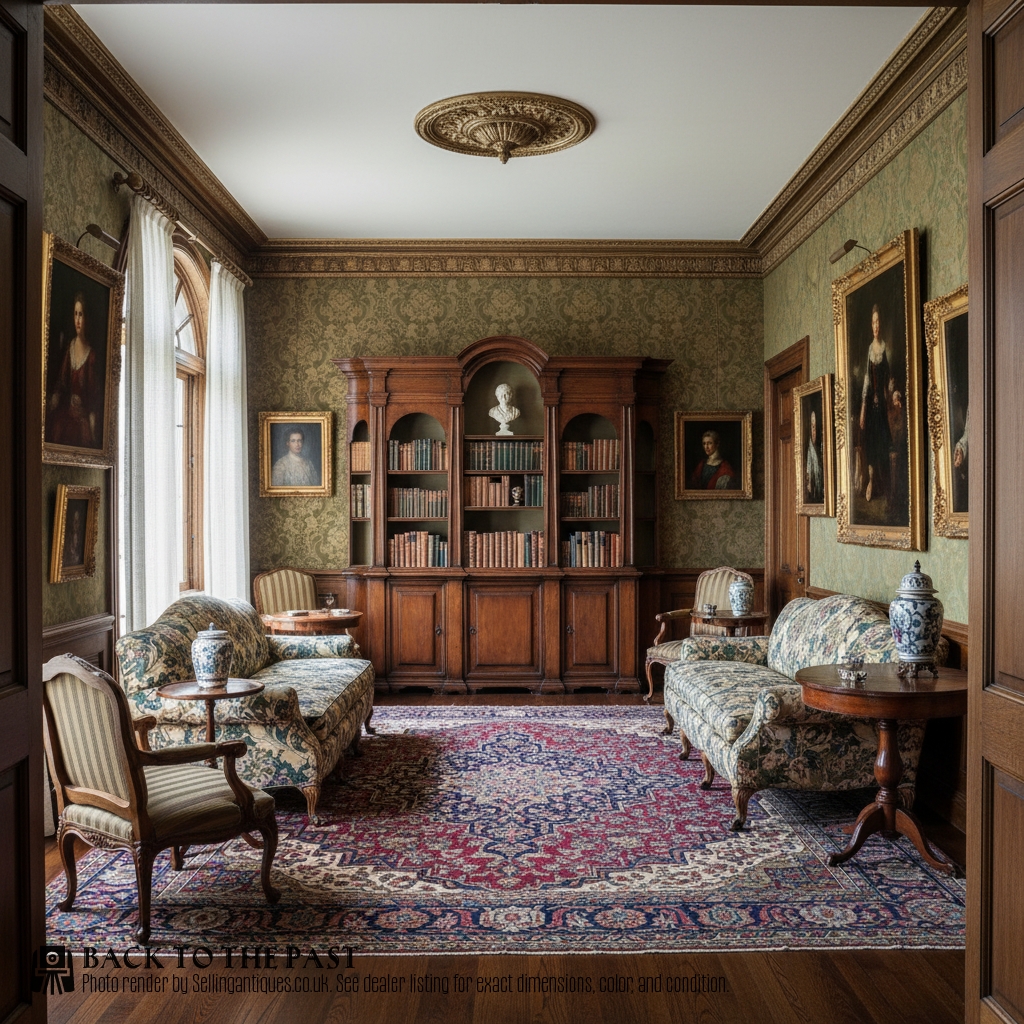
What an open shelf cabinet is
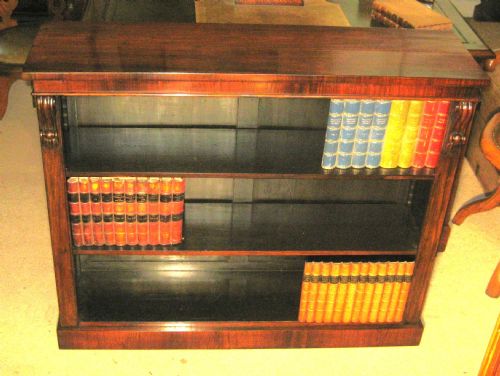
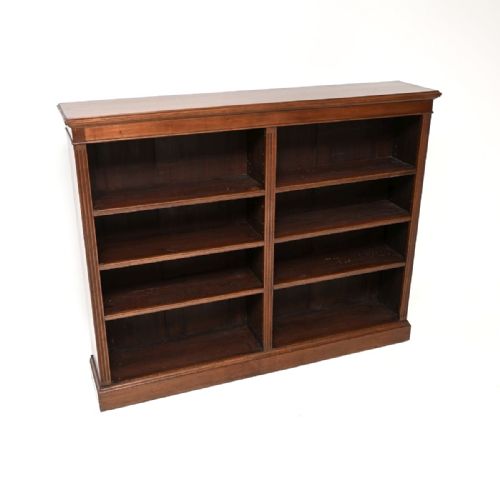
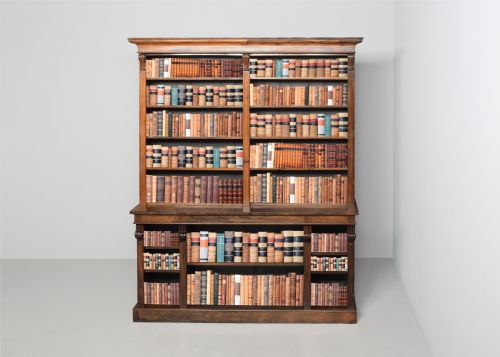
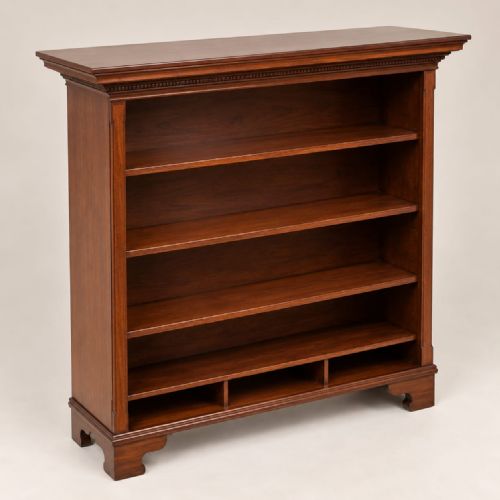
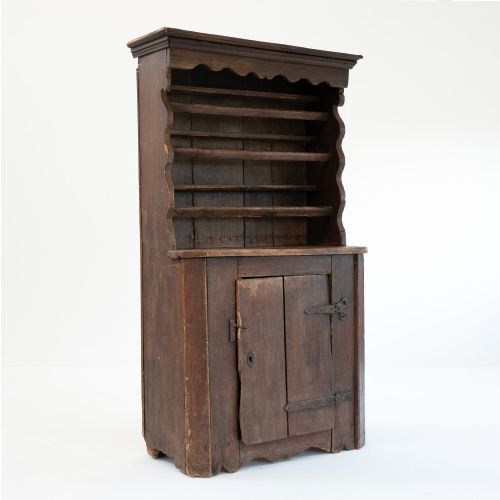
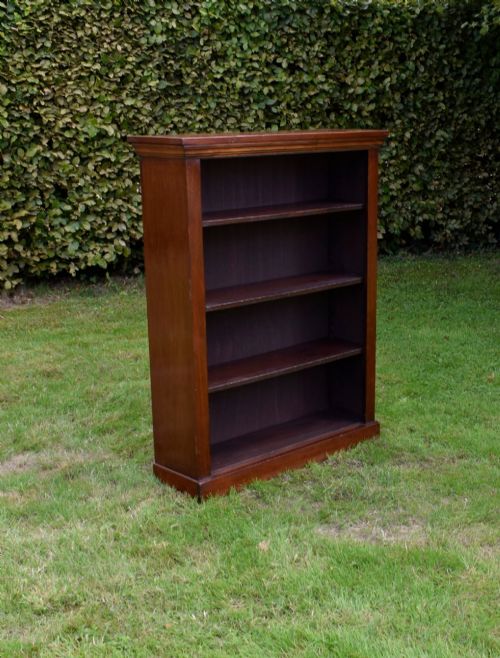
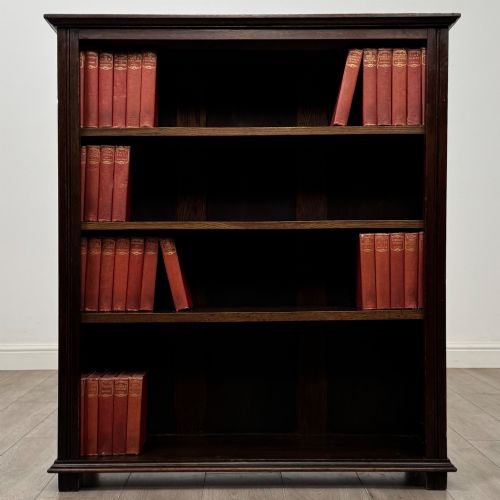
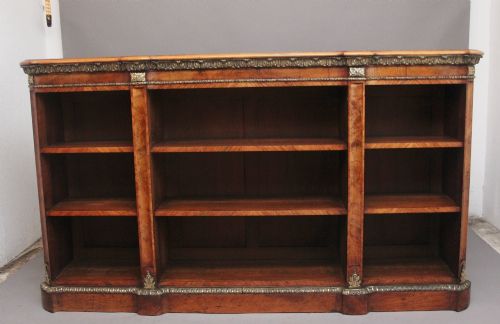
An open shelf cabinet functions primarily as a bookcase or display unit, combining open shelving with accessible storage. These pieces appear frequently from the Victorian and Edwardian eras, as well as the Georgian style and early twentieth century. Common forms include bookcases, corner display stands, plate racks, and library cabinets.
Makers utilised various regional timbers, producing pieces in mahogany, rosewood, walnut, oak, pine, elm, and goncalo alves. Formats range from dwarf open bookcases and standing units to hanging display shelves and triple shelf library cabinets. Such items suit domestic studies, libraries, and living spaces for holding books and decorative objects.
The pieces on this page span several decades, featuring Georgian style items alongside Victorian and Edwardian examples. Buyers encounter campaign style cabinets, Italian pieces, and Moorish taste display stands. Each version provides practical open storage adapted to the preferences of its period of origin.
How they were made
Cabinet makers constructed these open shelf cabinets using traditional hardwoods and softwoods such as mahogany, rosewood, walnut, oak, pine, and elm. Selected pieces incorporate dense exotic timbers like goncalo alves alongside brass hardware. Certain items feature integrated fabric panels or marble elements.
Construction techniques varied from standard standing joinery to hanging wall formats and campaign style builds. Workshops incorporated adjustable book shelves into oak and mahogany libraries. Pine examples often included functional additions like trio drawers and butterfly detailing.
Retail Price Guide 2026
Typical UK retail prices for open shelf cabinet, calculated from the Sellingantiques database of over a million retail prices indexed since 2003. This retail price guide relies exclusively on Sellingantiques data; no external sources or auction records are used, so the figures do not describe the wider market.
What varies in quality
Quality in an open shelf cabinet rests upon the selection of timber and the execution of the woodwork. Dense native and exotic hardwoods like mahogany, rosewood, and goncalo alves represent higher tiers of production compared to simpler pine or elm iterations. Superior examples demonstrate refined proportions and considered detailing such as adjustable shelving mechanisms.
The Open Shelf Cabinet Glossary
- Goncalo alves
- A dense exotic hardwood sometimes utilised in nineteenth-century cabinet making for striking grain patterns. This material appears on dwarf open bookcases from the mid nineteenth century.
- Campaign style
- Furniture designed for portability, typically featuring recessed brass handles and reinforced corners. This aesthetic carries military associations and translates into robust domestic cabinetry.
- Dwarf bookcase
- A low open shelf cabinet designed to sit beneath window height or within domestic living spaces. These units provide accessible top surfaces alongside lower shelf storage.
- Moorish taste
- A nineteenth-century design influence incorporating geometric fretwork and intricate wooden screens. Items in this style reflect eclectic Victorian preferences for exotic ornamentation.
- Plate rack
- A wall-mounted or hanging open shelf unit fitted with grooves or rails to secure upright plates. These functional items frequently double as general display storage.
Frequently Asked Questions
Where were open shelf cabinets placed?
These cabinets served in studies, libraries, and living rooms for holding working volumes and reference books. Standing and hanging formats allowed them to fit into parlours and hallways.
Larger triple shelf library cabinets occupied institutional rooms or extensive private collections. Corner display stands utilised awkward angles in domestic interiors to maximise floor space.
How do I date an open shelf cabinet?
Dating relies on timber choice, construction methods, and stylistic markers recorded across the Victorian and Edwardian periods. Mahogany and rosewood frequently indicate mid-to-late nineteenth-century work.
Later pieces from the 1920s often show simplified forms or specific regional revival styles. Details like adjustable shelf mechanisms and brass campaign mounts provide further chronological clues.
Were these cabinets used for books?
Many examples functioned primarily as bookcases or library cabinets for holding bound volumes. Adjustable shelving allowed owners to customise shelf heights for different book sizes.
Other variations served as display stands or plate racks for ceramics and ornaments. Some hanging pine cabinets provided kitchen storage alongside display functions.
What is a dwarf bookcase?
A dwarf bookcase is a low-standing open shelf cabinet produced during the nineteenth century. Its reduced height kept the top surface within easy reach and allowed natural light from windows to pass over it.
These pieces combined compact proportions with substantial timber construction. They offered practical book storage without dominating the room's vertical space.