
Traditional Mahogany Accent Chair
A traditional mahogany accent chair brings warmth and historic form to a room, offering a seat rooted in Georgian, Regency, and Victorian craft.
Traditional Mahogany Accent Chair
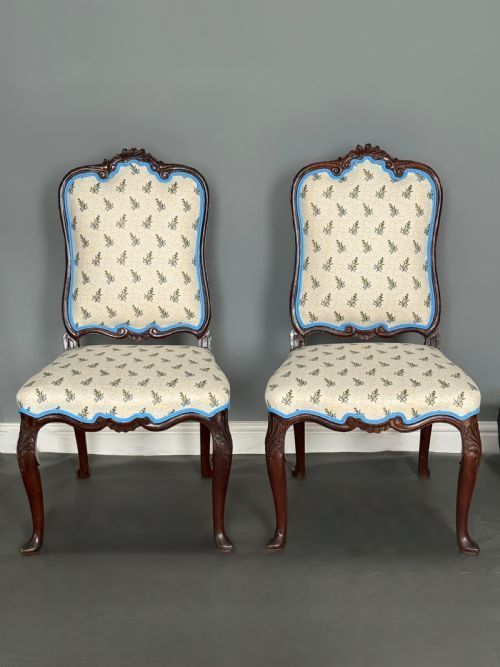
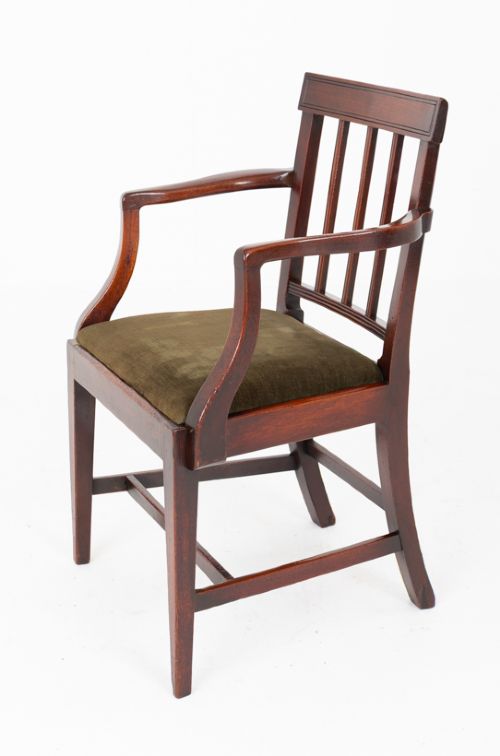
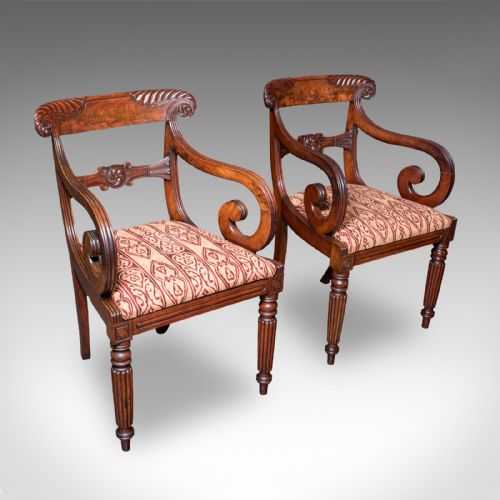
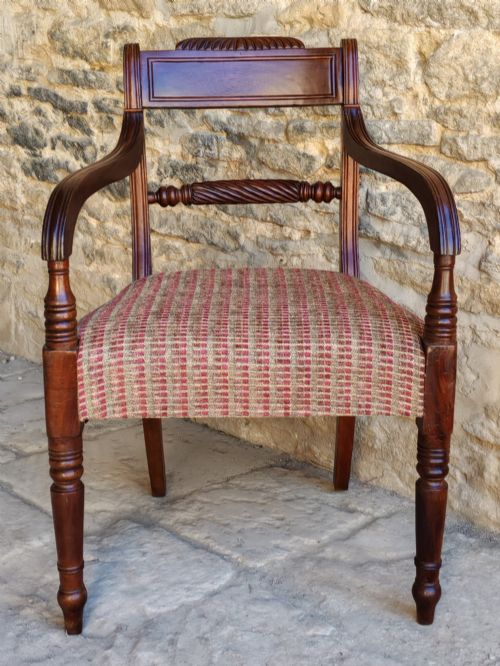
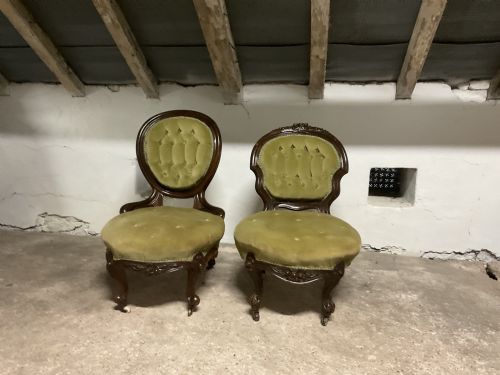
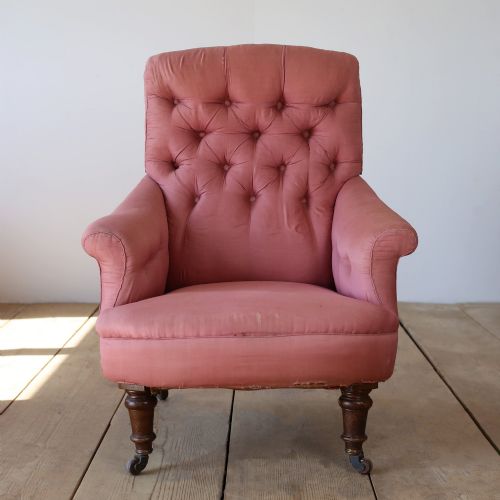
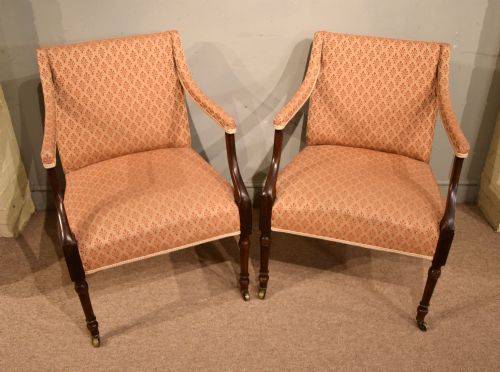
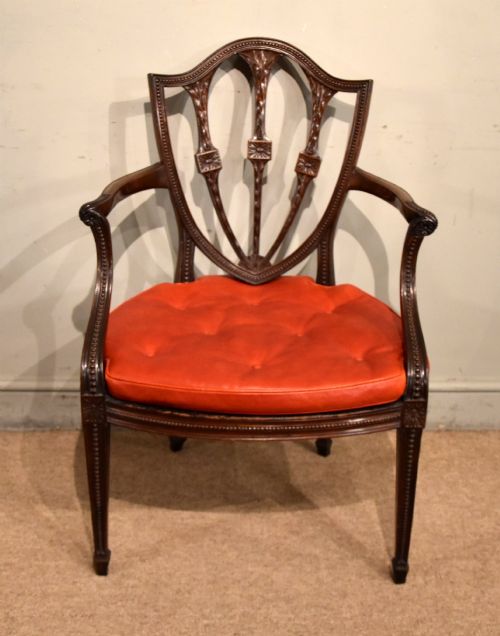
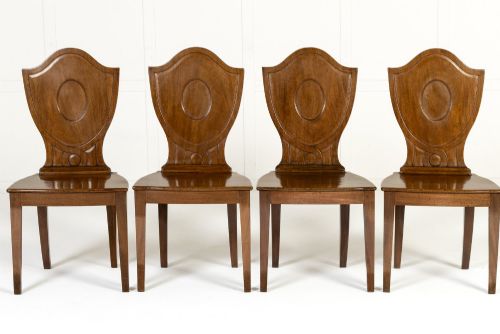
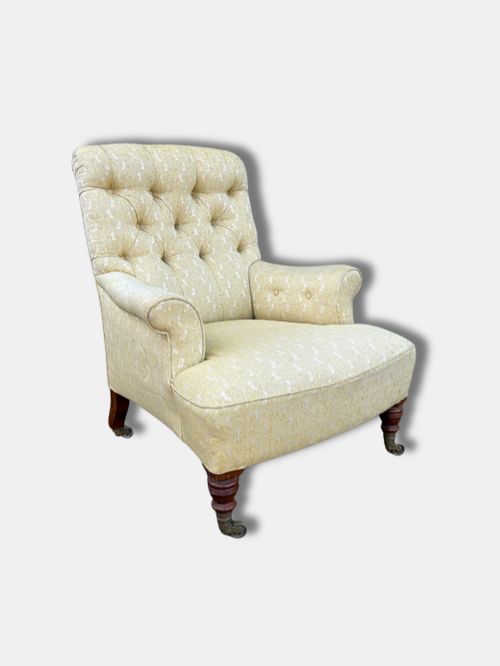
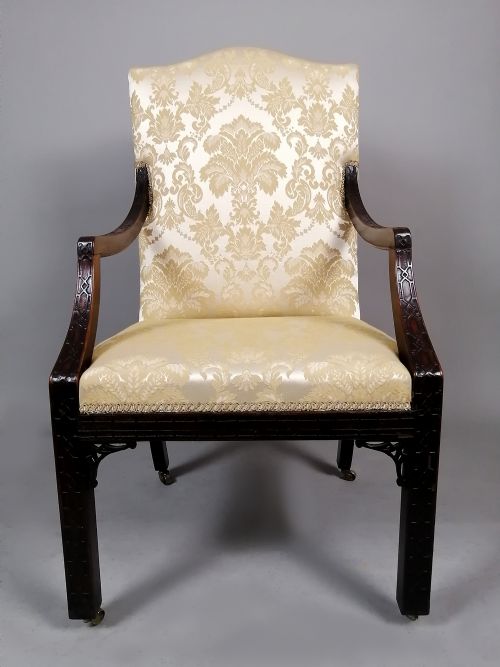
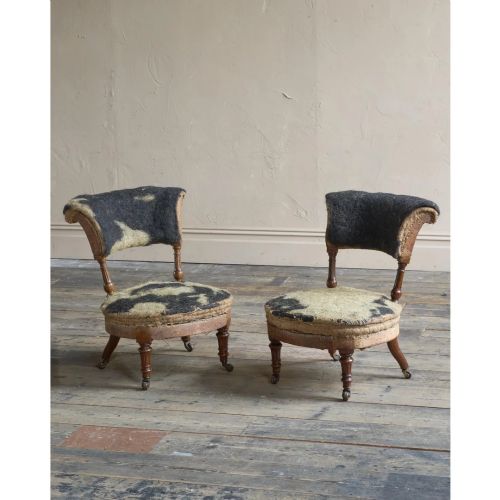
When you search for a traditional mahogany accent chair, you encounter a wide variety of seating forms spanning the eighteenth, nineteenth, and early twentieth centuries. The selection encompasses dining chairs, side chairs, library chairs, and elbow chairs alongside lower seating such as nursing chairs and slipper chairs.
Most pieces date from the nineteenth century and the Victorian period, though earlier Georgian examples and later Edwardian variations appear regularly. These seats function as focal points in reception rooms, bedrooms, and libraries.
How they were made
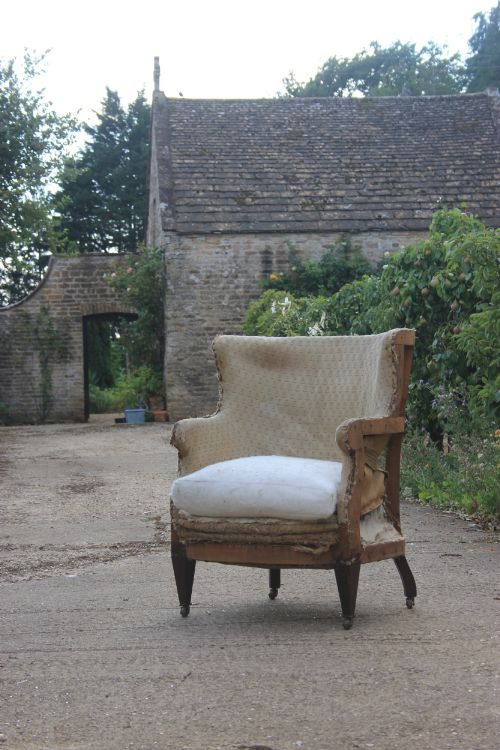
Makers shaped these frames from solid mahogany and Cuban mahogany, often utilising brass details for castors or mounts. Joinery relied on traditional pinned mortise and tenon construction to ensure structural rigidity in the arms, legs, and backs.
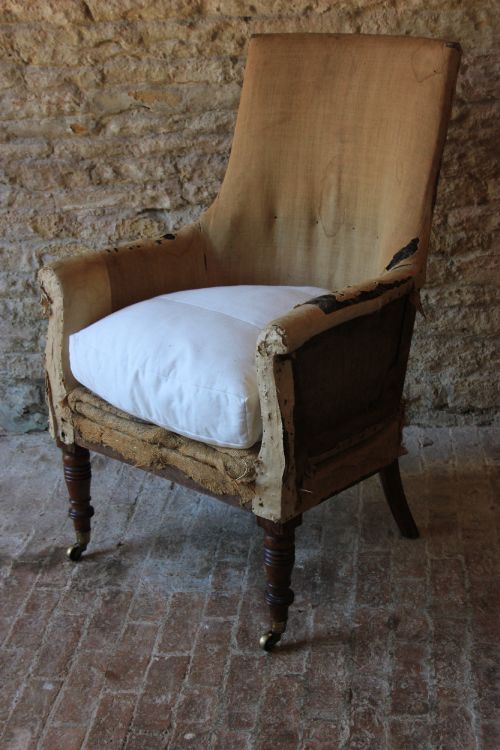
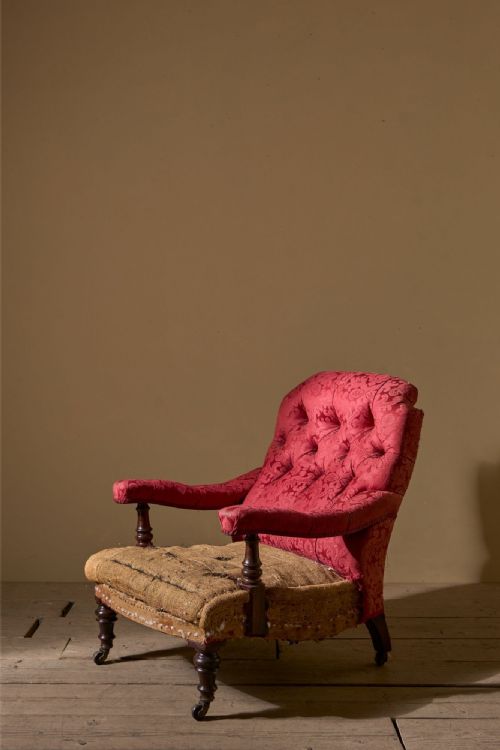
Upholstery methods varied by period, employing materials such as horsehair, hessian, cotton calico, velvet, and leather over webbing or cane seats. Buttoning and decorative nailing frequently finished the upholstered surfaces of library and nursing chairs.
Materials recorded across the selection combine solid mahogany with velvet, leather, calico, hessian, and brass fittings.
What varies in quality
The standard of carving distinguishes exceptional pieces from simpler vernacular items, with crisply undercut foliage, scrolls, and fluting marking superior workshops. Timber selection also plays a vital role, where dense grain and rich natural colour elevate the presence of the frame.
Structural integrity and the retention of original components, such as brass castors or cane panels, determine the standing of an individual chair within its period.
Howard and Sons·Hampton and Sons·Whytock and Reid
The Traditional Mahogany Accent Chair Glossary
- Carver chair
- An armchair, typically designed with arms to match a set of dining side chairs. It was often placed at the head of a table.
- Bergère
- An enclosed upholstered armchair with wooden framing exposed around the sides and back. It frequently incorporates cane work into the design.
- Ropeback
- A chair back featuring carved decoration that mimics twisted rope. This detail is characteristic of Regency and nineteenth-century design.
- Elbow chair
- An alternative term for an open armchair used in reception rooms and libraries. It provides support for the arms without full side upholstery.
- Library chair
- A substantial, comfortable armchair intended for long periods of reading. These pieces often feature generous proportions and padded armrests.
Traditional Mahogany Accent Chair: Frequently Asked Questions
Where should I place a traditional mahogany accent chair?
These chairs find natural placement in sitting rooms, studies, and bedrooms where an extra seat is required. Their rich wood tones complement both period interiors and contemporary spaces.
Lower forms like nursing chairs suit bedroom corners, while larger library or elbow chairs anchor living room layouts.
How do I identify a Georgian mahogany chair?
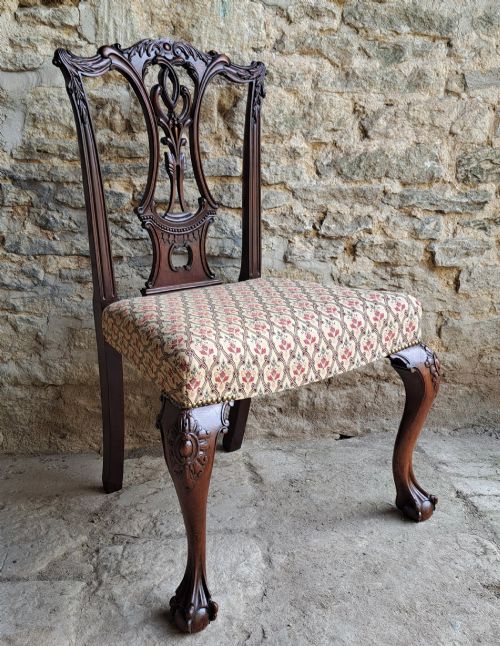
Georgian pieces generally display restrained classical proportions, robust timber weight, and hand-carved details such as ball and claw feet. Stylistic cues often reference Chippendale or Hepplewhite designs.
Construction methods inside the frame, including pegged joints and older hand-sawn timber marks, support the period attribution.
Are these chairs suitable for daily use?
Solid mahogany frames offer remarkable structural durability, making them well-suited for everyday seating. Many nineteenth-century examples have survived centuries of use.
Upholstered components may require updating or reinforcement depending on the current condition of the internal webbing and padding.
How do I care for mahogany furniture?
Maintain the timber by dusting with a soft, dry cloth and avoiding placement near direct heat sources or strong sunlight. Excessive warmth can dry out the wood and cause finishes to fade.
Apply quality furniture wax sparingly when the surface loses its natural lustre to protect the grain.