
Dark Brown Mahogany Chair
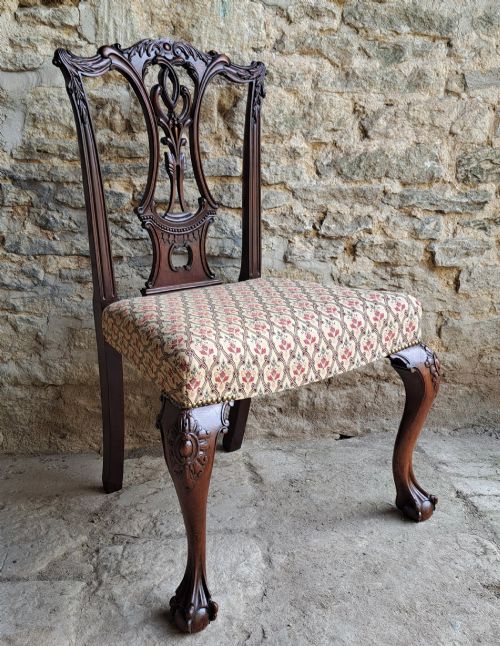
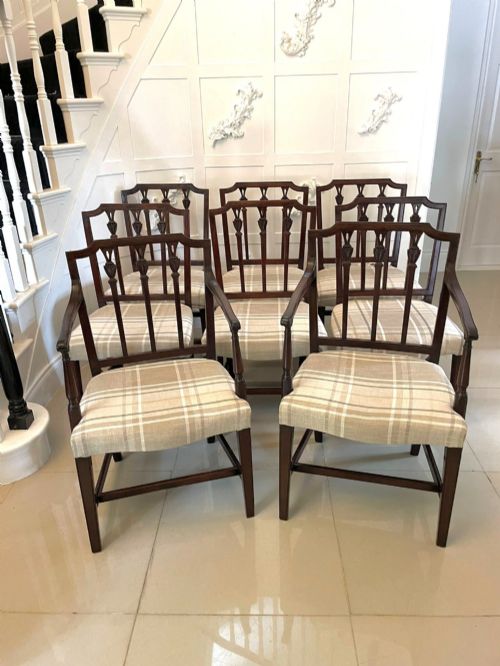
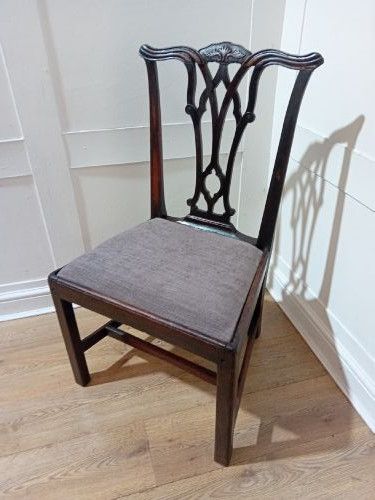
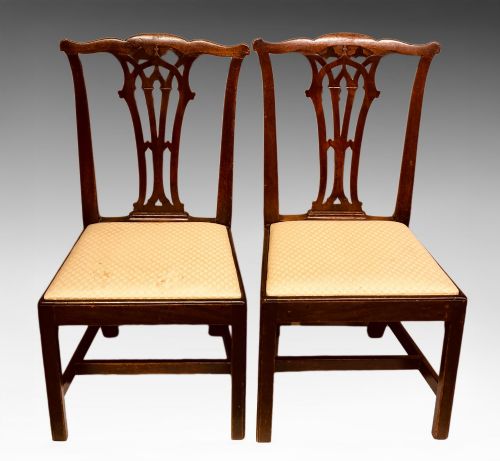
A dark brown mahogany chair brings rich timber tones and enduring seating design into a room, spanning periods from the eighteenth century onward.
Dark Brown Mahogany Chair
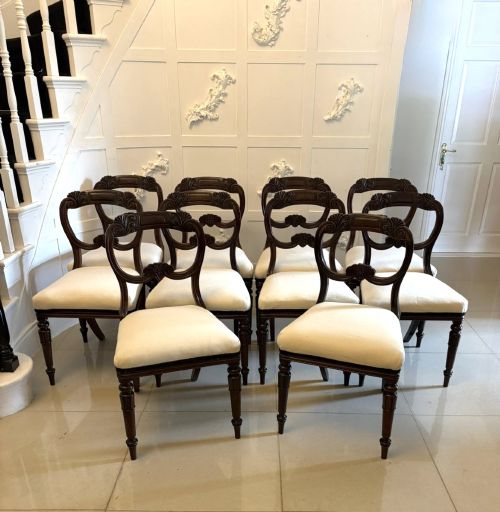
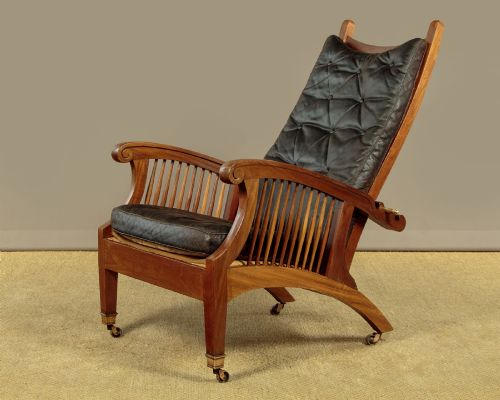
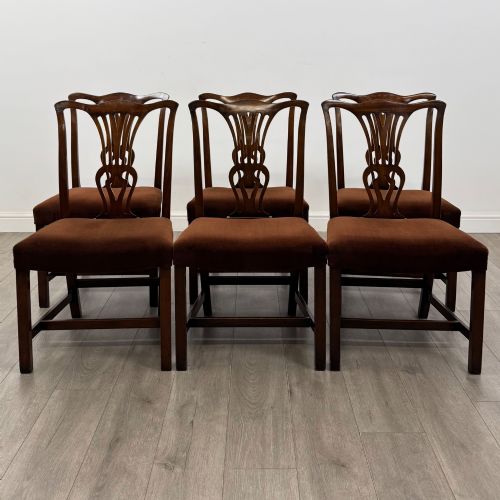
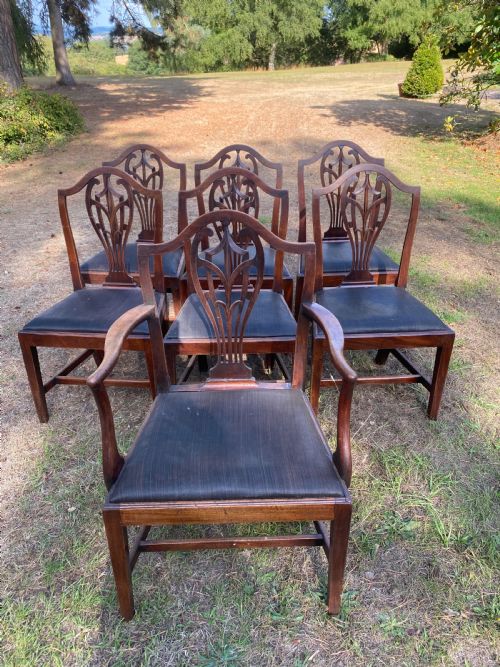
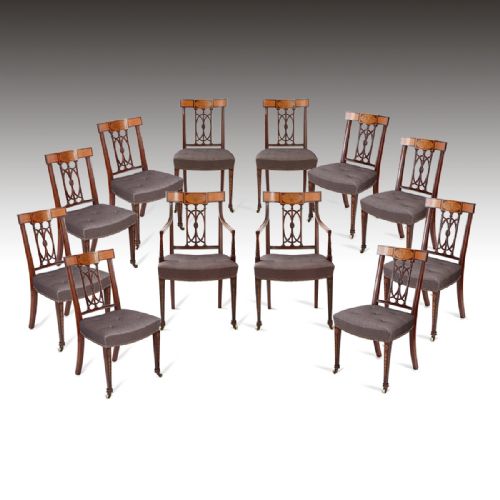
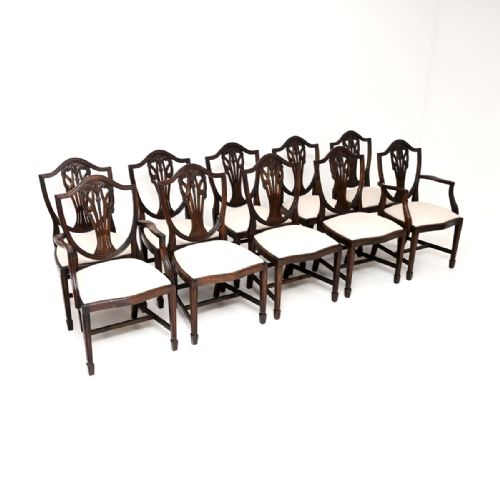
A dark brown mahogany chair encompasses seating forms ranging from formal dining sets to single desk chairs and library armchairs. When exploring a dark brown mahogany chair, buyers encounter various expressions of craftsmanship rooted in eighteenth-century and nineteenth-century traditions.
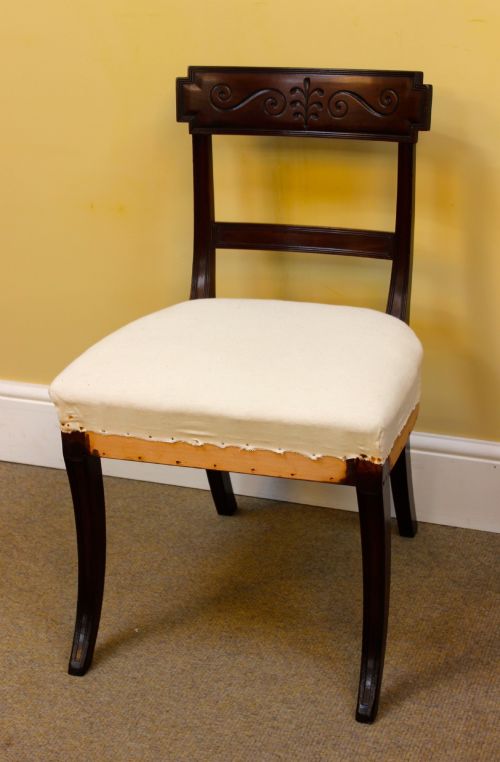
The selection extends from single hall chairs and revolving office seats to large sets of dining chairs intended for formal interiors. Many pieces reflect revival aesthetics, drawing directly upon Georgian and Regency design idioms.
Origins span standard English domestic production as well as distinct regional variants, utilising dense tropical timber finished to a deep, warm hue. These seats serve both practical daily utility and traditional decorative display within period settings.
Materials and Construction
Construction relies heavily on dense mahogany timber, selected for its strength and capacity to take a deep, dark brown polish. Secondary materials such as cane, brass, leather, and various fabrics appear across seats and upholstery.
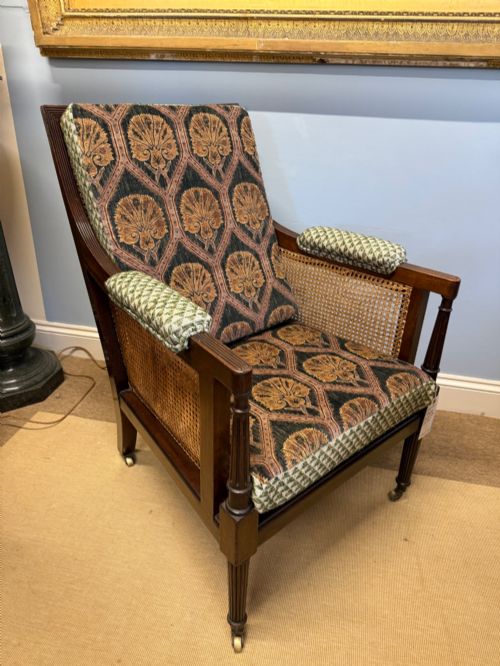
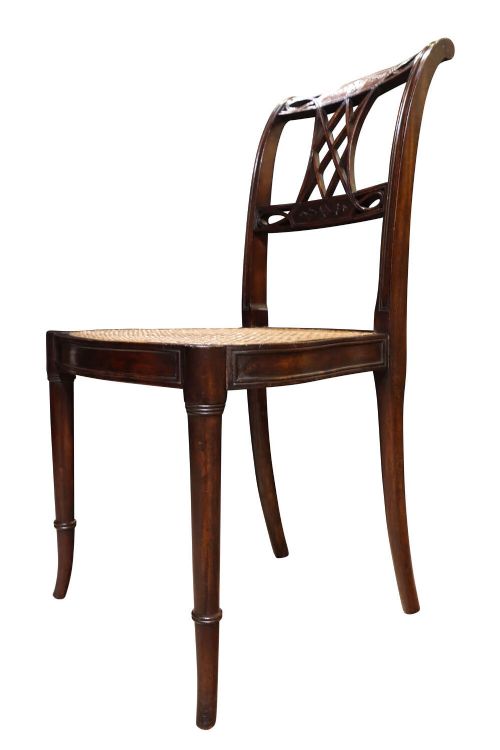
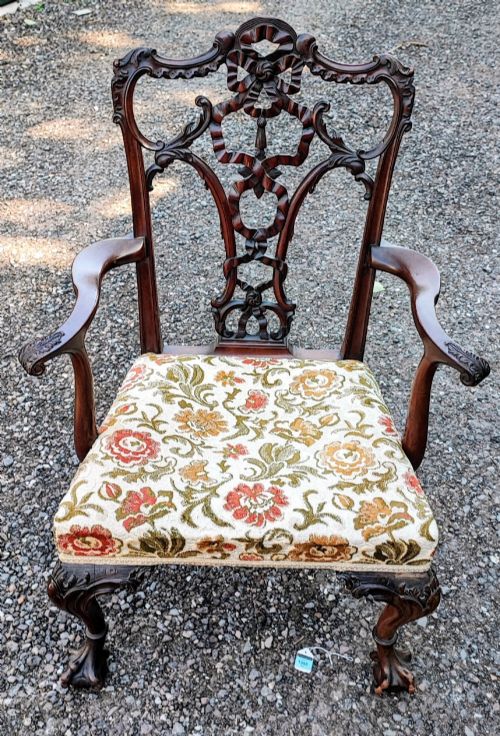
Joinery techniques involve traditional mortise and tenon frames, supplemented by carved decorative details on splats, legs, and rails. Caned panels and upholstered squabs are integrated directly into wooden frameworks.
Among the seating forms, an unexpected spinning chair waits quietly to test one's balance.
Assessing Quality and Execution
Quality rests in the crispness of timber carving, the structural integrity of the frame joints, and the selection of figured mahogany veneer or solid wood. Finer examples display meticulous attention to proportion and balanced decorative motifs across the backrest and legs.
The degree of preservation in original elements, such as canework, leather inserts, or structural fixings, distinguishes standard utility pieces from exceptional cabinetmaker work.
The Dark Brown Mahogany Chair Glossary
- Carver
- An armchair, usually designed to sit at the head or foot of a dining table alongside matching side chairs.
- Bergère
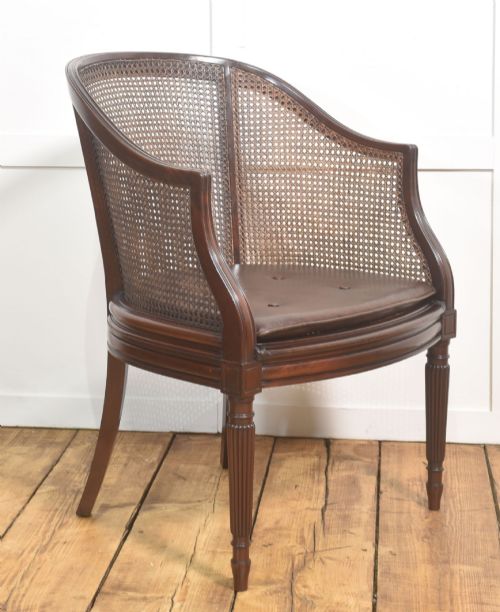
- An enclosed upholstered armchair with wooden framing, often featuring cane panels to the back and sides.
- Shield Back
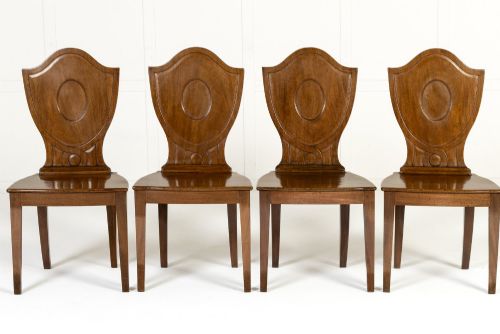
- A chair back design shaped in the form of a heraldic shield, popular in late eighteenth-century furniture.
- Hall Chair
- A rigid wooden seat, frequently un-upholstered, intended for placement in an entrance hallway and often featuring a painted or carved crest.
Dark Brown Mahogany Chair: Frequently Asked Questions
How do I date a mahogany chair?
Dating relies on examining the construction methods, tool marks, and specific stylistic traits associated with periods like the Georgian era or the Victorian age. Secondary woods used in the frame can also offer clues regarding the geographical origin and era of manufacture.
Changes in upholstery techniques and hardware provide further chronological indicators for pieces altered or built during the nineteenth and early twentieth centuries.
Are mahogany dining chairs sturdy enough for daily use?
Solid mahogany frames possess inherent structural strength, making well-maintained antique chairs entirely suitable for regular seating. Joints that remain tight and dry will withstand daily dining room activity.
Periodic checks of the underframe and professional tightening of loose joints ensure these chairs endure modern domestic demands without sustaining damage.
What is the difference between a side chair and a carver?
A side chair is built without arms, allowing several to fit neatly alongside a dining table or against a wall. A carver includes armrests, typically serving as the head-of-table seating.
Sets from the eighteenth and nineteenth centuries frequently combine both forms, supplying a matching pair of carvers alongside multiple armless side chairs.
How should I care for the wood finish?
Maintaining the surface involves dusting regularly with a soft, dry cloth and avoiding placement near direct heat sources or strong sunlight. Applying a quality wax polish occasionally nourishes the timber and preserves the rich brown tone.
Excessive moisture should be kept away from both the polished mahogany and any integrated leather or fabric upholstery.