



Traditional Library Furniture
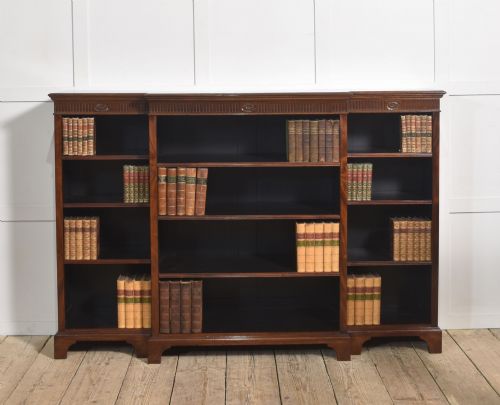
Traditional library furniture comprises substantial mahogany and oak bookcases, partner desks, and clever steps designed for serious study.
Traditional Library Furniture
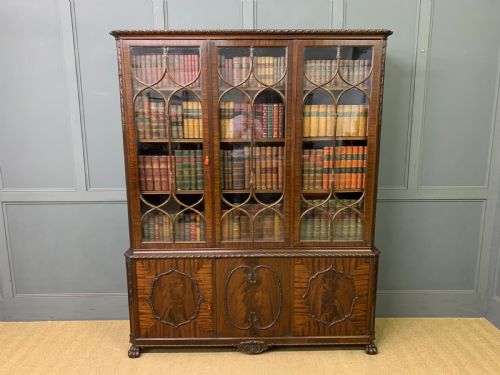
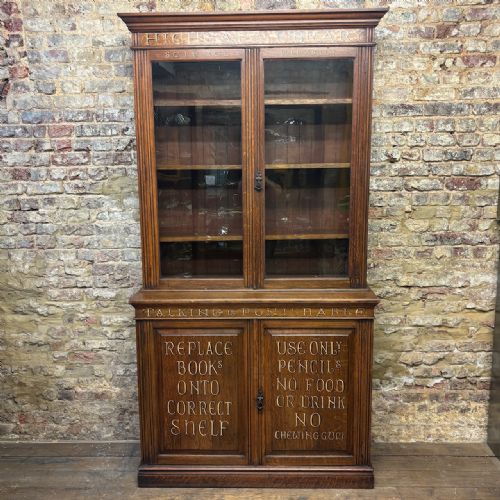
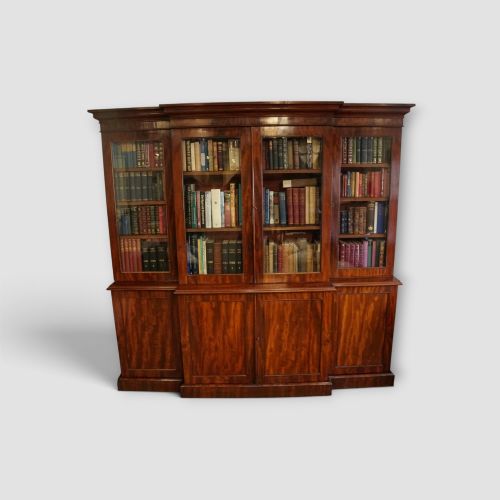
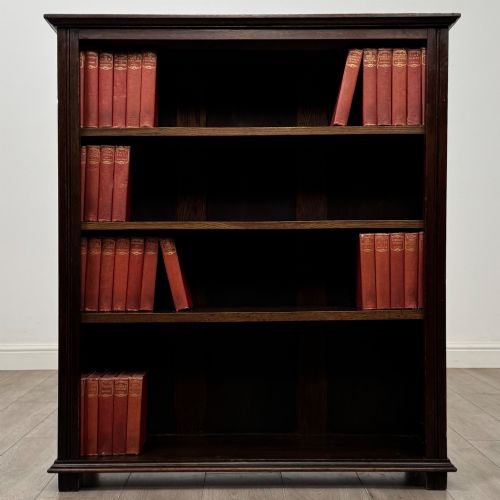
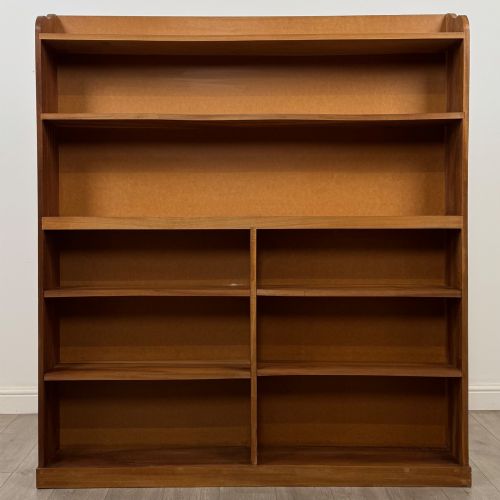
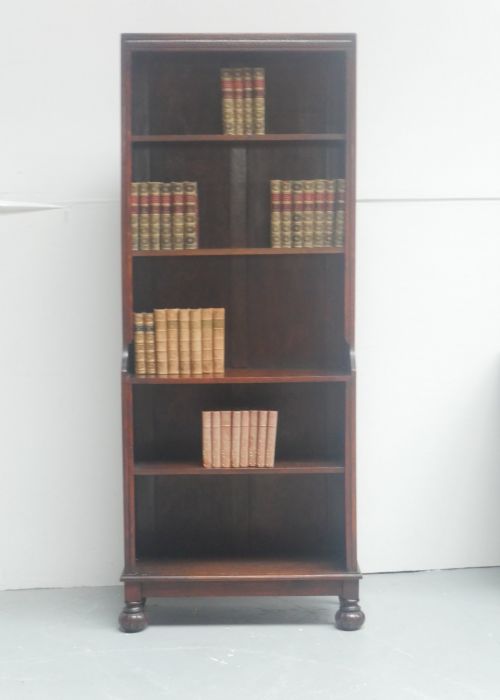
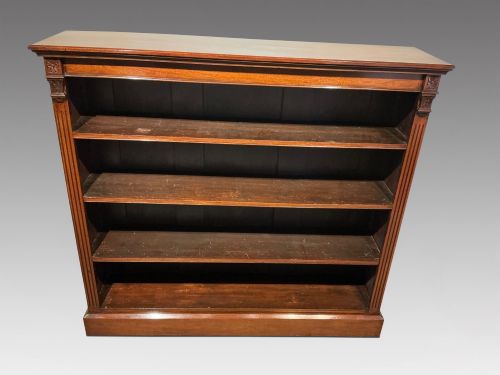
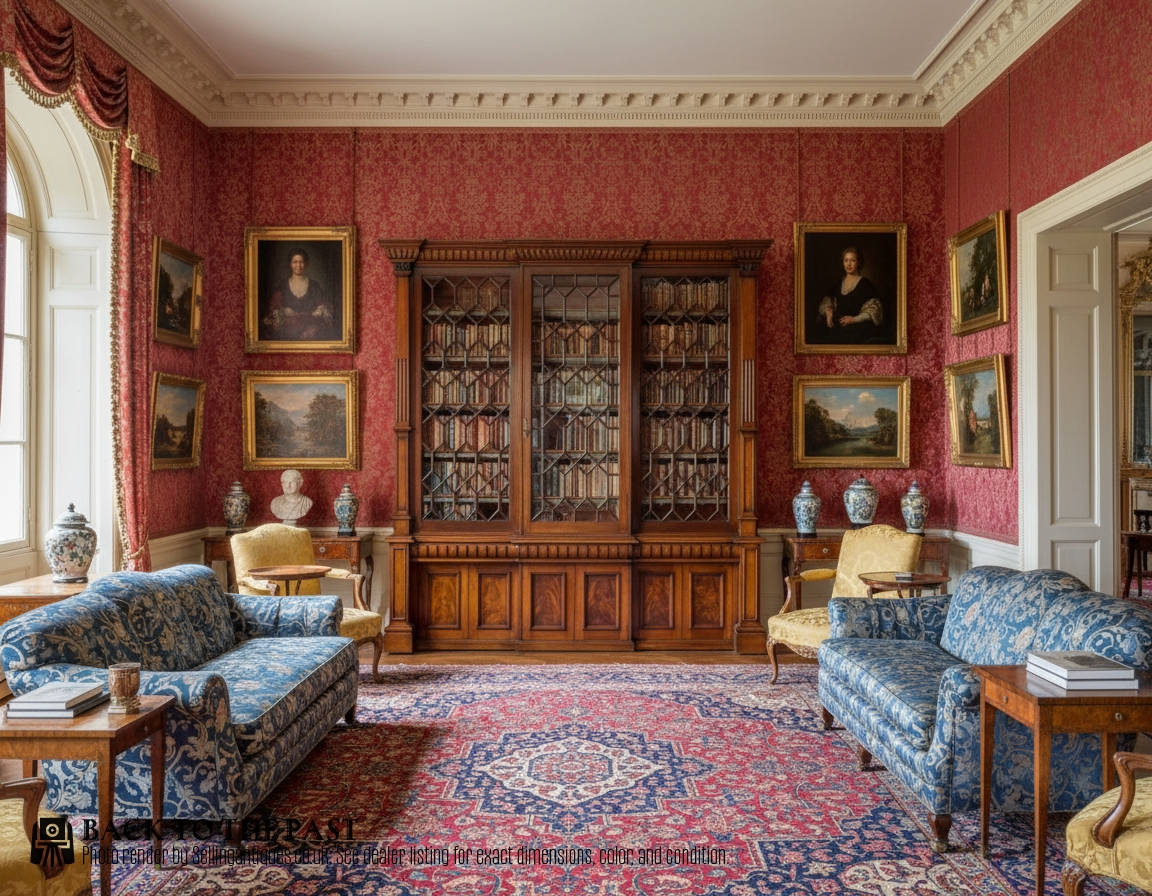
Traditional library furniture spans bookcases, partner desks, and library steps built to organise and service a substantial personal collection of books. The pieces encountered on this page range from compact Edwardian open oak bookcases to large Regency breakfront library bookcases in mahogany. These items served a practical function in private studies and institutional rooms alike.
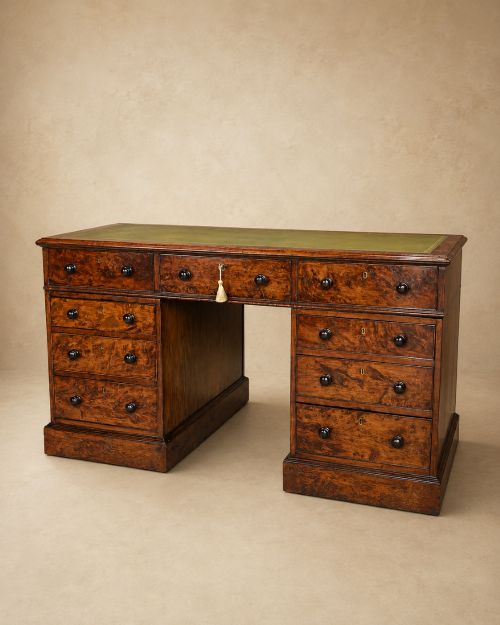
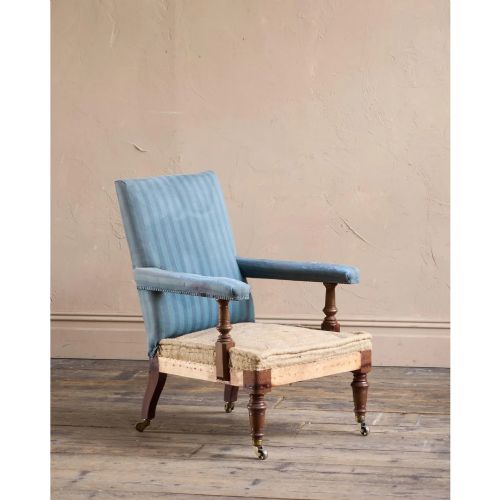
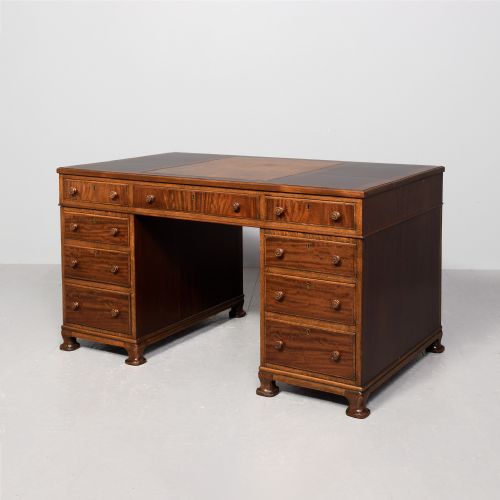
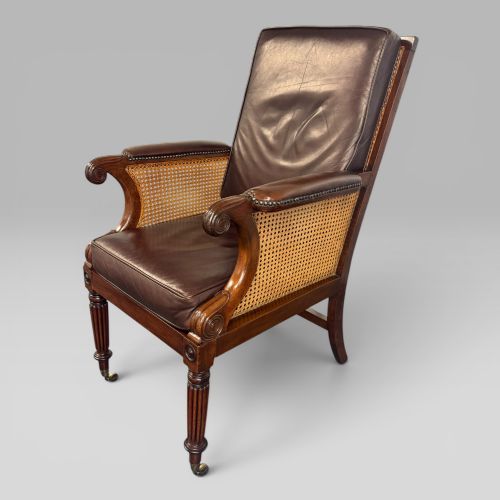
Bookcases form the core of traditional library furniture, appearing in both glazed and open formats with adjustable shelving. Desks are typically large partner models or writing tables with leather inserts, designed to accommodate papers on multiple sides. Auxiliary items such as caned bergère armchairs and folding library steps complete the room.
The materials and styles reflect the periods of manufacture, notably the Victorian, Edwardian, and Regency eras. Mahogany and oak dominate the selection, accompanied by walnut and occasional ebony. Buyers encounter pieces from the nineteenth and early twentieth centuries built for domestic and institutional libraries.
What varies in quality
The choice of timber and veneer determines the visual presence of a piece, with figured mahogany or burr walnut marking the higher tier of cabinet making. Selection of straight-grained oak or standard mahogany represents more utilitarian production, often found in school or institutional pieces.
Scale and proportion separate standard furniture from ambitious pieces designed for grand residences. Large breakfront proportions, fine brass detailing, and integrated adjustable shelving systems indicate superior craftsmanship and thoughtful original commissioning.
The reputation of the workshop or maker influences the standing of individual pieces. Branded or attributed items from established cabinet makers demonstrate a higher grade of internal construction and finishing than unsigned workshop furniture.
Traditional Library Furniture Retail Price Guide 2026
Typical asking prices for traditional library furniture among the pieces listed under this phrase on Sellingantiques today, from the lower quarter to the upper quarter. They describe what is for sale here now, not the wider market.
Materials recorded across the inventory include mahogany, oak, walnut, burr walnut, brass, leather, glass, and cane.
Trollope and Sons·Morison and Co·Whytock and Reid of Edinburgh·Waring and Gillows
The Traditional Library Furniture Glossary
- Partners desk
- A large double-sided desk designed for two people to work opposite one another, typically featuring drawers and cupboards on both elevations.
- Breakfront
- A cabinet or bookcase whose central section projects forward from the flanking sections, creating a pronounced architectural façade.
- Bergère
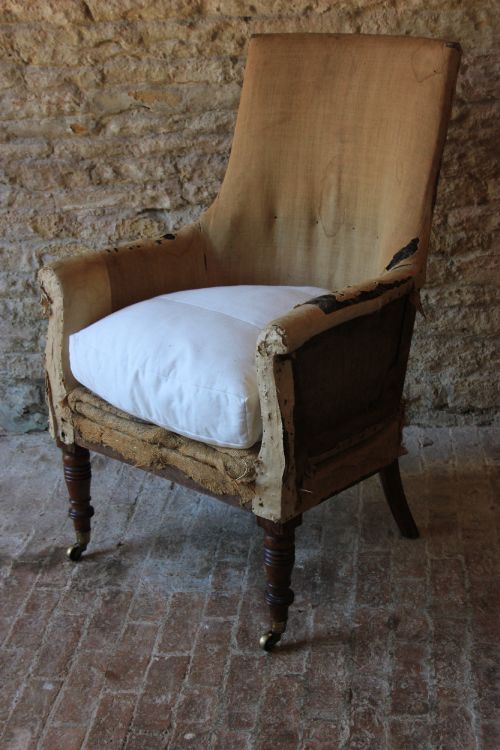
- An enclosed upholstered armchair with solid sides, often featuring cane work panels on the back and arms.
- Library steps
- Portable wooden steps, frequently folding into the form of a table or chair, used to reach high bookshelves.
- Caning
- Woven rattan material used to form resilient panels for chair seats and chair backs.
Traditional Library Furniture: Frequently Asked Questions
What is a partners desk?
A partners desk is a large double-sided desk built so two people can sit opposite each other and work independently. These desks feature drawers and cupboards accessible from both sides.
They were traditionally used in studies and offices where two colleagues or professionals needed shared workspace.
How do I use library steps safely?
Library steps provide stable access to high shelves through sturdy wooden A-frame or folding designs. Many historical examples double as chairs or tables when not in extended use.
Ensure the locking mechanisms or folding hinges are fully engaged before climbing.
What wood is best for a bookcase?
Mahogany and oak are the most durable timbers used for traditional bookcases, providing the strength needed to hold heavy rows of books without sagging. Walnut also appears frequently for finer decorative finishes.
Oak offers a robust, traditional grain while mahogany provides a darker, denser structure.
How do I care for leather desk tops?
Leather writing surfaces require gentle cleaning with a slightly damp cloth followed by a suitable leather conditioner to prevent drying and cracking. Avoid using harsh chemical cleaners or excess water.
Keeping leather moisturised preserves the gold tooling and supple texture.