

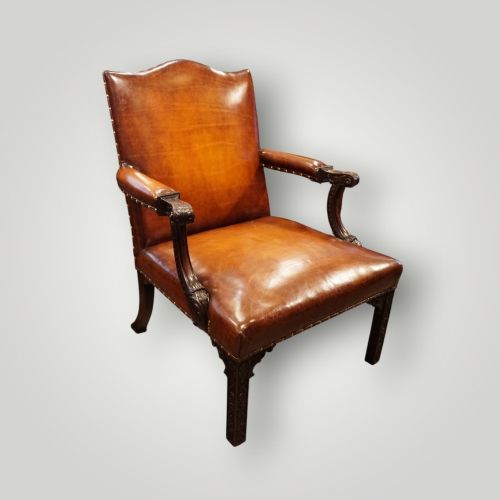
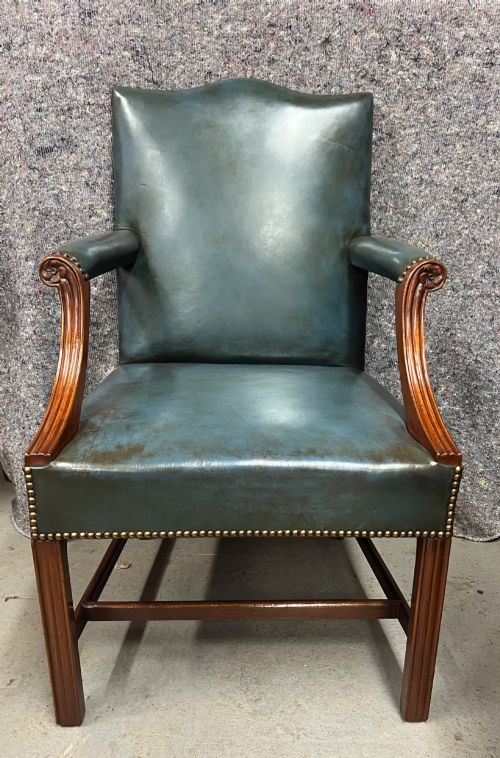

Traditional Library Desk Chair
A traditional library desk chair grounds a study with solid timber and hide, offering the support needed for long hours of reading.
Traditional Library Desk Chair
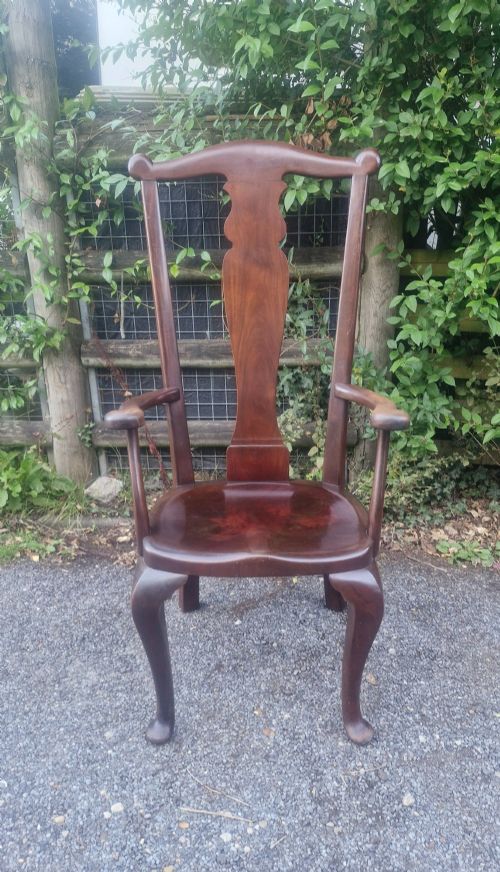
A traditional library desk chair brings together several distinct historical forms designed for sitting at tables and writing desks. Buyers search for this phrase when they want a sturdy armchair with upholstered or cane seating suited to a study or office.
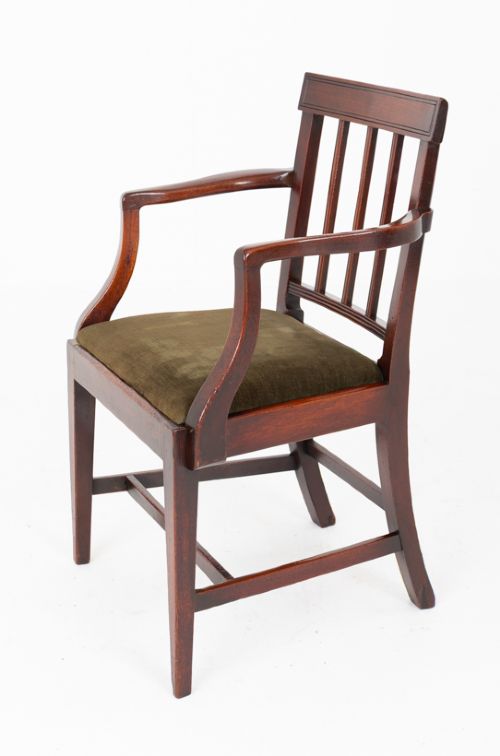
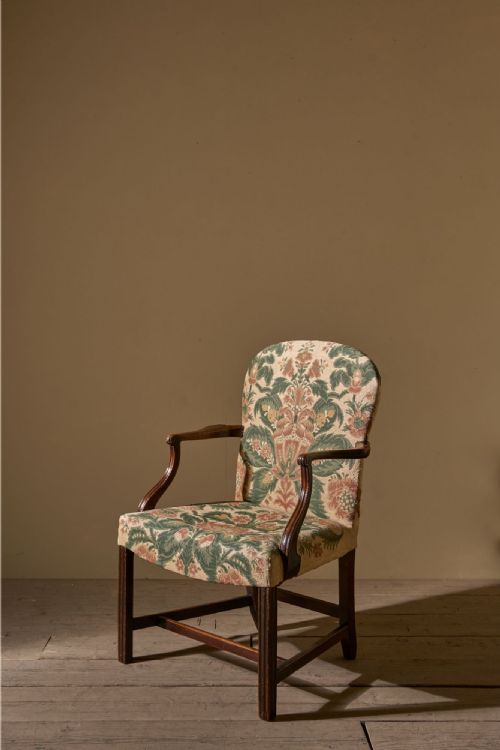
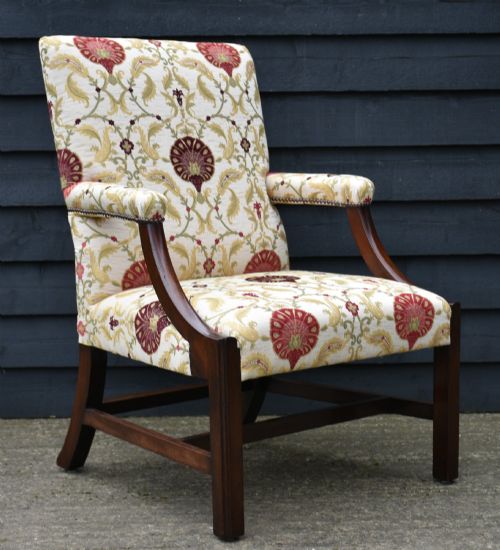
The pieces on this page span the Georgian, Victorian, and Edwardian eras, alongside later revival styles from the early twentieth century. Common formats include open armchairs, Gainsborough chairs with upholstered backs, and low-slung captain's chairs made for writing.
Mahogany predominates among the surviving timber frames, often accompanied by oak, walnut, ash, and beech. Makers built these chairs to anchor domestic libraries and administrative rooms, using durable construction that still serves daily use today.
Assessing the Pieces
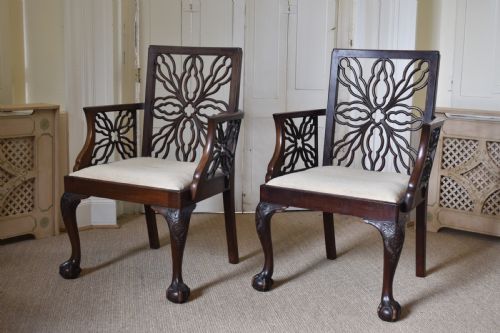
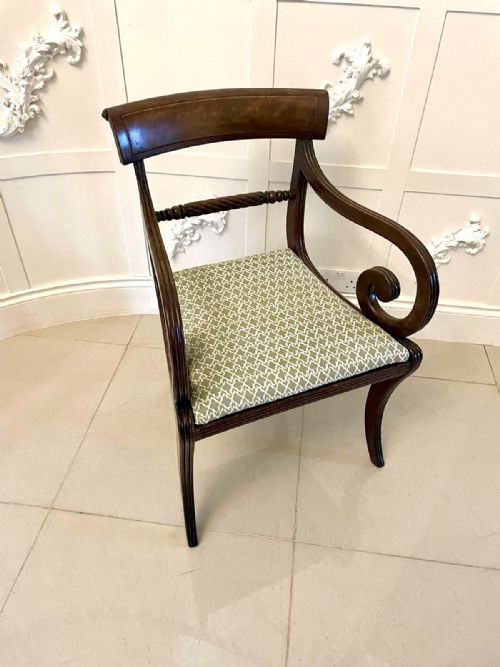
Quality rests on the crispness of the timber carving and the architectural proportion of the frame. Superior examples display carefully selected mahogany grain and balanced arm scrolls that reflect thoughtful proportion rather than hasty production.
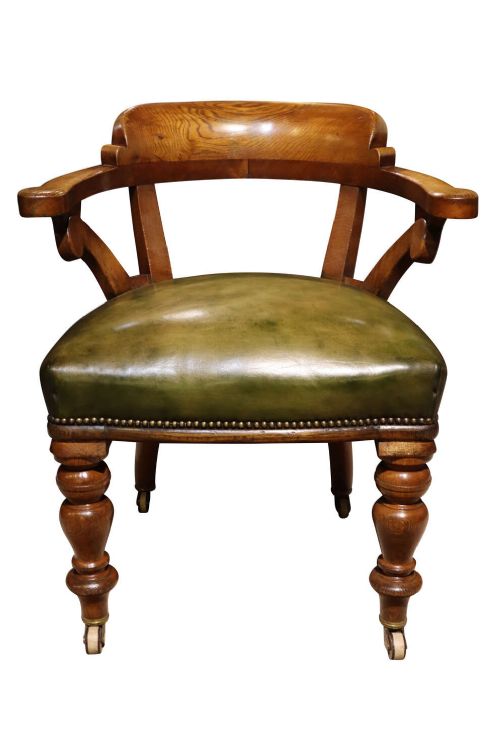
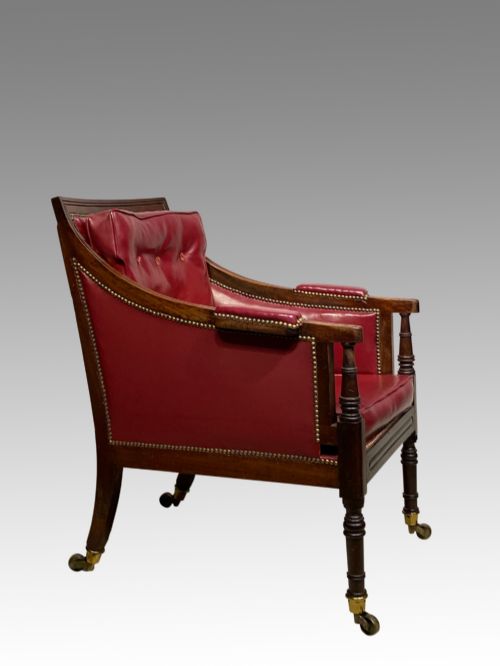
The treatment of the upholstery also divides standard examples from exceptional ones. Hand-dyed English hide and traditional stuffing methods yield a tactile depth that machine-finished modern replacements cannot replicate.
Listings here feature mahogany, oak, walnut, and ash frames paired with leather, fabric, and cane seating across multiple historical periods.
The Traditional Library Desk Chair Glossary
- Gainsborough chair
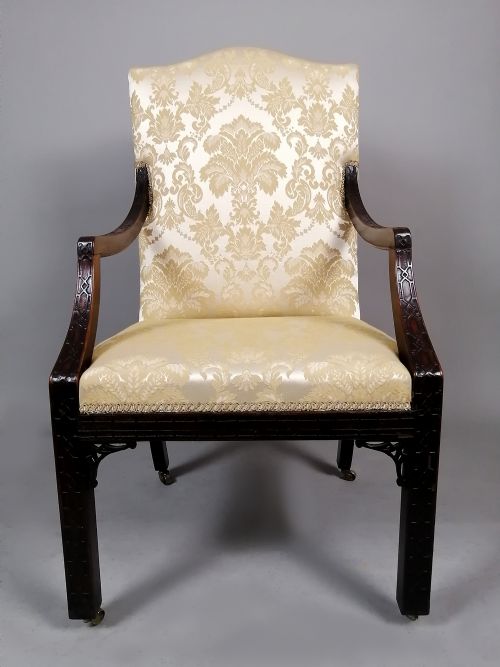
- A wide, upholstered armchair with an open frame and low arms, designed in the mid-eighteenth century for sitting comfortably while writing.
- Bergère
- An enclosed upholstered armchair with wooden framing and woven cane panels along the back and sides.
- Captain's chair
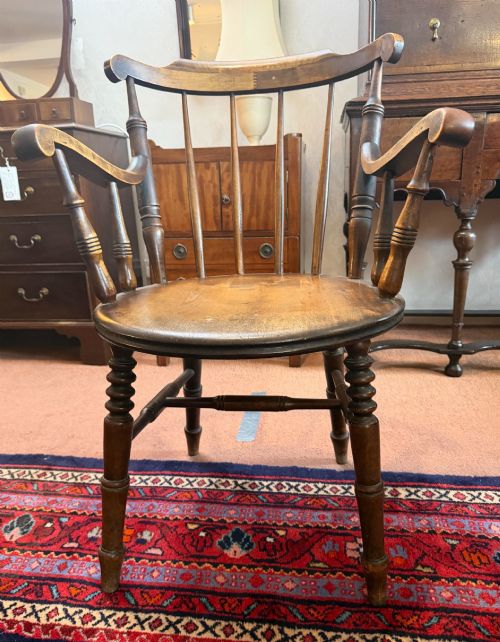
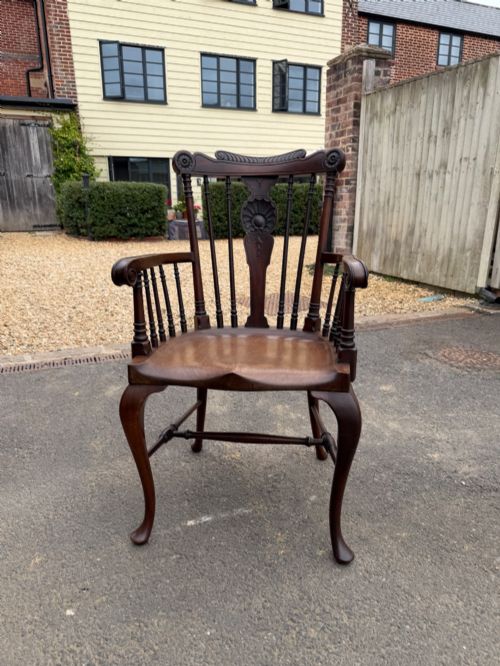
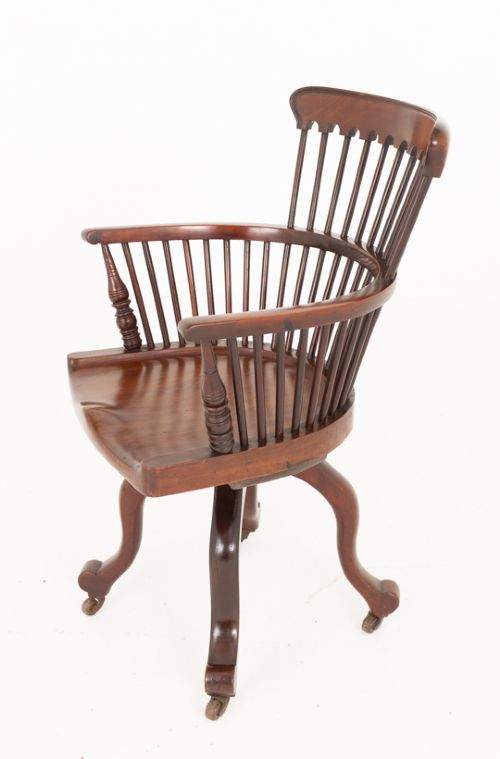
- A sturdy wooden armchair, often featuring a rounded spindle back and a solid saddle seat, suited for office or library work.
- Smoker's bow
- A low wooden armchair with a turned spindle back and a curved arm rail, related to the traditional Windsor chair.
- Reeded
- A decorative moulding consisting of parallel convex rows carved directly into the wooden leg or arm support.
Traditional Library Desk Chair: Frequently Asked Questions
What is a traditional library desk chair?
These pieces are sturdy wooden armchairs designed for reading, writing, and administrative tasks in private libraries or studies. They typically feature upholstered seats in leather or fabric and supportive wooden frames.
Most examples date from the Georgian period through the Edwardian era. Their primary purpose is to provide ergonomic comfort at a desk while adding formal presence to a room.
How were these chairs used historically?
Owners placed them beside large writing tables, in home libraries, or within private offices for daily correspondence. The padded leather seats and supportive armrests kept readers comfortable during long hours of study.
Over time, these chairs moved from formal estate libraries into domestic studies and professional chambers. Their enduring construction allowed them to withstand heavy daily use across generations.
How should I live with one today?
Position your chair at a traditional writing desk or use it as an accent piece in a study or living room. The sturdy timber frames and leather seats handle regular daily seating well.
Maintain the wood with appropriate furniture wax and treat leather surfaces with standard conditioning balms. Avoid placing them near direct heat sources to protect the historic timber and hide.
How do I tell different periods apart?
Georgian pieces often display refined mahogany carving and classic Chippendale influences, whereas Victorian examples tend to be heavier with darker finishes and buttoned leather. Edwardian items frequently revive earlier styles with lighter proportions.
Examining the grain of the wood, the style of the arm scrolls, and the method of upholstery fastening helps pinpoint the era of manufacture.