



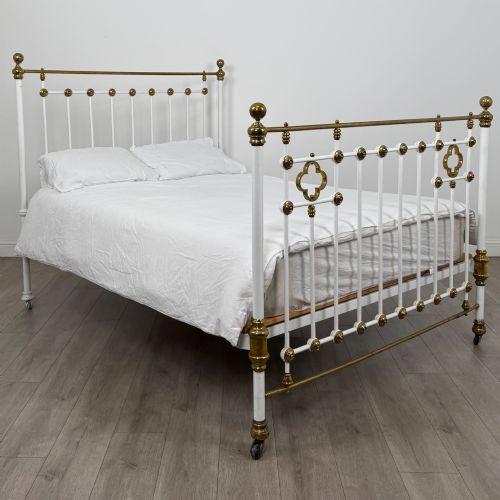
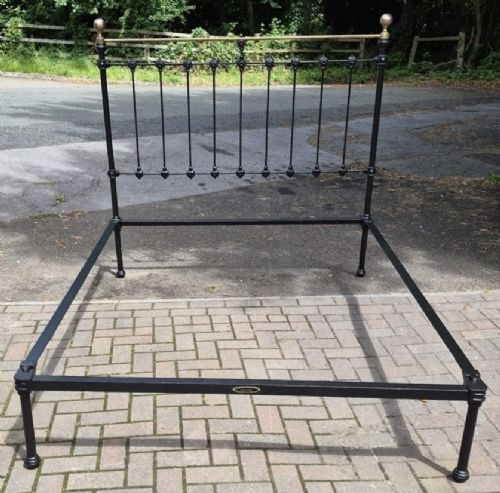
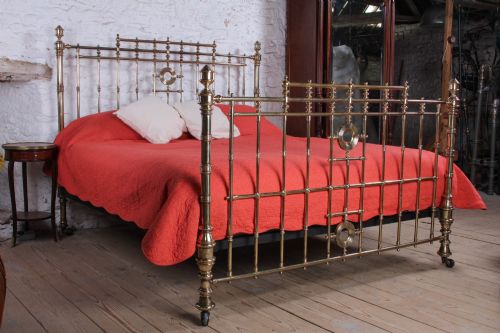
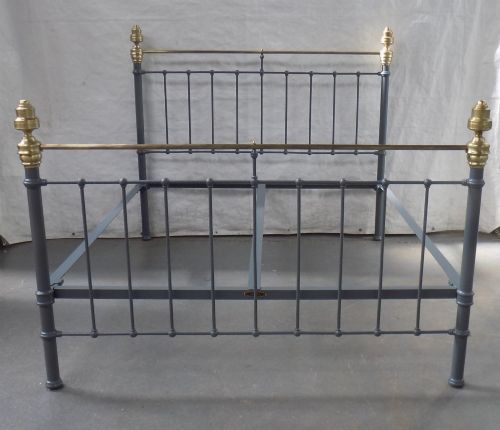
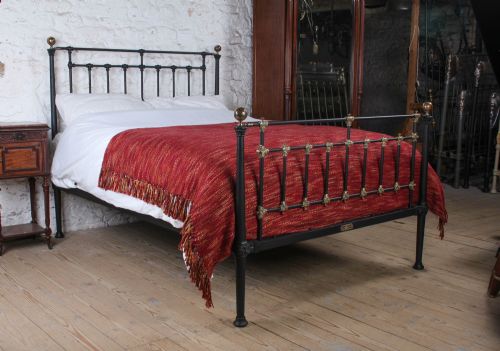
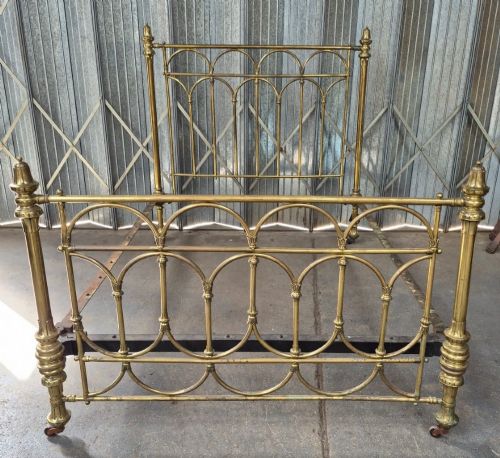
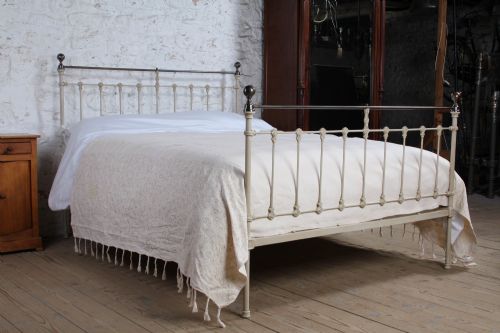
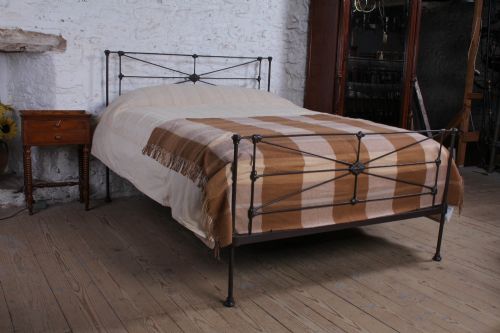
Traditional King Size Bedstead
A traditional king size bedstead brings substantial presence and period character to a bedroom through robust metalwork and generous proportions.
Traditional King Size Bedstead
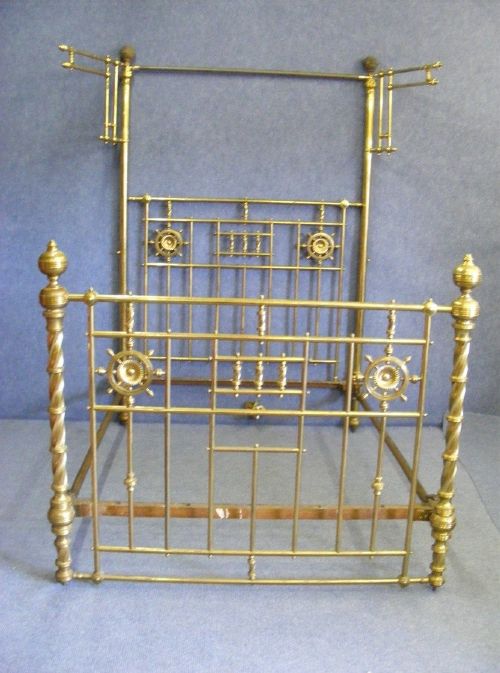
A traditional king size bedstead provides a generous sleeping platform underpinned by historic craftsmanship, spanning periods from the late nineteenth century through the early twentieth century. Buyers seeking a traditional king size bedstead encounter numerous examples originating from the Victorian and Edwardian eras, alongside pieces shaped in French Country and Gothic Revival styles.
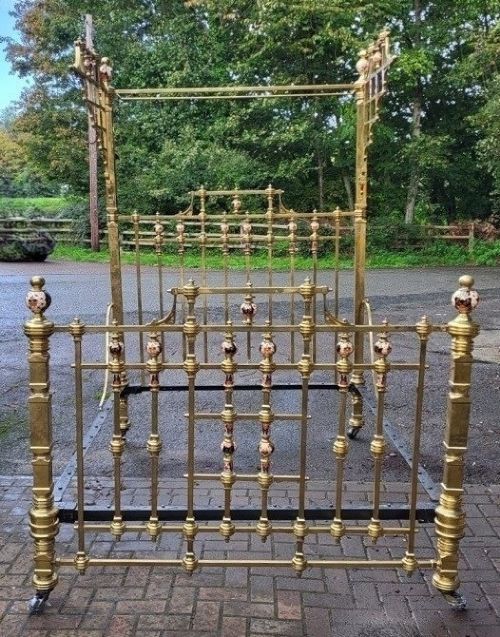
The physical presence of these pieces relies on substantial frames designed to accommodate larger mattresses while maintaining classic architectural lines. Common formats include half tester structures, low end variants, and no end configurations that offer unobstructed views across the room.
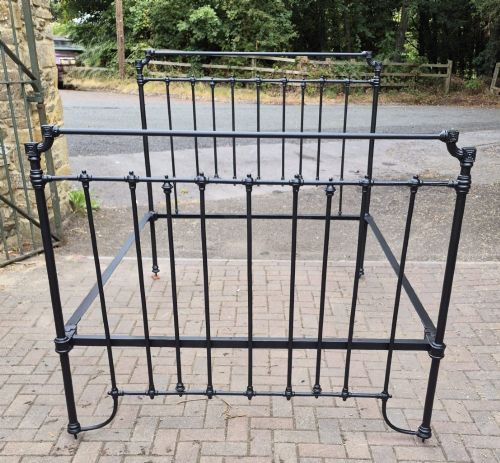
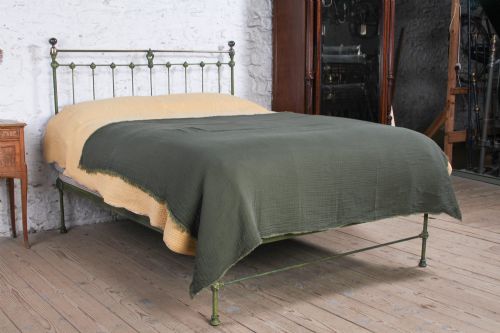
Materials span polished brass, cast iron, wrought iron, and occasional timber constructions in oak, walnut, and mahogany. These beds bridge historical scale with modern sizing requirements, accommodating standard wider mattresses within authentic period frameworks.
How they were made
Makers constructed these frames using combinations of heavy cast iron for structural integrity and gleaming brass for decorative finials, corner mounts, and rails. Iron components were frequently painted in ivory or dark finishes, while brass elements received polished or lacquered treatments to preserve their metallic lustre.
Advanced foundry techniques of the nineteenth century allowed artisans to produce intricate decorative castings, tapered posts, and elaborate joints that screwed together securely. Timber alternatives utilised traditional joinery, incorporating carved mahogany, oak, and maple panels assembled with precision.
Some Irish iron beds come with ribbon reeds and delicate spindles designed to make waking up slightly more cheerful.
What varies in quality
Quality in these large bedframes rests on the crispness of the brass and iron castings, the integrity of the original joints, and the weight of the metal utilised. Superior examples display sharply defined motifs, heavy-gauge tubing, and substantial decorative finials that remain firmly seated.
The distinction between standard production and exhibition grade work shows in the complexity of the design, such as ribbon reeds, applied ceramic details, and sophisticated framing like half testers. Original components and complete hardware enhance the structural reliability of the bed.
Winfield·Maple and Co·James Shoolbread and Co
The Traditional King Size Bedstead Glossary
- Half tester
- A canopy bed style where a partial tester extends only partway over the head of the bed, often supporting draped fabric. This configuration adds vertical drama without overwhelming smaller rooms.
- Dip-rail
- A top rail on the foot or headboard that curves downward in the centre, creating a softer silhouette. This shaping was popular in Edwardian and late Victorian designs.
- Finial
- A decorative ornamental piece screwed or fitted to the top of bed posts. They range from simple brass knobs to elaborate cast brass urns.
- No end
- A bedstead design featuring a headboard but lacking a high footboard, creating an open appearance that suits compact spaces. These frames are sometimes referred to as low end or bedframes without a raised base.
- Castings
- Shaped metal components poured into moulds, used extensively on nineteenth-century iron and brass beds to form decorative joints and ornamentation. Detailed castings indicate higher workshop standards.
Traditional King Size Bedstead: Frequently Asked Questions
Will a modern king mattress fit?
Many antique frames accommodate modern dimensions, though older iron and brass structures sometimes require minor adjustments to internal length or width.
Buyers should verify internal rail measurements against their specific mattress size before final placement.
How do I assemble these beds?
Most metal bedsteads utilise a dovetail or iron wedge system where side rails slot directly into the head and footboard posts.
Securing these joints typically requires a rubber mallet to tap the wedge connections firmly into place without damaging the metal finish.
Are brass components solid or plated?
Victorian and Edwardian brass elements generally consist of heavy brass tubing fitted over iron cores or feature solid brass castings for decorative joints.
This method provided both structural strength and the appearance of solid metal without excessive weight.
How do I clean brass and iron?
Painted iron surfaces benefit from gentle dusting and occasional cleaning with a mild damp cloth, avoiding harsh chemical solvents.
Brass elements can be maintained with non-abrasive metal polishes if unlacquered, or simply wiped clean if a protective historic coating remains intact.