


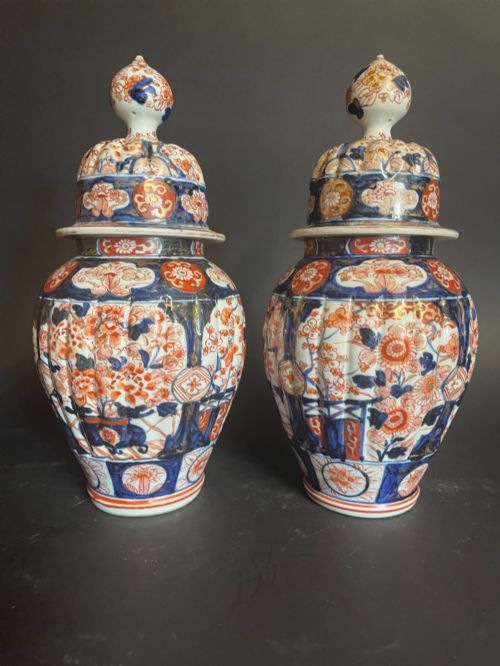

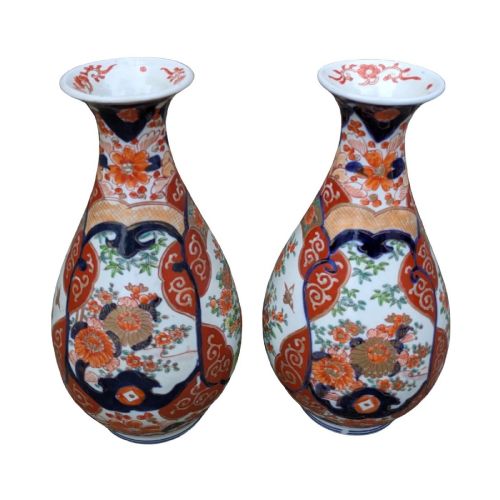


Traditional Japanese Porcelain Pair
These traditional japanese porcelain pair selections bring symmetry and rich historical character to a room.
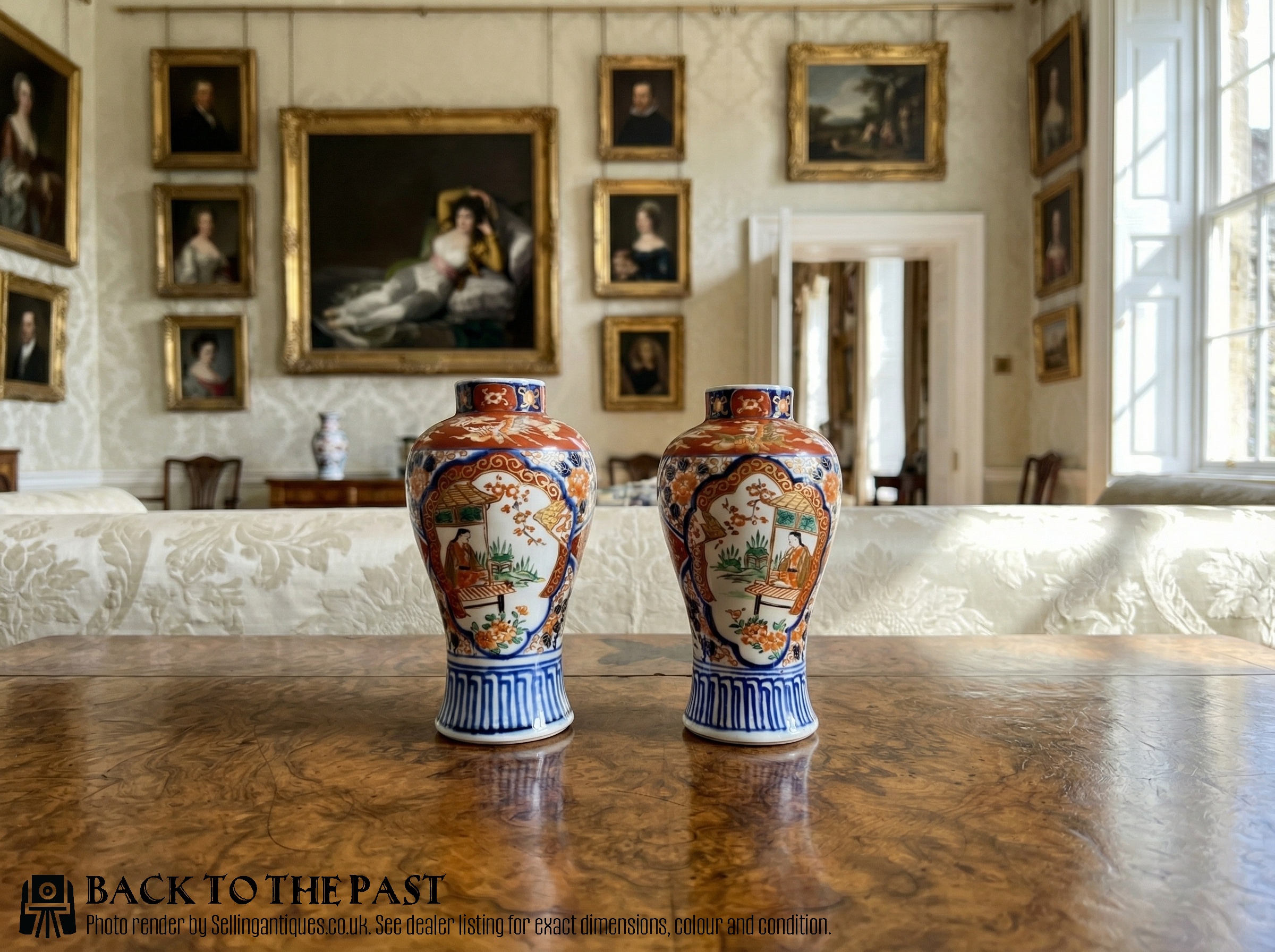
Traditional Japanese Porcelain Pair
A traditional japanese porcelain pair comprises matched vessels created in Japan, frequently taking the form of vases, chargers, plates, jars and lamps. These items reflect distinct historical eras including the Edo and Meiji periods alongside the eighteenth, nineteenth and early twentieth centuries.
Buyers exploring a traditional japanese porcelain pair encounter forms such as baluster vases, lidded jars and decorative plates. Imari styling dominates the available choices, supplemented by Satsuma, Kutani and Arita wares.
Most entries originate from the nineteenth and early twentieth centuries, particularly around nineteen hundred, while eighteenth-century examples also appear. These objects serve both decorative display and functional lighting when converted into table lamps.
Materials and production methods
Makers shaped these items from ceramic and porcelain bodies, applying intricate glazes and hand-painted enamel details. Gold leaf and gilt additions frequently highlight the surface designs.
Certain pieces incorporate brass and fabric elements, particularly in adaptations created for table lamps. The combination of underglaze blue and iron-red enamel defines the traditional Imari aesthetic recorded in the listings.
Traditional Japanese Porcelain Pair Retail Price Guide 2026
Typical asking prices for traditional japanese porcelain pair among the pieces listed under this phrase on Sellingantiques today, from the lower quarter to the upper quarter. They describe what is for sale here now, not the wider market.
Listings feature porcelain, enamel, gold leaf, glaze, brass, fabric, gilt, and ceramic across the eighteenth, nineteenth, and early twentieth centuries.
Assessing quality in matched sets
Quality rests upon the precision of the hand-painted decoration and the balance between the two matched items. Superior examples display crisp enamel work and well-preserved gilding.
Scale and presence also differentiate the items, ranging from cabinet plates to exceptionally large floor vases and jars. The consistency of the porcelain body and the clarity of the glaze distinguish finer production.
Fukagawa porcelain·Arita Imari
The Traditional Japanese Porcelain Pair Glossary
- Imari
- A style of Japanese porcelain featuring a palette of underglaze blue, iron-red and gold, produced in Arita and exported through the port of Imari. This aesthetic remains the most common style found across the listings.
- Satsuma
- Earthenware or porcelain originating from the Satsuma province, typically decorated with finely detailed polychrome enamels and crackle glaze. These pieces often feature figurative scenes and gilt highlights.
- Kutani
- Japanese porcelain known for bold colour schemes and pictorial designs, frequently associated with the Meiji period. The palette often utilises strong greens, reds and golds.
- Baluster
- A vase shape with a rounded body that tapers toward the base and swells near the middle. This classic form appears frequently among the listed vases and jars.
- Charger
- A large decorative plate intended for display on a wall or a stand rather than for dining use. These items showcase expansive painted surfaces.
Traditional Japanese Porcelain Pair: Frequently Asked Questions
What is a traditional japanese porcelain pair?
A traditional japanese porcelain pair consists of two matching decorative vessels, such as vases, chargers or jars, created in Japan during periods like the Meiji or Edo eras.
These paired items were designed to display symmetrically on mantelpieces, cabinets or tables to create visual balance in a room.
How were these porcelain pieces used?
Historically, these items functioned primarily as decorative display pieces in homes, showcasing high levels of craftsmanship in their painted enamel and gilt designs.
In later periods, many of these vases and jars were adapted into table lamps while retaining their original ceramic bodies.
How do I tell Imari from Satsuma ware?
Imari porcelain is characterised by its distinctive palette of underglaze blue and iron-red, often accented with gold leaf on a hard white porcelain body.
Satsuma ware typically presents a crackle glaze with detailed polychrome enamels and heavy gilding, often featuring figurative or nature scenes.
What periods do these porcelain pairs date from?
The listings span several centuries, with pieces originating from the eighteenth century, the nineteenth century, and the early twentieth century up to nineteen twenty.
Meiji period productions and nineteenth-century examples appear most frequently among the available selections.