


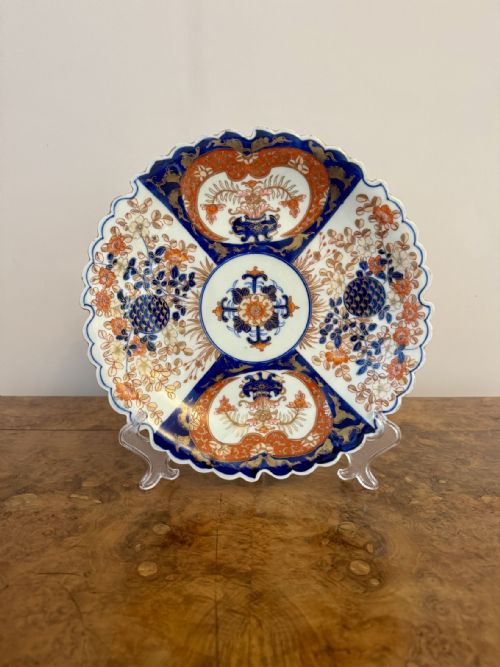


Traditional Japanese Charger
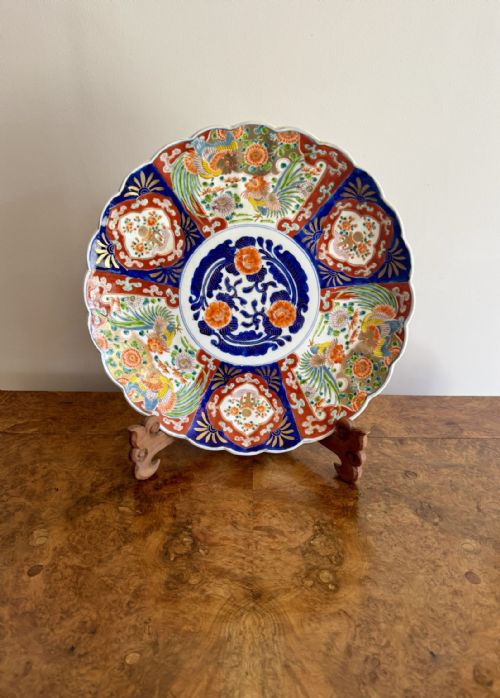
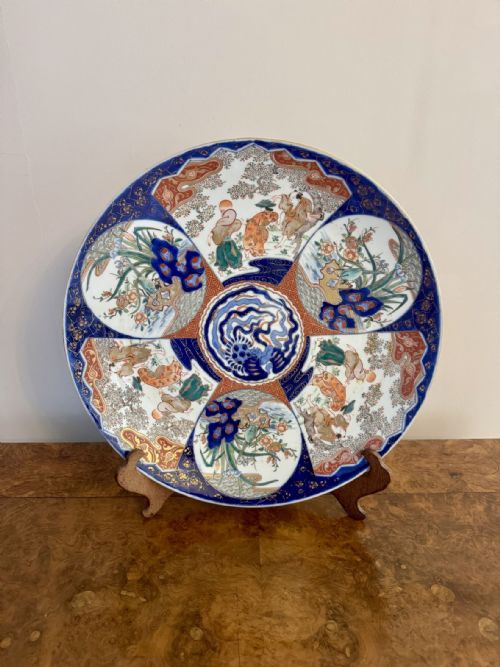
A traditional japanese charger brings rich cobalt blue and vibrant enamel decoration into a room, offering a striking display piece for any surface.
Traditional Japanese Charger
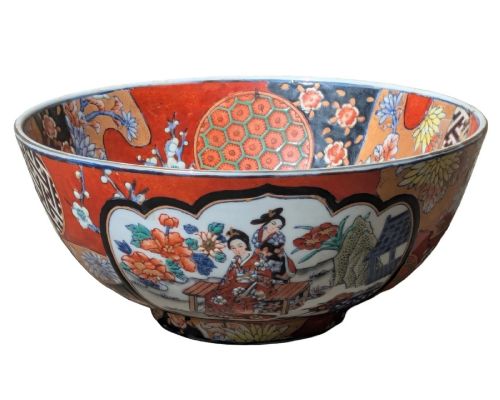
When you search for a traditional japanese charger, you encounter large decorative plates and platters that serve as focal points in a collection. These pieces range from substantial chargers to large plates and bowls suited for display.
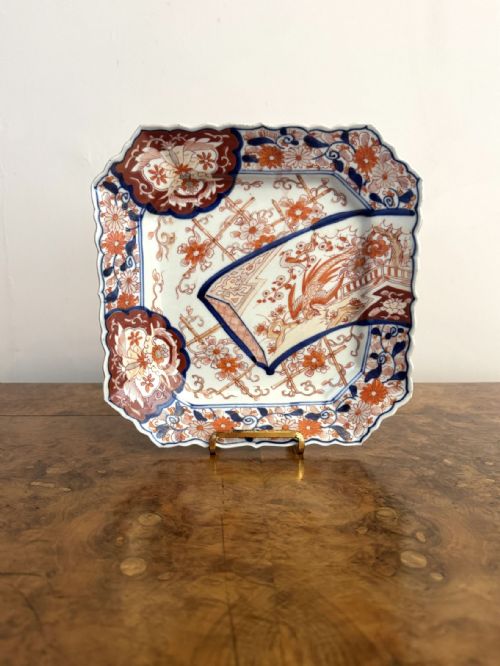
The selection on this page draws primarily from the Meiji period, Victorian eras, and the early twentieth century, alongside earlier examples from the seventeenth century and Edo period. Most items you meet here display the distinctive Imari style.
Forms vary from standard circular chargers to square shapes and scalloped edges, allowing collectors to find both single display plates and matched pairs or larger sets.
Materials and construction methods
These pieces are constructed from ceramic and porcelain, providing a sturdy white body that supports intricate surface decoration. Artisans applied cobalt underglaze to achieve deep blue tones beneath the clear finish.
Enamel and glaze layers added vibrant colour to the surfaces, whilst gold leaf and gilding provided metallic highlights. This combination of ceramic techniques created the dense, colourful patterns characteristic of Imari wares.
Many antique chargers spent decades crossing oceans inside wooden trade crates before finding quiet retirement on British sideboards.
Distinctions in craftsmanship
The standard of painting determines much of the visual appeal, separating hastily decorated commercial output from carefully articulated hand-painted designs. Finer examples display precise brushwork in the cobalt underglaze and enamel details.
The application of gilding and gold leaf also varies, with superior pieces retaining rich metallic lustre and balanced integration across the ceramic body.
The Traditional Japanese Charger Glossary
- Imari
- A style of Japanese porcelain decorated in underglaze blue, iron red, and gold, named after the port from which it was shipped to Europe.
- Charger
- A large decorative plate or platter traditionally used for ceremonial display rather than dining.
- Cobalt underglaze
- A blue pigment applied to the ceramic body before glazing and firing, yielding permanent colour beneath the glossy surface.
- Meiji Period
- The era in Japanese history spanning from 1868 to 1912, associated with a vast increase in export ceramics.
Traditional Japanese Charger: Frequently Asked Questions
What is a traditional japanese charger used for?
These large ceramic and porcelain dishes served primarily as decorative display items rather than utilitarian tableware. They were positioned on sideboards, tables, or walls to add colour and pattern to an interior.
Collectors today continue to display them on stands or hang them on walls to showcase the intricate painted designs.
How do I identify a Meiji period piece?
Meiji period chargers often exhibit the dense, colourful Imari palette combining cobalt blue, iron red, and gilt highlights on porcelain. The production reflects the surge in export wares created for Western markets during the late nineteenth and early twentieth centuries.
Examining the weight, the fineness of the underglaze work, and the style of the enamel decoration helps place an item within this era.
Are all traditional japanese chargers made of porcelain?
The majority of pieces encountered are formed from porcelain or ceramic materials designed to hold detailed glazes and enamels securely. These substances provided the smooth white ground necessary for traditional painting techniques.
Variations in the clay body exist between earlier seventeenth century items and later Victorian or twentieth century examples.
How should I display a charger safely?
Displaying a large charger requires a stable stand designed to support the weight and depth of the ceramic plate safely. Wall mounting systems should use properly rated brackets that cradle the rim without putting stress on the body.
Keeping the piece away from direct sunlight and heavy traffic areas protects the enamel and gilding from accidental damage.