

Traditional High Back Armchair
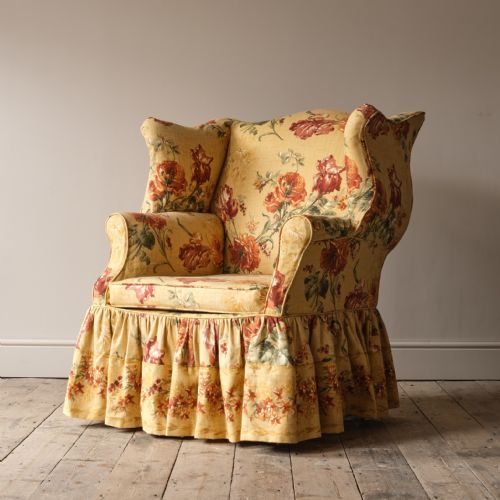
A traditional high back armchair offers substantial support and historic character, grounding a room with centuries of British seating design.
Traditional High Back Armchair
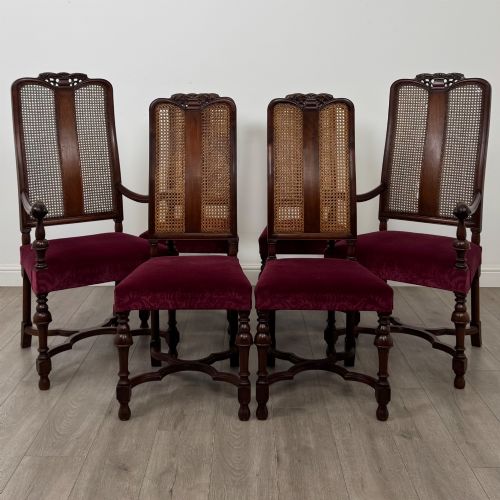
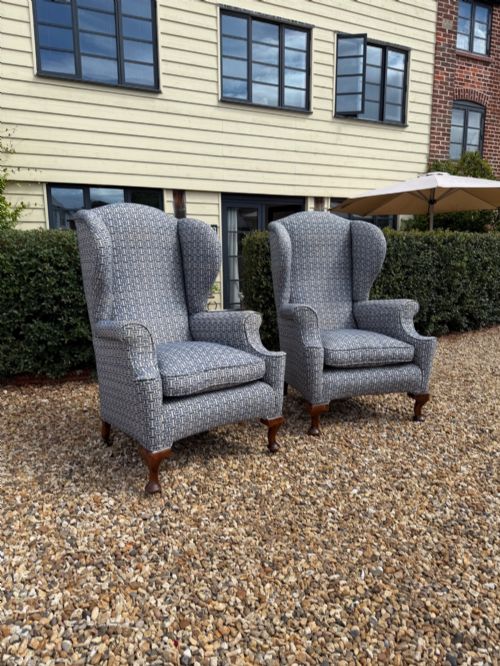
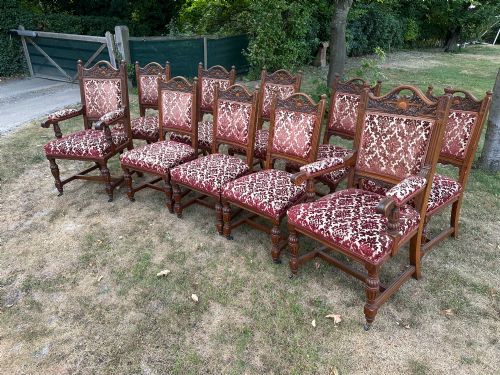
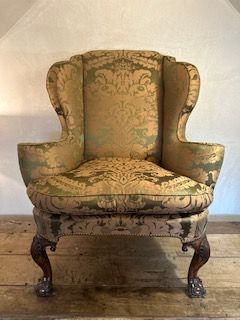
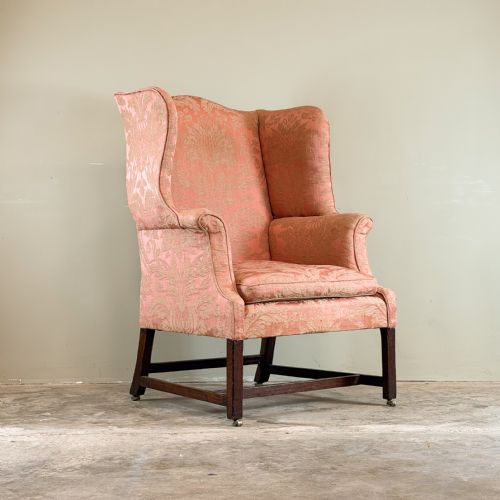
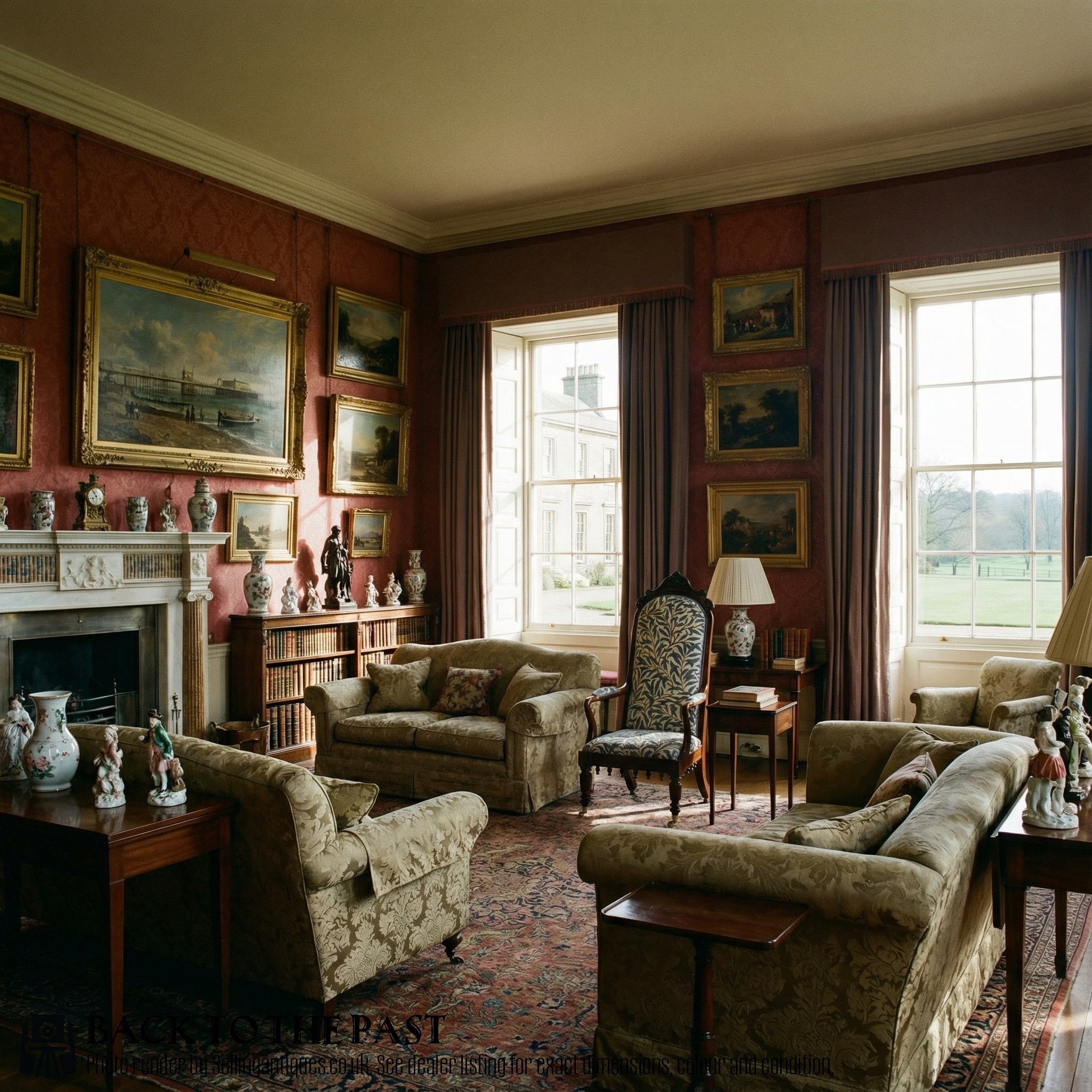
A traditional high back armchair combines timber frames and upholstered wings or tall wooden spindles to support the head and shoulders. These pieces descend from Georgian, Victorian, and Edwardian domestic interiors where draughty rooms demanded high barriers against the cold.
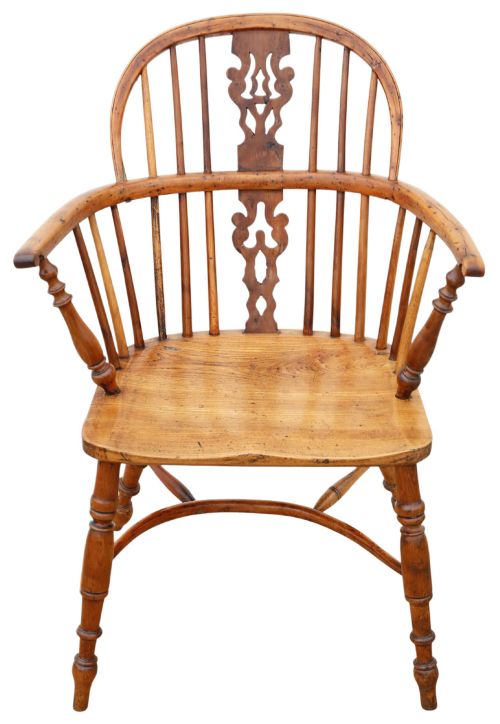
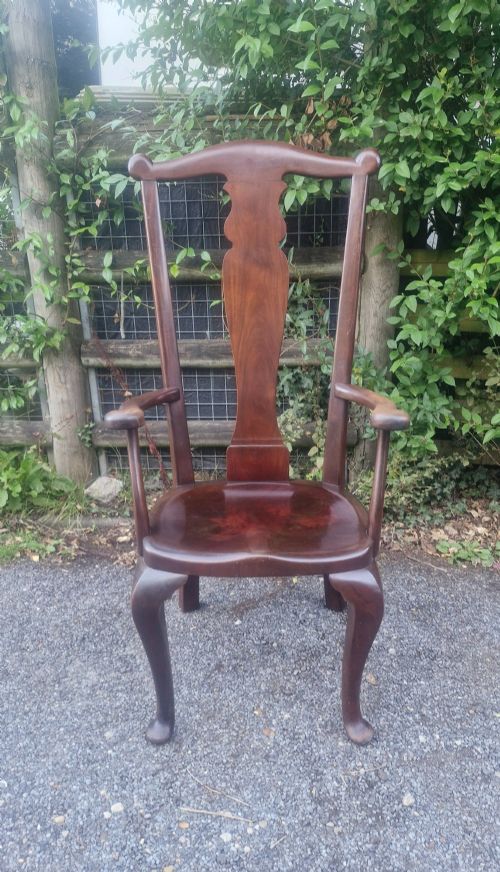
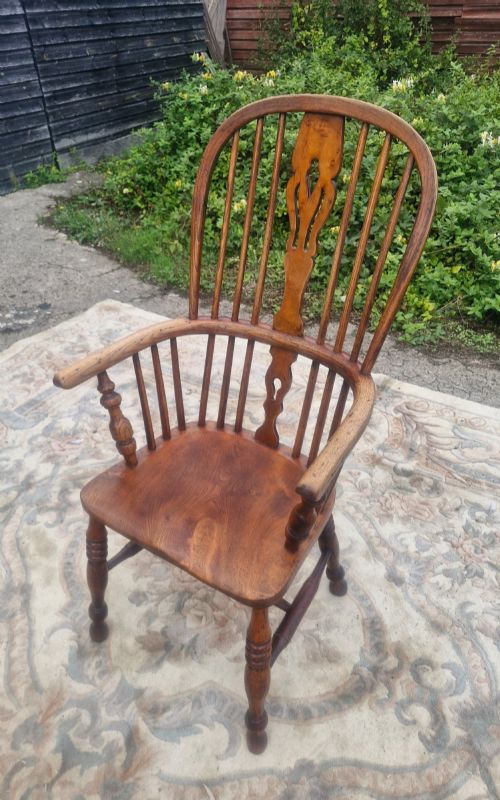
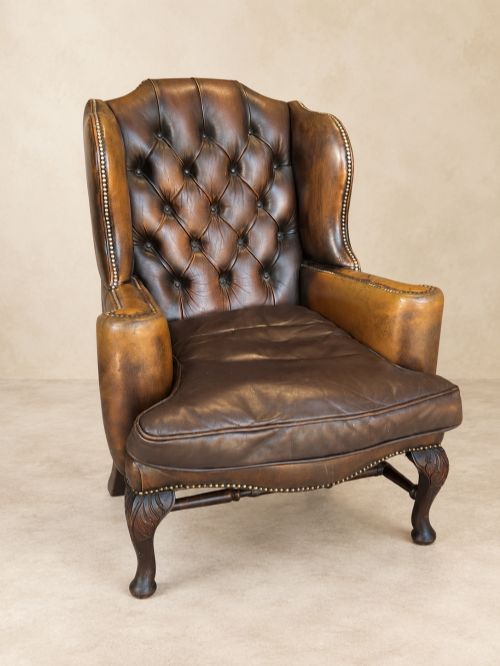
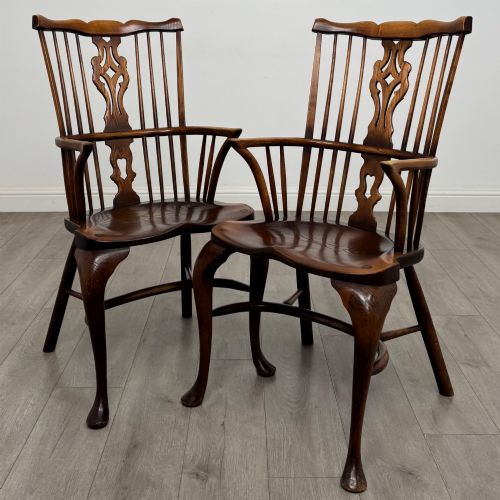
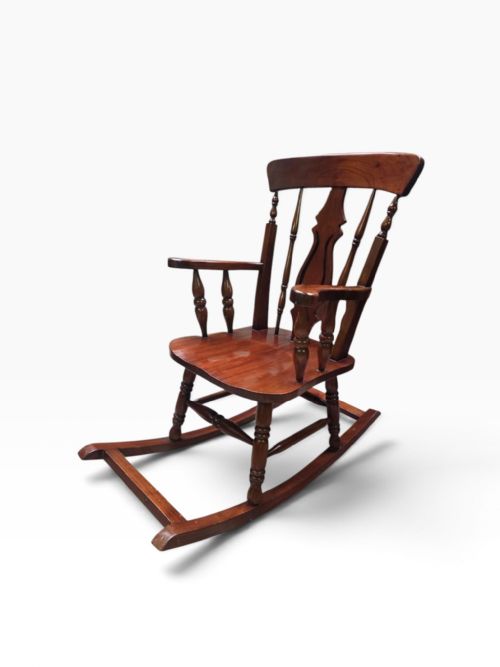
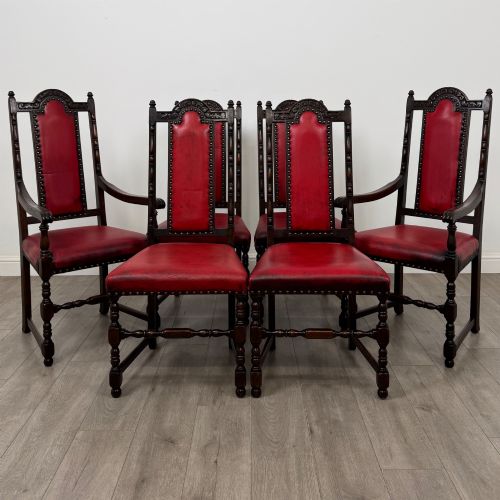
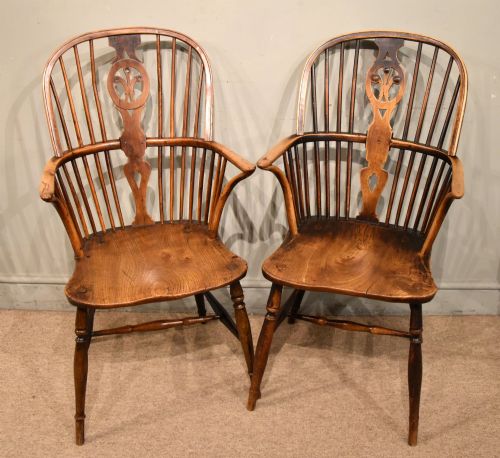
The selections here divide into two distinct lineages. One group comprises heavy wooden Windsor chairs built from local hardwoods with tall comb or hoop backs, while the other consists of deep-sprang upholstered wing chairs covered in leather, velvet, or wool.
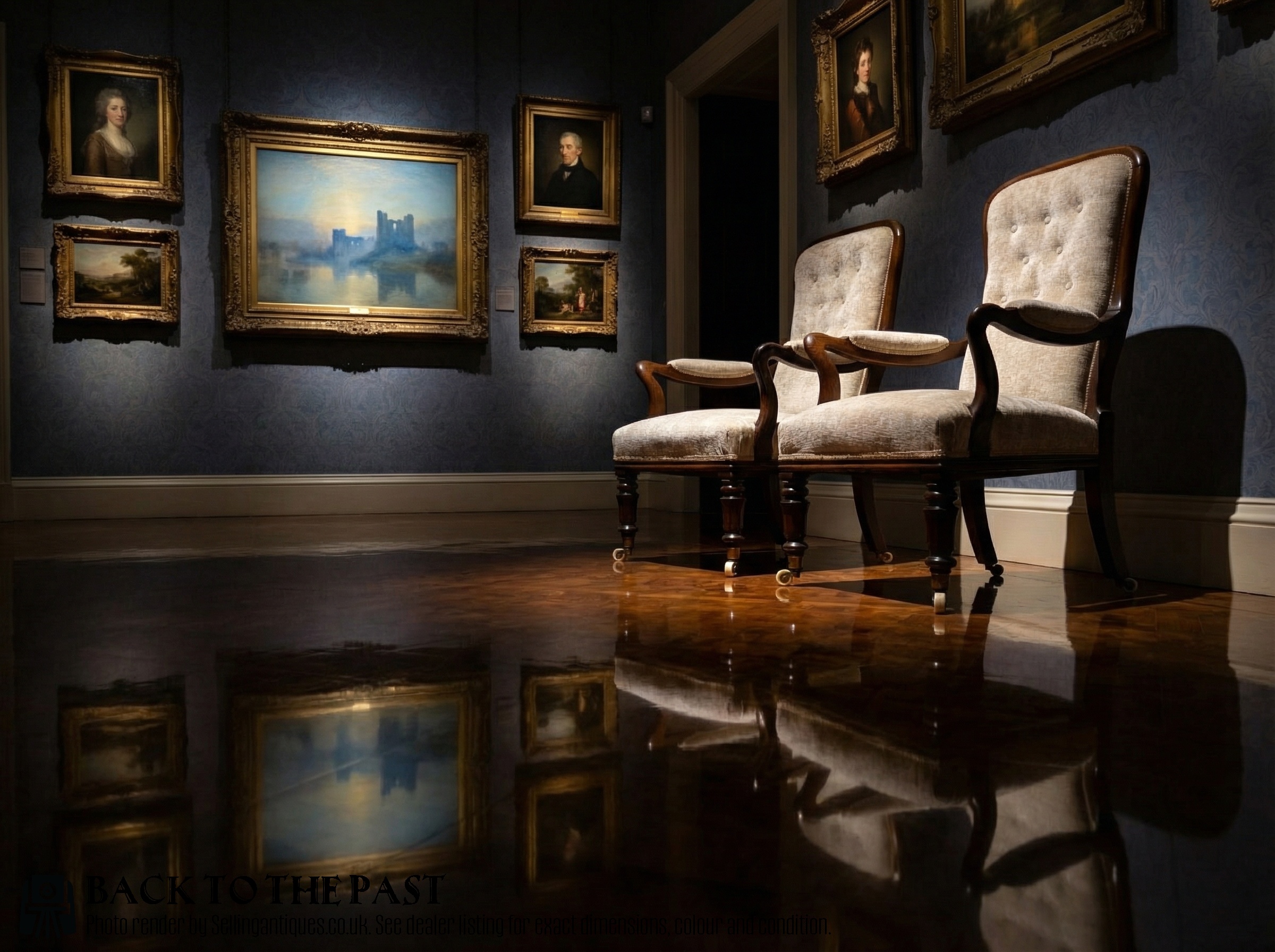
Timbers and construction methods
Frames rely on native English hardwoods, pairing robust oak, mahogany, or walnut with resilient elm and ash for bent components. Windsor variations utilise steam-bent hoops and tapered spindles driven directly into sculpted wooden seats.
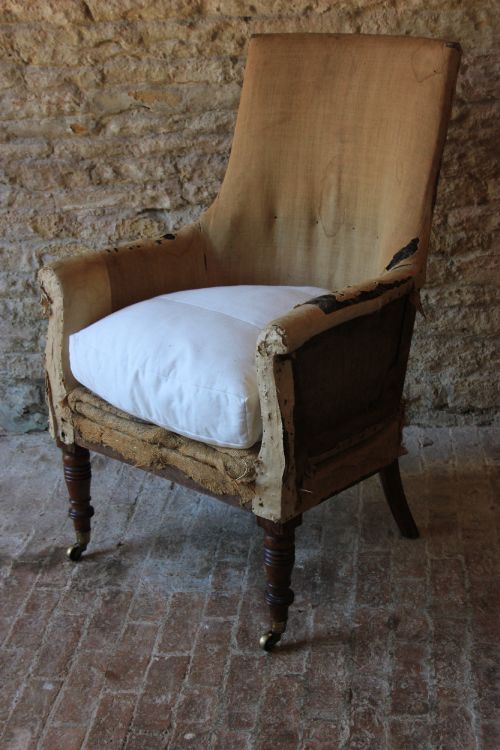
Upholstered versions depend on traditional webbing, horsehair stuffing, and heavy brass tacks to secure leather or fabric coverings over sturdy internal frames.
Traditional High Back Armchair Retail Price Guide 2026
Typical asking prices for traditional high back armchair among the pieces listed under this phrase on Sellingantiques today, from the lower quarter to the upper quarter. They describe what is for sale here now, not the wider market.
Several Windsor chairs show unmistakable West Country tool marks, reminding us that local bodgers shaped these timbers right in the woods.
Judging build and material quality
Quality rests in the integrity of the timber selection and the precision of the joinery. Fine examples show tight grain alignment in mahogany or walnut, alongside neatly turned stretchers and uncompromised structural joints in elm and ash.
Proportion and scale dictate the visual success of the piece, separating standard utility furniture from sophisticated examples commissioned for grander rooms.
The Traditional High Back Armchair Glossary
- Comb back
- A Windsor chair variation where the central vertical spindles pierce a top rail that resembles the teeth of a comb. This design provides ergonomic shoulder support.
- Hoop back
- A continuous wooden bow steam-bent to form the back and arm rests of a Windsor chair. It distributes weight evenly across the seat.
- Wing chair
- An upholstered armchair featuring lateral projections designed to trap heat from a fireplace and shield the occupant from draughts. Early versions appeared during the Georgian period.
- Elbow chair
- A traditional designation for an armchair, often used in sets alongside matching side chairs. These pieces provide lower arm support for dining or desk work.
Traditional High Back Armchair: Frequently Asked Questions
How do I date an old Windsor chair?
Look to the construction of the seat and the turning of the legs. Earlier pieces often feature thick saddles sculpted from a single slab of elm with peg joints.
Later Victorian and Edwardian examples tend to display more mechanical uniformity in their spindle turnings and lighter overall framing.
Are high back armchairs comfortable for daily use?
Upholstered wing versions provide deep, sprung seating suited for long periods of reading or relaxing. Wooden Windsor variants offer firm, upright posture support.
Adding a loose cushion can adjust the seat height and softness to modern preferences without altering the historic structure.
Where should I place a wing chair?
These pieces naturally anchor conversational groupings or reading corners due to their visual weight and height. They also suit placement beside a fireplace where their original purpose of blocking draughts remains useful.
Ensure adequate clearance around the high back so the silhouette can be appreciated from multiple angles.
What is the difference between a desk armchair and a standard armchair?
Desk armchairs generally feature lower, more compact proportions designed to tuck beneath writing tables. Their armrests are shaped to allow close approach to a surface.
Standard armchairs prioritize deep lounging or formal seating capacity over functional desk clearance.