




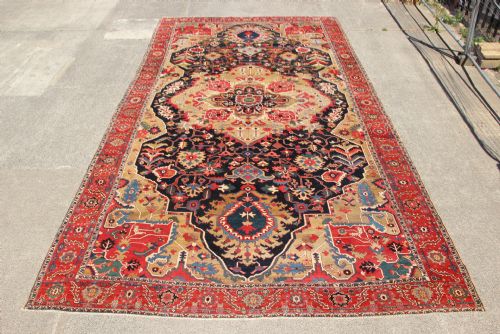
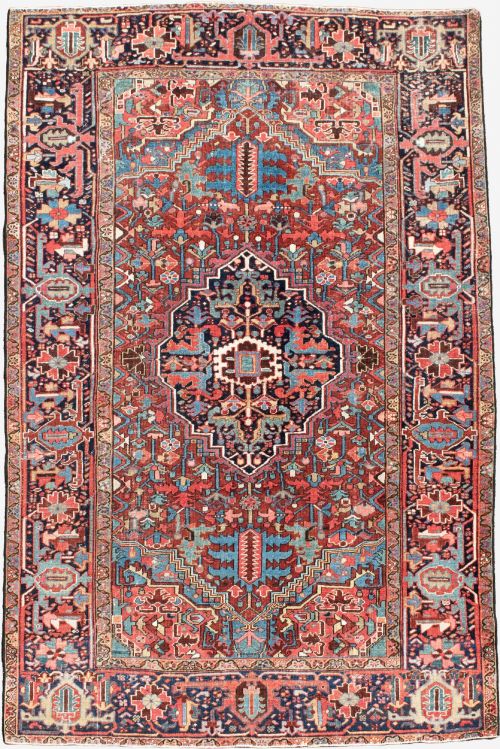
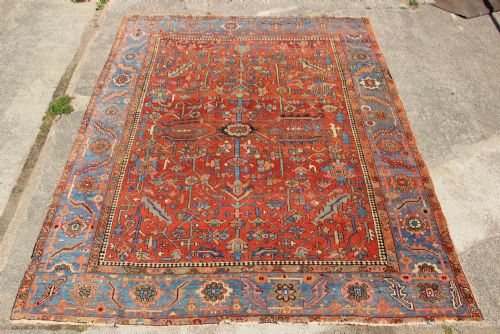
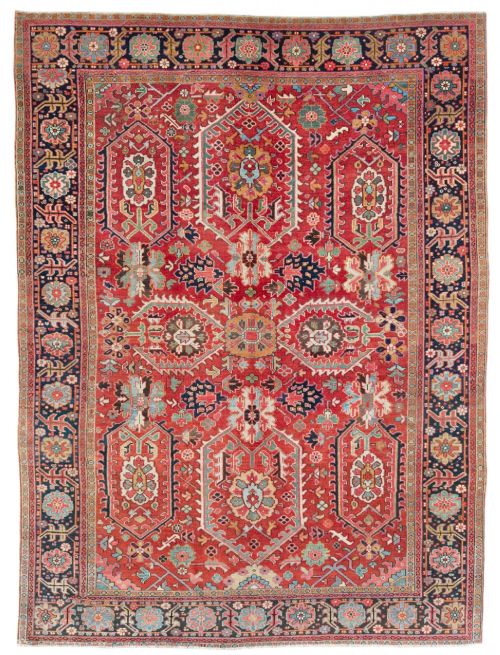
Traditional Heriz Carpet
A traditional heriz carpet anchors a room with geometric authority, offering durable wool construction and centuries of Persian weaving heritage.
Traditional Heriz Carpet
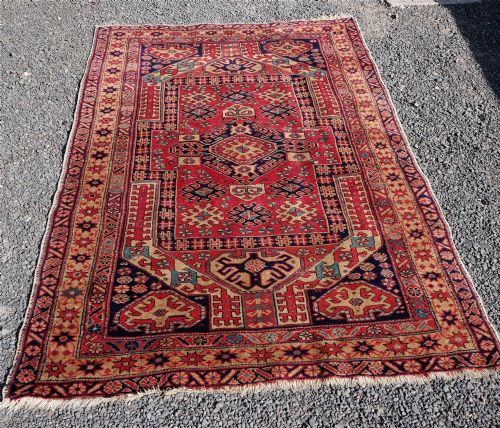
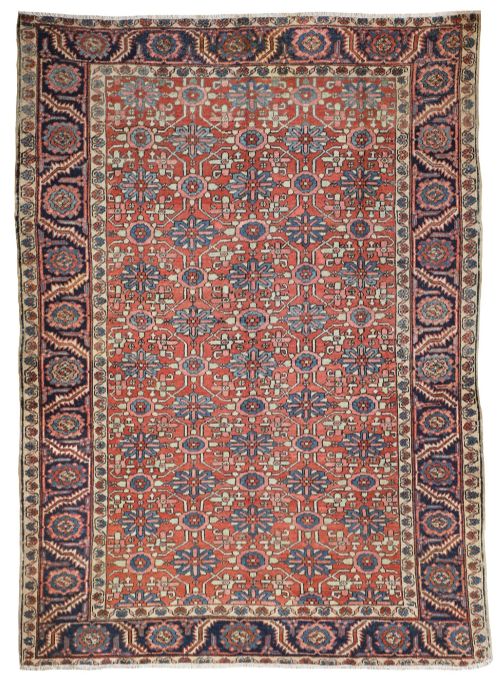
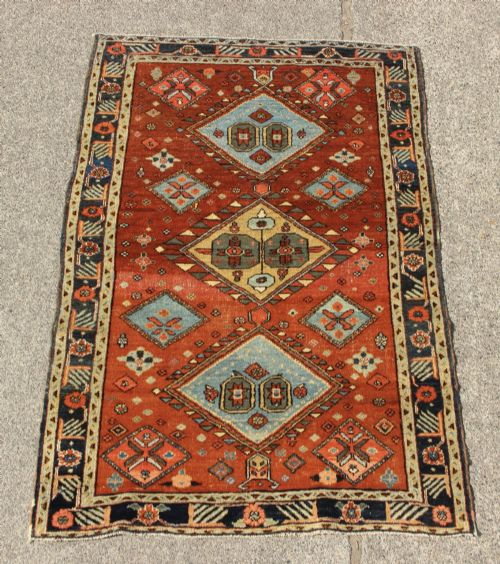
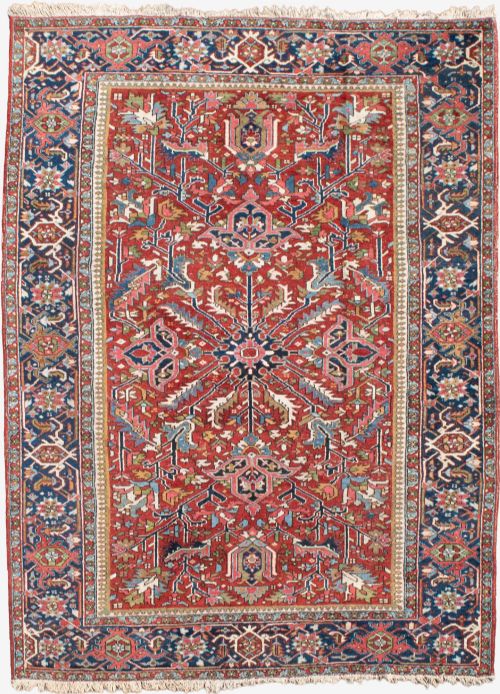
A traditional heriz carpet is a substantial room-sized floor covering originating from the mountainous north-west region of Persia. These pieces typically display bold geometric medallions, corner spandrels, and angular botanical motifs woven in distinctive tones.
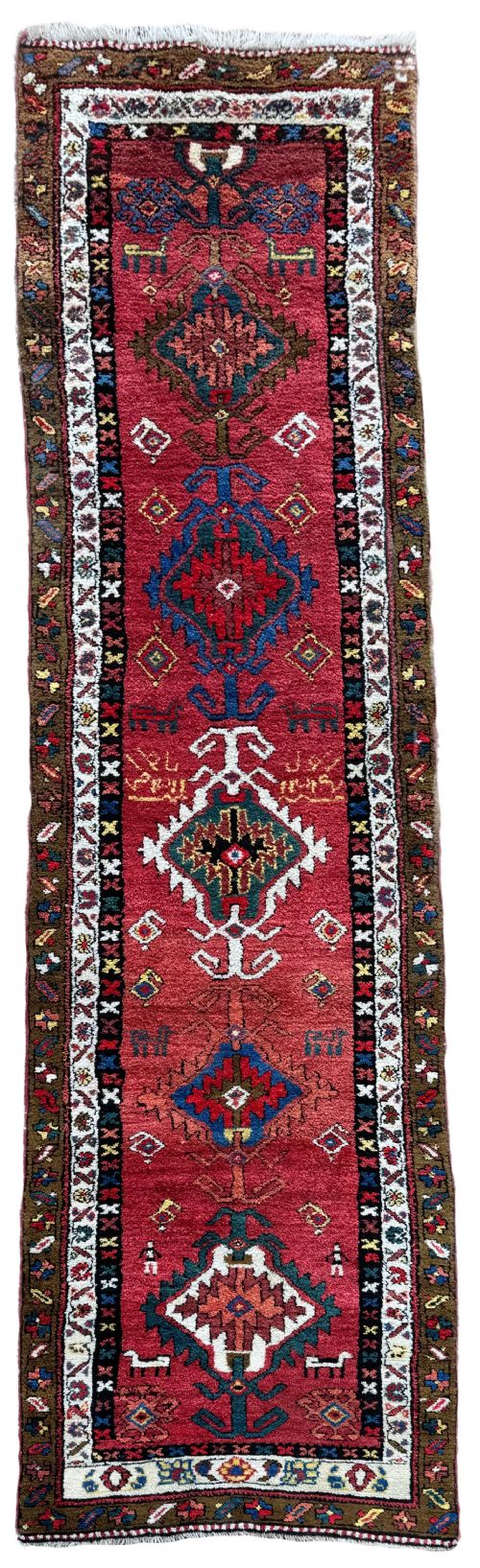
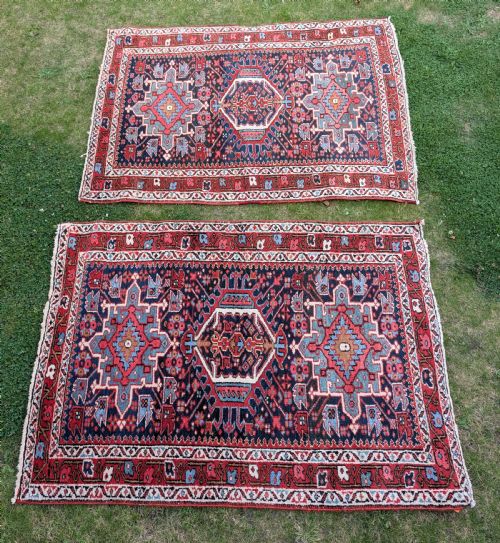
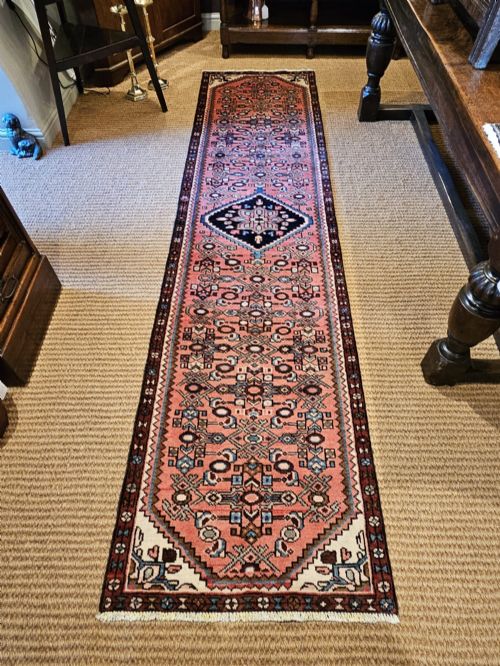
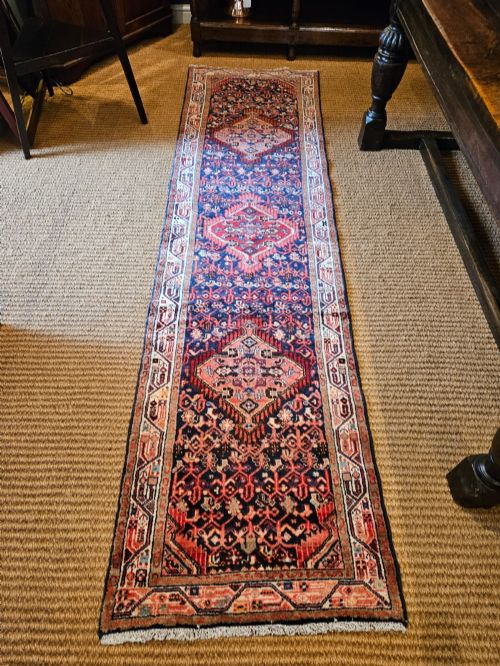
The selection here encompasses large carpets, smaller area rugs, and long hallway runners spanning periods from the late nineteenth century through to the early twentieth century. Alongside core Heriz pieces, the inventory includes related styles from the surrounding region such as Serapi, Karaja, Bakshiash, and Ahar.
Buyers will encounter both room-sized examples suited for principal reception spaces and narrower runner formats intended for corridors. The forms range from grand room centerpieces down to compact floor rugs.
How they were made
These floor coverings are constructed using traditional hand-knotting techniques with resilient wool piled onto sturdy cotton foundations. The combination of dense wool pile and robust foundation threads yields a heavy, durable textile designed to withstand generations of foot traffic.
Weavers utilised local materials and natural dyes to create the characteristic palette seen across these Persian carpets. The structural integrity relies on tight knotting over cotton warps and wefts, producing a stable and heavy floor textile.
Traditional Heriz Carpet Retail Price Guide 2026
Typical asking prices for traditional heriz carpet among the pieces listed under this phrase on Sellingantiques today, from the lower quarter to the upper quarter. They describe what is for sale here now, not the wider market.
Some runners are narrow enough to make you wonder if the weavers measured hallways by pacing them out in the snow.
What varies in quality
Quality in these carpets is determined by the crispness of the geometric drawing, the balance of the central medallion design, and the complexity of the secondary borders. Finer examples exhibit precise rectilinear detailing and a harmonious distribution of colour across the field.
The handling of the wool and the saturation of the palette also distinguish individual pieces. Superior weaving displays greater density in the pile and more sophisticated use of soft or colourful regional dyes.
The Traditional Heriz Carpet Glossary
- Medallion
- The prominent central design motif set within the main field of the carpet. This central ornament usually takes a geometric or polygonal form.
- Spandrels
- The triangular corner ornaments situated in the four corners of the main carpet field, framing the central medallion. They often repeat motifs found in the central design.
- Warp
- The vertical foundation threads stretched tightly on the loom before knotting begins. Cotton is the standard material used for these structural elements.
- Weft
- The horizontal threads passed across the warp threads after each row of knots to bind the structure together. These threads secure the pile firmly in place.
- Pile
- The dense surface layer of knotted wool that forms the functional wear-face of the rug. Full pile indicates minimal wear to this upper surface.
Traditional Heriz Carpet: Frequently Asked Questions
How do I choose the right size?
Measure your floor space carefully, leaving a uniform border of exposed timber or stone around the edges of the rug. Large room formats suit main reception areas, while narrower dimensions work well in hallways.
Consider the traffic level of the room when selecting your format. Runners handle corridors, whereas larger carpets anchor furniture groupings.
Are these carpets suitable for heavy traffic?
The dense wool pile and robust cotton foundations make these floor coverings exceptionally durable. They were originally built to endure daily domestic use in busy homes.
Proper underlays help protect the foundation fibres from premature wear. Regular gentle maintenance preserves the structural integrity over decades.
How do I identify a Serapi compared to a standard Heriz?
Serapi carpets generally date from the nineteenth century and feature a more open, spacious design with a softer palette. The geometric drawing tends to be somewhat coarser and bolder than later productions.
Heriz pieces from the twentieth century often display tighter knotting and more intricate secondary ornamentation. Both share the same regional weaving traditions in north-west Persia.
What is a Karaja runner?
Karaja pieces originate from a specific village within the broader Heriz region, often featuring distinct geometric village motifs or sequential medallion patterns. Runners from this area provide narrow formats suited to corridors.
These regional variations display the same robust wool construction found in larger carpets. They offer an alternative aesthetic while maintaining traditional production methods.