

Traditional Hearth Dogs
Traditional hearth dogs are functional fireplace supports that hold logs above the hearth, bringing historical weight and structural elegance to an open fire.
Traditional Hearth Dogs
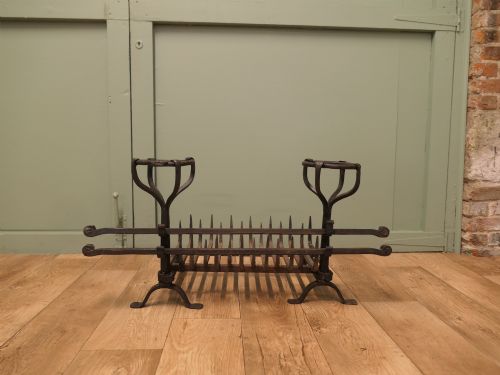
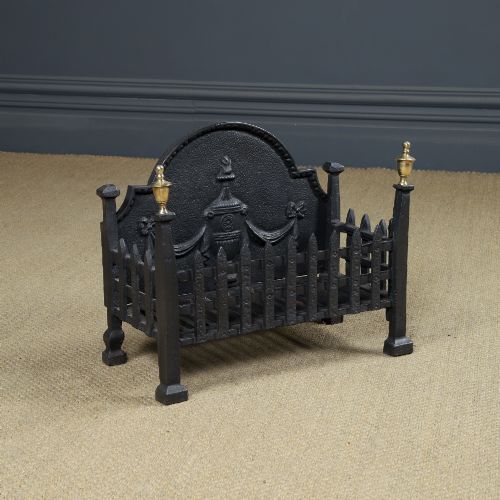
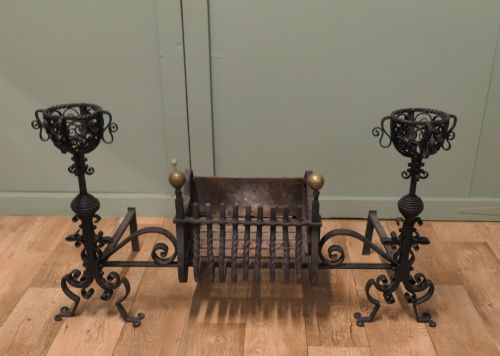
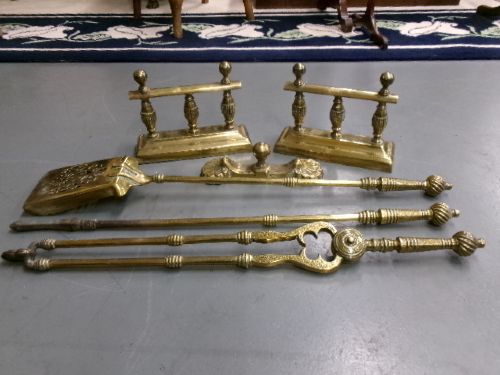
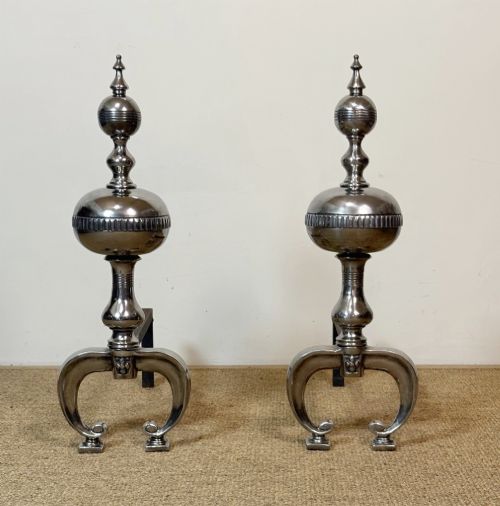
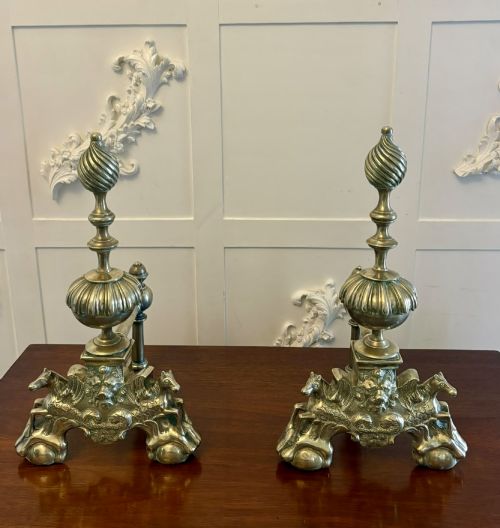
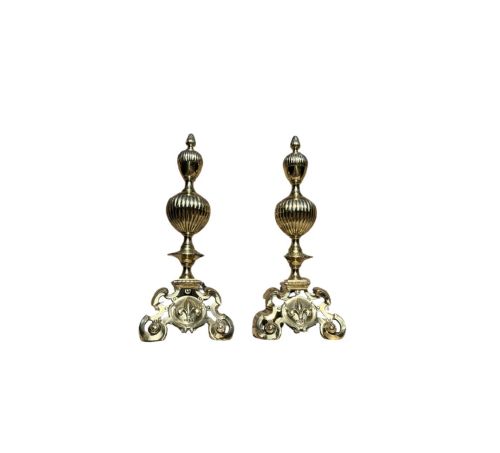
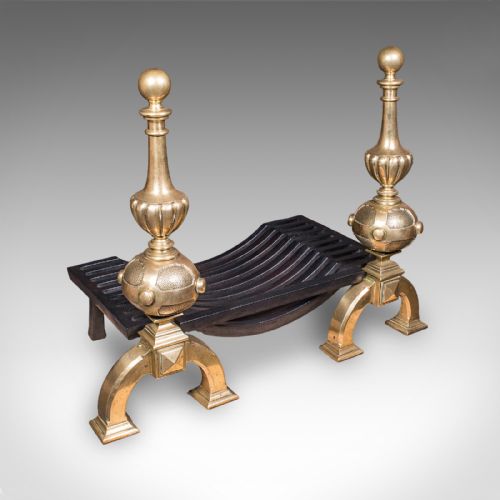
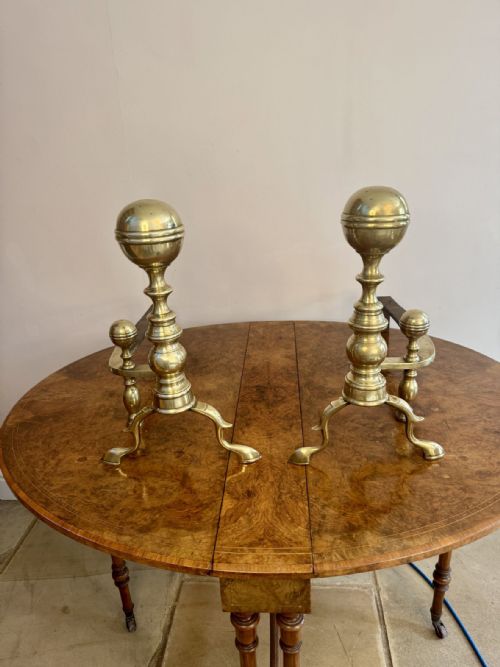
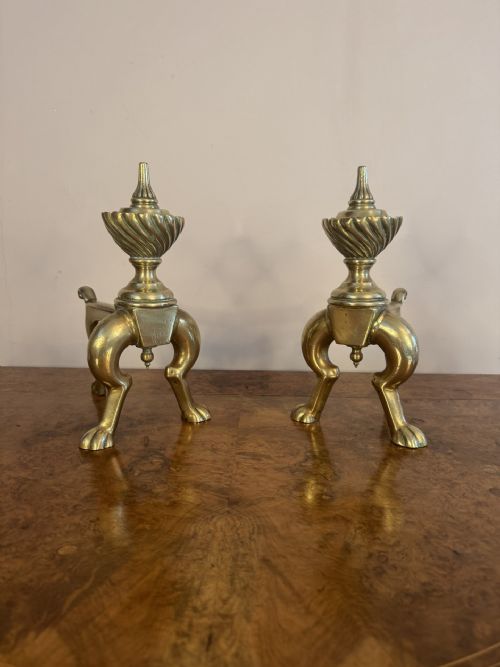
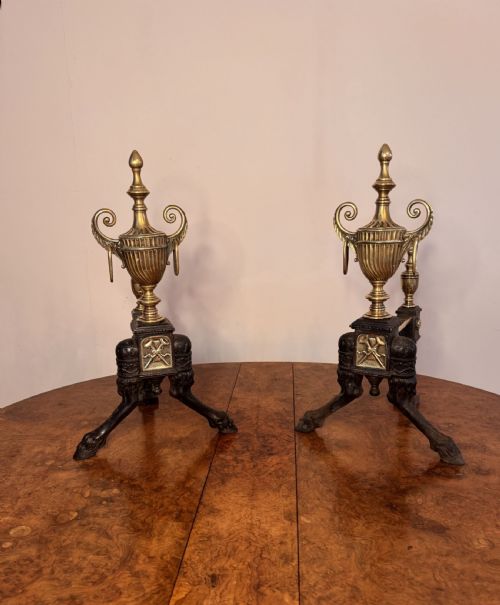
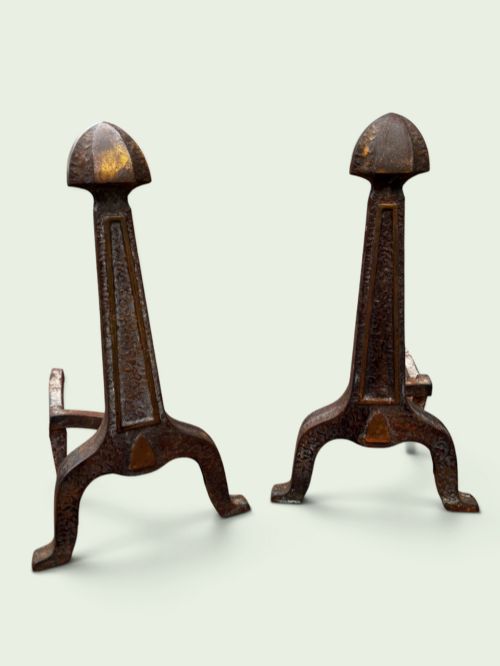
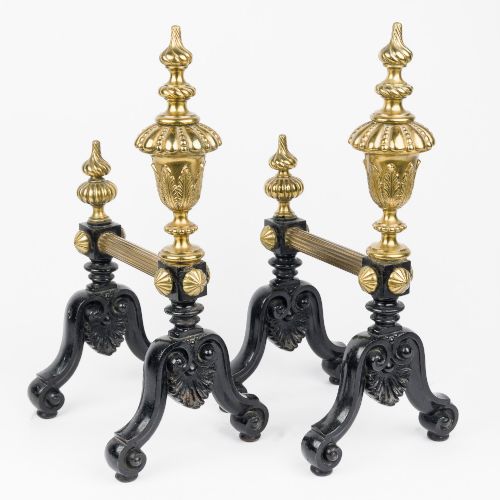
Traditional hearth dogs, also known as andirons or fire dogs, form the structural foundation of an open coal or wood fireplace by keeping fuel elevated for proper air circulation. Buyers searching for traditional hearth dogs encounter robust pairs designed to sit at either side of the hearth, frequently accompanied by matching fire baskets, grates, or companion tool sets.
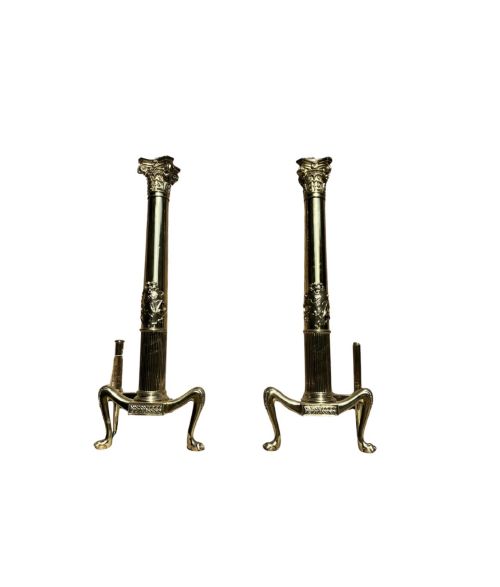
The selections available here span several centuries and stylistic revivals, with Victorian examples and mid to late nineteenth-century pieces appearing most frequently alongside earlier eighteenth-century designs. Forms range from utilitarian iron supports to ornate French brass structures and decorative Staffordshire pottery spaniels placed near the hearth.
Origin and regional aesthetic heavily influence the character of these pieces, showing diverse influences from French Rococo and Gothic Revival to English Georgian and Arts and Crafts movements. Whether cast in heavy iron or forged in steel and brass, each pair reflects the domestic heating requirements and stylistic preferences of its period.
Materials and construction methods
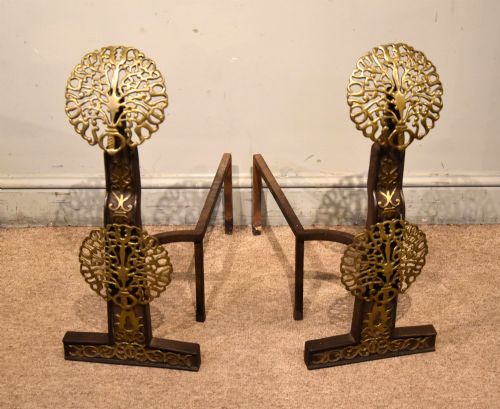
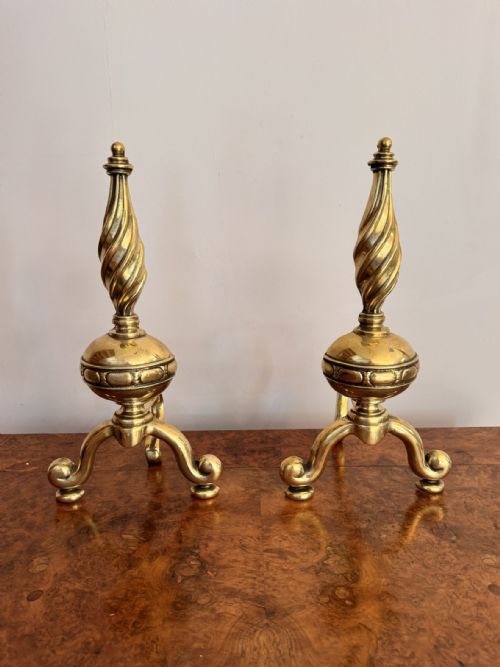
Craftsmen utilised durable metals including cast iron, wrought iron, steel, brass, and copper to withstand intense hearth temperatures while supporting heavy logs. Many pairs combine a sturdy iron or steel billet bar with decorative cast or solid brass fronts, balancing functional strength with polished visual appeal.
Ceramic pieces such as earthenware Staffordshire pottery spaniels incorporate hand-applied glazes and detailed modelling to serve as decorative hearth ornaments. Metalworking techniques combined casting, forging, and polishing to produce both utilitarian fire accessories and highly ornate sculptural forms.
Traditional Hearth Dogs Retail Price Guide 2026
Typical asking prices for traditional hearth dogs among the pieces listed under this phrase on Sellingantiques today, from the lower quarter to the upper quarter. They describe what is for sale here now, not the wider market.
Listings feature metalwork and ceramics spanning the eighteenth, nineteenth, and early twentieth centuries, predominantly showcasing Victorian brass and iron designs.
Assessing quality and craftsmanship
Substantial weight and material thickness distinguish superior pairs, as heavier casting and solid brass construction indicate durability and superior metal quality. Finer pieces demonstrate crisp detail in cast ornamentation, secure joints between iron billets and brass fronts, and balanced proportions that maintain stability under heavy wood loads.
The integrity of surface finishes and the survival of original companion sets, such as matching fire irons and baskets, elevate the standing of individual examples. Refined surface patination on nineteenth-century brass and iron reflects careful age and genuine historical usage rather than modern intervention.
The Traditional Hearth Dogs Glossary
- Andiron
- A metal support used in pairs to hold logs in an open fireplace. They typically feature a horizontal bar for the wood and an upright decorative front.
- Fire dog
- An alternative term for an andiron, originating from the animal-like shapes often given to the vertical guards. They keep fuel elevated to allow air to circulate underneath.
- Billet bar
- The horizontal iron bar extending backward from an andiron face that directly supports the logs or fuel. It bears the primary weight and heat of the fire.
- Fire basket
- A metal container or grate holding coal or wood suspended above the hearth floor. It frequently pairs with andirons or stands independently within the fireplace opening.
- Staffordshire pottery
- Earthenware figures produced in the Staffordshire potteries, including decorative spaniels placed beside traditional hearths. These glazed ceramic dogs served as domestic ornaments rather than fuel supports.
Traditional Hearth Dogs: Frequently Asked Questions
What is the difference between hearth dogs and andirons?
Hearth dogs and andirons are actually the same object, with "fire dog" and "andiron" used interchangeably to describe the supporting metal stands placed inside an open fireplace.
Both terms refer to the dual-part irons that hold logs above the hearth floor to improve combustion and airflow.
How do I choose the right size for my fireplace?
Selecting the correct size requires measuring the depth and width of your fireplace hearth to ensure the horizontal billet bars fit comfortably without crowding the space.
Consider the scale of the vertical fronts so they balance the opening of the fireplace without dominating the mantel surround.
Can traditional hearth dogs hold real fires?
Metal andirons made from cast iron, wrought iron, and steel are structurally engineered to withstand high temperatures and support burning logs in an active open fireplace.
Items made from earthenware or ceramic, such as Staffordshire pottery figures, are purely decorative ornaments designed to sit safely away from direct flames.
How do I date a pair of antique hearth dogs?
Dating relies on examining the manufacturing techniques, material composition, and stylistic markers such as Gothic Revival or Victorian Neoclassical decorative motifs.
Cast iron and brass casting methods evolved over the eighteenth and nineteenth centuries, leaving distinct tool marks and construction details characteristic of specific eras.