


Traditional Hand Knotted Mat
A traditional hand knotted mat brings centuries of village and nomadic craftsmanship into modern rooms through resilient pile and enduring design.
Traditional Hand Knotted Mat
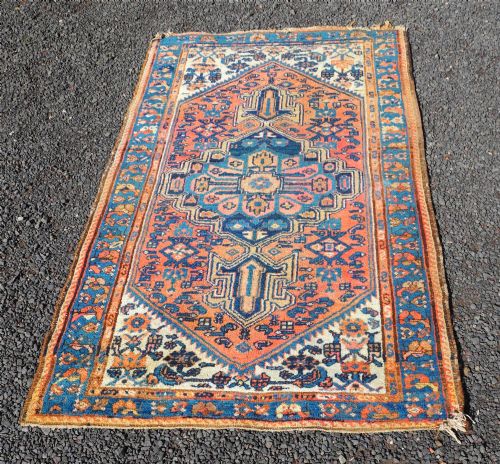
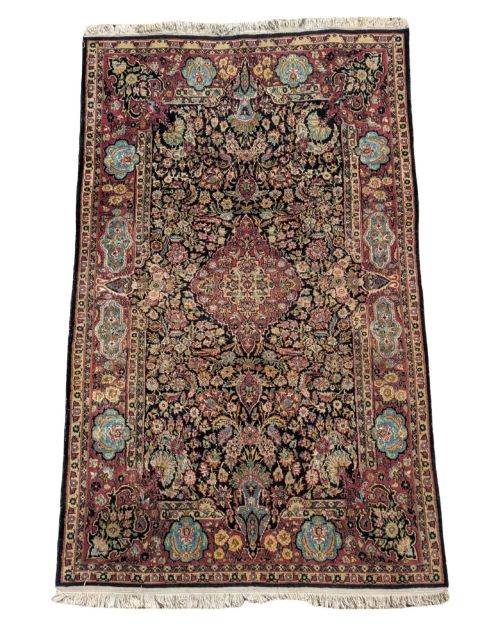
A traditional hand knotted mat encompasses floor coverings, village rugs, tribal textiles, and seating mats produced across Persia, Anatolia, the Caucasus, Turkmenistan, and China. These pieces originate from periods spanning the eighteenth century through to the 1930s, reflecting diverse regional aesthetics and nomadic traditions.
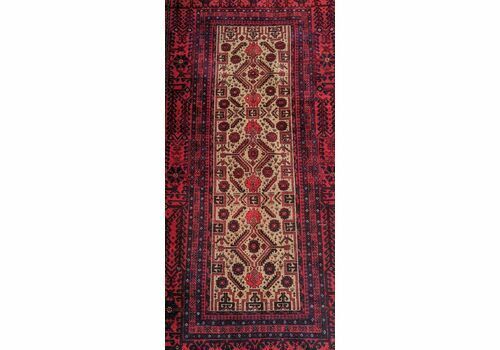
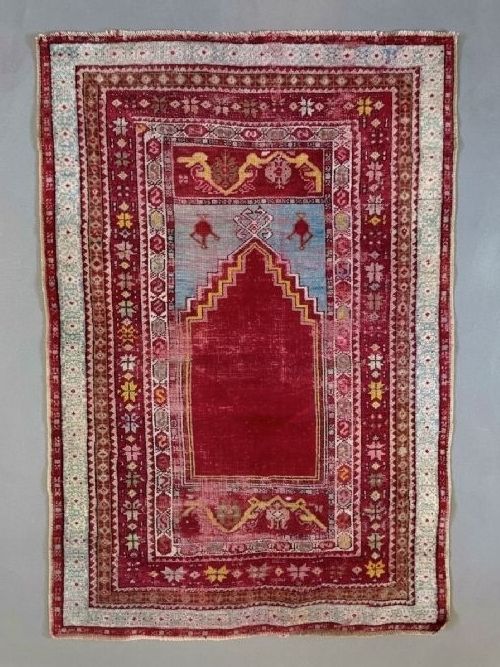
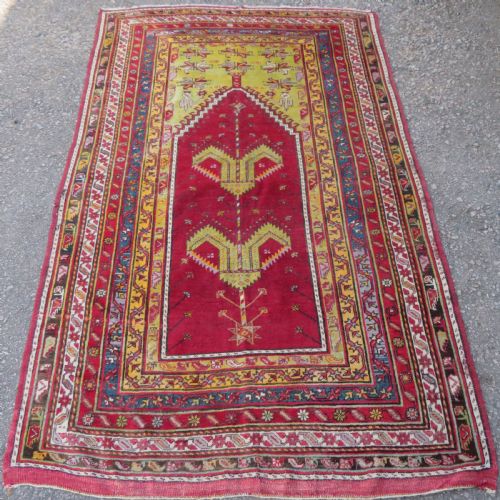
Buyers encounter formats ranging from hearth-sized squares and compact bagfaces to prayer rugs featuring mihrab designs and hallway runners. Wool dominates the selection, occasionally augmented by cotton foundations and silk highlights.
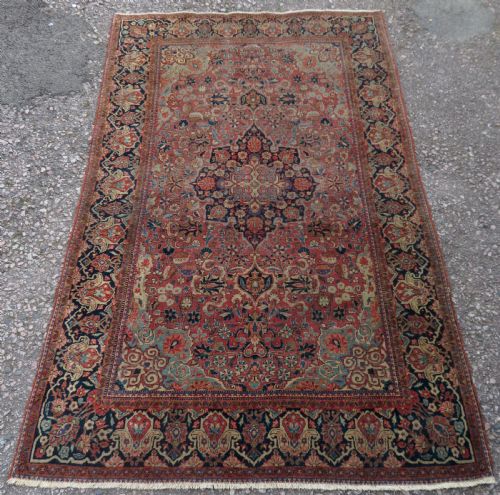
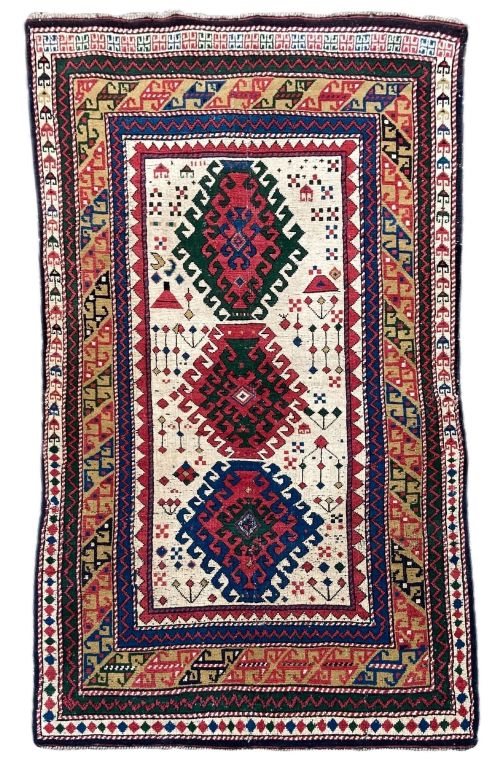
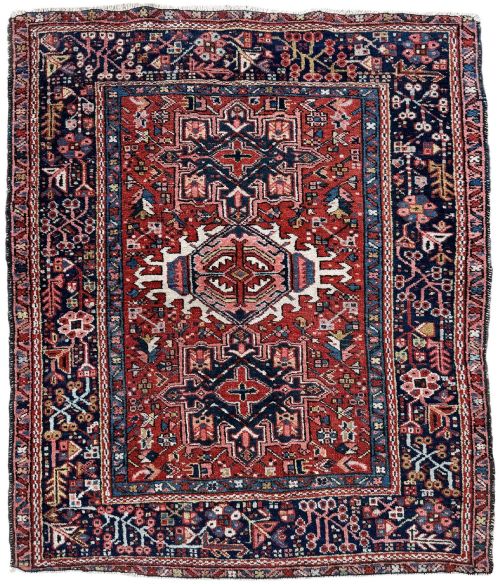
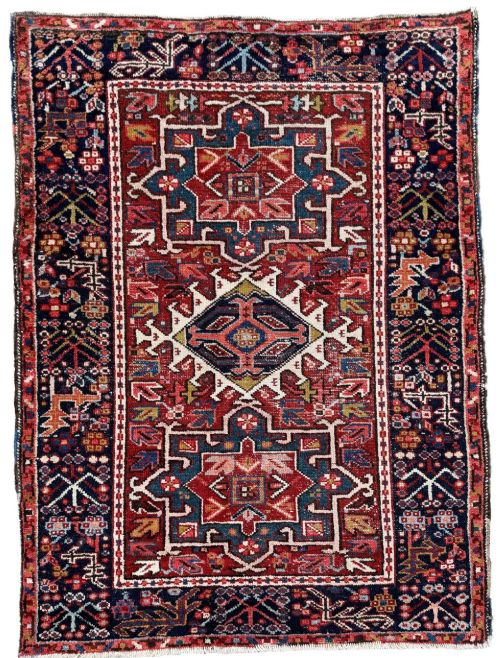
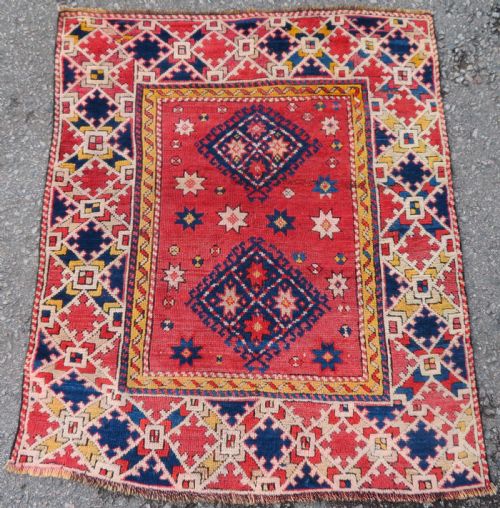
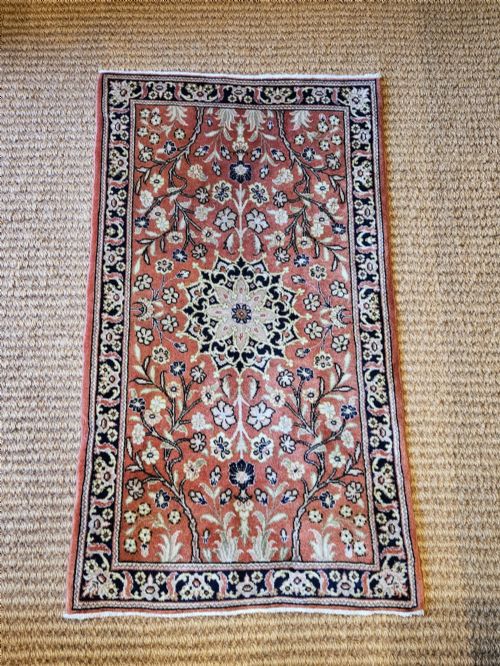
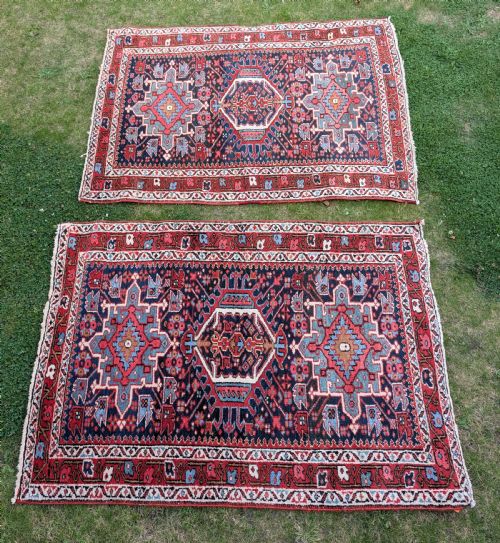
Regional weaving groups, including the Kashgai, Baluch, Karaja, Hamadan, and Ningxia traditions, dictate the specific geometric layouts, lattice patterns, and floral arrangements visible across the selection.
Materials and construction methods
Weavers constructed each traditional hand knotted mat by looping wool, cotton, or silk yarn around warp and weft threads before securing the pile with individual knots. Natural dyes supplied the distinct colour palettes, yielding deep reds, blues, and earth tones that settle gracefully over time.
Foundations typically rely on sturdy wool or cotton threads to support the dense pile, ensuring structural integrity across daily use in high-traffic hallways and hearth spaces.
Nomadic weavers occasionally embedded accidental wool colour shifts directly into geometric borders, leaving a personal signature in the pile.
Distinctions in craftsmanship
Knot density and the precision of the geometric or floral layout set finer examples apart from simpler village productions. Tighter knotting allows complex medallion patterns and intricate lattice designs to maintain sharp definition across the surface.
The choice of materials also influences the character of the piece, with lustrous silk highlights or superior wool grades providing greater depth to the natural dyes and enhancing the tactile quality of the pile.
The Traditional Hand Knotted Mat Glossary
- Mihrab
- A niche design element found in prayer rugs, often shaped like an arch to point towards Mecca. This motif guides the spiritual layout of the textile.
- Warp
- The vertical threads stretched lengthwise on a loom that form the foundational skeleton of the rug. Weft threads are woven across these structural elements.
- Pile
- The upright yarn surface formed by knotted threads that creates the soft texture of the rug. Dense pile provides greater resilience against wear.
- Natural Dyes
- Colourants derived from plants, insects, and minerals rather than synthetic compounds. These materials age with a rich patina.
- Bagface
- The decorated front panel of a nomadic storage sack repurposed into a small mat. These pieces display concentrated tribal iconography.
Traditional Hand Knotted Mat: Frequently Asked Questions
Where were these mats traditionally placed?
Weavers produced these textiles for utilitarian floor coverage in nomadic tents, village homes, and urban residences. Compact formats served specific purposes around hearths, seating areas, and entrances.
Prayer variants functioned as portable spaces for daily devotion, easily rolled and transported by nomadic communities.
How do I care for wool pile rugs?
Regular gentle vacuuming without a beater bar removes trapped dust from the wool fibres without pulling the knots. Professional cleaning preserves the natural dyes and structural integrity of the foundation.
Keep these textiles away from direct sunlight to prevent uneven fading of the natural colour palette.
How do I distinguish regional weaving styles?
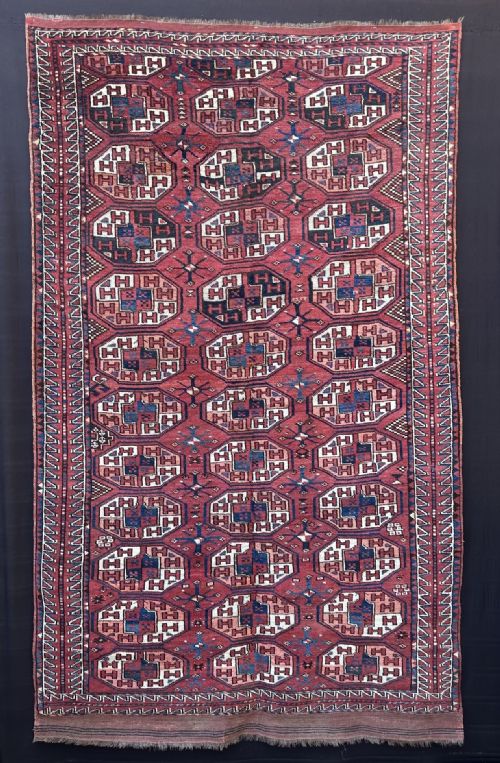
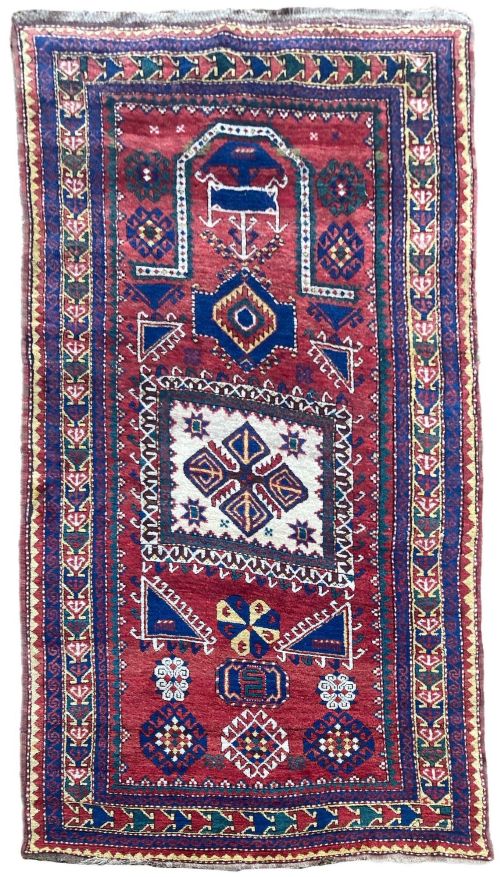
Tribal pieces from regions like the Caucasus and Anatolia often feature bold geometric motifs, octagons, and stark primary colours. Persian and Chinese workshops frequently employ curved floral sprays, vases, and intricate central medallions.
Examining the knotting style and fringe finish helps attribute the textile to specific groups such as the Qashqai or Baluch.
Can these mats handle hallway foot traffic?
Sturdy wool construction and tight knotting provide the durability required for moderate domestic pathways. Placing a quality underlay beneath the textile prevents slipping and cushions the foundation against hard flooring.
Rotating the placement periodically ensures even wear across the surface of the runner or rug.