




Antique Wool Scatter Rugs
These antique wool scatter rugs are hand-woven tribal and nomadic floor coverings and cushions bringing genuine texture and history into a room.
Antique Wool Scatter Rugs
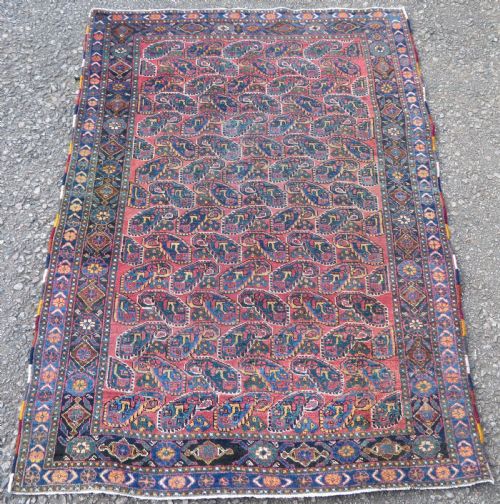
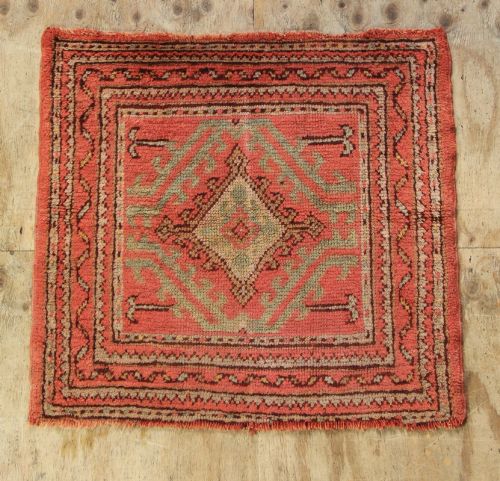
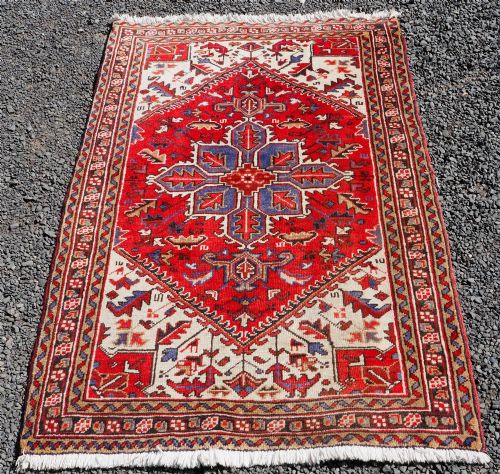
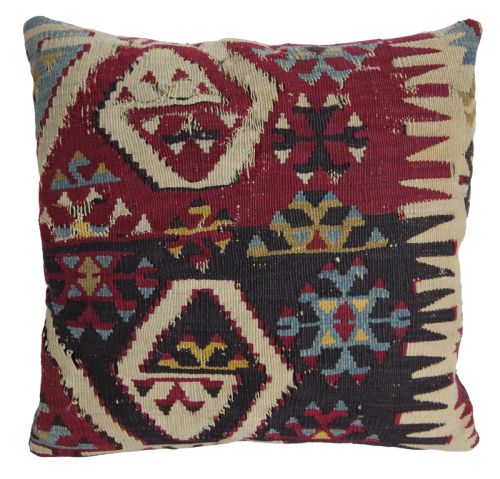
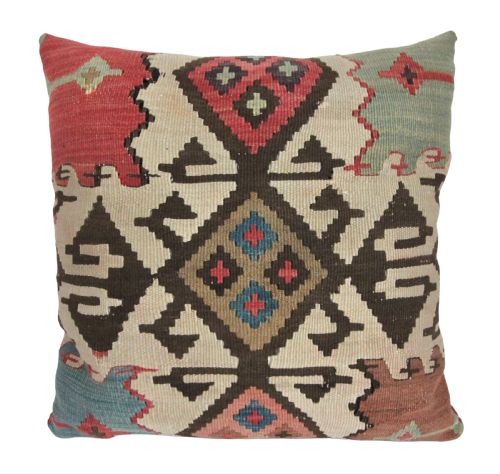
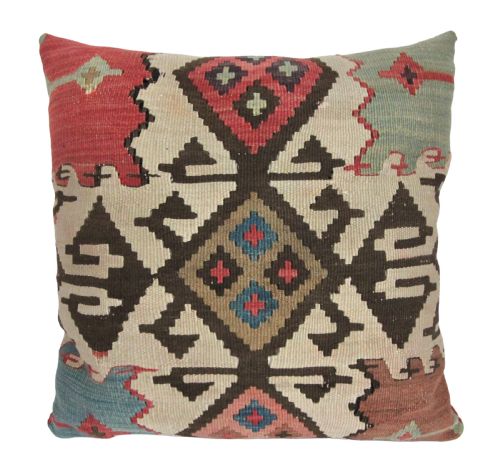
When you search for antique wool scatter rugs, you are looking at smaller floor coverings, mats, and cushions originating from tribal and nomadic traditions. The pieces appearing here span from the mid-nineteenth century through the early twentieth century, capturing diverse weaving heritages. You will frequently encounter Anatolian and Persian tribal pieces alongside converted kilim and bag face cushions.
The selection here encompasses various compact formats, from small mats measuring under a metre to larger scatter rugs exceeding one metre in length. Alongside traditional flat-woven kilim cushions and bag faces, the inventory includes knotted pile rugs from workshops and nomadic camps alike. These items served practical domestic purposes in their original settings before finding new life in modern interiors.
How they were made
These textiles rely primarily on natural wool, supplemented by cotton for foundations or structural support in specific pieces. Weavers utilised hand-spun wool fibres, dyed with traditional materials, to create durable pile surfaces and flat-woven structures. The combination of wool pile and cotton or wool warps gives these rugs their characteristic weight and handle.
Techniques range from knotted pile construction seen in Oushak, Afshar, Baluch, and Kirsehir examples to the slit-weave tapestry methods of kilim cushions. Bag faces repurpose original nomadic storage sacks, retaining their dense geometric or pictorial weaving. Hand-woven execution ensures that each scatter rug and cushion displays individual structural nuances.
The listings span periods from 1850 to 1930, utilising wool and cotton across Anatolian and Persian tribal traditions.
What varies in quality
Quality in these textiles rests upon the integrity of the wool, the precision of the weave, and the depth of the dye work. Superior pieces display tightly packed knots or crisp flat-weave structures that maintain their form under daily use. Finer examples retain greater pile height or intact original edges, reflecting careful historical preservation.
The artistic expression within tribal designs also dictates distinction, as individual weavers achieved greater harmony in proportion and colour saturation. Pieces originating from specific weaving groups, such as Afshar, Oushak, or Kirsehir traditions, demonstrate varied levels of graphic clarity. The condition of the wool and the authenticity of the conversion in cushion formats further influence the standing of each piece.
The Antique Wool Scatter Rugs Glossary
- Kilim
- A flat-woven carpet or rug produced by tightly interweaving warp and weft strands without creating a pile. This technique produces a lightweight textile often utilised for cushions.
- Bag face
- The decorative front panel of a nomadic storage sack, removed and repurposed as a decorative cushion or small hanging. These panels typically feature concentrated tribal motifs.
- Anatolian
- Pertaining to the region of Anatolia, encompassing traditional weaving styles from Turkish and regional tribal groups. These items often display distinct geometric or floral vocabulary.
- Pile
- The upright yarn loops or cut ends forming the usable surface of a knotted rug. Pile height varies depending on wear and original production style.
- Warp
- The stationary vertical threads stretched upon a loom before weaving begins. Weft threads pass horizontally through these structural elements.
Antique Wool Scatter Rugs: Frequently Asked Questions
How do I clean an antique rug?
Maintenance requires gentle vacuuming without a beater bar and professional hand-washing when necessary. Avoid harsh chemical treatments to protect the natural wool fibres.
Keeping the textile out of direct sunlight prevents the natural dyes from fading prematurely. Rotating the rug periodically ensures even exposure to light and foot traffic.
Where were these rugs made?
The pieces originate primarily from tribal and nomadic groups across Anatolia and Persia. Specific traditions represented include Afshar, Oushak, Baluch, and Kirsehir.
Weavers worked within local village communities or nomadic camps, passing down patterns through generations. Each region developed distinct palettes and geometric vocabularies.
Can I use bag face cushions daily?
These converted bag faces and kilim cushions function well for everyday decorative placement on sofas or chairs. Their sturdy hand-woven wool construction handles standard domestic use.
Placing them in moderate traffic areas preserves their historical structure. Regular gentle care keeps the wool fibres supple over time.
What is the difference between a rug and a mat?
Mats generally refer to smaller formats under one metre in dimension, suited for compact spaces or tabletop display. Rugs provide slightly larger surface coverage for floors.
Both categories utilise similar hand-knotted or flat-woven wool techniques from tribal makers. The distinction lies purely in physical scale rather than materials used.