
Traditional Hallway Table
A traditional hallway table welcomes guests into a home while offering a practical surface for everyday items.
Traditional Hallway Table
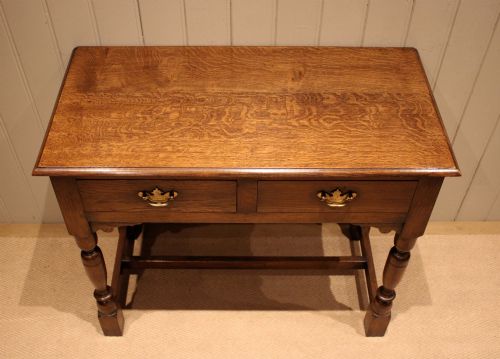
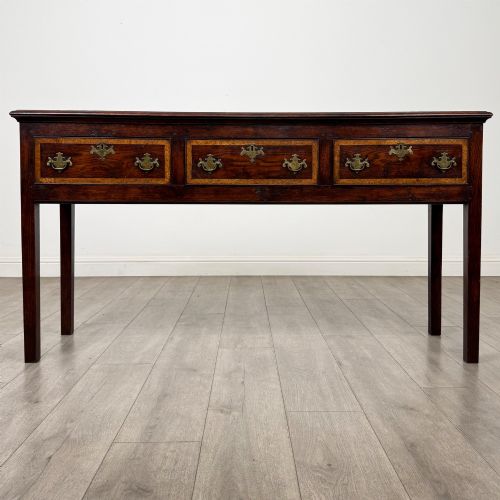
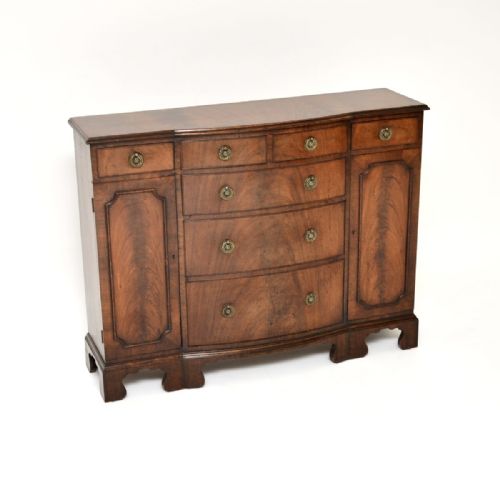
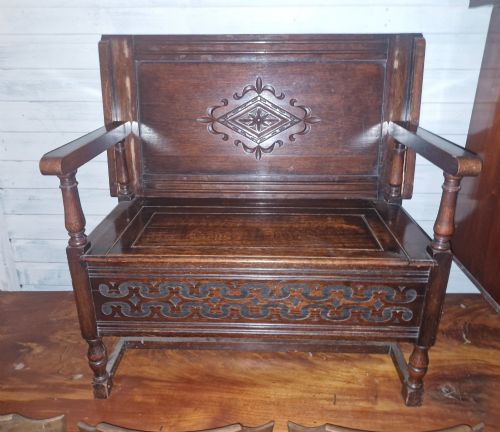
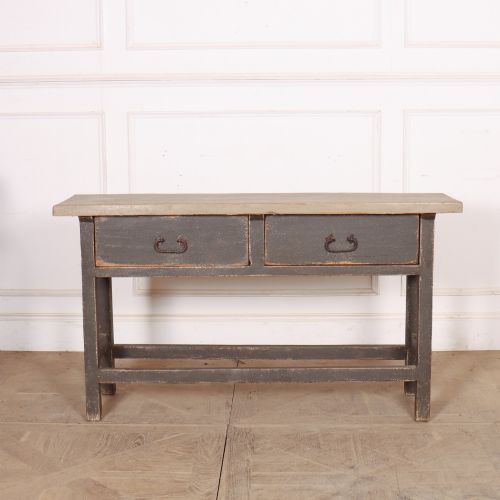
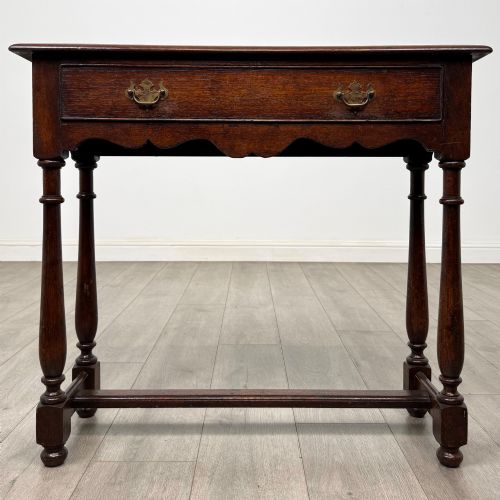
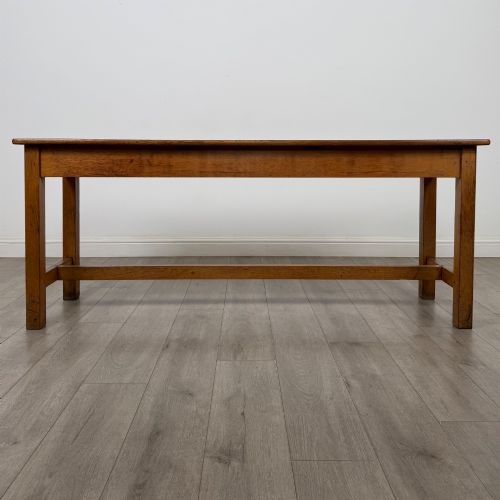
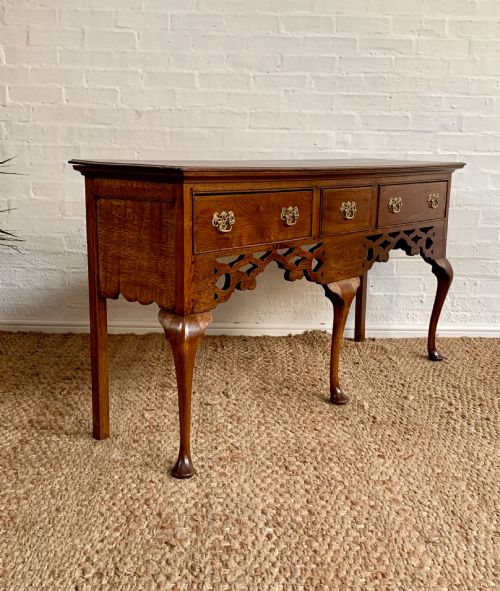
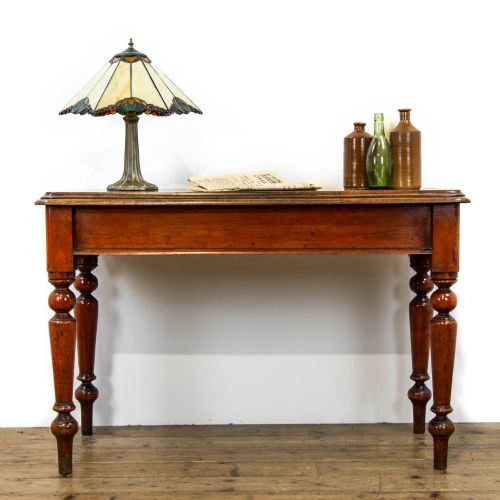
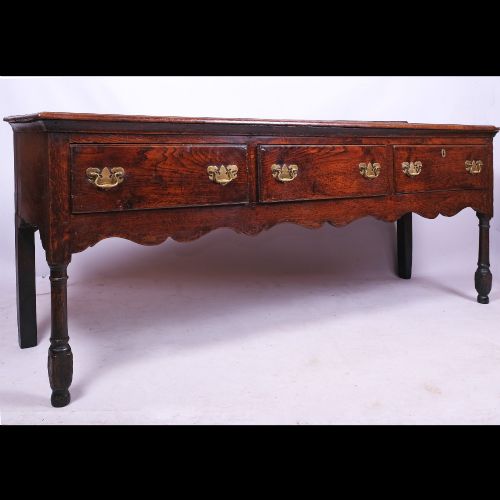
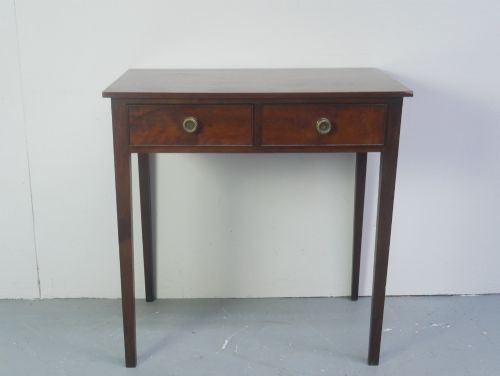
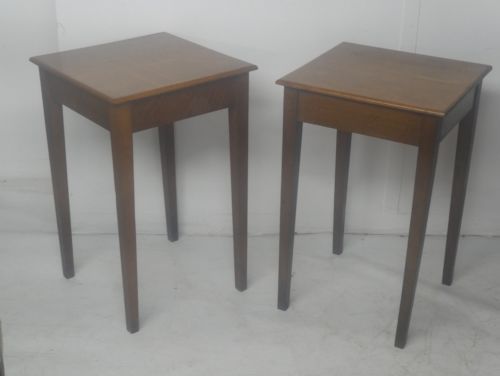
A traditional hallway table serves as the primary surface for dropping keys, post, and daily essentials just inside the front door. These items encompass a variety of forms including console tables, side tables, sideboards, dresser bases, benches, hall stands, and washstands designed for narrow or transitional spaces.
The selections span multiple periods ranging from the 18th century through the Victorian, Edwardian, and 1920 eras, alongside Chinese antique forms. Oak and mahogany appear most frequently, accompanied by pine, elm, cherrywood, walnut, and hardwood.
Buyers often encounter Edwardian oak dresser bases, Georgian mahogany sideboards, and 19th-century pine console tables within this selection. Styles range from English Country and Rustic Farmhouse to Jacobean Revival, Georgian Revival, and Qing Dynasty designs.
How they were made
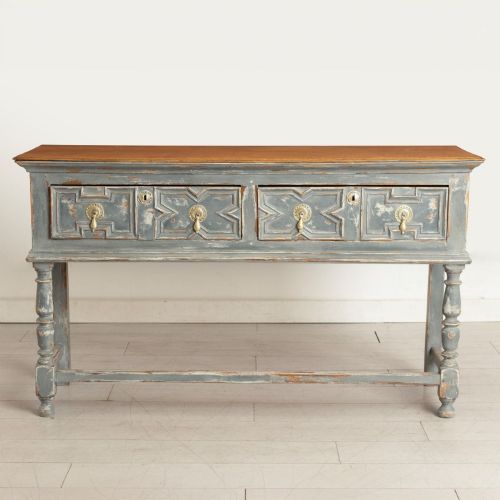
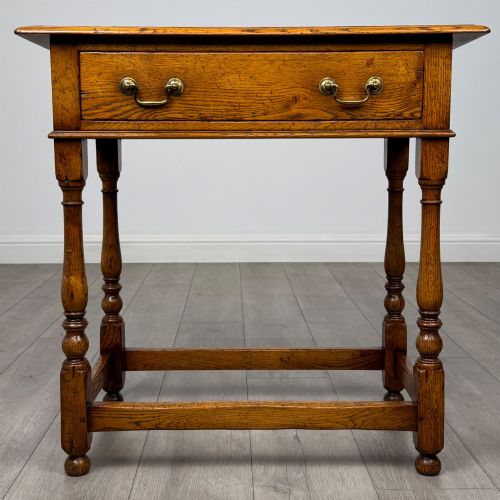
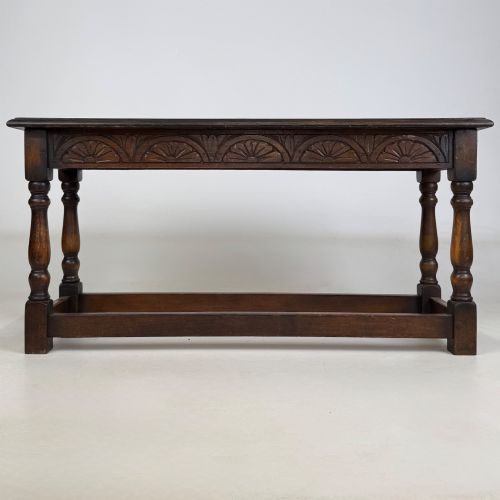
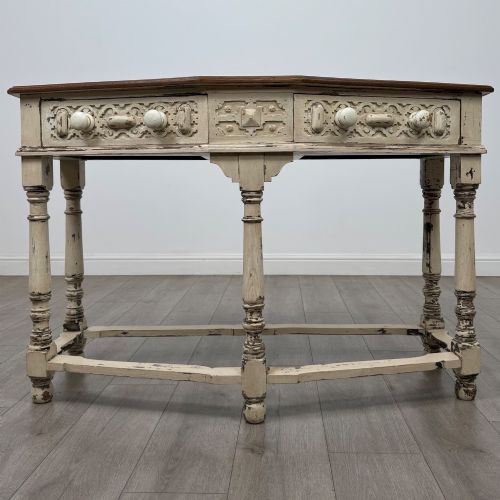
Cabinet makers utilised solid timbers such as oak, mahogany, and pine, often constructing tops from single boards or joined planks. Carving, turning, and painted finishes appear across various pieces to define their decorative character.
Hardware such as brass handles and drawer pulls are fitted to drawers in dresser bases and console tables. Marble tops also feature on specific washstands within the selection.
One unexpected hallway addition in the selection is a carved oak framed dinner gong, ready to announce meals from the front hall.
What varies in quality
The choice of timber and the precision of joinery separate standard examples from finer works. Select pieces display superior carving, choice grain patterns in mahogany or golden oak, and well-proportioned breakfront or demi-lune shapes.
The integrity of original surfaces, whether polished wood or painted finishes, influences the character of each table. Details such as carved panels, drawer construction, and matching pairs elevate certain items above simpler utility pieces.
The Traditional Hallway Table Glossary
- Console Table
- A table fixed to a wall or freestanding, designed for narrow spaces such as hallways and corridors. These surfaces often feature slender legs and decorative aprons.
- Dresser Base
- A low sideboard or serving table typically fitted with drawers and sometimes a pot board shelf underneath. They originate from country houses and farmhouses.
- Demi-Lune
- A half-moon shape used for the tops and frames of specific console tables. This form allows the furniture to sit flush against a hallway wall.
- Lowboy
- A small dressing table or side table with one or more rows of drawers supported on four legs. Georgian examples are particularly sought after by collectors.
- Washstand
- A piece of furniture designed to hold a basin and jug for washing, frequently topped with marble. Edwardian and Victorian versions often include tiled splashbacks or lower shelves.
Traditional Hallway Table: Frequently Asked Questions
What is a traditional hallway table used for?
These tables provide a surface in entryways for placing correspondence, keys, and decorative items like lamps or bowls.
They also offer concealed storage in drawers or lower shelves to keep narrow entrance spaces tidy and organised.
How do I choose the right size?
Measure the width and depth of your hallway to ensure the table leaves adequate clearance for passing through. Narrow console tables and demi-lune shapes work best in restricted spaces.
Consider the height of existing wall mirrors or coat racks when selecting a hall stand or dresser base.
What woods are common in these tables?
Oak and mahogany appear most frequently across various periods, offering durability and distinct grain patterns. Pine and elm are also common in country house and farmhouse pieces.
More decorative items may utilise walnut, cherrywood, or imported hardwoods.
How do I care for antique wood?
Keep wooden furniture away from direct heat sources and sudden temperature changes to prevent the timber from splitting. Regular dusting with a soft cloth maintains the finish.
Apply appropriate wax polish sparingly to nourish older surfaces without building up excess residue.