

Traditional Hallway Seating
Traditional hallway seating provides practical utility and solid character for an entrance, drawing on centuries of domestic design.
Traditional Hallway Seating
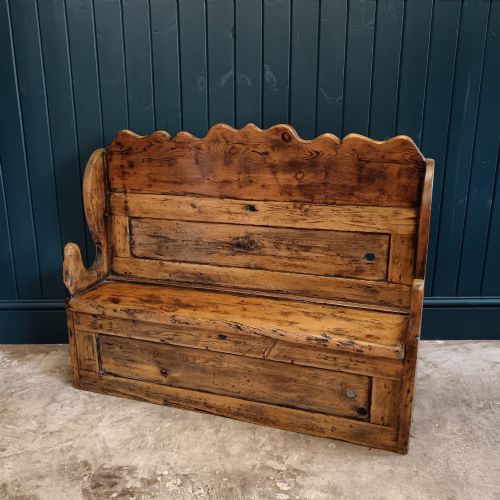
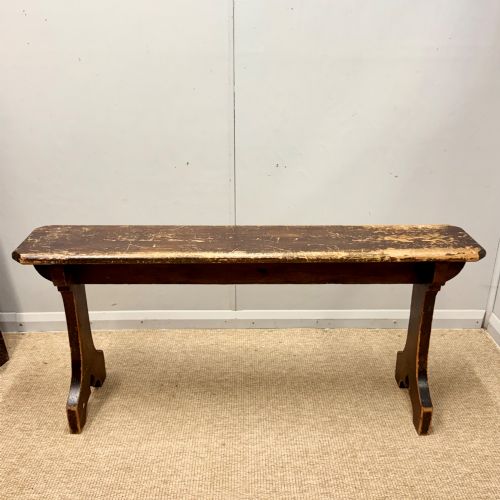
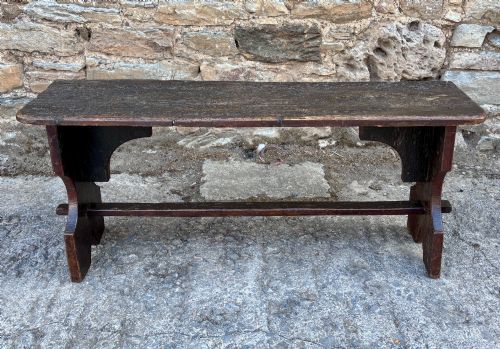
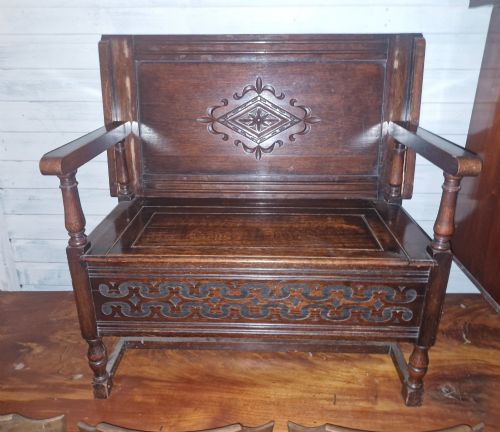
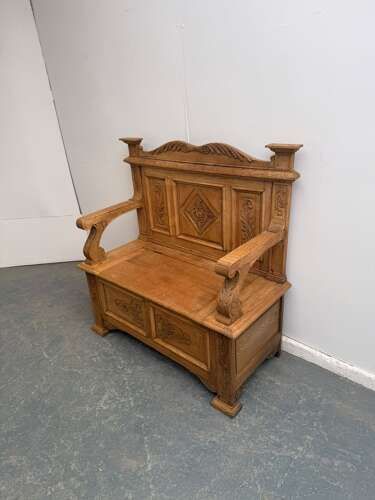
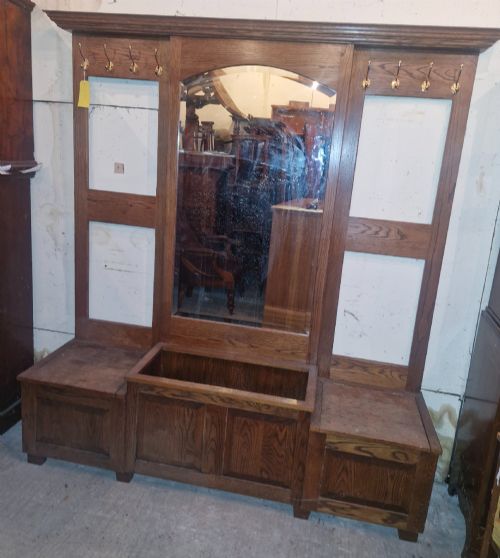
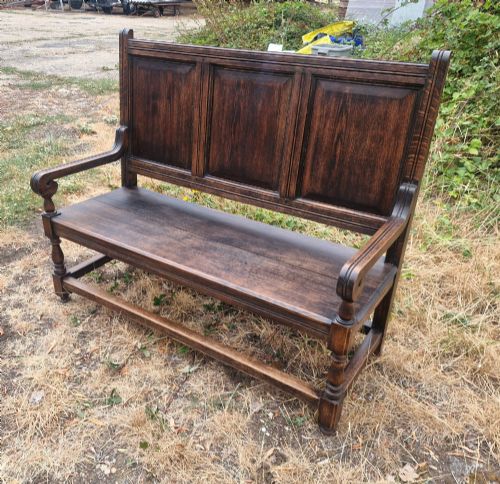
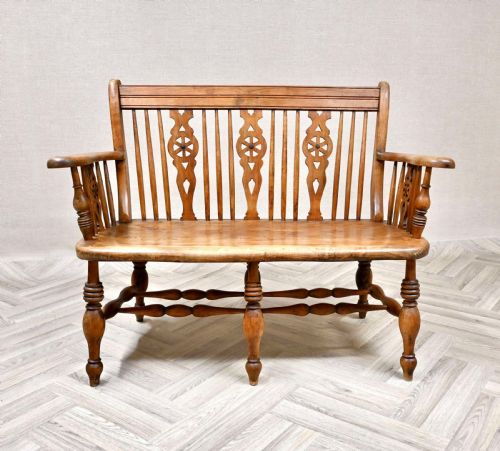
Traditional hallway seating covers a broad assortment of wooden benches, settles, chapel pews, window seats and individual hall chairs designed for domestic entries. These pieces arrive from various periods ranging from the 18th century through to the Edwardian era and the early decades of the 20th century.
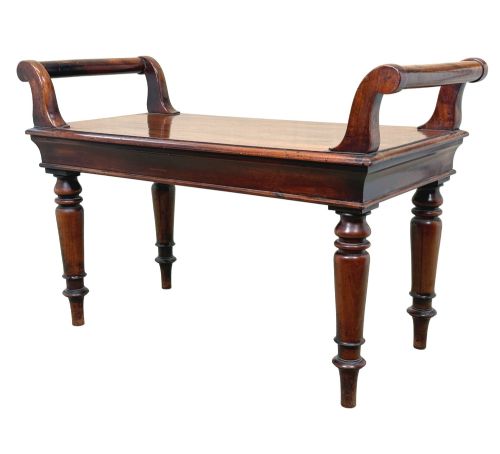
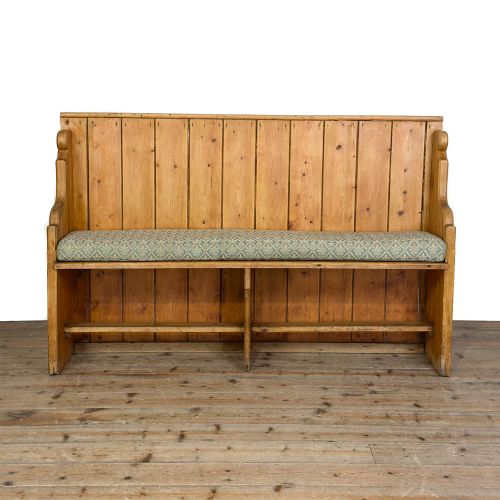
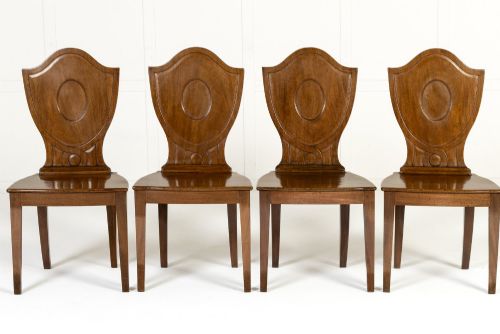
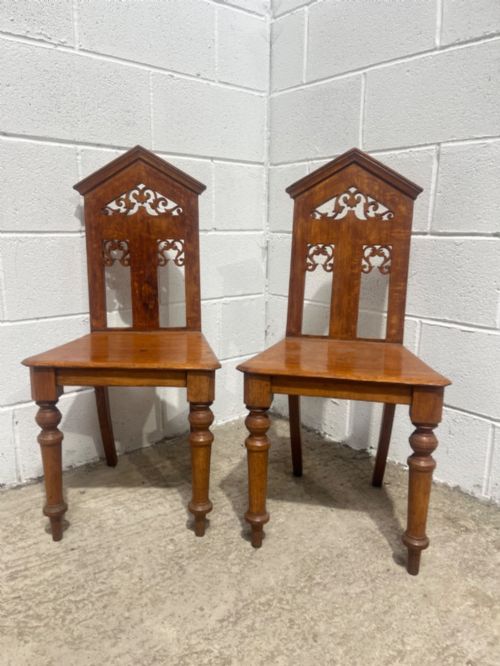
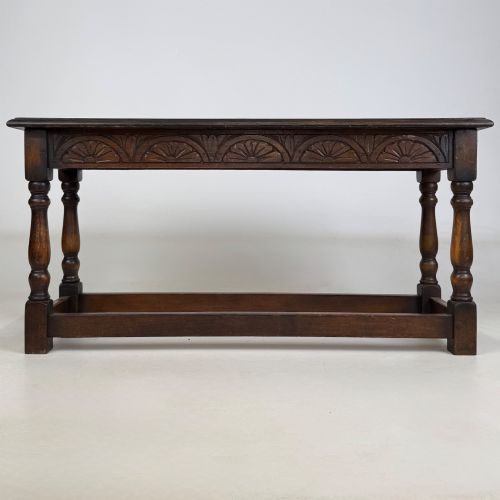
Buyers frequently encounter pine church pews, oak box settles with lift-up lids, and painted Hungarian folk art benches across this selection. Mahogany window seats and Regency or Victorian hall chairs also appear regularly to furnish narrower corridors and landings.
Makers shaped these forms for heavy daily use, incorporating clever storage compartments, high backs to block draughts, or slender profiles suited to domestic walkways.
Materials and Construction
Carpenters relied primarily on solid timbers such as oak, pine, elm and mahogany, paired occasionally with iron fixings and textile upholstery. Workers joined panels with traditional joints, carving decorative details into oak backs or turning wooden spindles by hand.
Many pine and elm examples display aged wax finishes or original painted surfaces in black, blue and grey. These protective layers develop natural patinas over decades of domestic wear.
Listings feature items spanning the 18th, 19th and early 20th centuries, constructed from pine, oak, mahogany, elm and painted timber.
Build and Proportion
Quality rests in the integrity of the timber framing, the retention of original surfaces and the proportion of the piece relative to typical corridor spaces. Solid construction without excessive modern intervention separates durable daily furniture from heavily altered items.
Desirable examples preserve their original hinges, lift-up box lids, carved panels or uncompromised painted finishes without losing their structural balance.
The Traditional Hallway Seating Glossary
- Box settle
- A high-backed wooden bench featuring a storage compartment beneath the seat. This form kept household items tucked away while shielding occupants from cold draughts.
- Church pew
- A long wooden bench originally built for ecclesiastical interiors. These sturdy pieces transferred easily into domestic hallways for communal seating.
- Window seat
- A low bench proportioned to sit beneath window frames. These often feature upholstered tops or polished mahogany frames.
- Hall chair
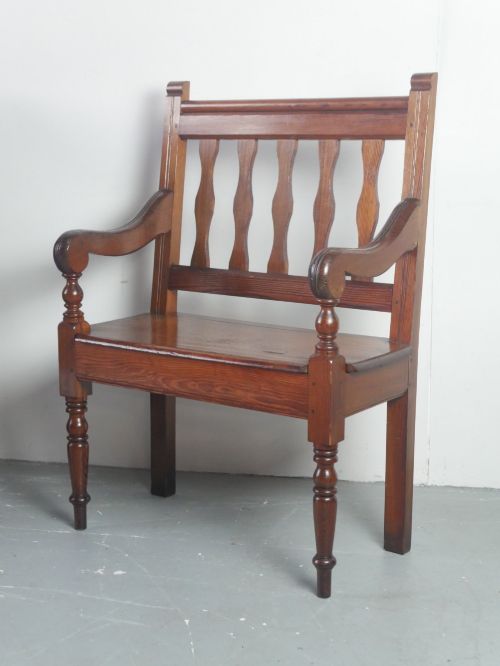
- An upright wooden seat designed for corridors rather than long sitting. These frequently feature carved backs and solid timber panels.
- Patina
- The surface sheen and colour developed by timber over years of handling and polishing. This indicator reflects the age and history of a wooden antique.
Traditional Hallway Seating: Frequently Asked Questions
How do I choose the right size for a narrow hallway?
Measure the clearance space carefully, accounting for protruding arms, open doors and foot traffic routes.
Slim benches, window seats or compact hall chairs offer functional seating without blocking movement in confined corridors.
What is the difference between a settle and a bench?
A settle typically includes a high solid back and enclosed sides designed to block cold air in older homes.
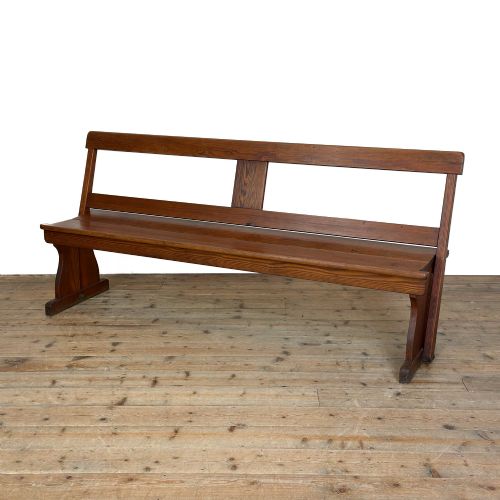
A standard bench offers a more open structure with legs and a backrest suited to modern heated spaces.
How do I maintain waxed pine hallway furniture?
Apply a clear bees wax periodically using a soft cloth and buff gently to preserve the moisture and sheen of the wood.
Avoid placing timber pieces near direct heat sources or damp exterior walls to prevent warping.
Were hall chairs meant for comfortable sitting?
Hall chairs served as brief resting spots for visitors waiting to be announced or family members putting on footwear.
Their upright wooden seats and carved backs prioritised formal appearance and durability over long-term relaxation.