



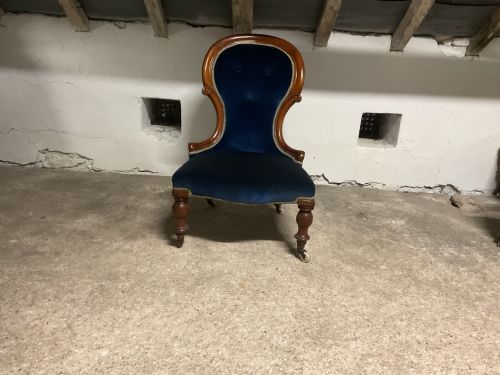
Victorian Mahogany Seat
When seeking a victorian mahogany seat, buyers encounter robust dining chairs, armchairs, and nursing seats forged during the nineteenth century.
Victorian Mahogany Seat
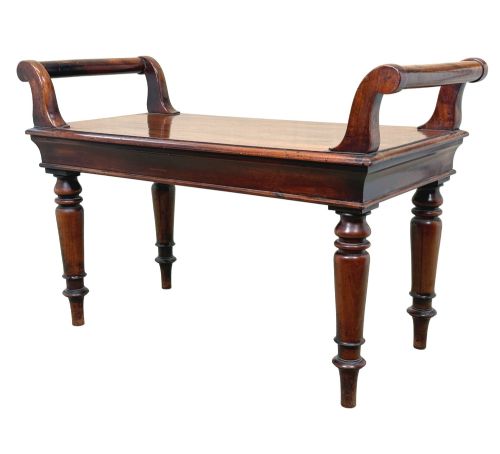
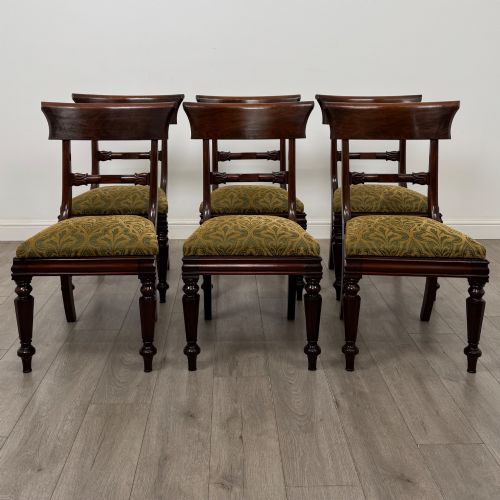
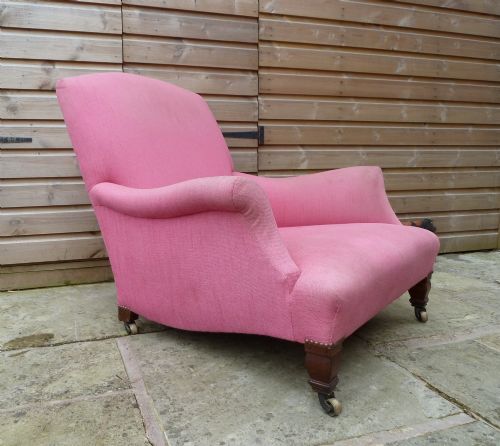
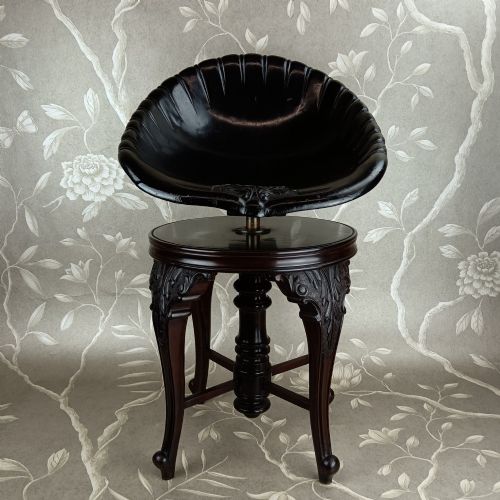
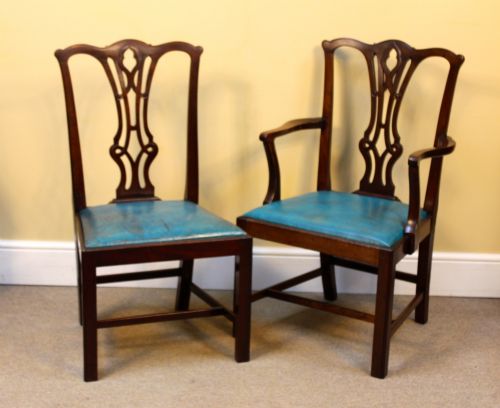
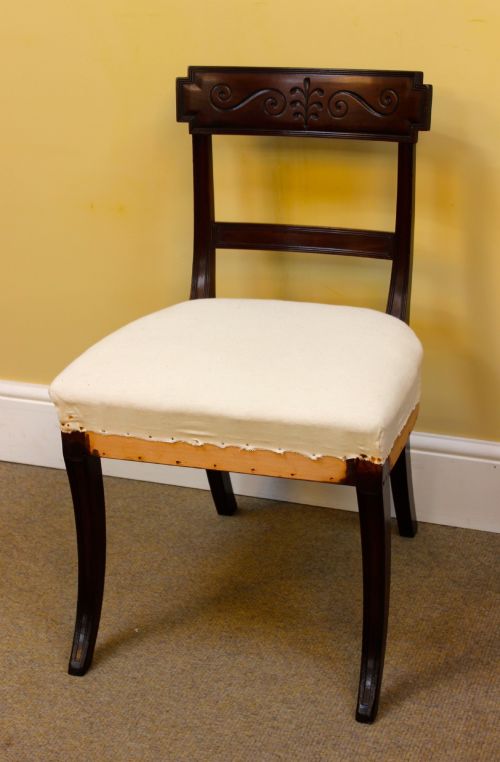
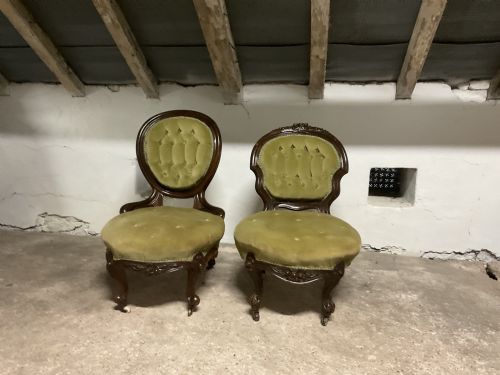
A victorian mahogany seat encompasses diverse forms including dining chairs, armchairs, desk chairs, hall chairs, and window seats originating across the nineteenth century. Buyers on this page most frequently encounter dining sets and button-backed armchairs spanning from the 1850s to the 1900s.
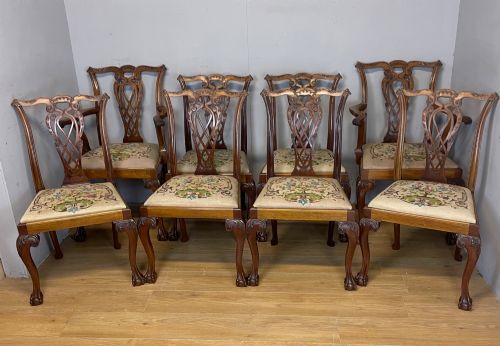
The selection also spans occasional seating, footstools, and library chairs built under stylistic influences such as Regency, William IV, and Chippendale revival. Pieces range from modest single hall chairs to expansive dining sets designed for large nineteenth-century homes.
Materials and Construction
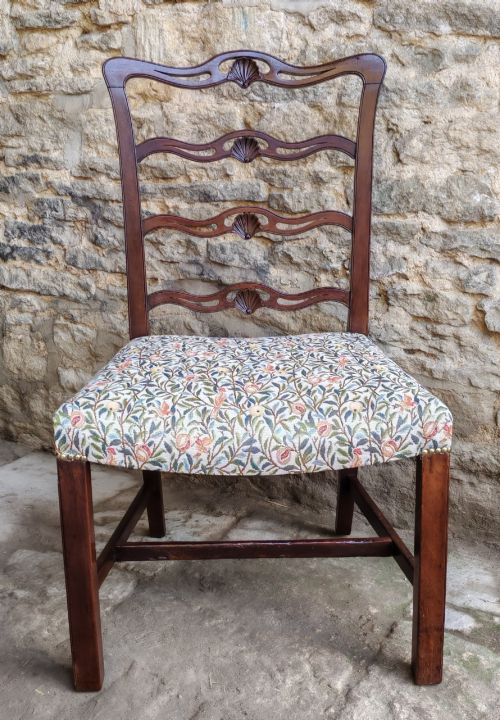
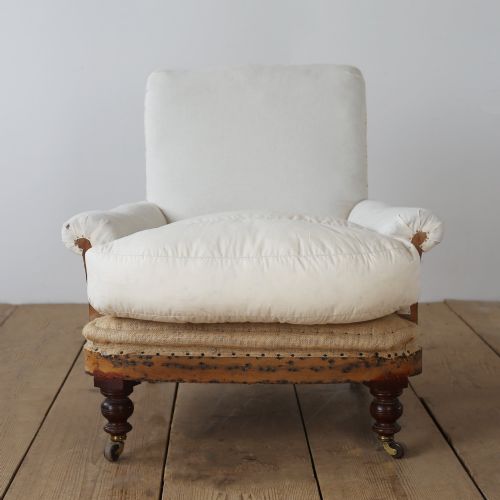
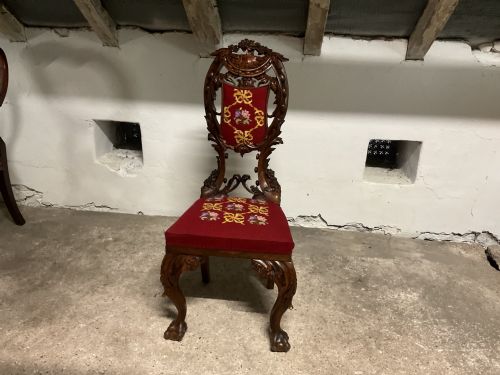
These pieces rely heavily on solid or figured mahogany framing, often shaped with carved details such as balloon backs, ladderbacks, and scroll-carved frames. Joinery is paired with traditional supporting layers including webbing, hessian, and calico beneath the outer coverings.
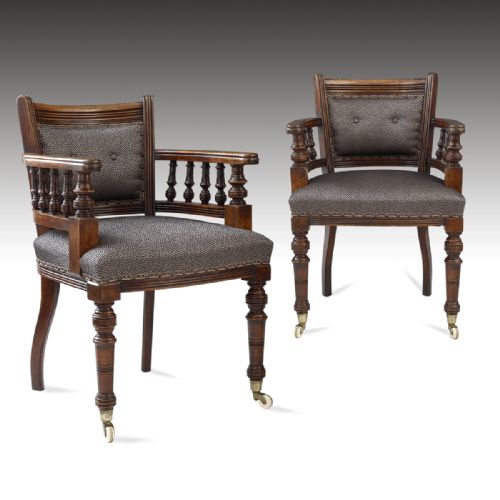
Upholstery finishes vary across the listings, incorporating leather, velvet, fabric, and needlework. Brass elements appear on desk chairs and extending tables associated with the seating.
Listings span the nineteenth century, featuring mahogany frames paired with leather, velvet, fabric upholstery, brass fittings, and exposed wood.
Markers of Distinction
Quality in a victorian mahogany seat reveals itself through the depth of carved detail, the choice of figured timber, and the integrity of the frame construction. Carvings on ladderbacks, shield backs, and balloon backs show varying degrees of crispness and hand execution.
The selection of covering materials, from plain fabric to hand-tooled leather and buttoned upholstery, indicates the original commission tier. Documented cabinet-makers and distinct revival styles further separate standard workshop production from exceptional examples.
Jennens and Bettridge·Warings·George Jack for Morris and Co
The Victorian Mahogany Seat Glossary
- Balloon back
- A rounded, oval-shaped chair back resembling a balloon, popular in Victorian dining and nursing chairs.
- Carver
- An armchair designed to match a set of dining chairs, typically placed at the head of a table.
- Button back
- An upholstery technique where depressions are formed in the padding by stitches or buttons pulled tight.
- Ladderback
- A chair back featuring a series of horizontal wooden slats resembling the rungs of a ladder.
- Shield back
- A chair back shaped in the outline of a heraldic shield, characteristic of revival dining seats.
Victorian Mahogany Seat: Frequently Asked Questions
How do I identify a Victorian chair?
Victorian chairs are typically identified by their use of dense mahogany timber, specific nineteenth-century proportions, and stylistic markers such as balloon backs or carved scrolls. Dating relies on stylistic shifts recorded across the period from the 1850s onward.
Makers' stamps, construction techniques like traditional joinery, and underlying materials such as hessian and webbing also help confirm the era of manufacture.
What is a nursing chair?
A nursing chair is a low-seated armchair designed in the Victorian era to allow women to sit comfortably while tending to infants or dressing. Their low profile distinguished them from standard parlour or dining seating.
They frequently feature button-backed upholstery and sprung seats supported by turned or carved wooden legs.
Are these chairs suitable for daily dining?
Victorian dining chairs in mahogany are robustly built and well-suited for everyday modern use. Their sturdy hardwood frames withstand regular sitting.
Buyers should check that the internal webbing and joints remain stable, as centuries of use can loosen traditional glue and frame construction.
What is a carver chair?
A carver chair is an armchair built with arms that matches a set of smaller side or dining chairs. They were traditionally positioned at the ends of a dining table.
These pieces share the timber and carved motifs of the accompanying chairs while offering additional arm support.