

Victorian Piano Seat
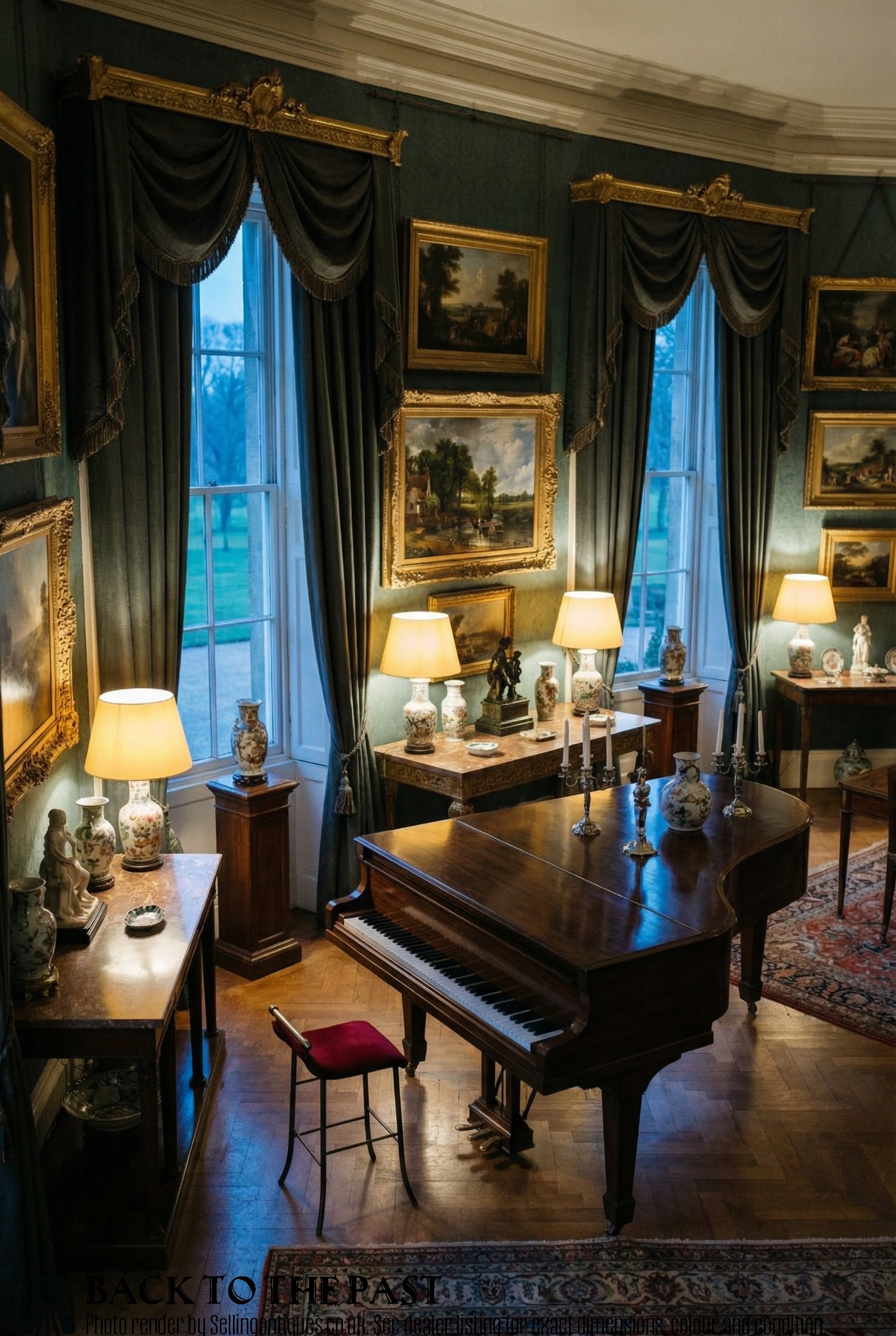
A victorian piano seat provides functional seating for musicians while showcasing the rich cabinetmaking traditions of the nineteenth century.
Victorian Piano Seat
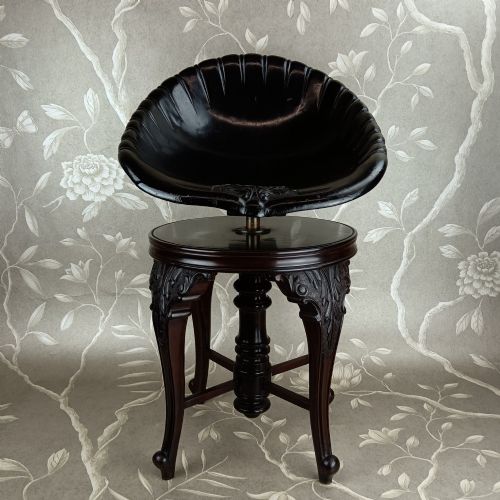
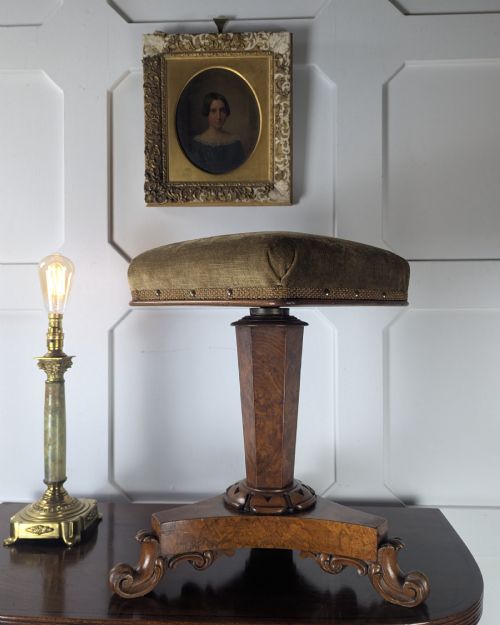
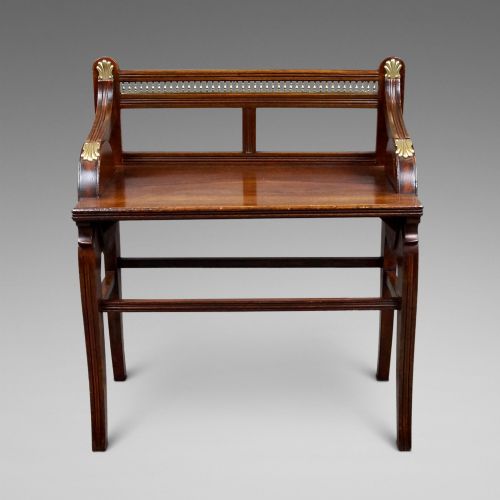
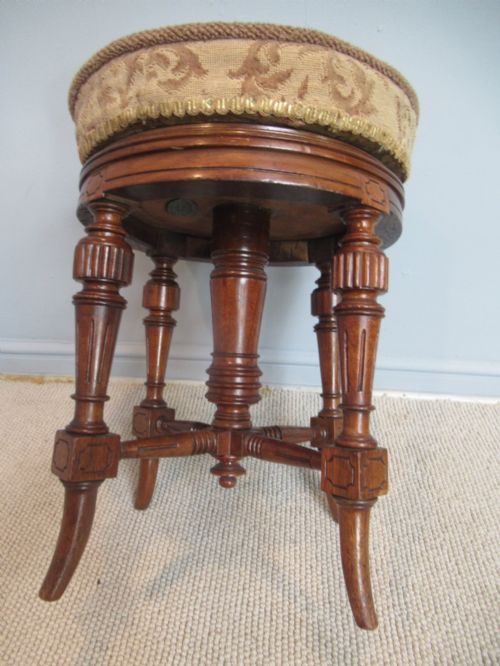
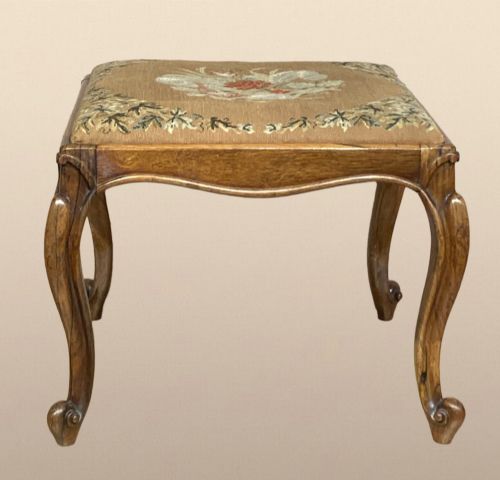
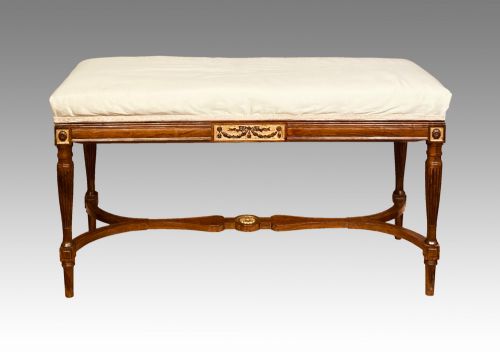
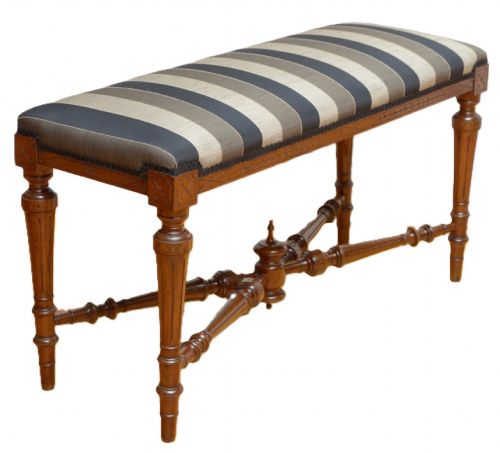
Mahogany and walnut form the core of the selection, frequently paired with rosewood, ebonised finishes, and occasional papier-mâché. The pieces appear in standard Victorian formats alongside Regency, William IV, and Edwardian interpretations.
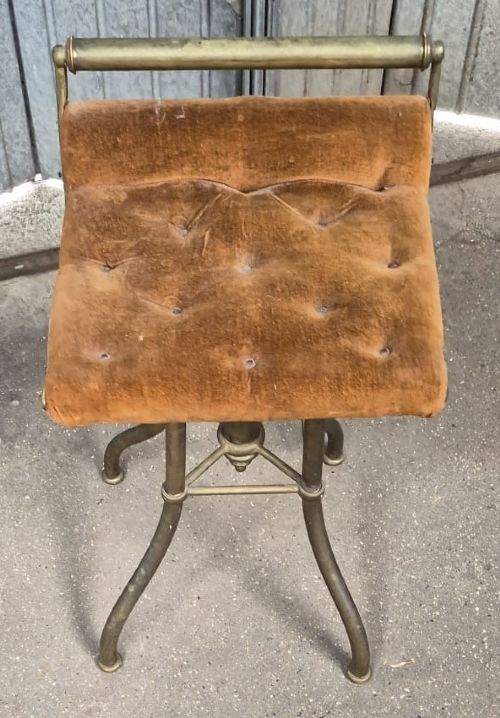
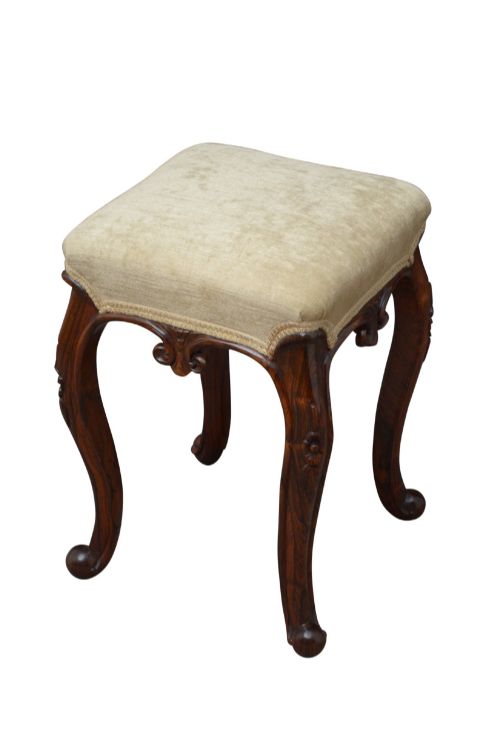
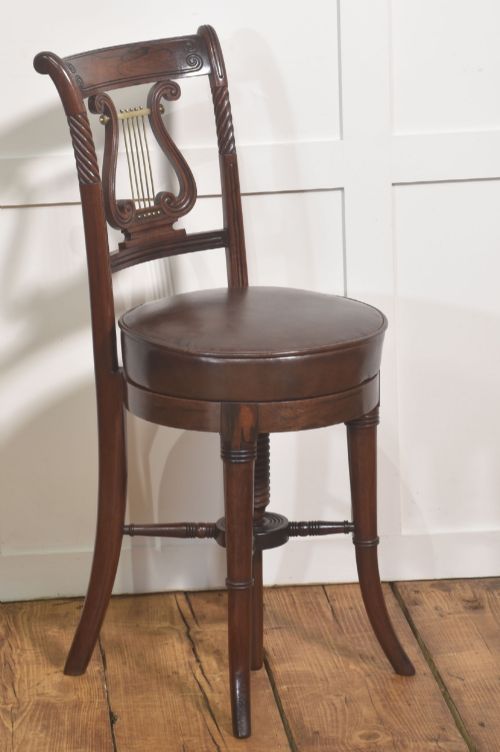
Stools range from simple cabriole leg dressing seats to elaborate brass-framed harpist chairs and industrial cast iron designs. The variety reflects the diverse domestic and musical requirements of period households.
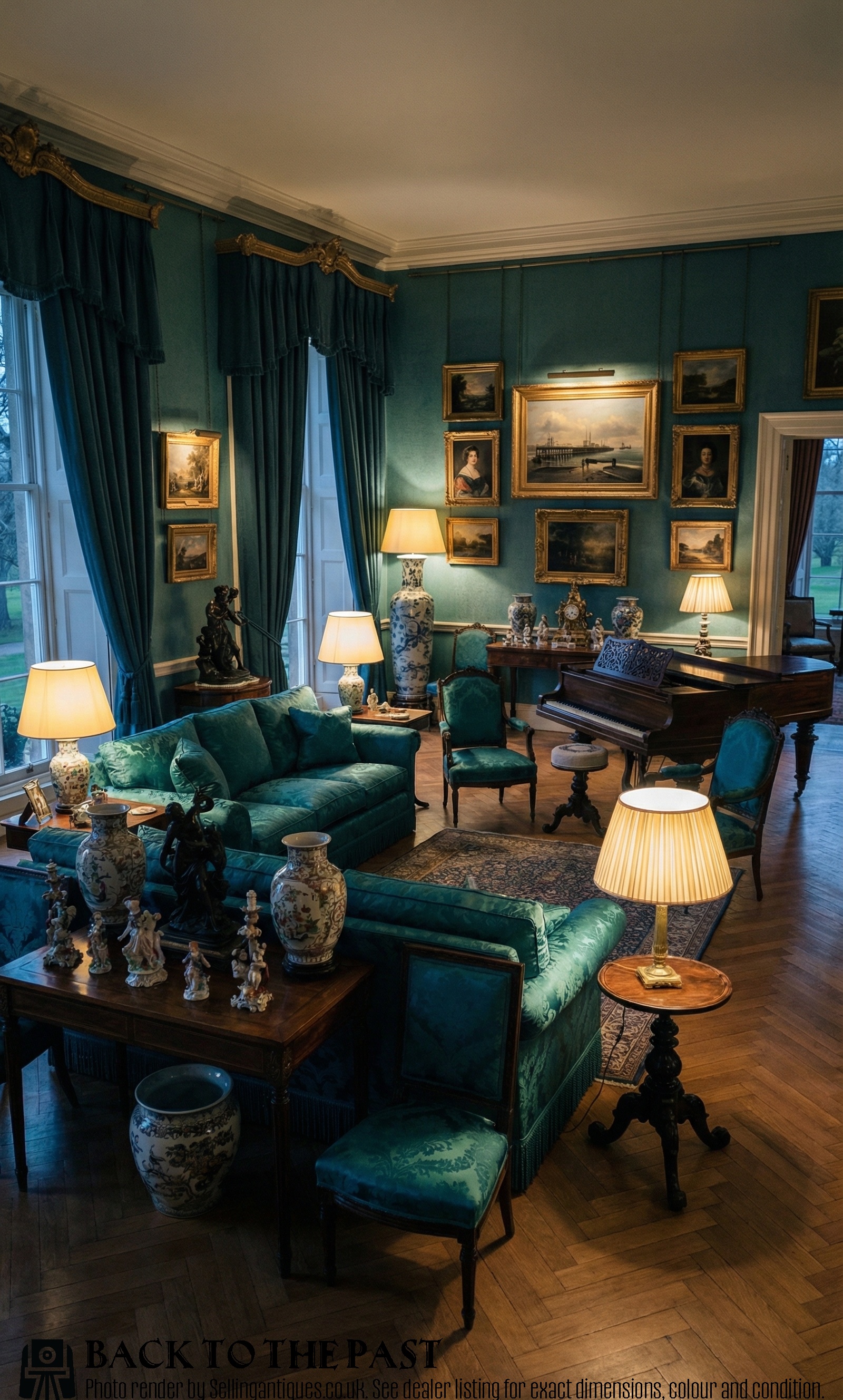
Materials and Construction
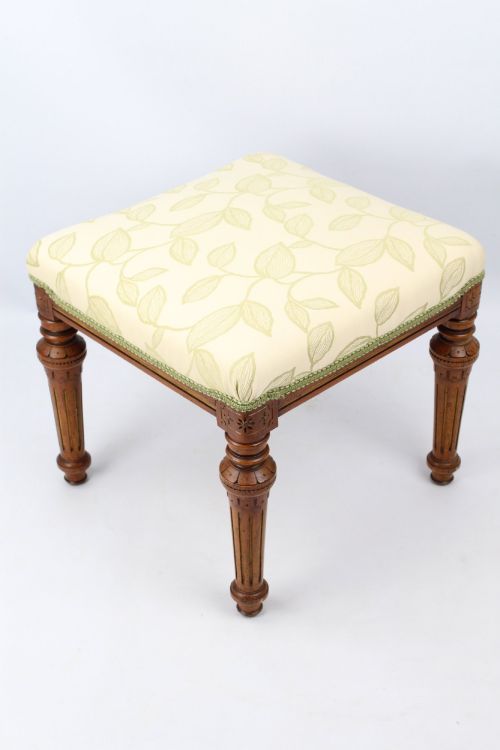
Cabinetmakers utilised dense timbers including mahogany, walnut, and rosewood, shaping them into cabriole legs, turned columns, and carved frames. Secondary woods provided structural stability for swivel mechanisms and adjustable height screws.
Upholstery required traditional stuffing materials finished in velvet, tapestry, fabric, leather, and crewel work. Brass hardware reinforced swivel joints, rise and fall screws, and framed seating structures.
Victorian Piano Seat Retail Price Guide 2026
Typical asking prices for victorian piano seat among the pieces listed under this phrase on Sellingantiques today, from the lower quarter to the upper quarter. They describe what is for sale here now, not the wider market.
Musicians relied on spinning their seats so enthusiastically that many surviving stools retain wonderfully well-worn brass swivel screws.
Quality Variations
The refinement of the carving and the choice of timber set finer examples apart from utilitarian workshop pieces. Figured walnut, burr maple, and goncalo Alves wood indicate higher production standards.
Mechanical complexity defines another tier of quality, seen in smooth revolving swivel actions and robust rise and fall mechanisms. Original upholstery materials and branded maker signatures further elevate a piece.
Jennens and Bettridge·Charles Nosotti·Gillows·Charles Wadman·Jas Shoolbred
The Victorian Piano Seat Glossary
- Revolving stool
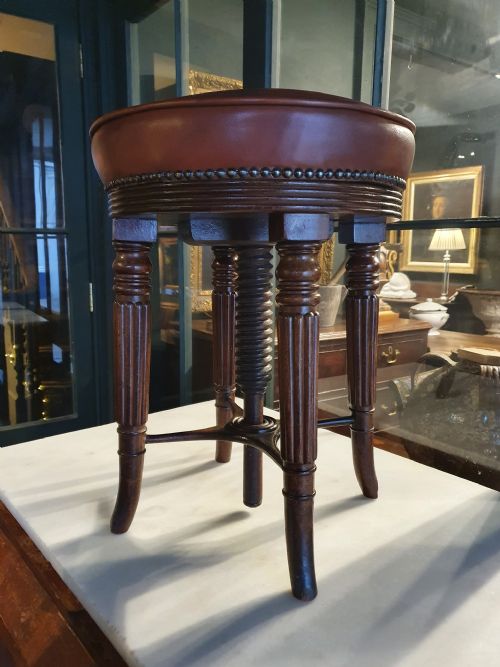
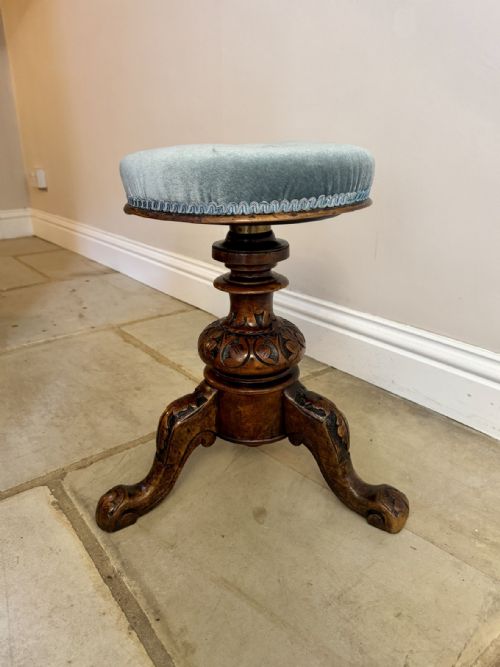
- A seat featuring a swivel top that rotates on a central wooden or metal screw mechanism. This allowed the player to adjust their position easily while seated at the keyboard.
- Rise and fall
- An adjustable height mechanism operated by turning the seat top to raise or lower the seating platform. It provided customisable seating for different musicians.
- Duet stool
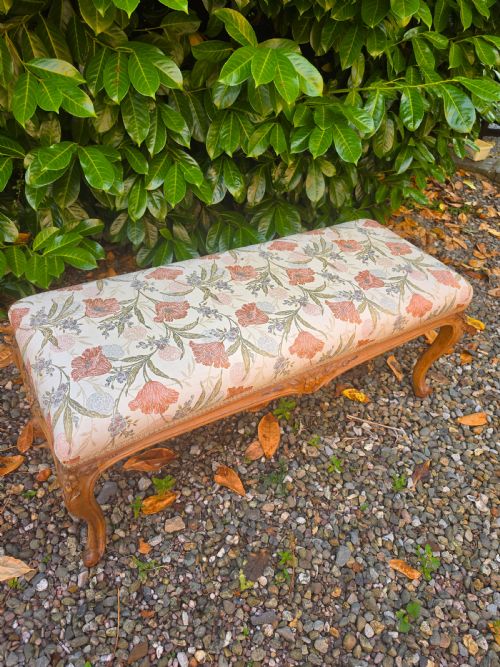
- An extended bench designed to accommodate two players simultaneously during piano duets. These often incorporate hinged lift-up seats with internal music storage lockers.
- Cabriole leg
- A furniture leg that curves outward in a convex arc and tapers inward in a concave arc, mimicking an animal's leg. This form appeared frequently on mid-nineteenth-century seating.
- Ebonised
- Wood treated with a dark finish to imitate expensive ebony. Makers utilised this technique to create striking, dark-toned frames popular during the later nineteenth century.
Victorian Piano Seat: Frequently Asked Questions
How do adjustable piano seats work?
Adjustable seats utilise a central threaded screw mechanism concealed beneath the cushion. Rotating the upper seat platform raises or lowers the height to suit the player.
Heavier wooden or iron threads ensure stability when locked at the desired height during performance.
Did all piano stools have storage?
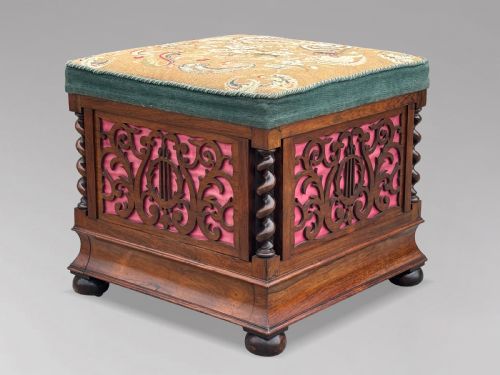
Storage compartments were typical in duet benches and larger locker stools designed to hold sheet music. Single revolving stools generally focused on the swivel mechanism rather than internal space.
Lift-up lids or drop-front panels provided discreet access to scores kept directly beneath the seat.
How do I style a piano stool today?
These seats function effectively as dressing table chairs, window seats, or low side benches in living spaces. Their compact proportions allow them to fit easily into hallways and bedrooms.
Pairing a walnut or mahogany frame with contemporary interiors adds historic character and practical extra seating.
How to date a nineteenth century stool?
Dating relies on timber choices, leg profiles, and mechanical complexity. Early examples often feature Regency or William IV styling with rosewood and heavy turning.
Later Victorian and Edwardian pieces introduce ebonised finishes, aesthetic movement details, and simpler turned supports.