




Long Window Seat
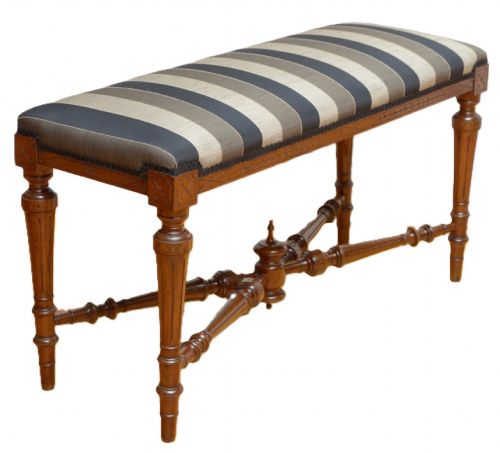
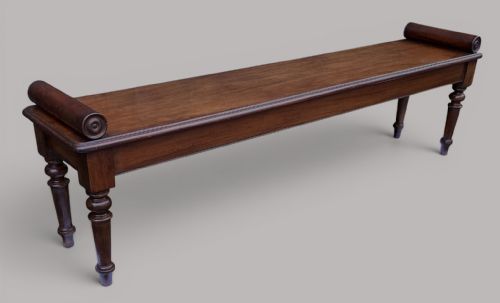
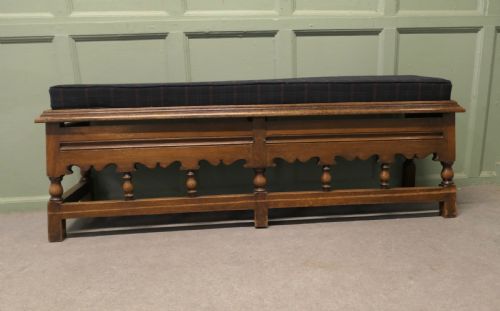
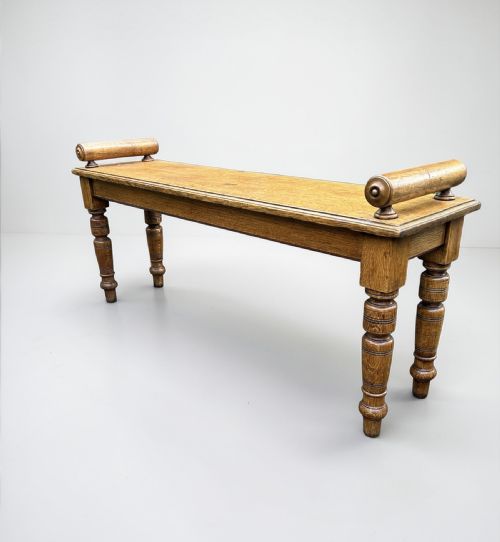
A long window seat provides low, extended seating designed specifically for placement beneath sills or along hallways, combining utility with formal elegance.
Long Window Seat
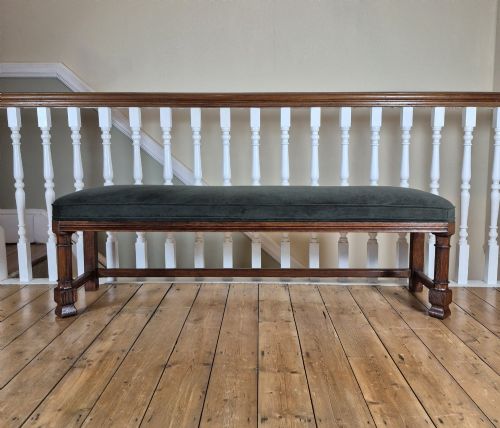
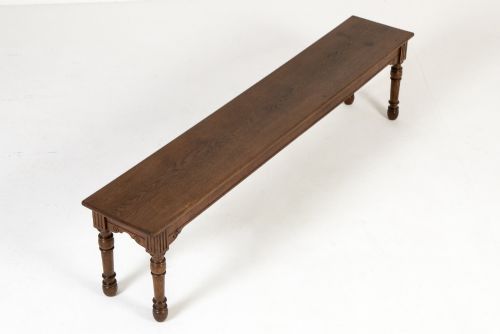
A long window seat bridges the category between benches, long stools, and daybeds, frequently sharing profiles with hall benches and piano duet stools.
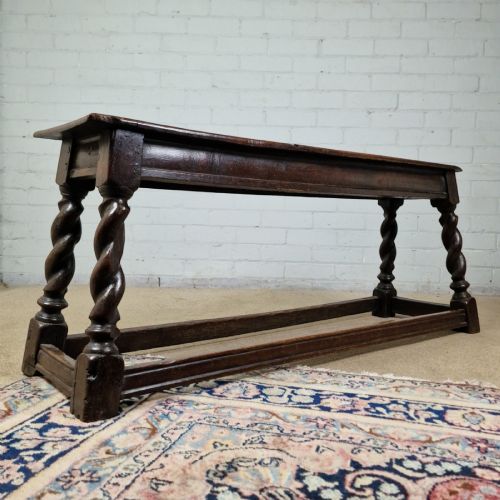
The selection ranges from eighteenth-century mahogany and oak examples to nineteenth-century Victorian, Regency, and Edwardian pieces, alongside continental styles including French and Italian variants.
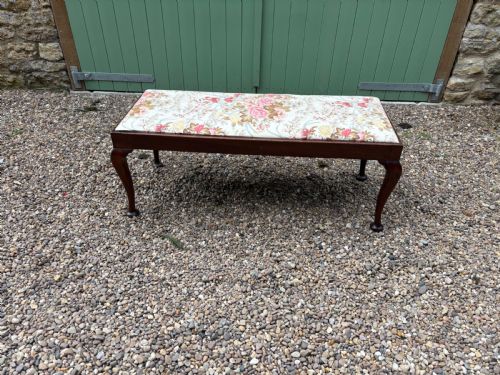
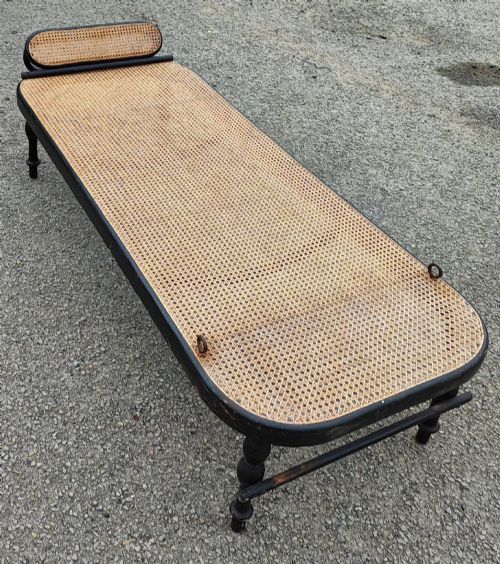
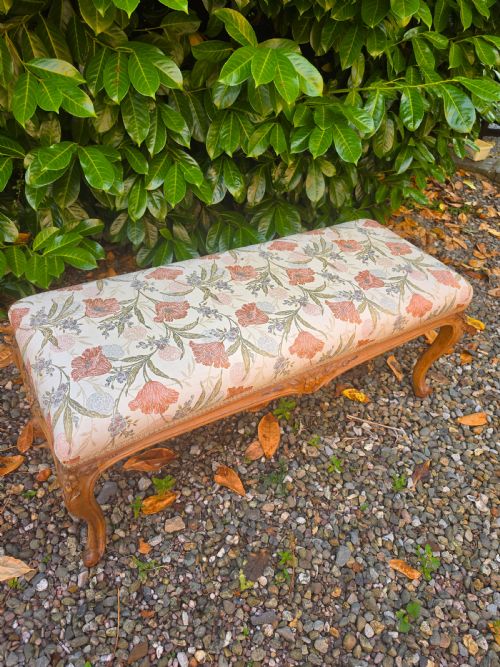
Buyers encounter formats running up to six feet in length, sometimes supported on cabriole or fluted legs, and occasionally incorporating hinged seats or cane panels.
Quality and Proportion
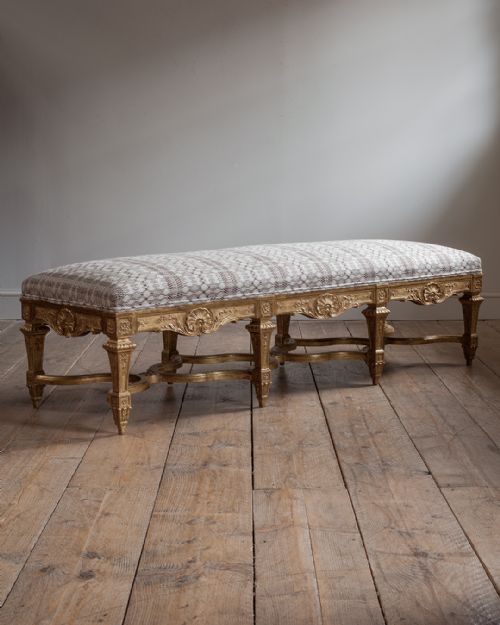
Distinction rests upon the drawing of the frame, where well-proportioned legs and crisp carving demonstrate superior craftsmanship over heavier, plain execution.
The integration of secondary timbers and the retention of original finish or period textiles elevate a piece beyond later alterations and replaced surfaces.
Listings feature woods spanning mahogany, walnut, oak, birch, cherrywood, rosewood, and fruitwood across the eighteenth, nineteenth, and early twentieth centuries.
Gillows·Morris & Co
The Long Window Seat Glossary
- Cabriole leg
- A furniture leg that curves outward at the knee and tapers inward to an ankle, often ending in a pad or claw foot. This form derives from animal limbs and appears frequently on eighteenth and nineteenth-century seating.
- Duet stool
- An extended piano seat designed to accommodate two players side by side. These often feature hinged lids opening to reveal sheet music storage within.
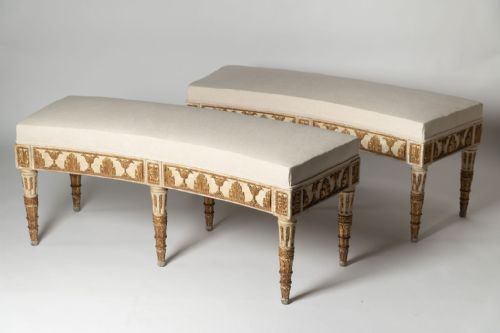
- Giltwood
- Timber coated with a thin layer of gold leaf or powder. It defines decorative framework found in revival pieces.
- Caning
- A seating material woven from peeled rattan strips in an open mesh pattern. It provides lightweight rigidity for frames.
- Regency
- An English design period spanning the early nineteenth century. Pieces from this era draw heavily on classical Greek, Roman, and Egyptian motifs.
Long Window Seat: Frequently Asked Questions
Where should I place a long window seat?
These pieces suit positions beneath low windows, along wide hallways, or at the foot of a bedroom bed. Their extended proportions anchor large empty wall spaces effectively.
They also function as low seating in reception rooms where high-backed chairs would obstruct natural light and views.
Are these seats suitable for daily use?
Solid timber frames and sturdy joinery make these benches robust enough for regular sitting in high-traffic areas like hallways. Upholstered versions offer comfortable lounging when paired with appropriate cushioning.
Care should be taken with antique cane panels and delicate silk or velvet textiles to prevent excessive wear.
What is the difference between a window seat and a hall bench?
While window seats and hall benches frequently overlap in form and length, hall benches often incorporate solid backs, boot storage, or coat hooks. Window seats are generally backless or low-backed to fit beneath window ledges.
Both share the extended rectangular footprint characteristic of long seating furniture.