



Antique Bench Arms
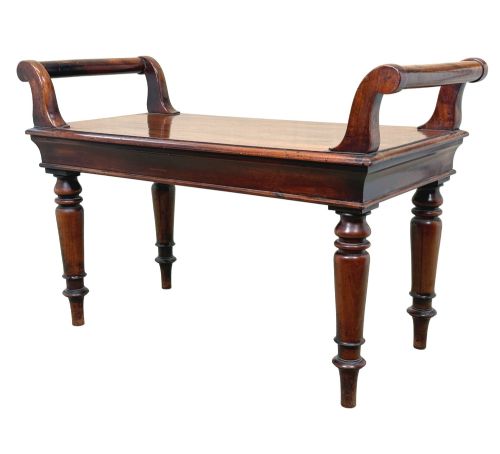
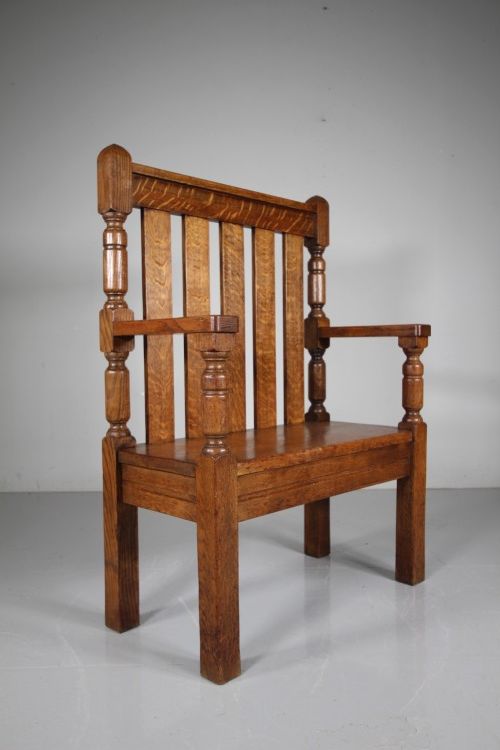
These antique bench arms sit upon seats, benches, and window seats, offering structural support and defined form for seating.
Antique Bench Arms
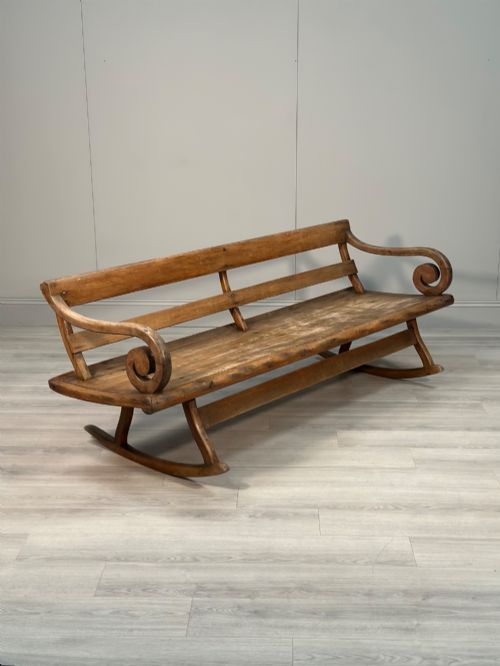
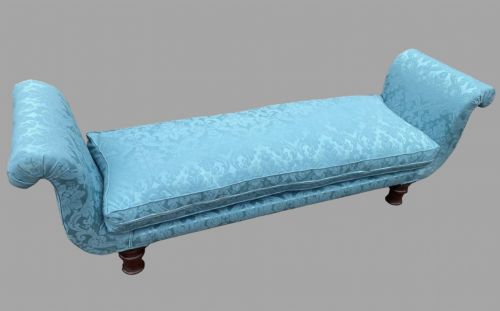
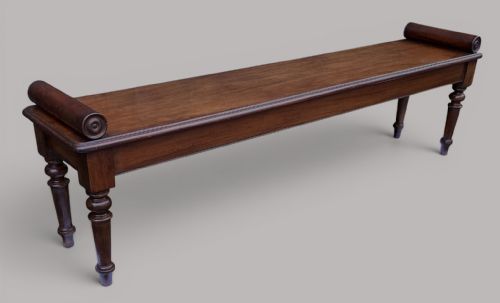
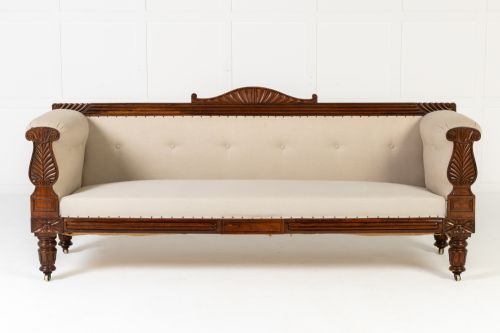
When you search for antique bench arms, you encounter structural woodwork and metalwork designed for seating furniture such as window seats, hall benches, garden benches, and sofas. The listings show forms primarily from the nineteenth century, including Regency, William IV, Victorian, and Edwardian periods.
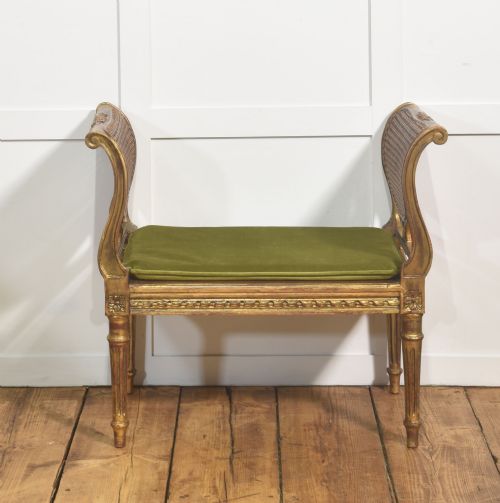
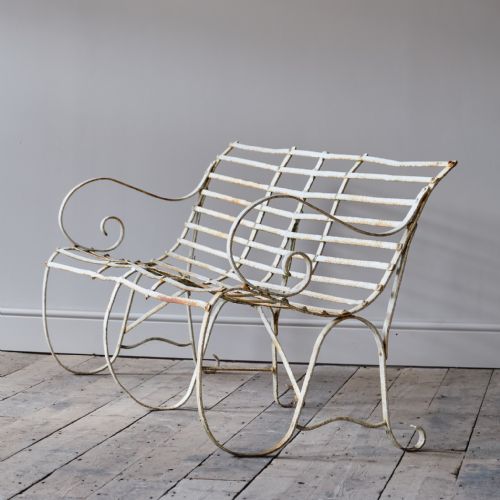
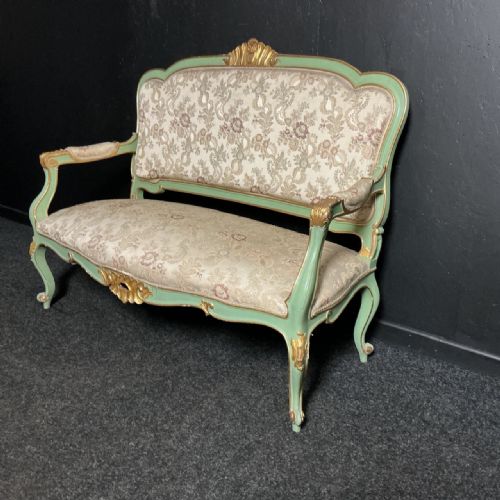
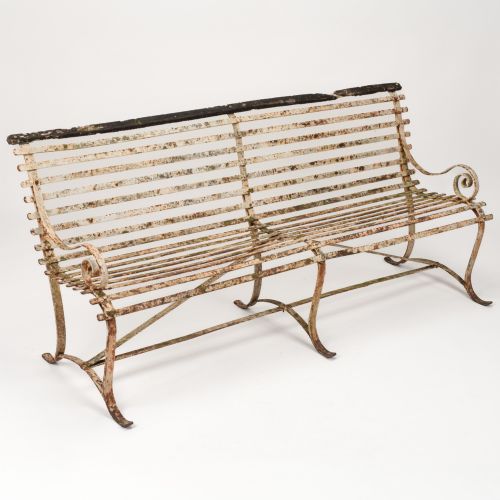
The version you are most likely to meet on this page is the mahogany or walnut window seat and hall bench, often featuring scroll or open arms attached to framed seating. These pieces span formal English country house furniture to French styles and garden strapwork benches.
Makers and workshops utilised various timbers and metals to construct these supports, integrating them into the overall architectural silhouette of settees, stools, and daybeds.
How they were made
Makers constructed these supports using dense hardwoods such as mahogany, walnut, rosewood, and oak, alongside wrought iron for garden pieces. Timbers were carved, turned, or bent to form the profile of the arm.
Upholstered elements incorporate fabric, velvet, damask, and cane work fixed to wooden frames. Brass accents and gilt decoration appear on select Regency and French examples.
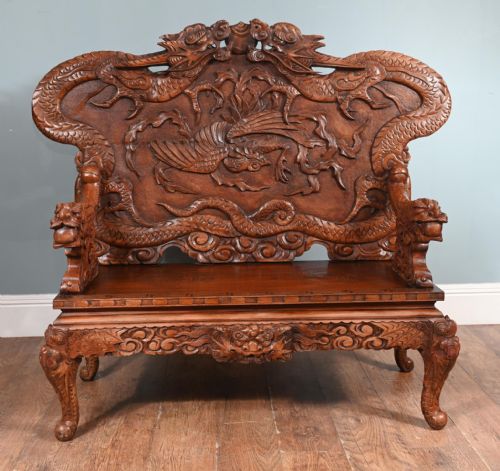
A dragon carved into a cinnabar lacquer seat watches over the room.
What varies in quality
The degree of hand-carving and the choice of timber set finer pieces apart from standard workshop production. Solid mahogany and figured walnut indicate higher specification than softer woods.
Joinery execution and the integration of the arm support into the seat rail determine the structural integrity of the piece over centuries of use.
Liberty·Thonet
The Antique Bench Arms Glossary
- Window seat
- A narrow bench designed to fit within a window recess, frequently featuring scrolled arms at one or both ends.
- Regency
- A British design period spanning the early nineteenth century, characterised by classical Neoclassical influences and elegant proportions.
- Wrought iron
- Iron beaten into shape while hot by a blacksmith, commonly utilised for outdoor garden benches and strapwork.
- Canapé
- A French term for an upholstered sofa or settee with an exposed wooden frame, often carved in the Louis XVI style.
- Settee
- A medium-length upholstered seat with back and arms, accommodating more than one person.
Antique Bench Arms: Frequently Asked Questions
What is a window seat?
A window seat is a compact bench built for placement beneath a window, typically equipped with low arms.
These pieces function as secondary seating in reception rooms and hallways.
How do I identify Regency furniture?
Regency pieces date from the early nineteenth century and draw inspiration from classical Greek and Roman designs.
They often feature dark mahogany or rosewood, sometimes with brass inlay and sabre legs.
What timber is most common?
Mahogany appears frequently across the nineteenth-century seating on this page, valued for its strength and rich grain.
Walnut, oak, and rosewood also feature prominently in framed sofas and stools.