
Dark Wood Seats
Dark wood seats are sturdy domestic and formal chairs, benches, and stools offering reliable everyday function and period character for dining rooms and halls.
Dark Wood Seats
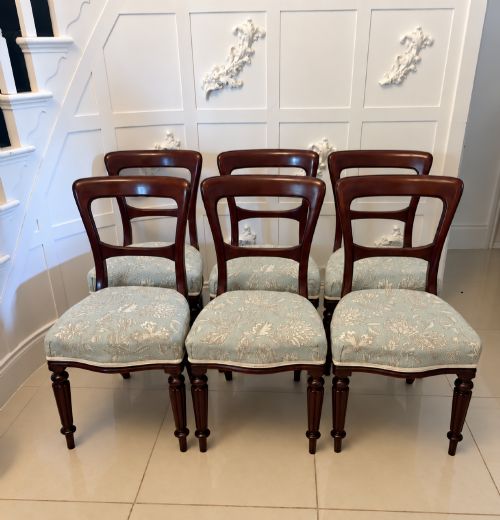
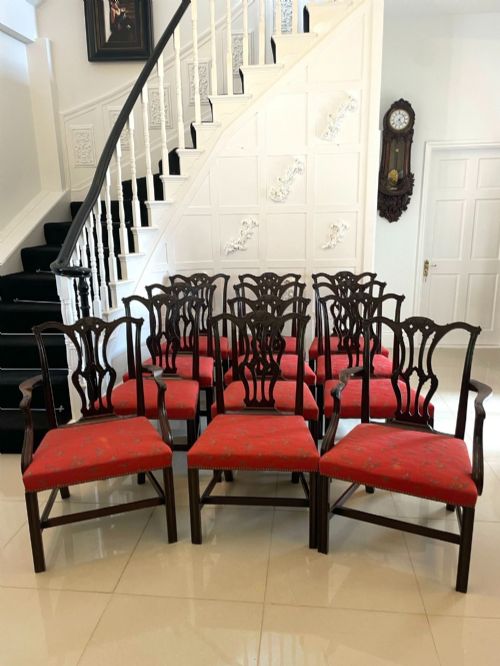
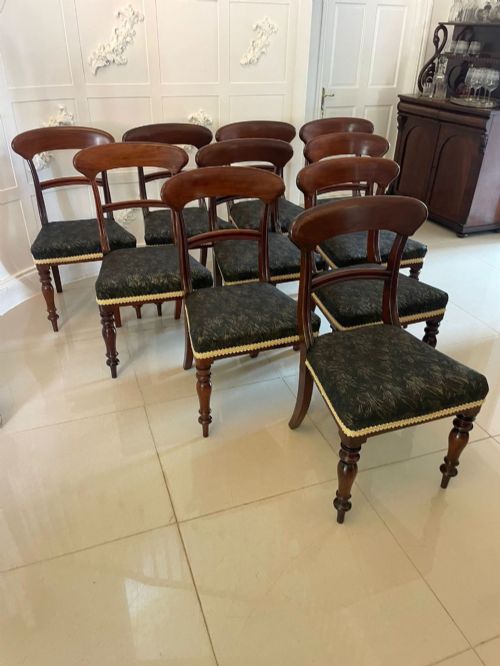
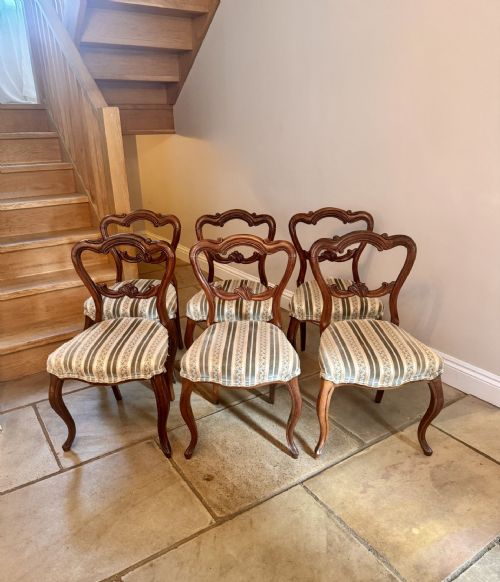
Dark wood seats encompass dining chairs, armchairs, hall chairs, benches, and stools spanning the eighteenth, nineteenth, and early twentieth centuries. Buyers seeking dark wood seats encounter formal dining sets alongside vernacular Windsor designs and country furniture.
The selection ranges from Georgian and Regency mahogany seating to Victorian elm, beech, and oak country pieces. Makers utilised dense timbers to produce both grand library chairs and robust tavern or kitchen seating.
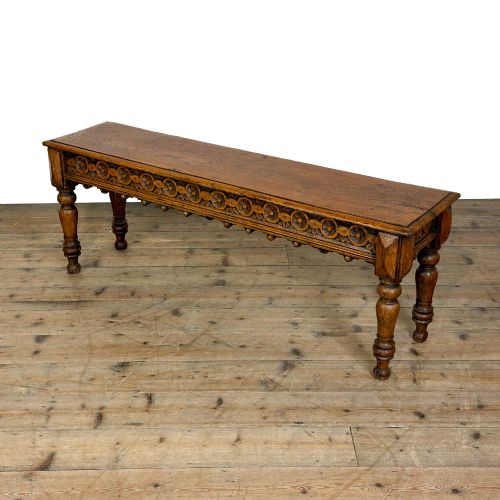
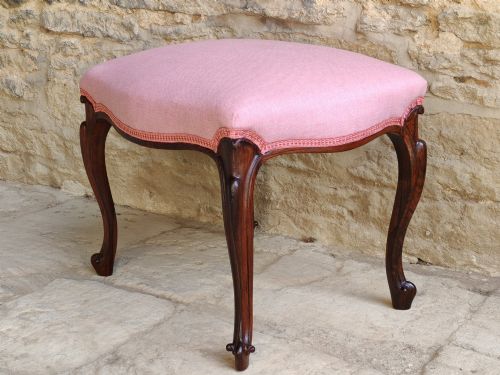
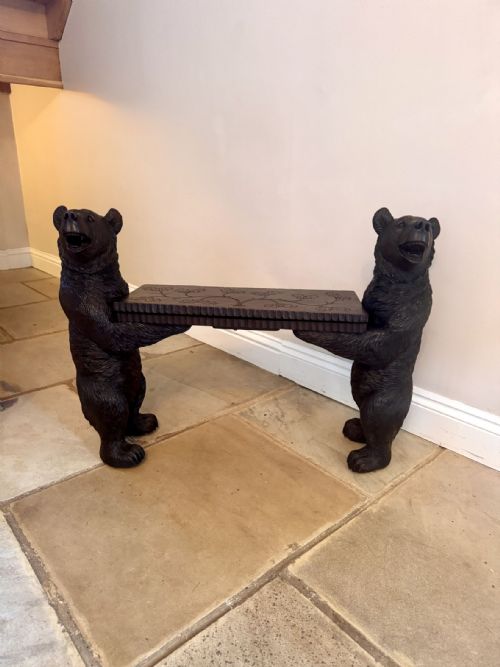
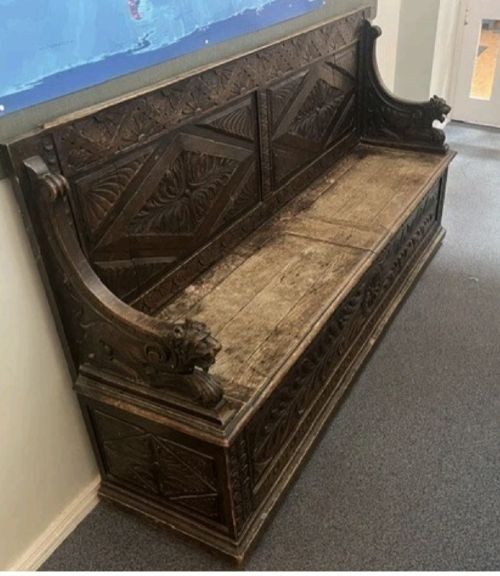
Forms include single side chairs, carvers, window seats, and ottoman box seats created across distinct stylistic periods such as Arts and Crafts, Hepplewhite, and Victorian Country.
How they were made
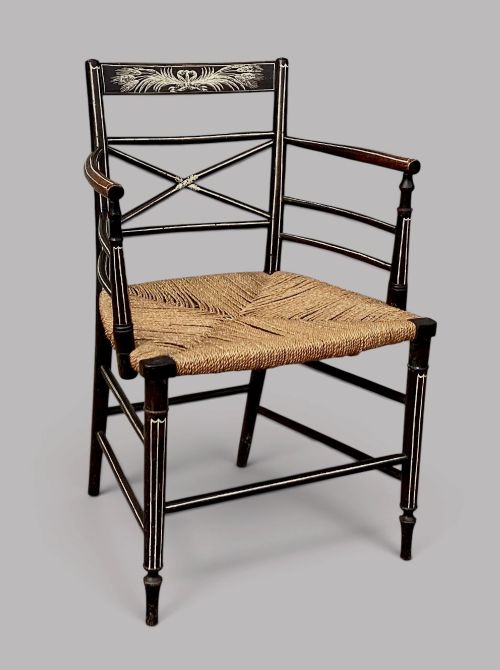
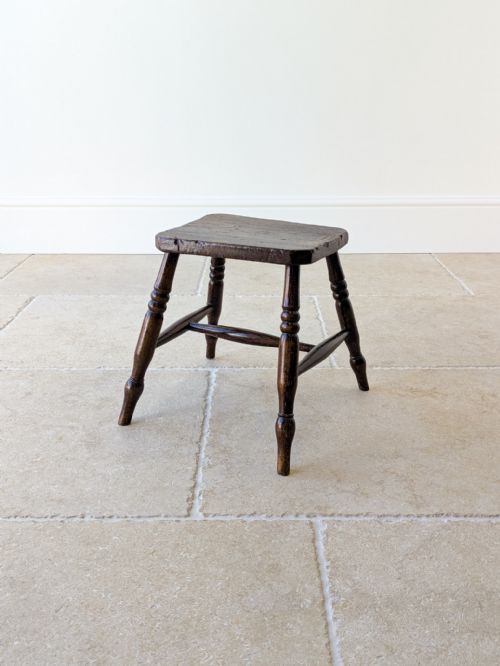
Craftsmen built these pieces using solid timbers including mahogany, oak, elm, beech, and sycamore, frequently shaping wooden seats from a single thick plank. Turned spindles, curved ladderbacks, and shield backs demonstrate traditional joinery techniques.
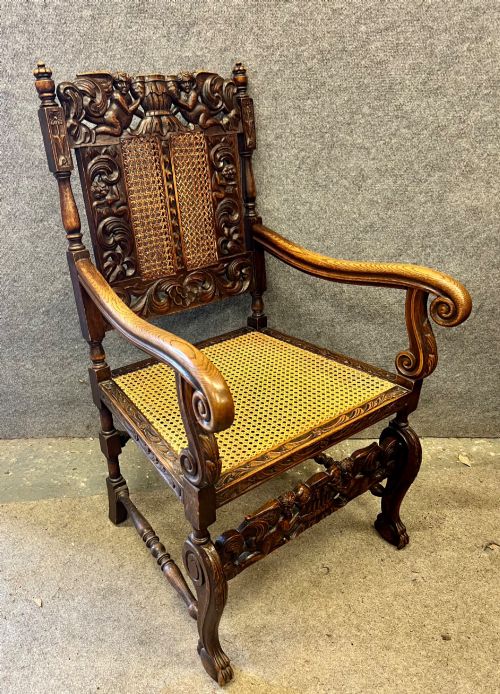
Surface treatments range from polished mahogany finishes to original paint and dark wax. Certain examples incorporate cane panels, leather upholstery, fabric pads, or mother of pearl inlay within the wooden framework.
Certain nineteenth-century music chairs include revolving mechanisms designed for harpists and cellists.
What varies in quality
Quality rests in the selection of timber grain, the precision of carved details such as lyre backs or shield backs, and the structural integrity of the frame. Higher tier pieces exhibit refined proportions and established cabinetmaker construction.
Surface preservation distinguishes superior examples, where original finishes, untouched patination, and minimal timber replacement retain historical value. Simpler country stools and vernacular chairs rely on robust utilitarian construction rather than decorative carving.
Jennens and Bettridge·Gillows·Philip Clissett
The Dark Wood Seats Glossary
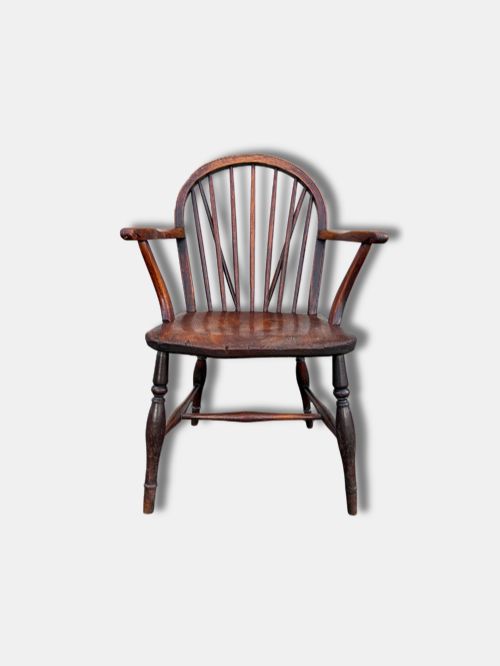
- Windsor chair
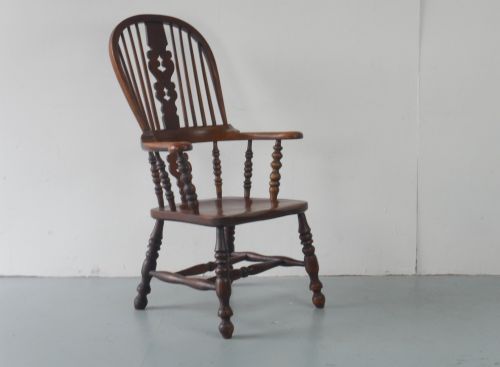
- A wooden chair featuring a solid carved saddle seat into which the legs and back spindles are wedged directly. These country pieces often combine elm seats with beech or ash framework.
- Shield back
- A chair back shaped in the outline of a heraldic shield, popularized during the Georgian period by designers like Hepplewhite. This form frequently incorporates carved foliage or central splats.
- Carver
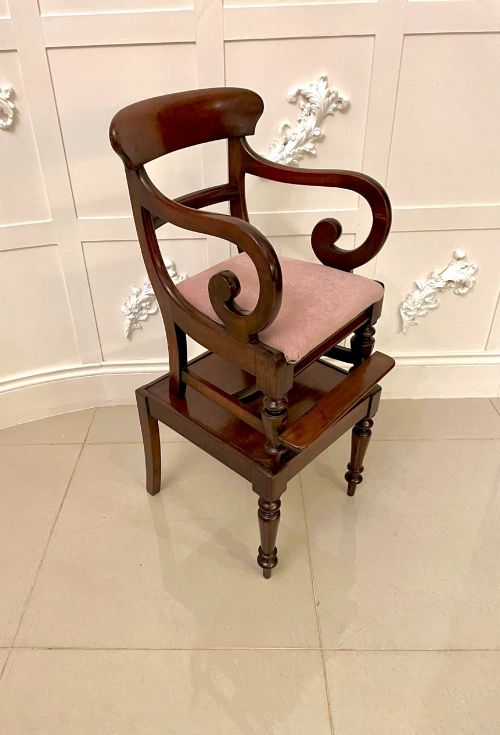
- An armchair designed to match a set of single dining chairs, typically positioned at the head of a dining table. They offer supportive elbow rests alongside the standard seat height.
- Hall chair
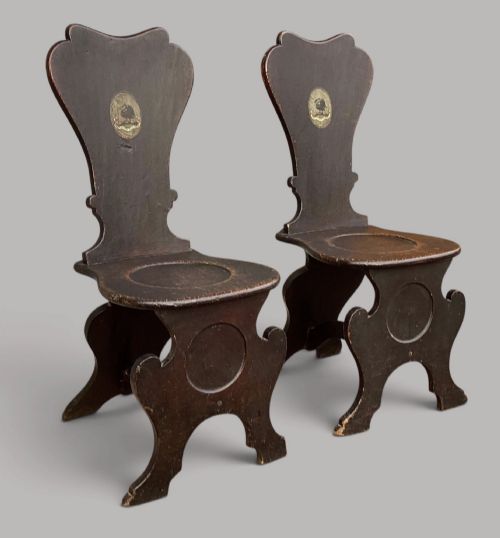
- A rigid wooden seat traditionally placed in a grand entrance hall for brief use. These pieces often feature solid wood seats and prominent carved crests or painted family crests.
Dark Wood Seats: Frequently Asked Questions
How do I clean dark wood seats?
Dust surfaces regularly with a soft, dry cloth to prevent grit accumulation on the polished timber.
Apply a traditional beeswax polish sparingly when the wood appears dry, avoiding modern silicone sprays.
Can I use antique dining chairs daily?
Most solid mahogany and oak chairs from the eighteenth and nineteenth centuries were built for robust daily service. Check joints periodically to ensure the frame remains stable under regular weight.
Avoid placing antique wooden seating in areas with extreme temperature fluctuations to protect the timber.
What is a window seat bench?
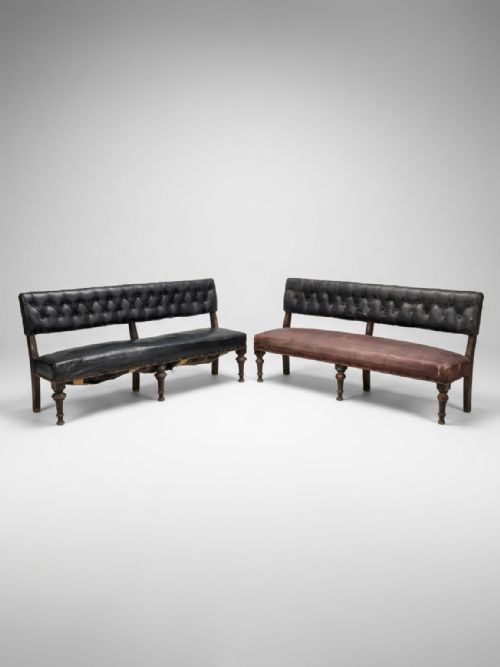
A window seat bench is a long, narrow form designed to sit beneath low window frames in reception rooms or halls. These pieces provide additional seating while maintaining clear sightlines through the glass.
Many examples feature carved mahogany frames with upholstered pads or solid wooden tops.
How do I identify a Windsor chair?
Windsor chairs are defined by their thick plank seats, which receive the legs from underneath and the back spindles from above. They lack traditional box frames, relying instead on interlocking turned components.
Country versions often combine elm seats with bent ash or beech superstructures.