

Traditional Gold Wall Mirror
A traditional gold wall mirror brings architectural weight and reflective light into a room, drawing the eye with gilded surfaces and period moulding.
Traditional Gold Wall Mirror
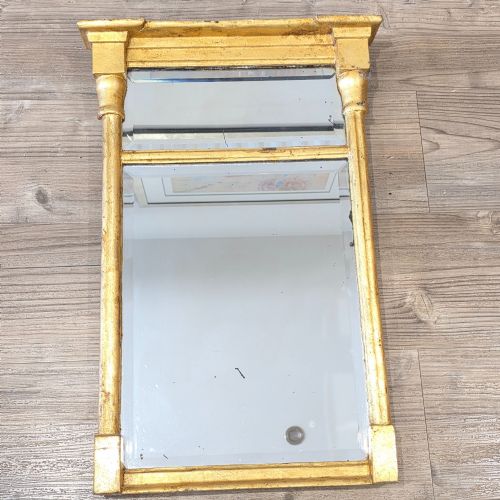
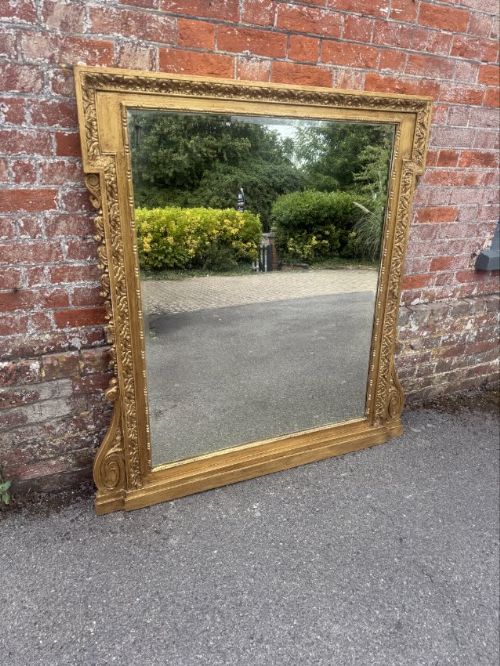
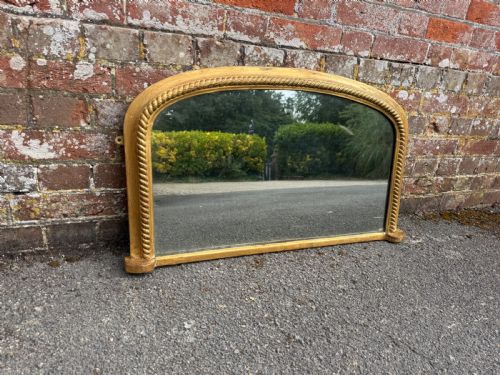
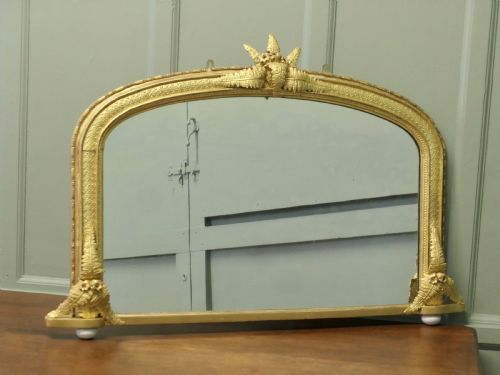
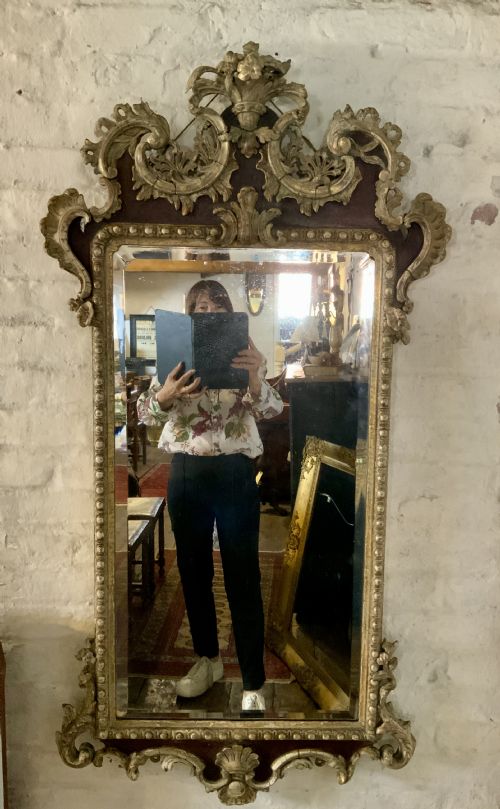
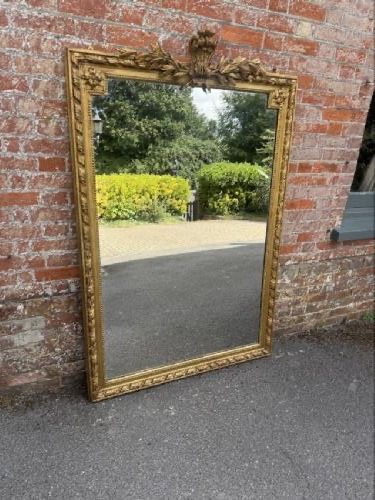
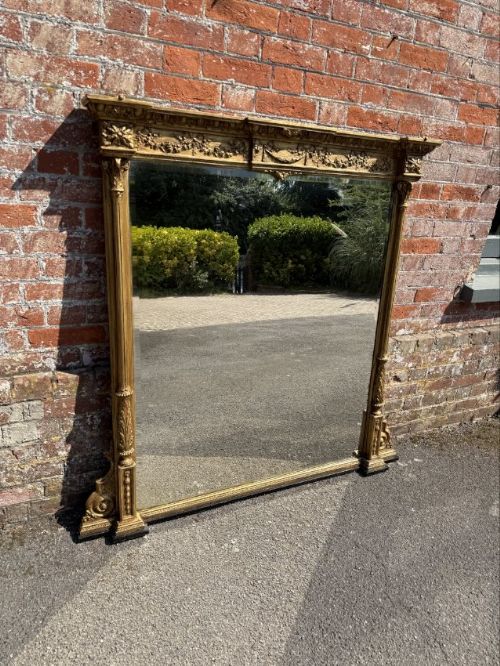
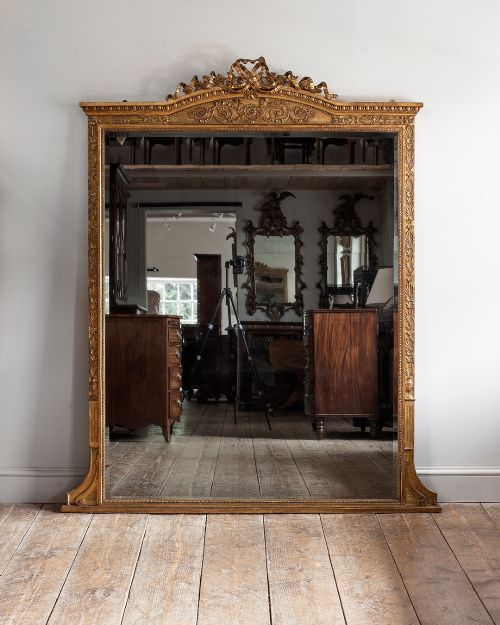
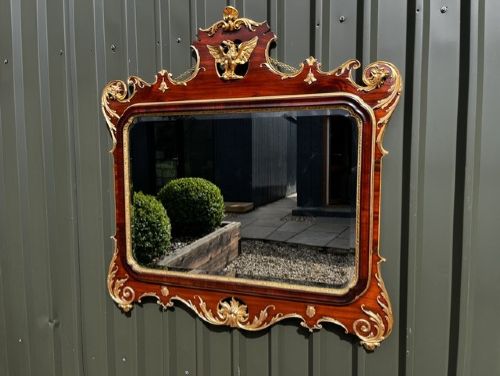
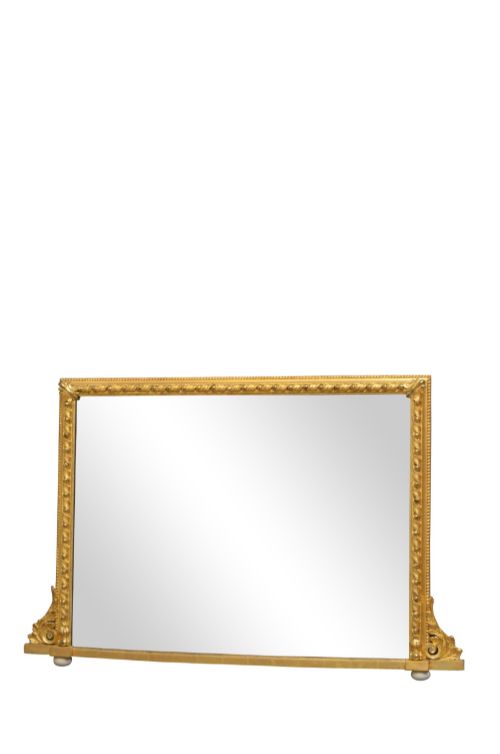
When searching for a traditional gold wall mirror, buyers encounter grand overmantel mirrors designed to sit above a fireplace alongside vertical pier mirrors and landscape wall pieces. The selection spans the nineteenth century, taking in Regency, Victorian, and Edwardian interpretations alongside French chateau and Rococo revival styles.
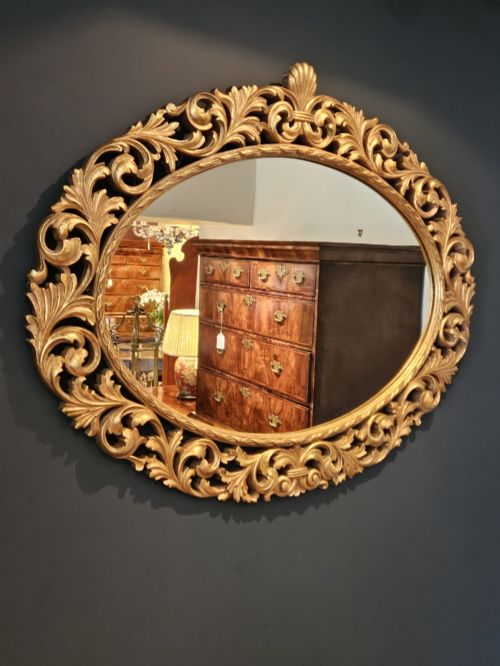
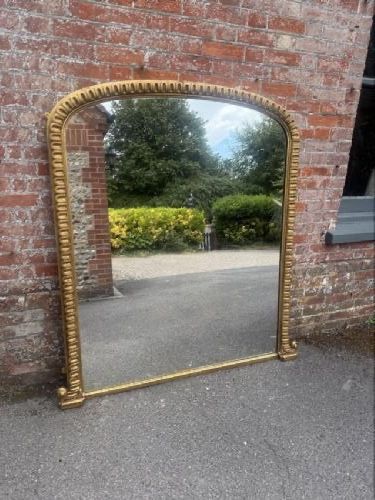
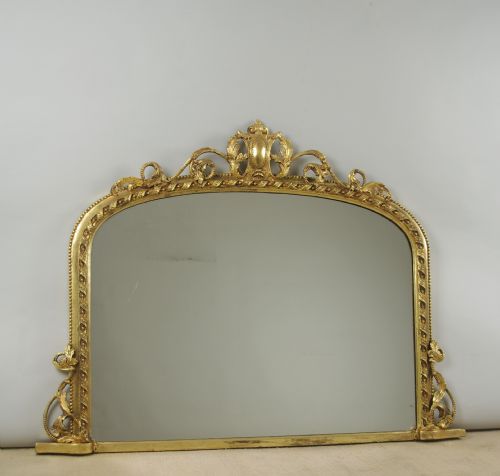
Large architectural overmantel mirrors dominate the selection, frequently featuring arched tops or column frames built to command a chimney breast. Alongside these grand pieces, smaller rectangular wall mirrors, oval timber frames, and decorative picture frames appear with gilt finishes.
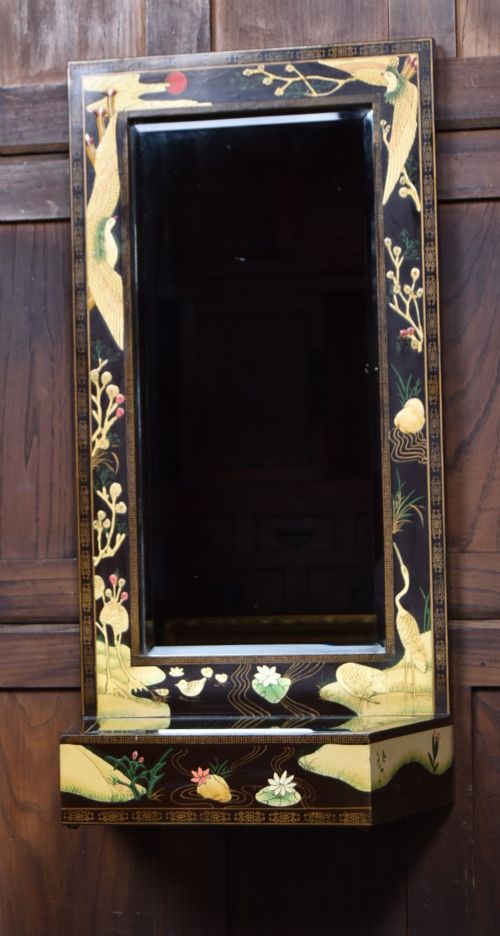
Origins include English workshops and French ateliers, utilising classical design vocabularies like rope twist moulding, floral ornaments, and Chinoiserie motifs. Pieces range from restrained early twentieth-century designs to ornate mid-Victorian carved woodwork.
Materials and construction
Frames are constructed from timber, gesso, and giltwood, utilising carved wood foundations built up with plaster layers to hold crisp decorative relief. Artisans applied gold leaf or gilding over composition and gesso preparations to achieve a brilliant metallic sheen.
Glass plates are set within these frames, occasionally retaining original foxed characteristics where age has altered the silver backing. Joinery relies on traditional corner joining and heavy timber backings to support the considerable weight of the glass and plaster ornamentation.
Traditional Gold Wall Mirror Retail Price Guide 2026
Typical asking prices for traditional gold wall mirror among the pieces listed under this phrase on Sellingantiques today, from the lower quarter to the upper quarter. They describe what is for sale here now, not the wider market.
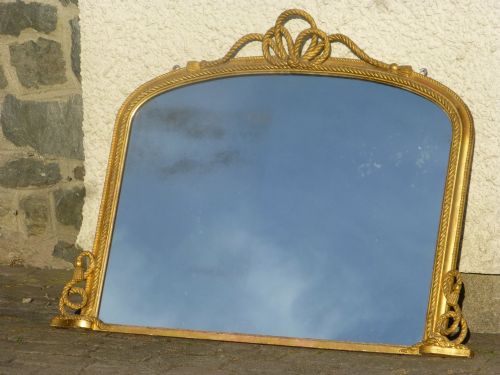
Certain nineteenth-century models feature nautical rope twist carvings, allowing maritime romance to meet the domestic drawing room.
Determinants of quality
Quality rests on the crispness of the carved gesso relief and the depth of the gilding applied to the timber substrate. Superior examples display sharply defined mouldings and hand-tooled details that retain their brilliance across complex floral or architectural motifs.
The integrity of the frame construction and the preservation of the original glass plate dictate the desirability of the piece. Minor losses to composition ornaments or later glass replacements shift a piece away from its original factory state.
The Traditional Gold Wall Mirror Glossary
- Gesso
- A plaster mixture applied to wood frames to create a smooth surface for gilding. It allows carvers to achieve fine decorative details before gold leaf is laid down.
- Giltwood
- Timber carved and subsequently covered with gold leaf or metallic powder. It forms the primary bright surface of classical wall mirrors.
- Overmantel
- A large mirror specifically proportioned to hang above a mantelpiece or fireplace. These pieces often feature arched or shaped tops to match architectural proportions.
- Foxed glass
- Mirror glass showing spots and discoloration caused by age and the degradation of the silver backing. This patination provides evidence of age.
- Composition
- A moulded mixture of whiting, resin, and oil pressed into shape and applied to frames for ornamentation. It offered a faster alternative to hand carving detailed plaster work.
Traditional Gold Wall Mirror: Frequently Asked Questions
How do I hang a heavy overmantel mirror?
These heavy wooden frames require secure attachment directly into structural wall studs using appropriate heavy-duty brackets. The substantial weight of the timber and glass demands professional installation to ensure stability.
Position the mirror at a height that reflects surrounding room elements rather than empty ceiling space. Many pieces were originally designed to rest directly on a mantelpiece while being anchored to the wall for safety.
What is the difference between an overmantel and a pier mirror?
Overmantel mirrors are traditionally wide and designed to sit horizontally across the width of a fireplace breast. Their proportions anchor large living spaces and bounce light from central room fixtures.
Pier mirrors are narrower and taller, historically intended to hang on the wall space between two windows. They maximise available daylight and often feature slender vertical framing.
How do I care for antique gilt surfaces?
Dust giltwood frames gently with a soft, dry brush to prevent accumulation without disturbing delicate gesso ornament. Avoid chemical cleaners and moisture, which can strip thin layers of gold leaf.
Keep mirrors away from direct sunlight and fluctuating dampness to preserve the timber substrate and prevent the gesso from cracking. Gentle handling protects the historical finish of nineteenth-century frames.
How can I tell a Victorian mirror from a Regency one?
Regency mirrors tend to display neoclassical restraint with clean lines, reeded columns, and architectural geometry. Their gilding often has a bright, uniform metallic character typical of early nineteenth-century work.
Victorian pieces frequently embrace heavier proportions, exuberant floral carving, and arched tops with elaborate crestings. The scale increased during this period, particularly for domestic overmantels designed for grand parlours.