

Traditional Gold Mirror
A traditional gold mirror brings warmth and reflective depth to a room through centuries-old gilding techniques and substantial timber frames.
Traditional Gold Mirror
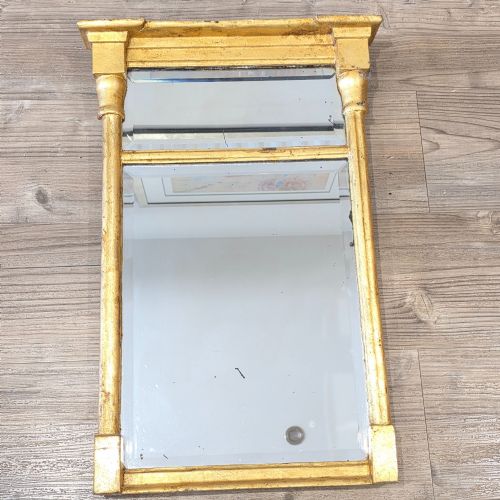
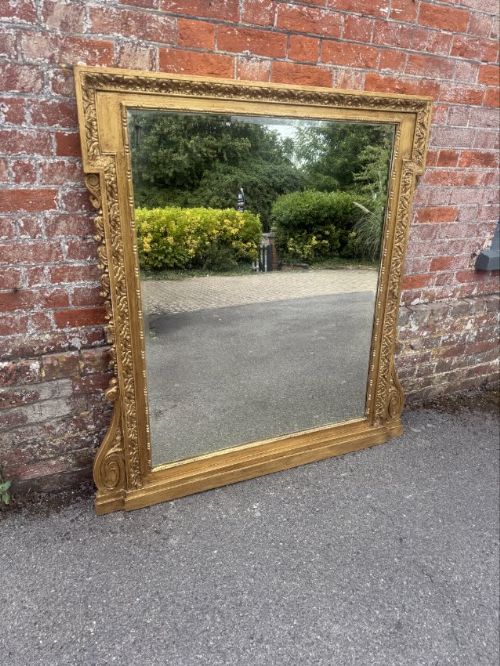
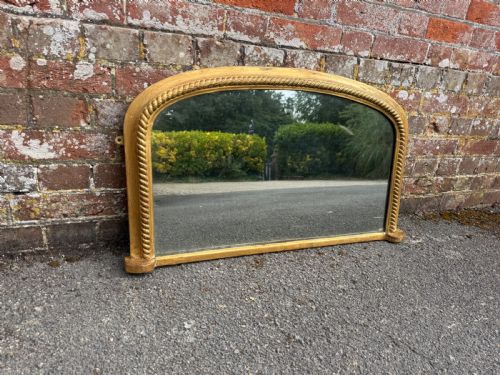
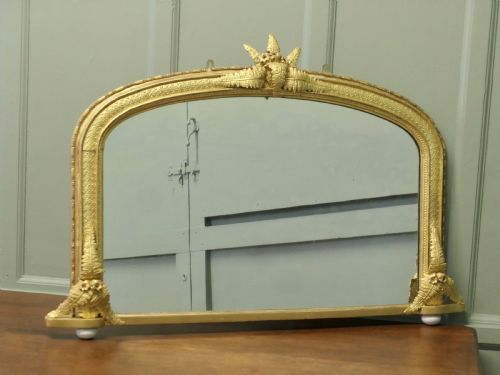
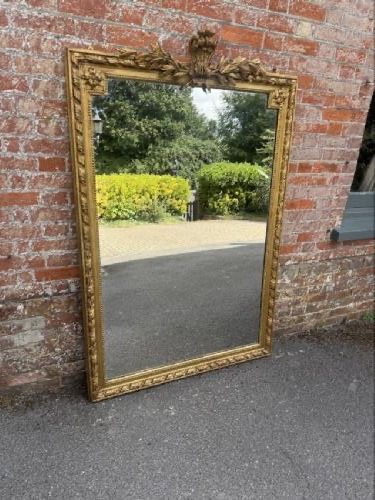
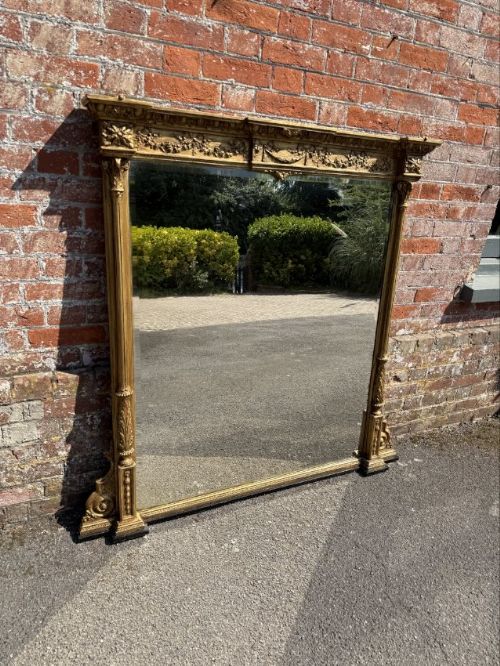
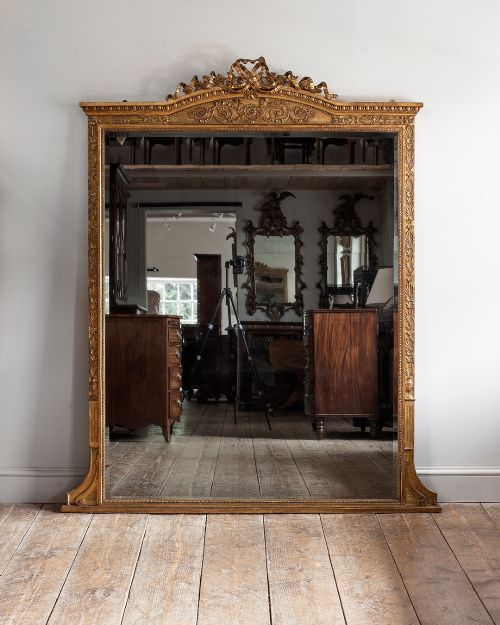
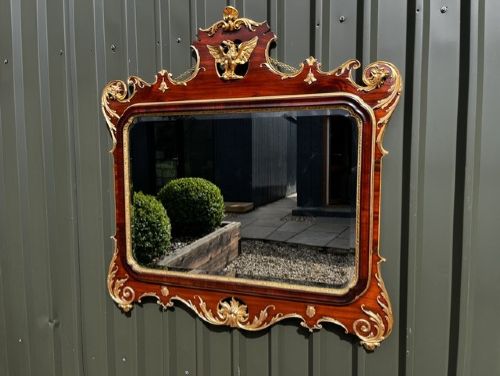
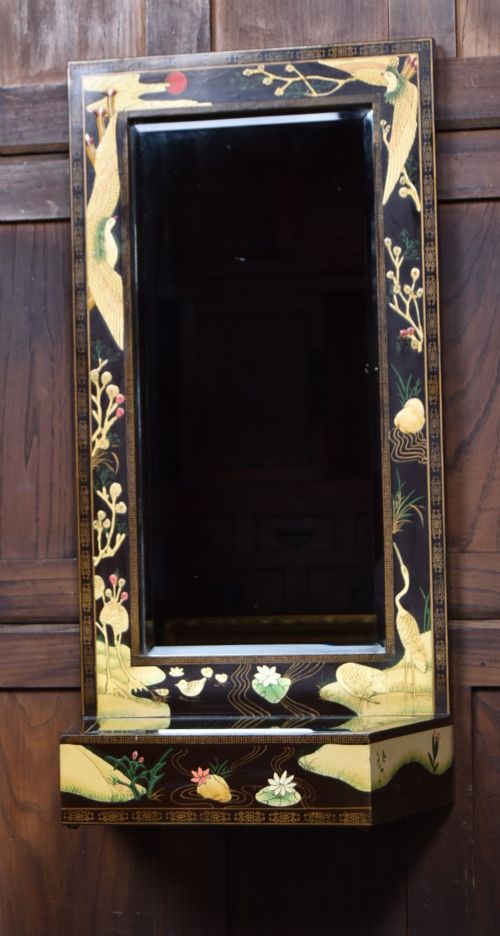
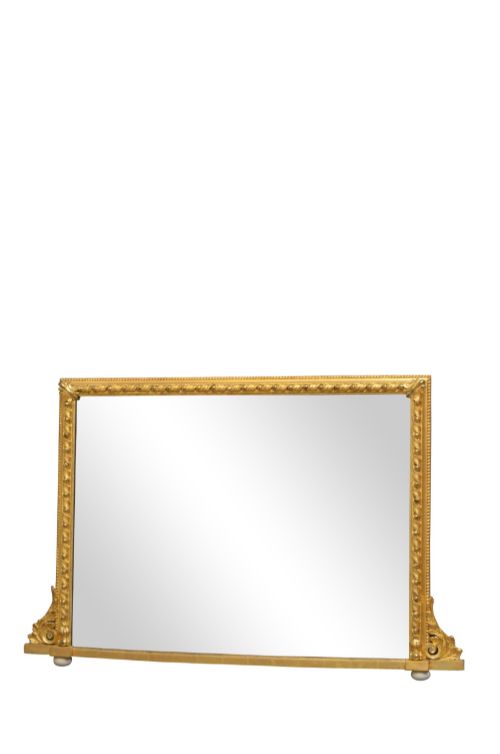
A traditional gold mirror encompasses large overmantel frames, pier glasses, and wall-hung pieces originating predominantly from the nineteenth century, including Victorian and Regency eras. These objects were built to command principal reception rooms, often spanning significant widths to sit above fireplace surrounds or between tall windows.
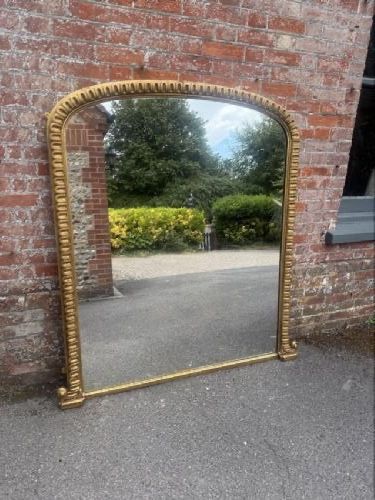
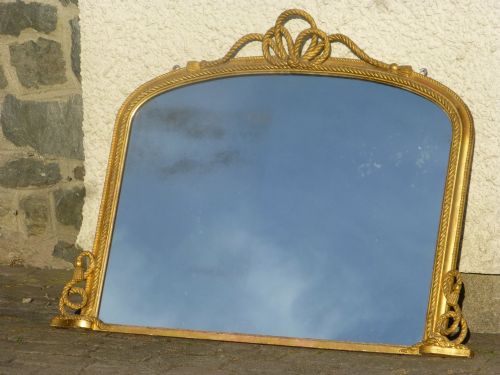
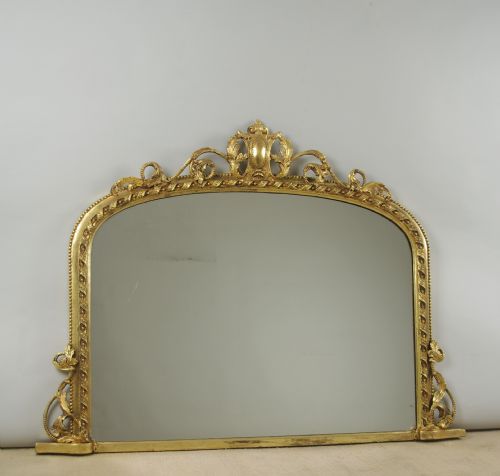
The most common form met here is the arch-topped or rectangular overmantel mirror, constructed in England or France with substantial timber foundations. Alongside these, buyers encounter pier mirrors and smaller decorative wall mirrors incorporating classical motifs or rope twist detailing.
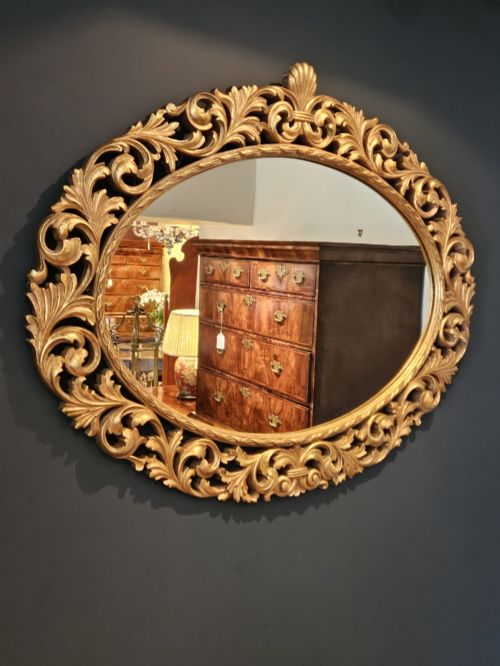
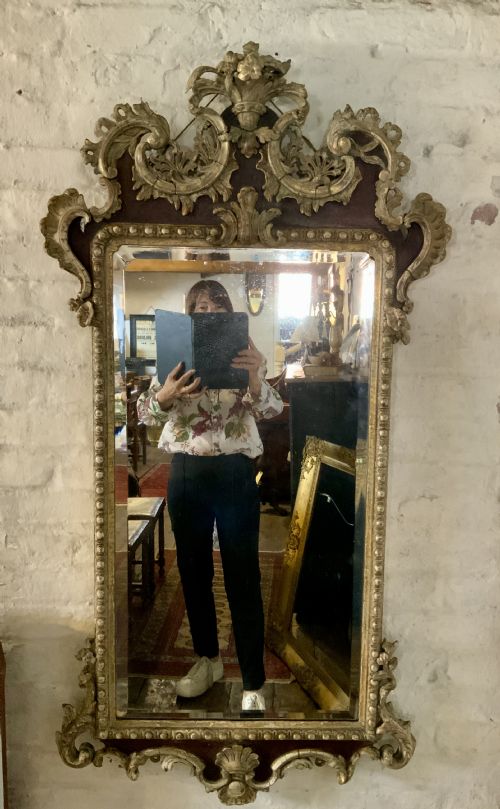
Origins stretch across English and French workshops, utilising regional decorative vocabularies ranging from Rococo revival curves to restrained Regency proportions. Pieces span the 1800s through to early 1900s revivals, maintaining traditional silhouettes and surface treatments.
Materials and construction methods
Frames rely on a timber base, typically carved wood or structured timber, overlaid with gesso to create a smooth, responsive ground for decoration. This plaster-like mixture allows intricate moulding of floral elements, columns, and architectural cornices before gilding takes place.
Gold leaf or applied gilding covers the gesso surface, sometimes paired with composition ornament for repetitive decorative runs. Glass plates are then fitted into the rebate, occasionally retaining original foxed characteristics developed over generations.
Nautical rope twists carved into nineteenth-century frames let sailors bring a touch of the high seas straight to the Victorian drawing room.
Distinctions in craftsmanship and preservation
Quality reveals itself in the crispness of the carved wood and gesso relief work, where hand-modelled depth outperforms moulded composition substitutes. The integrity of the underlying timber frame dictates structural stability, particularly in large overmantel formats that endure tension over centuries.
Surface preservation separates standard examples from superior ones, visible in the retention of original gold leaf layers and the natural ageing of the glass plate. Crisp architectural lines, well-defined rope twists, and undisturbed joinery mark the upper tier of surviving pieces.
The Traditional Gold Mirror Glossary
- Gesso
- A mixture of plaster of Paris and glue used as a base layer on wood frames to prepare the surface for gilding. It enables intricate relief moulding and fine decorative carving.
- Giltwood
- Timber that has been coated with gold leaf or gold paint to give the appearance of solid gold. It forms the primary visual characteristic of these decorative frames.
- Overmantel Mirror
- A large mirror specifically designed to be hung or placed on the mantelpiece above a fireplace. They frequently feature arched tops or wide rectangular formats to reflect room light.
- Pier Mirror
- A tall, narrow mirror traditionally hung on the pier, the solid wall space between two windows. Their proportions match the architectural void they occupy.
- Foxed Glass
- Mirror glass showing age-related spots, discoloration, or degradation of the silvering behind the plate. This creates a mottled reflective quality valued for authenticity.
Traditional Gold Mirror: Frequently Asked Questions
Where should an overmantel mirror be hung?
These large pieces sit naturally above a fireplace mantel, anchored securely to the wall to support their substantial weight and timber frame.
They can also serve as focal points on principal living room walls, reflecting light and creating an illusion of expanded interior space.
How do I identify a Victorian mirror?
Victorian examples often feature arched tops, substantial carved wood and gesso frames, and specific proportions suited to mid-nineteenth-century domestic architecture.
Construction details on the reverse, alongside the style of ornamentation such as rope twists or classical columns, help confirm the period.
What is foxed glass?
Foxed glass refers to the natural breakdown of the reflective silver backing over decades, resulting in soft spots and darkened patches across the plate.
Many collectors prize this characteristic for confirming the age and original state of nineteenth-century mirrors.
Are these frames made of solid gold?
The frames consist of wood and gesso coated in a very thin layer of gold leaf rather than solid precious metal.
This traditional gilding technique creates a brilliant reflective surface while keeping the heavy structural frame reasonably light.