




Traditional Fusee Clock
A traditional fusee clock is a precision timekeeper driven by a chain and conical pulley, prized for steady accuracy and classic timber cases.
Traditional Fusee Clock
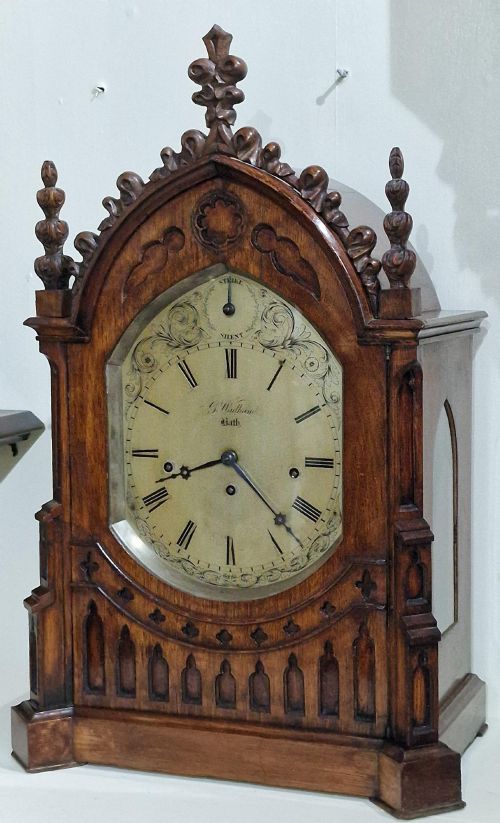
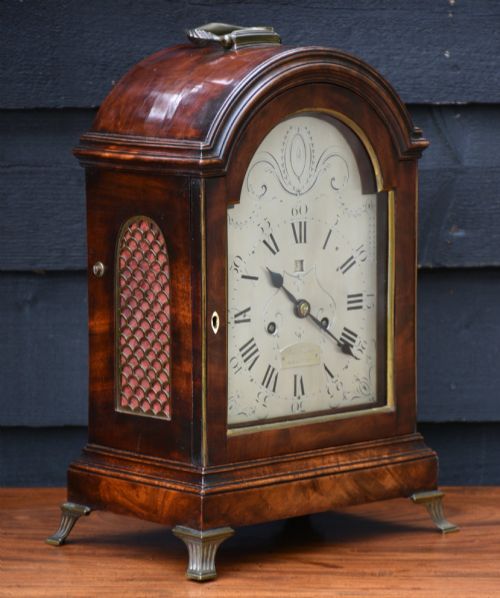
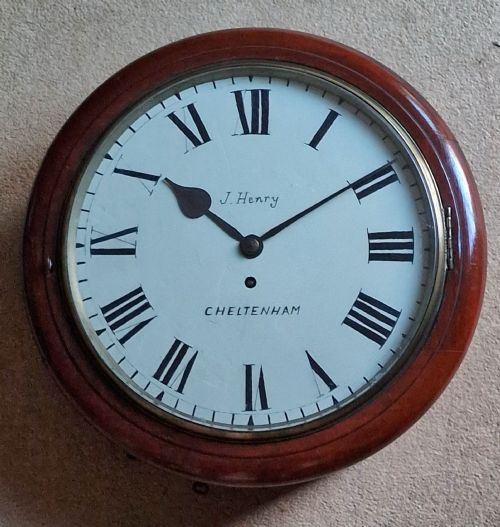
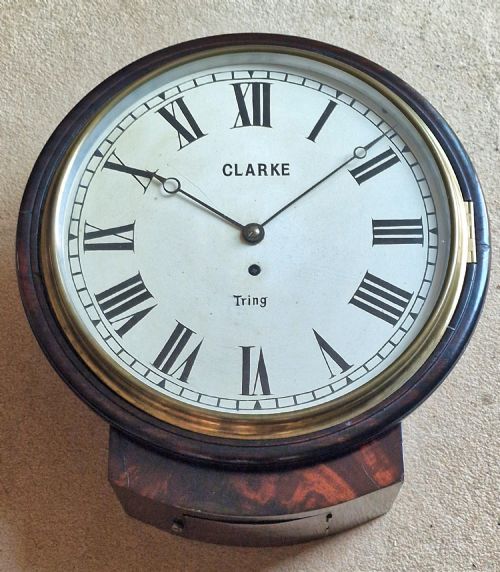
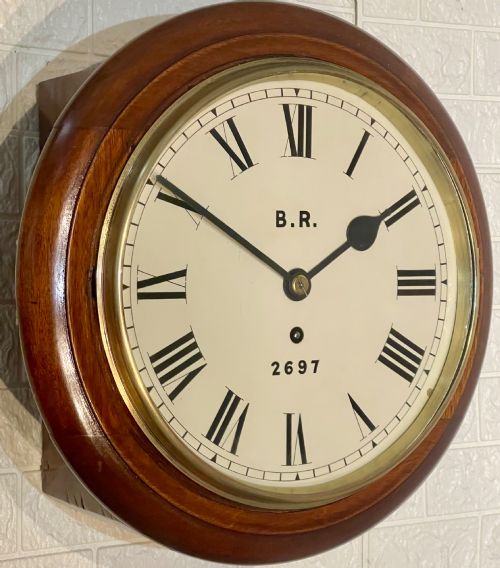
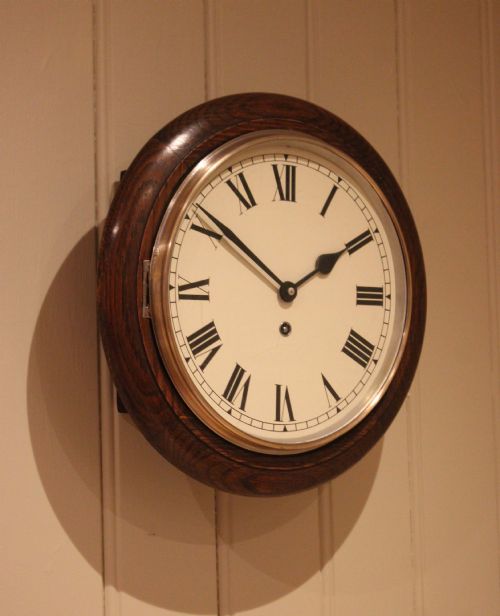
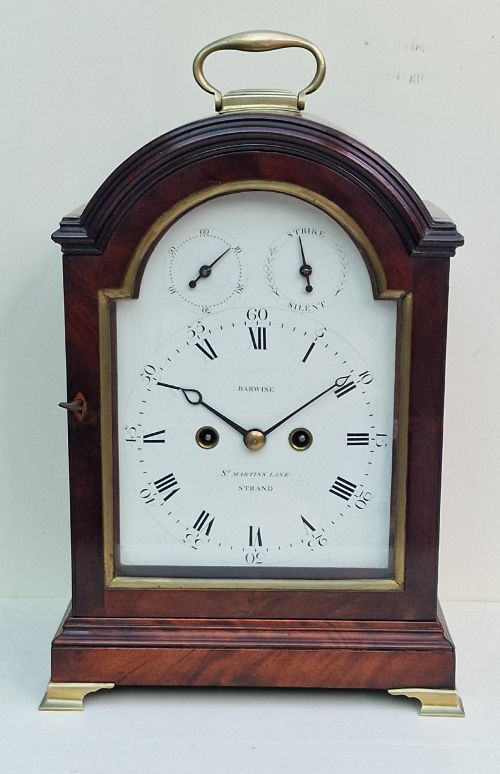
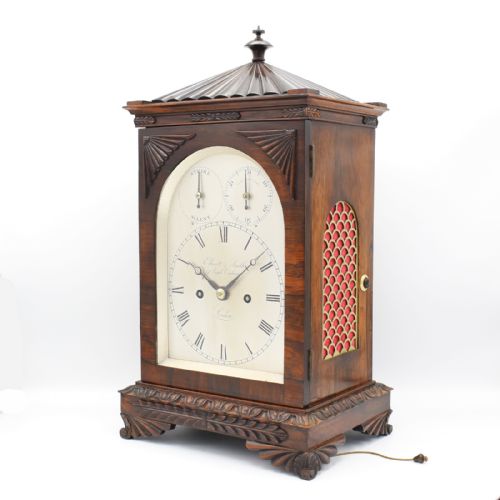
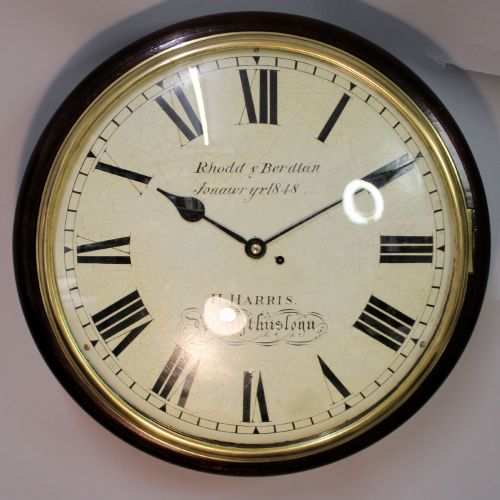
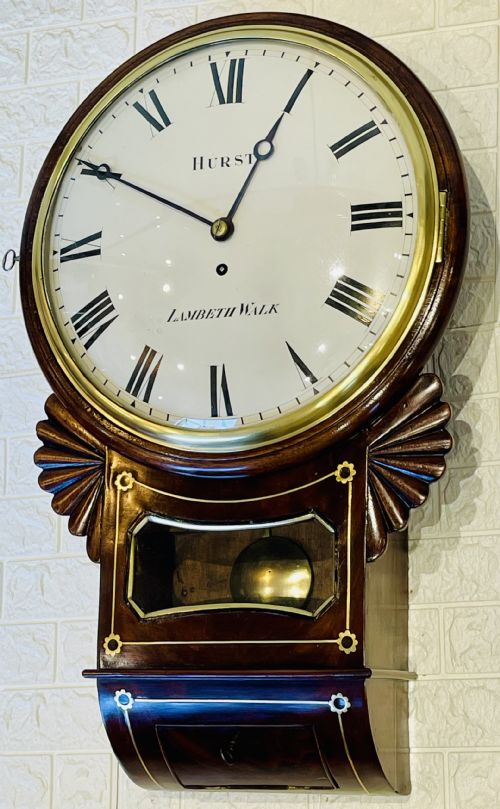
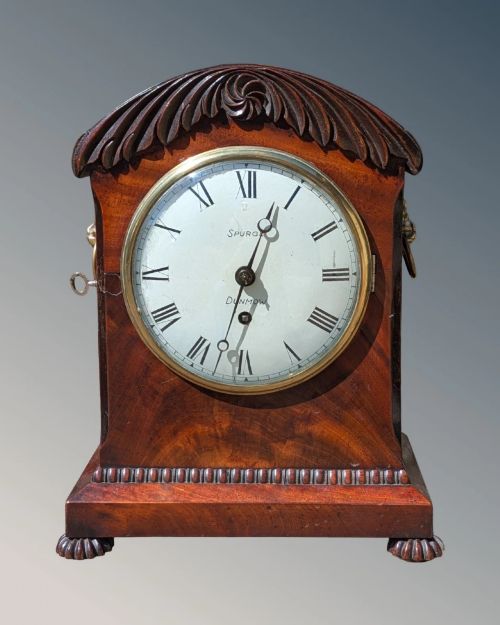
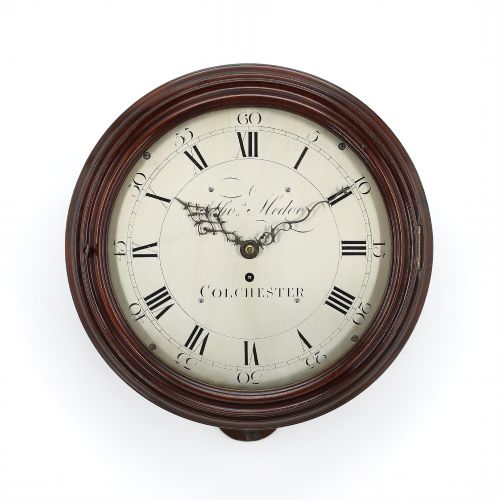
A traditional fusee clock relies on a mechanical movement where a conical pulley equalises the diminishing power of the mainspring as it unwinds. Buyers searching for a traditional fusee clock encounter various forms across this page, predominantly wall-mounted dial clocks and table or bracket clocks spanning Georgian, Regency, and Victorian periods.
The materials visible in these pieces combine warm hardwoods with functional metals and glass dials. Mahogany, oak, and rosewood form the architectural cases, while brass, iron, and enamel construct the movements and convex or flat faces.
Originating largely from English workshops and provincial makers, these clocks range from utilitarian railway timepieces to decorative bracket clocks topped with pad or pagoda roofs. The selection on this page demonstrates how domestic interiors and public offices utilised precise mechanical timekeeping over successive centuries.
How they were made
Cabinetmakers constructed the housing using dense timbers such as mahogany and oak, often shaping them into circular wall frames or architectural bracket clock bodies. These wooden cases frequently feature glass doors or bezels to protect the dial.
The interior mechanism depends on brass plates and wheels driven by a steel chain or cord connected to the fusee cone. Enamel or painted metal dials display the hours, protected behind convex glass while iron and brass components govern the strike and timekeeping.
Some railway clocks bear the initials of major transit networks, having once kept passengers moving across the sprawling British rail system.
What varies in quality
The distinction between standard examples and superior pieces rests in the execution of the movement and the refinement of the case. Engraved backplates, complex twin fusee bell-striking mechanisms, and high-grade timber selection elevate an item from a simple utility clock to a masterwork of horology.
Makers' signatures add another layer of distinction, as does the crispness of dial lettering and the integrity of the original wooden case construction. Simpler single fusee library timepieces contrast with elaborate architectural bracket clocks, each reflecting the specific standards of its maker.
George Wadham Bath·J Henry Cheltenham·George Clarke Tring·Henry Harris Monythusloyn·Joseph Bird Stroud·Thomas Hedge Colchester·Cording of London·Joseph Mansfield·W Burton·J C Ralls Clevedon·John Wilson London·J A Wheatley Carlisle·Budgen Croydon
The Traditional Fusee Clock Glossary
- Fusee
- A conical pulley used in mechanical clocks to maintain even power as the mainspring unwinds. This clever device ensures consistent timekeeping throughout the power reserve.
- Bracket clock
- A portable table clock designed originally to sit on a bracket or shelf. These pieces often feature fine wooden cases and striking mechanisms.
- Dial clock
- A wall-mounted timepiece dominated by a prominent face with a short drop case below. They were widely used in public spaces, offices, and hallways.
- Verge
- An early type of escapement controlling the release of power in the gear train. It represents a traditional method of regulating time before the widespread adoption of the anchor escapement.
- Twin fusee
- A movement incorporating two separate fusee mechanisms, typically one for time and another for striking bells or gongs. This setup provides extended running power and acoustic performance.
Traditional Fusee Clock: Frequently Asked Questions
How do I wind a fusee clock?
Wind the clock using a matching key inserted into the dial winding hole, turning it carefully in the correct direction until the chain or line reaches its limit on the fusee cone.
Avoid over-winding the mechanism, and consult a professional horologist if the resistance feels unusual or if the chain appears slack.
Where were fusee clocks placed?
Wall-mounted dial clocks were traditionally hung in offices, hallways, and railway stations for clear public viewing. Bracket clocks sat securely on mantelpieces, tables, or dedicated wall shelves in principal rooms.
Their placement depended on the need for reliable timekeeping and the desire to display fine cabinet woodwork.
How do I tell a wall clock from a bracket clock?
Wall clocks feature flat or drop cases designed to be hung securely from vertical surfaces by brackets or keyhole slots. Bracket clocks are freestanding table pieces with flat bases meant to rest horizontally on furniture.
Both styles utilise fusee movements but serve distinct architectural roles within a room.
How do I care for the wood case?
Maintain the mahogany or oak surface by dusting it gently with a dry, soft cloth and keeping the piece away from direct sunlight and sudden temperature changes. Avoid applying modern liquid polishes that can build up a residue over antique finishes.
Feed the timber only with appropriate traditional wax when the wood appears dry.