


Traditional Fire Grate Andirons
Traditional fire grate andirons support logs and baskets within open hearths, offering both functional utility and period character for a fireplace.
Traditional Fire Grate Andirons
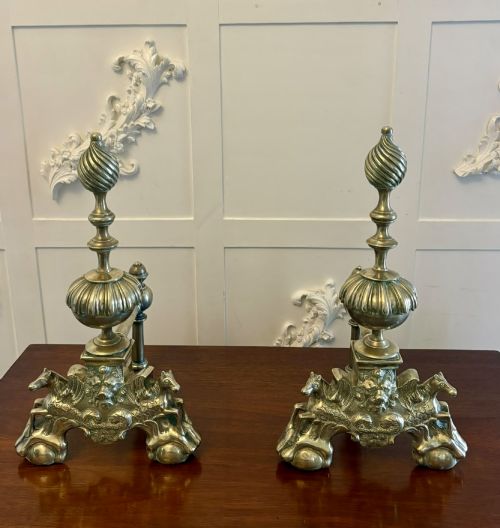
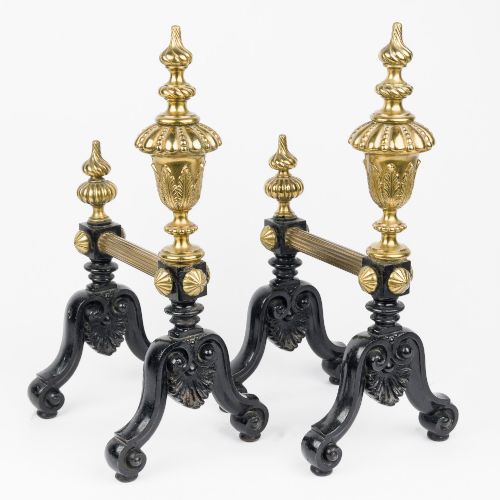
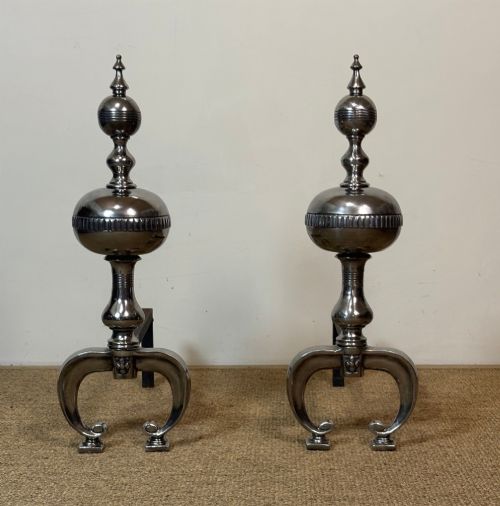
Traditional fire grate andirons comprise heavy metal supports and integrated baskets designed for open hearth heating. When you search for traditional fire grate andirons, you encounter robust iron and brass assemblies originating from the nineteenth and early twentieth centuries.
The pieces listed on this page span the Victorian, Edwardian, and Georgian periods, showcasing English craftsmanship in various hearth configurations. Fire dogs and fire baskets appear frequently, often paired together to hold wood or coal securely within the fireplace opening.
Mullings, large grates, and heavy fire backs frequently accompany these andirons to form complete fireplace sets. Most examples utilise utilitarian forms intended for practical daily service in period domestic interiors.
How they were made
Makers utilised cast iron, wrought iron, and steel to construct the heavy weight-bearing structures required for open hearth fires. Casting allowed workshops to produce intricate decorative motifs, such as dragon designs, directly into the iron fire baskets and backs.
Brass components, including finials and front mounts, were cast separately and polished to provide a bright contrast against the dark iron bodies. Smiths shaped wrought iron bars by hand, forging durable legs and horizontal fire dogs capable of withstanding intense heat.
Listings feature items from the Victorian, Edwardian, and Georgian periods, constructed in cast iron, wrought iron, brass, and steel.
What varies in quality
Substantial differences in weight and metal thickness separate standard utilitarian grates from the largest heavy inglenook pieces. Heavier gauge iron and solid brass castings indicate superior durability and greater heat retention during prolonged use.
The refinement of the casting work and the intricacy of motifs, such as decorative dragon details or pierced brass elements, distinguish finer examples from plain workshop productions. Complete sets featuring matching fire backs, baskets, and andirons represent more cohesive assemblies than mismatched groupings.
The Traditional Fire Grate Andirons Glossary
- Andiron
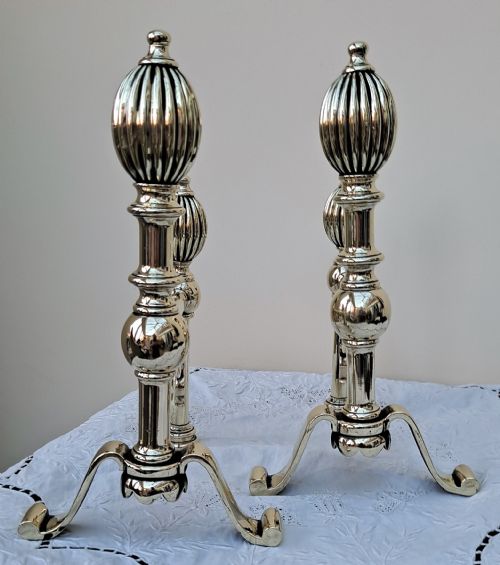
- A metal support placed horizontally in a hearth to raise logs for better air circulation. These objects often feature decorative front pillars.
- Fire basket
- An iron container designed to hold coal or wood safely within the fireplace opening. They sit between or attach directly to andirons.
- Fire back
- A heavy iron plate placed against the back wall of a fireplace to reflect heat into the room. This component also protects the masonry from direct flame damage.
- Fire dog
- An alternative term for an andiron, typically referring to the heavy front supports used in open hearths. They frequently incorporate shaped legs and decorative finials.
- Inglenook
- A large recessed fireplace space designed to accommodate seating alongside the fire. Grates built for these spaces tend to be exceptionally heavy and wide.
Traditional Fire Grate Andirons: Frequently Asked Questions
How do andirons work with fire baskets?
Andirons provide the structural side supports or front legs that elevate the fire basket above the hearth floor. This elevation allows air to circulate underneath the fuel for a cleaner burn.
Many period arrangements feature integrated units where the basket rests directly upon the horizontal bars of the andirons. This combination secures the fuel and directs ash downward into the hearth.
Can these grates burn real wood?
Traditional fire grates and andirons were originally engineered for burning wood or coal in open hearths during the nineteenth and early twentieth centuries. Their heavy iron and steel construction handles high temperatures effectively.
Buyers should inspect the thickness of the metal and any historical repairs before lighting heavy fires. Using appropriately sized logs prevents undue stress on the antique bars.
How do I identify a Victorian andiron?
Victorian pieces frequently display robust cast iron construction alongside polished brass highlights, reflecting the manufacturing styles of the nineteenth century. Common design influences include Gothic Revival and Tudor Revival motifs.
Many examples from this era bear the heavy proportions and dark patination typical of industrial period metalwork. Examination of the casting seams and fastener types helps confirm the nineteenth-century origin.
What is a mulling andiron?
A mulling andiron incorporates specific functional attachments or shapes intended for warming liquids or food near the hearth fire. These specialised pieces reflect the diverse domestic uses of nineteenth-century fireplaces.
They appear less frequently than standard fire dogs and serve as distinctive conversation pieces within a period hearth setting.