


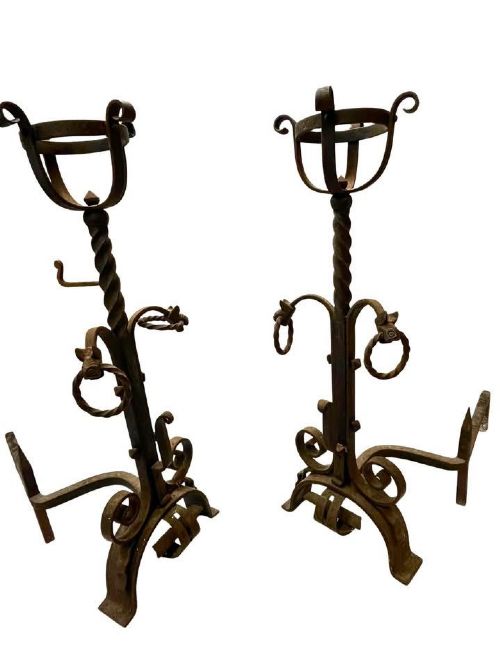


Antique Log Basket Iron
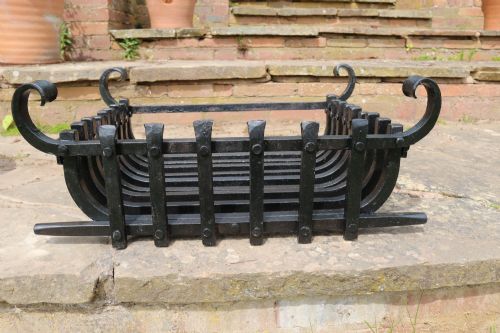
When searching for an antique log basket iron, collectors find sturdy fireplace accessories crafted to hold firewood beside the hearth.
Antique Log Basket Iron
An antique log basket iron combines sturdy metal fuel holders with fire grates and andirons designed for open hearths and living rooms. These hearth pieces originate from various periods including Victorian, Edwardian, and Georgian eras.
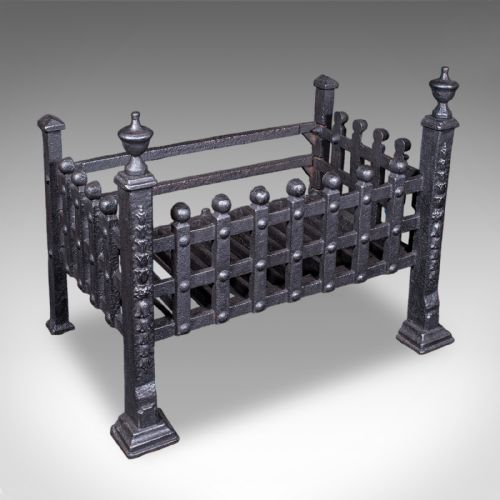
The selections span functional fire baskets, coal bins, and freestanding grates paired with iron frames or fire backs. Many examples incorporate copper bodies or brass details supported by heavy iron structures.
How these pieces were made
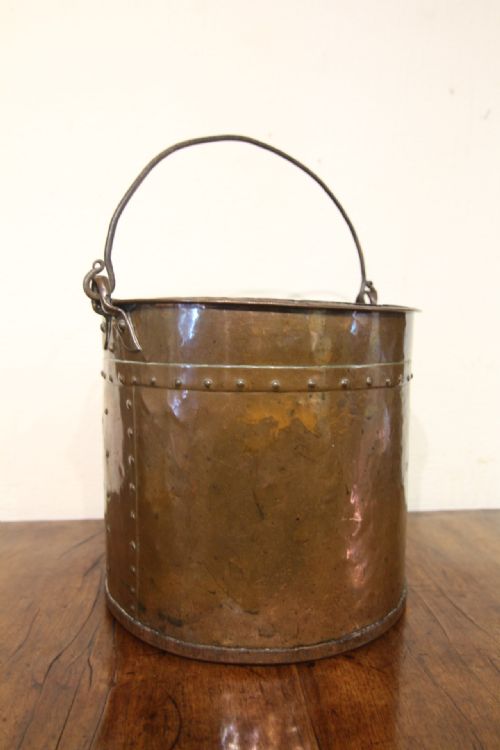
Makers shaped wrought iron and cast iron through forging and casting to build durable fire grates and log bins that withstand high heat. Riveted copper and brass elements frequently attach to iron frames to form fuel buckets and cauldrons.
Artisans applied Gothic Revival, Arts and Crafts, and Neoclassical styles to metalwork, incorporating decorative motifs and fire backs.
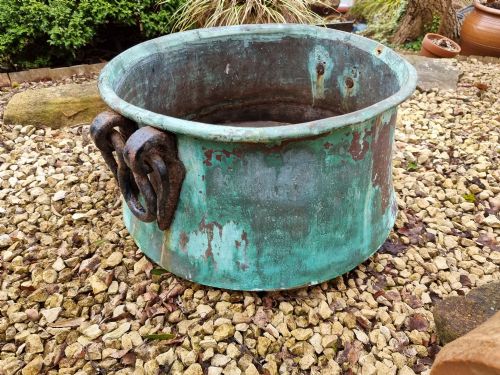
Some copper log bins retain traces of verdigris finish from decades beside smoky hearths.
What varies in quality
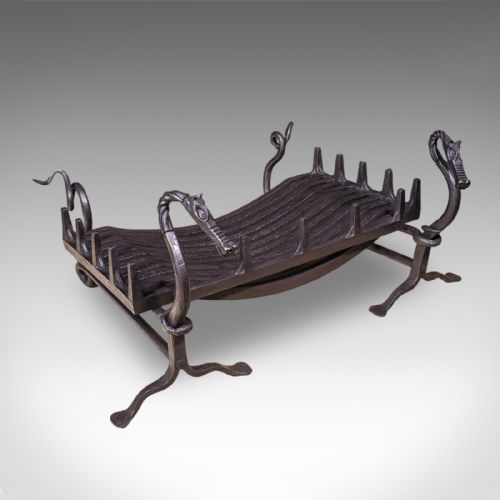
Quality rests on the thickness of the metal plate, the heft of the cast iron, and the integrity of the riveted joints on copper bins. Hand-forged wrought iron displays individual hammer marks and balanced proportions that distinguish superior hearth furniture from simpler utilitarian items.
Complete sets featuring matching andirons, fire backs, and fenders demonstrate higher grade workshop production from the nineteenth and early twentieth centuries.
The Antique Log Basket Iron Glossary
- Fire Basket
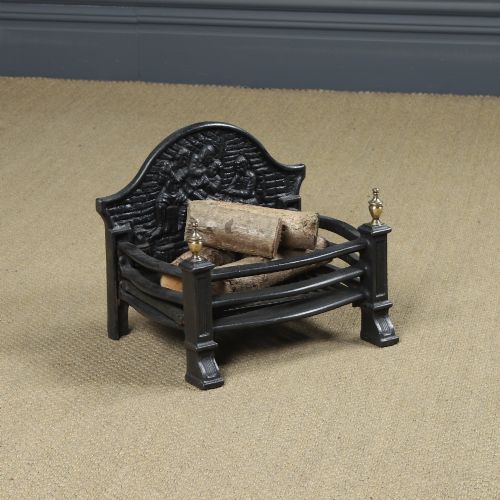
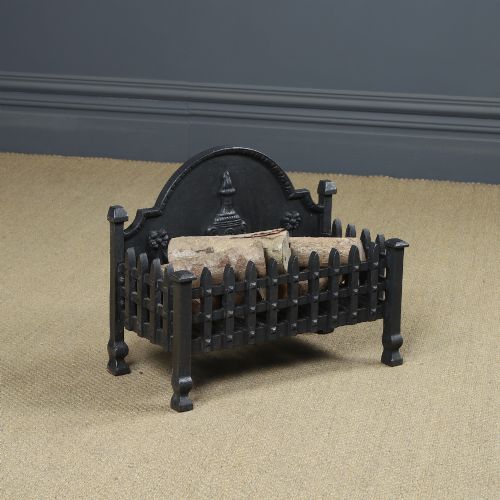
- An open metal grate designed to hold logs or coal within a fireplace. These containers often rest on independent legs or integrate with andirons.
- Andirons
- Horizontal metal supports that hold burning logs above the hearth floor to improve airflow. They frequently accompany fire baskets in period fireplace settings.
- Fire Back
- A heavy cast iron plate placed at the back of a fireplace to radiate heat into the room and protect the wall. They often feature decorative motifs.
- Cauldron
- A large rounded metal pot with a swing handle, historically used for domestic tasks and adapted for fireside fuel storage. Examples appear in copper with iron attachments.
- Coal Scuttle
- A specialised bucket or bin designed to transport and store solid fuel near the hearth. Many surviving specimens combine copper bodies with iron or brass handles.
Antique Log Basket Iron: Frequently Asked Questions
What is an antique log basket iron used for?
These pieces serve as functional hearth accessories intended to contain firewood or coal near an open fireplace. They organise fuel while adding traditional metalwork design to the chimney breast.
Many examples function alongside matching andirons and fire grates to support active fires or display dried logs in period rooms.
How do you date an iron log basket?
Dating relies on observing stylistic markers such as Gothic Revival or Arts and Crafts details, alongside construction methods like hand-forging or machine casting. Material combinations, including riveted copper sheets on early iron frames, also indicate specific eras.
Victorian and Edwardian pieces often display heavier cast iron components and distinct manufacturer finishing compared to earlier Georgian items.
Are these fire baskets suitable for modern fires?
Many cast iron and wrought iron grates remain structurally sound for burning wood or coal in compatible hearths. Checking the thickness of the metal ensures the basket can handle daily heat exposure.
Some collectors choose to utilise them purely as decorative fuel bins or interior storage containers without lighting fires within them.
What materials make up these fireplace accessories?
Construction primarily involves wrought iron and cast iron for structural grates, fire backs, and andirons. Copper and brass frequently appear as body materials for log bins, buckets, and coal scuttles.
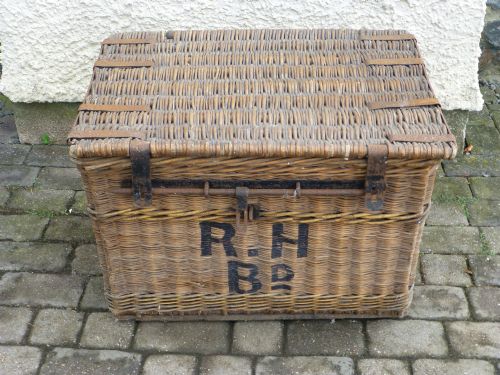
Additional materials include firebrick linings, wicker, and cane found in specific transitional storage pieces from the nineteenth century.