
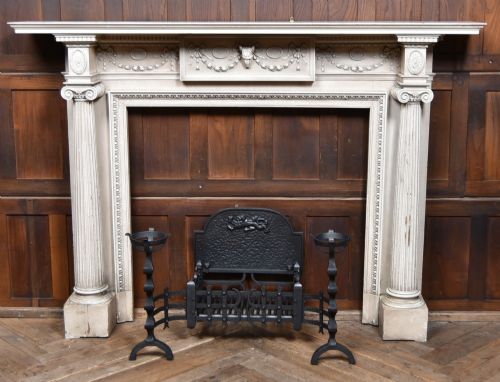
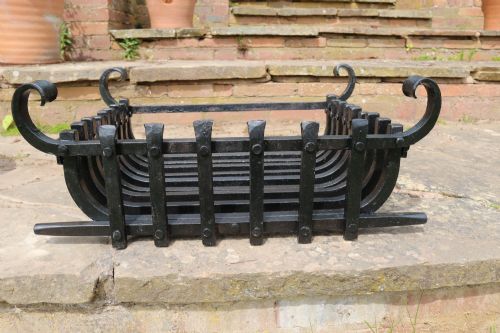
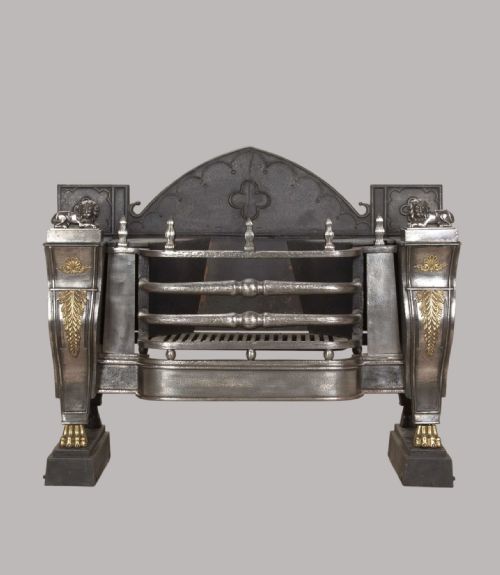
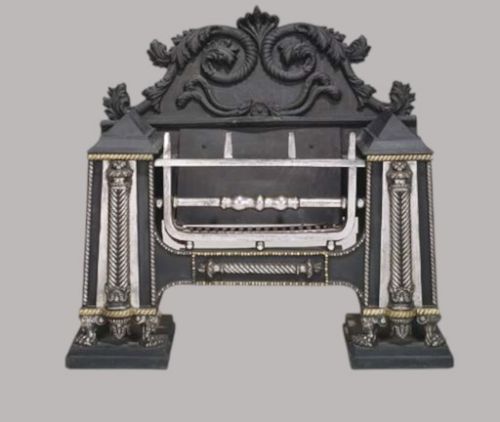


Period Fireplace Fire Grate
A period fireplace fire grate brings structural weight and genuine metalwork into a room, serving as the functional heart of a traditional hearth.
Period Fireplace Fire Grate
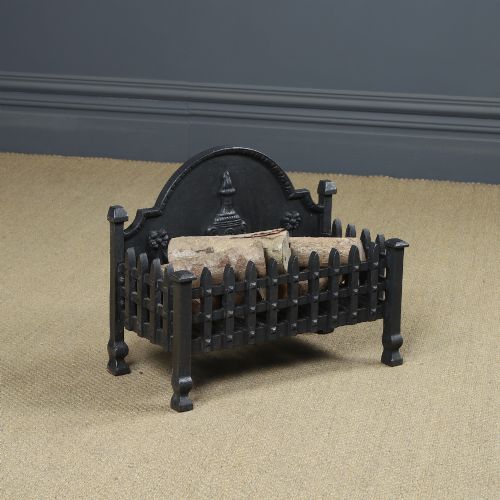
When you search for a period fireplace fire grate, you encounter heavy metal hearth furniture designed to hold burning fuel safely within an open chimney. The pieces listed range from simple utilitarian baskets to elaborate architectural inserts.
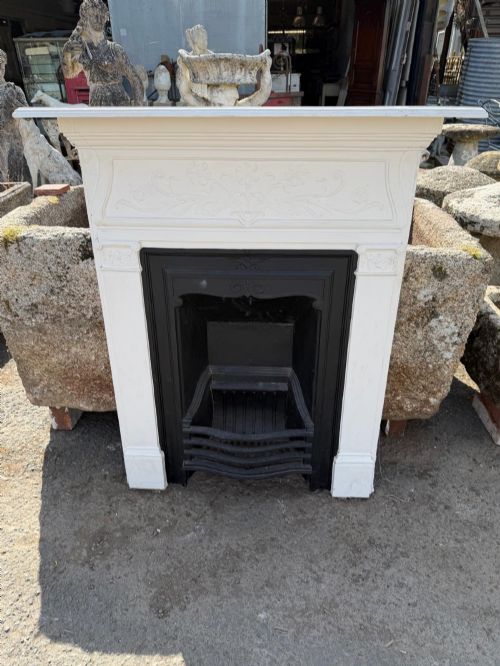
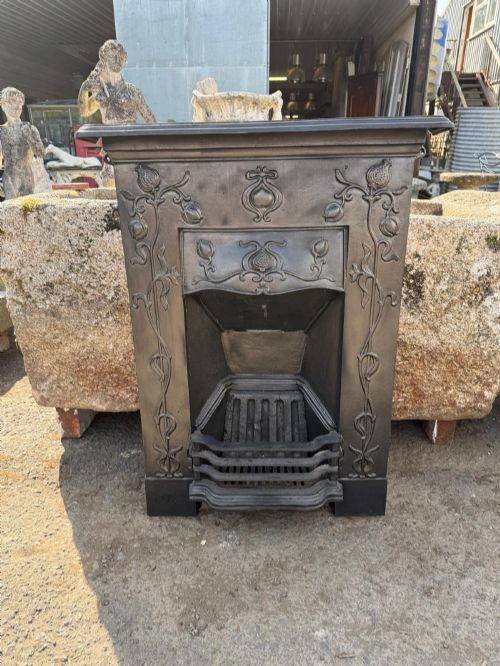
You are most likely to meet Victorian and Georgian examples on this page, alongside occasional 1930s Arts and Crafts interpretations. These items appear in forms such as register grates, fire baskets, and combination fireplaces.
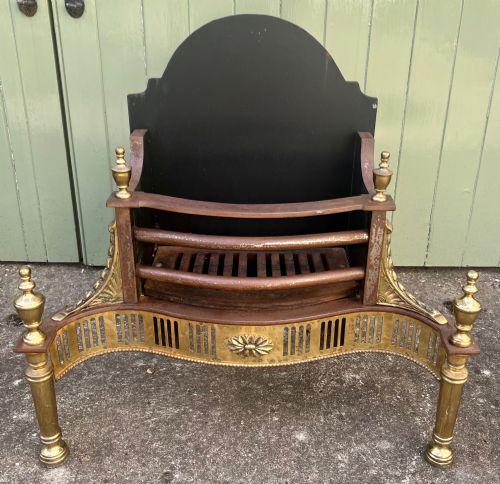
The materials span cast iron, wrought iron, and brass, often paired together within a single hearth setup. Styles reflect classical revivals, including Adam, Regency, and Neoclassical motifs executed in sturdy metals.
What varies in quality
The distinction between standard utility grates and superior examples lies in the crispness of the metal casting and the complexity of the decorative design. Pieces featuring applied brass work, classical urn motifs, and intricate pierced detailing command greater visual presence.
Substantial thickness in the iron components and the completeness of accompanying elements like andirons, fire backs, and fenders also dictate the caliber of the assembly. Refurbished pieces retain their structural integrity while preserving the original character of the metal.
Listings feature items spanning the 18th century, Georgian, Regency, and Victorian periods through to 1930, utilising cast iron, wrought iron, brass, and timber.
The Period Fireplace Fire Grate Glossary
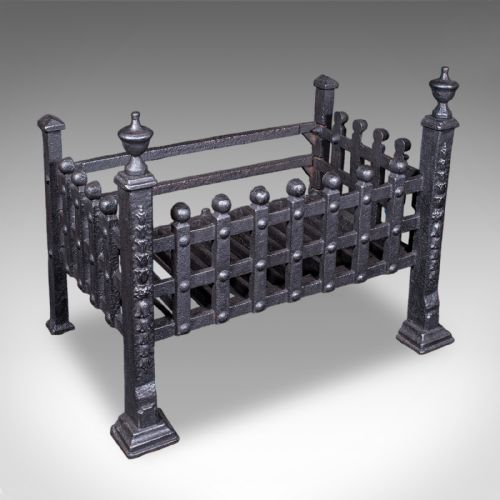
- Fire grate
- A metal basket or frame designed to hold coal, wood, or other fuel inside an open fireplace. It sits directly on the hearth or within a larger surround.
- Hob grate
- A type of fireplace featuring flat metal shelves flanking the central grate, historically used for keeping kettles warm. They frequently appear in Georgian and Regency contexts.
- Register grate
- A fireplace insert equipped with an adjustable flap or damper to control the draft going up the chimney. This form gained widespread popularity during the nineteenth century.
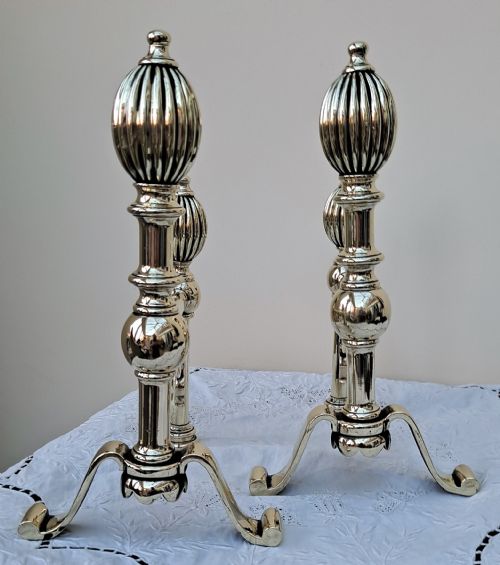
- Andirons
- Supporting metal bars or firedogs placed on either side of a hearth to hold logs in place. They often match the brass or ironwork of the central fire basket.
- Fire back
- A heavy cast iron plate positioned at the back of a fireplace opening to protect the masonry and reflect heat back into the room.
Period Fireplace Fire Grate: Frequently Asked Questions
How do I choose the right size fire grate?
Measure the internal width, depth, and height of your fireplace opening carefully before selecting a grate. Allow sufficient clearance around the basket for proper airflow and safety.
Consider whether you intend to burn wood, coal, or use the grate with gas inserts, as different fuels require specific basket designs and firebrick protection.
What is the difference between a hob grate and a register grate?
A hob grate incorporates solid metal shelves on either side of the fuel area, which were traditionally used for domestic tasks like heating water. These are commonly found in Georgian and Regency settings.
A register grate is built as an integrated unit with a framed front and an adjustable damper mechanism in the throat to control the chimney draw.
Can I burn real wood in an antique fire basket?
Many period fire baskets are robustly constructed from cast and wrought iron to handle solid fuel, provided they are structurally sound. You should inspect the metal thickness and ensure any firebrick linings are intact before lighting a fire.
Consult a professional chimney sweep or installer to verify that your chimney and hearth meet current safety standards for burning wood or coal.
How do I clean and maintain cast iron fire grates?
Remove ash and debris regularly to prevent moisture retention and subsequent rust formation on the iron surfaces. Apply a suitable grate polish or black lead sparingly to maintain the dark finish.
Avoid using harsh chemical cleaners or abrasive pads that can strip the historic patina from brass and iron components.
How do I identify a Georgian fire grate?
Georgian grates typically display classical proportions, crisp iron casting, and refined decorative elements such as urns, swags, or bright brass details. They often take the form of hob grates or elegant basket grates designed for formal reception rooms.
Look for construction methods typical of the period, including hand-wrought iron bars and heavy cast components joined with traditional fixings.