

Traditional English Carver Chairs
Traditional English carver chairs bring tactile country comfort and architectural presence to a room, offering sturdy seating built to last generations.
Traditional English Carver Chairs
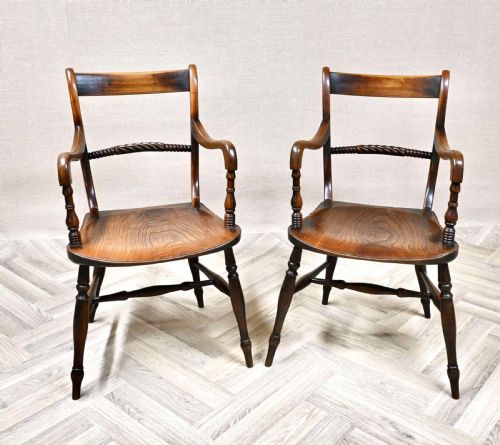
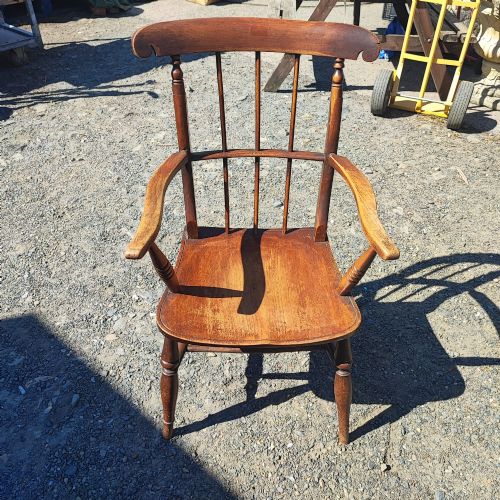
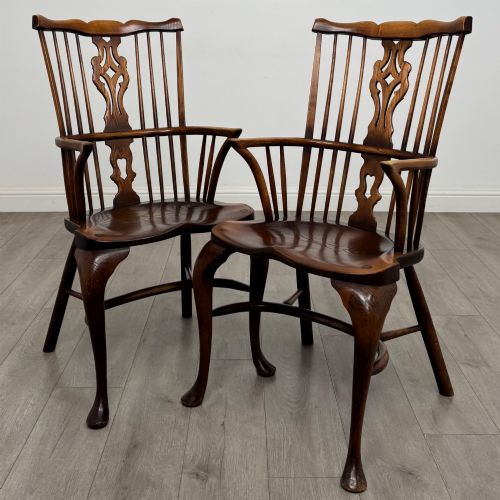
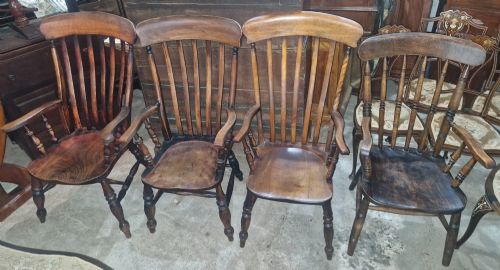
Traditional English carver chairs encompass robust country armchairs, Windsor variations, and formal dining carvers designed with armrests for the head of a table or a parlour. When you search for traditional English carver chairs, you encounter seating solutions spanning centuries from Georgian elegance to vernacular farmhouse utility.
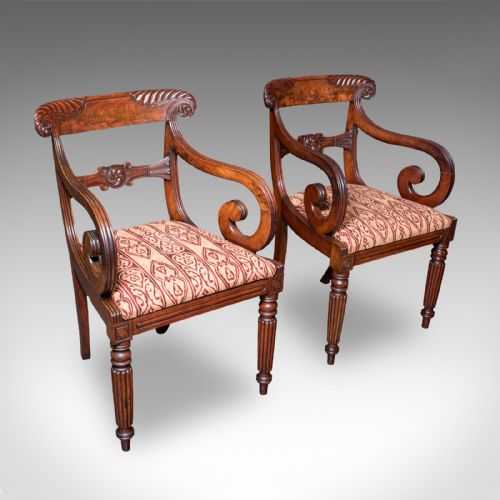
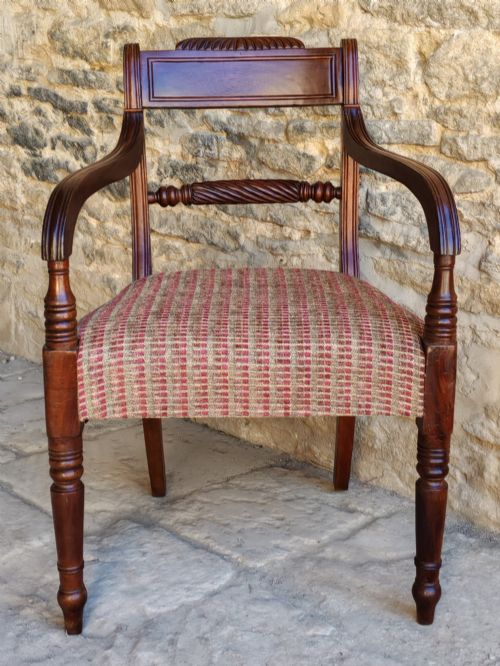
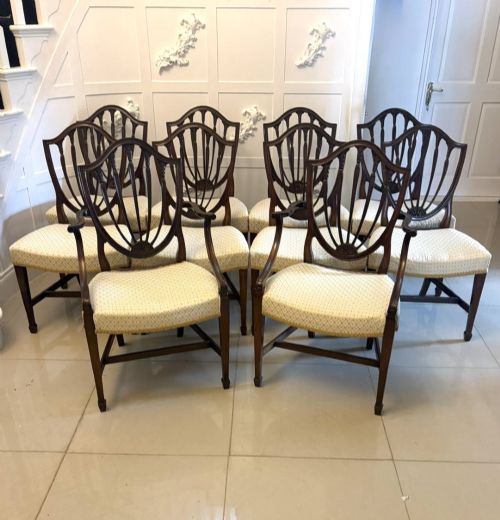
The selections on this page concentrate heavily on vernacular windsor forms alongside mahogany and oak dining carvers from periods ranging through the Georgian, Victorian, and Edwardian eras. These pieces function equally well as standalone reading seats or matching additions to a dining set.
How they were made
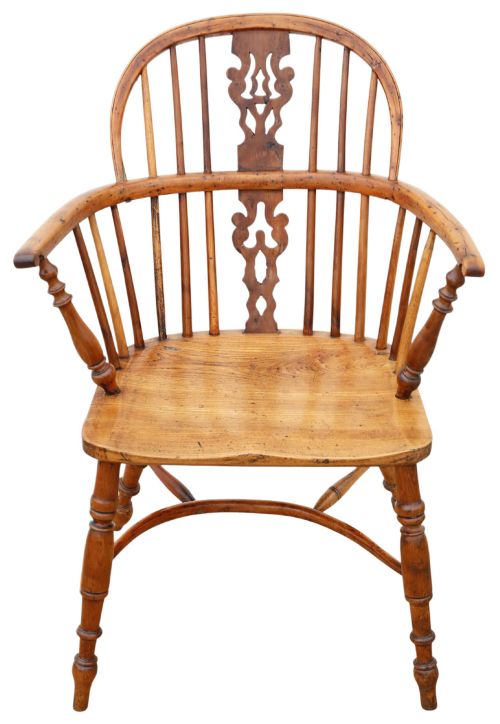
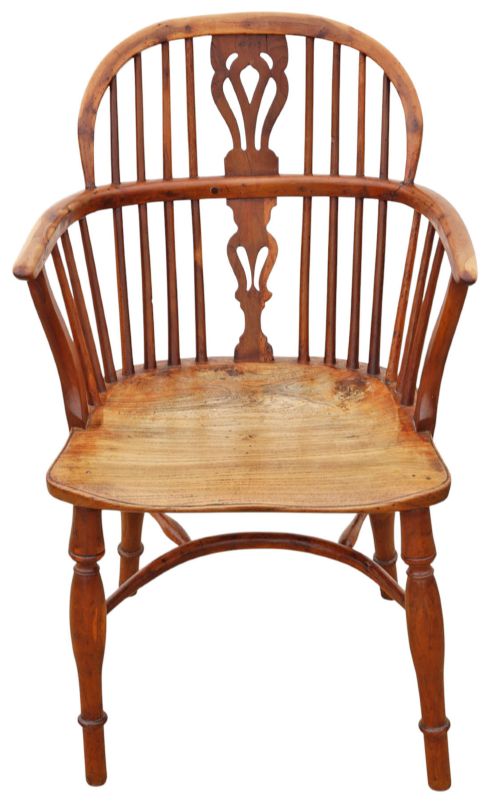
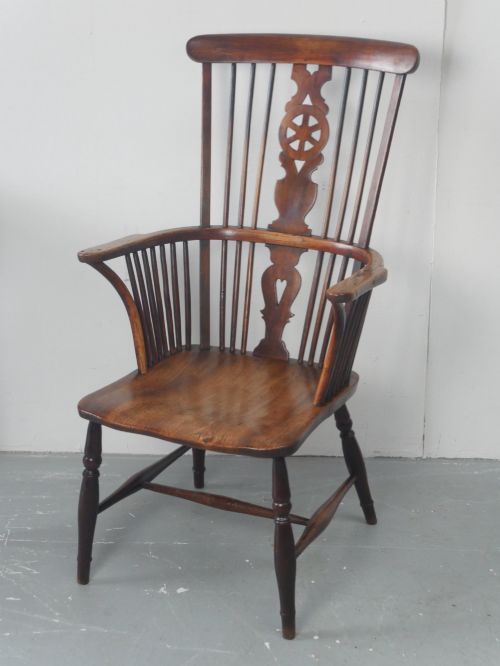
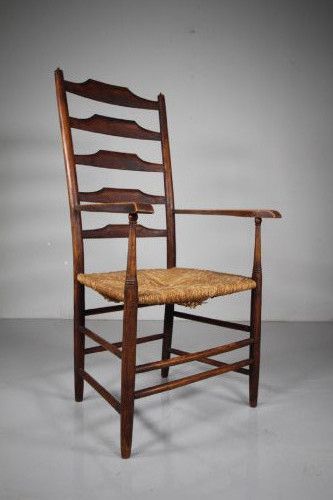
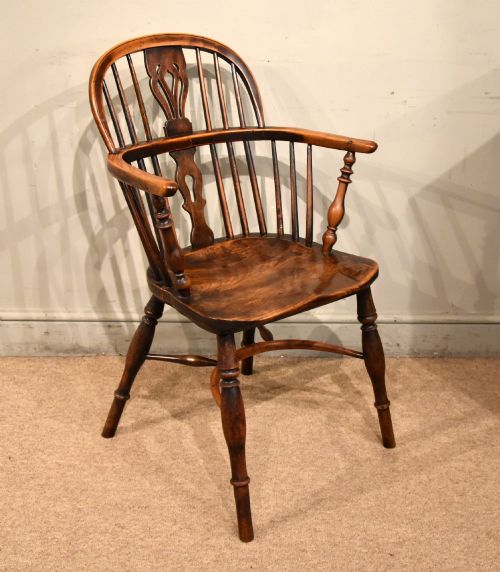
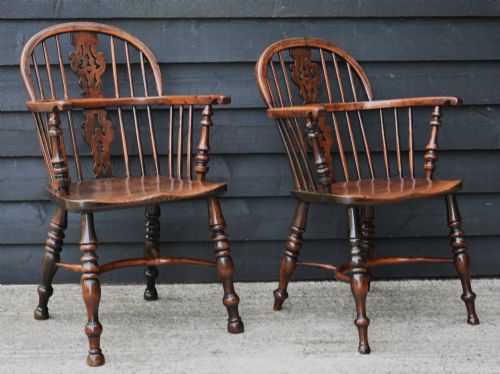
Construction relies on traditional joinery methods, combining turned wooden spindles, ladder backs, and solid plank seats shaped for comfort. Windsor designs utilise steam-bent hoops and bowed backs anchored firmly into thick wooden saddles.
Cabinet makers and country bodgers employed native British timbers such as elm for resilient seats, ash and yew for flexible bentwood components, and beech or oak for structural framing. Finer formal dining carvers utilise mahogany with carved shield backs, ropebacks, or cane inserts.
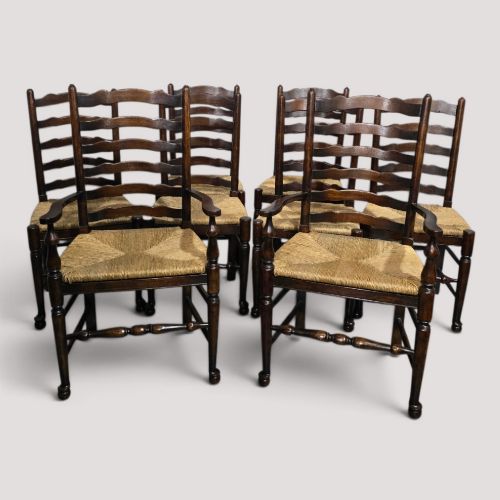
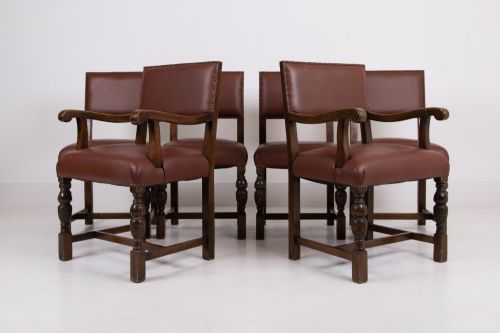
Seating surfaces vary between solid sculpted wood, woven rush, leather, and newly upholstered fabric pads. Stretchers, including crinoline variants, reinforce the legs against daily movement.
Listings feature traditional English carver chairs spanning the eighteenth, nineteenth, and twentieth centuries, incorporating oak, mahogany, yew, elm, and ash.
What varies in quality
Quality rests in the selection of timber grain and the integrity of the original construction, distinguishing workshop masterworks from utilitarian workshop output. Yew wood examples with rich figuring and well-turned spindles occupy the upper tier of the market.
Proportion and retention of original components dictate value, separating untouched country pieces from those with heavily replaced elements or compromised undercarriages. The crispness of carved details on mahogany styles or the balanced sweep of a hoop back indicates superior craftsmanship.
Philip Clissett·Maple and Co·E W Godwin
The Traditional English Carver Chairs Glossary
- Windsor chair
- A wooden chair built with a heavy solid seat into which the legs and back spindles are separately bored and wedged. This technique creates a durable, skeletal frame characteristic of English country seating.
- Carver
- An armchair designed to match a set of dining chairs, traditionally used by the head of the household. The arms provide distinct support compared to standard side chairs.
- Crinoline stretcher
- An arched or curved under-stretcher linking the legs of a Windsor chair to provide rigidity. The shape resembles a crinoline skirt frame.
- Vernacular
- An architectural or furniture style produced by local artisans using regional traditions and readily available materials rather than following strict high-style pattern books.
- Rush seat
- A seating surface woven from dried marsh rushes twisted into cords. This technique provides a resilient, textured base found on traditional country chairs.
Traditional English Carver Chairs: Frequently Asked Questions
What is a carver chair?
A carver chair is an armchair scaled to match a set of dining chairs, traditionally placed at the head and foot of a dining table. These seats feature integrated armrests for added comfort during long meals.
Over time, the term has expanded to cover various sturdy wooden armchairs used in reception rooms, bedrooms, and studies.
How do I date a Windsor chair?
Dating a Windsor chair involves examining the timber species, the turning style of the legs, and the construction of the seat saddle. Earlier 18th-century pieces often feature yew wood and generous proportions.
Later Victorian and Edwardian examples tend to use beech or elm with more standardised spindle turnings and steam-bent components.
Were these chairs used at dining tables?
Many of these chairs served primarily as parlour, hall, or kitchen seating before finding their way into modern dining arrangements. Formal mahogany versions were specifically built as dining carvers from the outset.
Country windsor and ladder back carvers adapt easily to modern dining rooms, providing a comfortable contrast to standard side chairs.
What is the difference between ash and elm?
Ash offers high flexibility and strength, making it the preferred choice for steam-bent hoops, bows, and spindles. Its grain is pale, straight, and distinct.
Elm provides exceptional toughness and resistance to splitting, which explains why makers selected it for solid, carved chair seats. Elm also displays a dramatic, swirling grain pattern.