



Traditional Dining Room Server
A traditional dining room server provides essential storage and surface space for formal meals, anchoring the room with period presence and timber character.
Traditional Dining Room Server
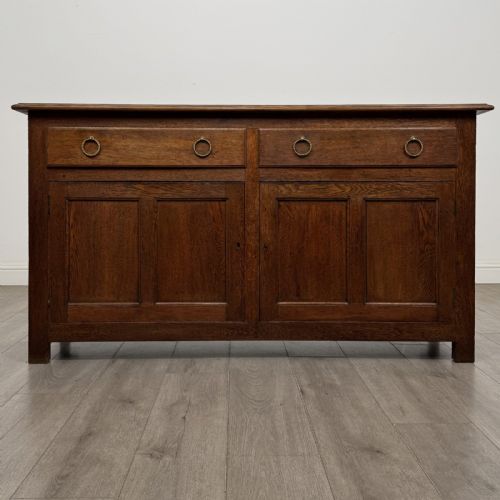
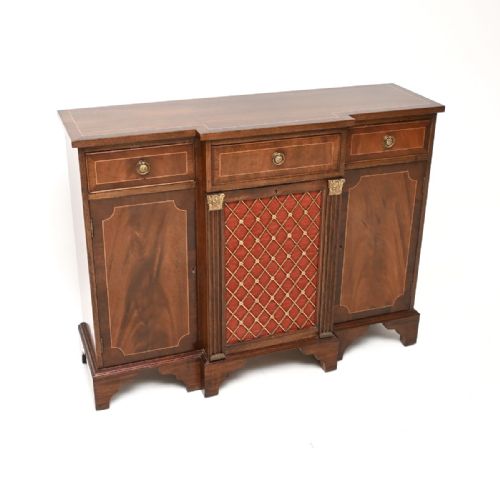
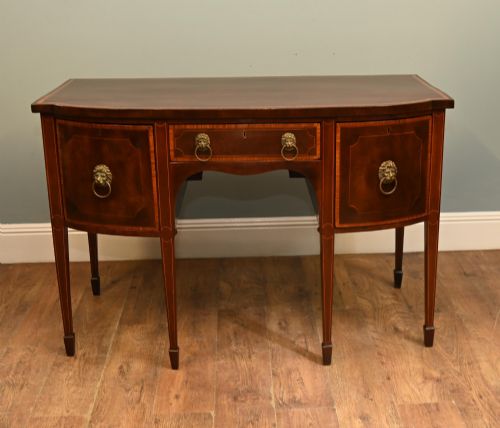
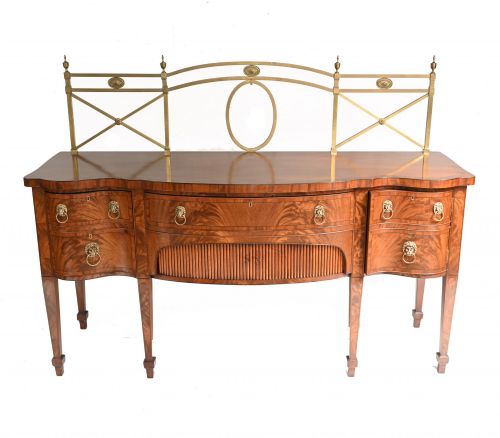
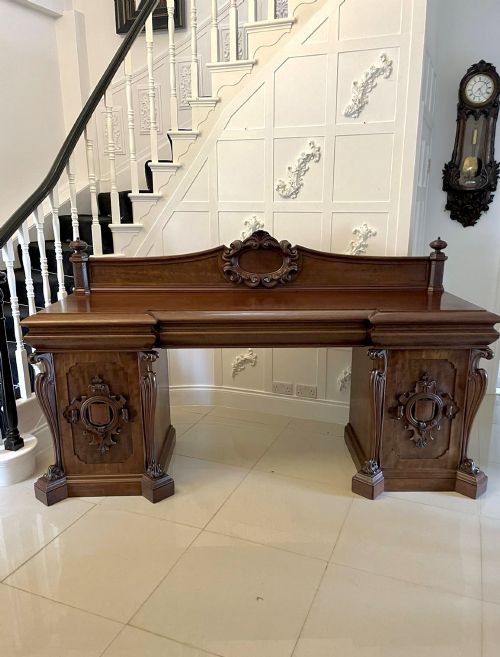
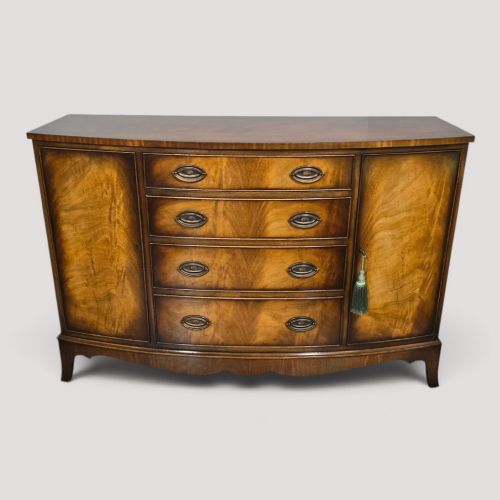
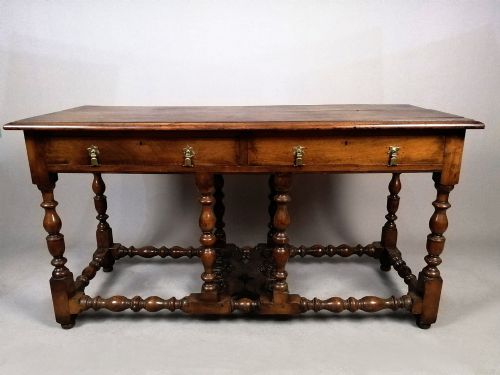
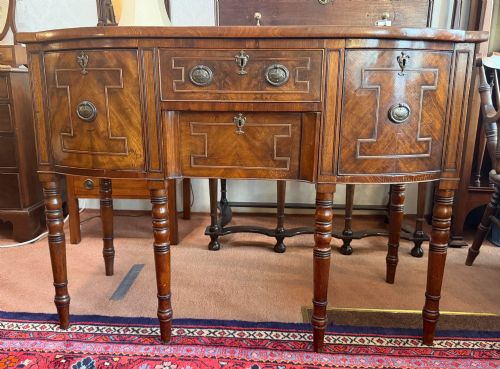
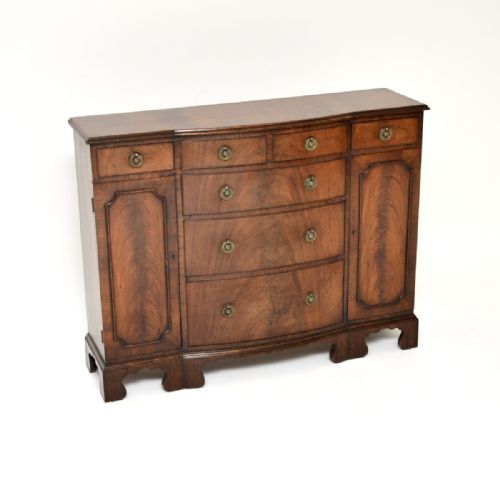
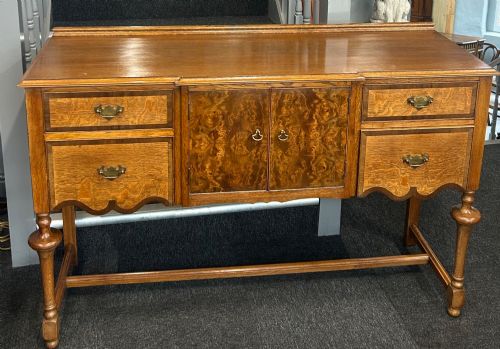
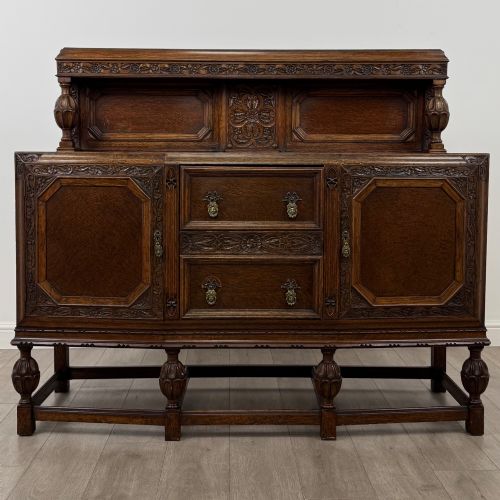
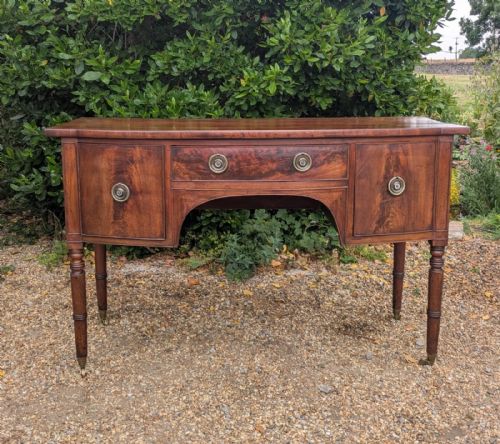
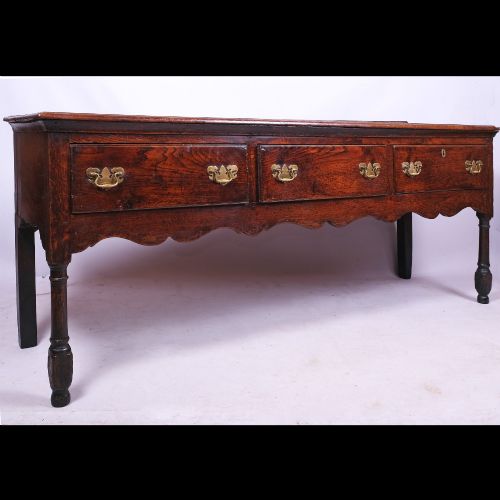
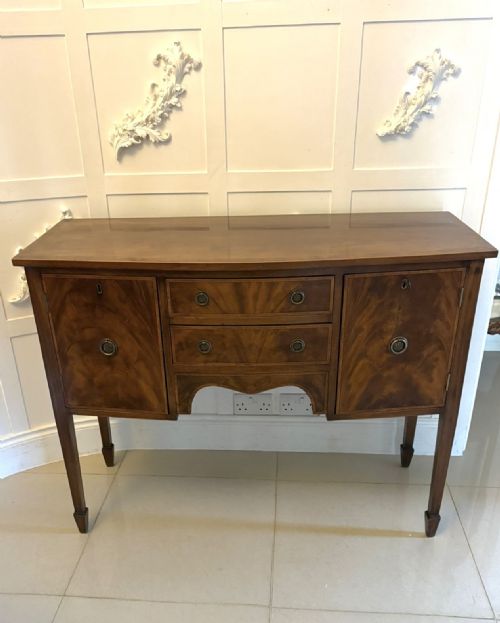
A traditional dining room server encompasses forms such as sideboards, buffets, chiffoniers, and dresser bases designed to serve food and store tableware. These pieces range from Georgian and Regency masterpieces to Victorian, Edwardian, and revival iterations.
Mahogany and oak dominate the selection, appearing alongside burr walnut, flame mahogany veneer, and satinwood. Buyers frequently encounter bow-front shapes, breakfront configurations, and pedestal designs equipped with cupboards and drawers.
Origins span the eighteenth, nineteenth, and early twentieth centuries, featuring plain timbers, brass hardware, mirror backs, and carved ornamentation.
Assessing quality in server design
Quality rests in timber selection and figuration, where figured mahogany or burr walnut elevates a piece far above plain stock. The crispness of carved details and the clever choice of veneer placement distinguish superior cabinet work.
Proportion and architectural balance dictate visual success, separating well-proportioned revival or period pieces from heavier, less harmonious examples.
Traditional Dining Room Server Retail Price Guide 2026
Typical asking prices for traditional dining room server among the pieces listed under this phrase on Sellingantiques today, from the lower quarter to the upper quarter. They describe what is for sale here now, not the wider market.
Some servers hide their serving functions behind clever architectural disguises, incorporating mirror backs to reflect candlelight onto the evening spread.
Maple & Co
The Traditional Dining Room Server Glossary
- Bow-front
- A convex curved cabinet front that swells outward in the centre. This shape softens the room's geometry and increases interior depth.
- Breakfront
- A piece of furniture where the central section projects forward from the flanking outer sections. It creates a strong architectural rhythm across the facade.
- Chiffonier
- A compact sideboard or cabinet, frequently fitted with a raised shelf or mirror back. Victorian iterations often served smaller dining spaces.
- Dresser base
- A lower sideboard or table base fitted with drawers and cupboards, rooted in earlier centuries. These pieces display robust oak construction and utilitarian character.
- Pedestal sideboard
- A form featuring distinct outer pedestals or cupboards flanking a central section or recessed table. William IV and Victorian makers favoured this grand arrangement.
Traditional Dining Room Server: Frequently Asked Questions
What is a traditional dining room server?
A traditional dining room server is a low cabinet, sideboard, or serving table designed to hold dinnerware, linen, and food during meals.
These pieces reflect historical periods from the eighteenth to the twentieth century, combining practical storage with distinguished timber presence.
How do I choose between a sideboard and a server?
Sideboards typically offer larger storage capacities with multiple doors and drawers, while servers and serving tables often feature lighter, more open frames.
Consider your room dimensions and whether you require concealed storage or simply a surface for plating food.
Which woods are most common?
Mahogany and oak form the vast majority of pieces, appearing in solid boards or enhanced with flame mahogany veneer and burr walnut.
Cabinetmakers also utilised satinwood for inlay work and brass for functional hardware details.
How do I date a server?
Dating relies on stylistic clues, hardware, timber types, and construction methods associated with specific eras like the Georgian, Victorian, or Edwardian periods.
Georgian pieces show restraint and classical lines, whereas Victorian and Edwardian examples often introduce heavier carvings, mirror backs, or golden oak finishes.
How do I care for antique wood?
Protect antique timber surfaces by keeping pieces away from direct heat sources and strong sunlight that can dry or fade the finish.
Dust regularly with a soft cloth and occasionally apply appropriate wax to nourish the grain without building up heavy residue.