





Traditional Countryside Painting
These traditional countryside painting works capture rural British life through oils and watercolours, offering a quiet window into historic pastoral scenes.
Traditional Countryside Painting
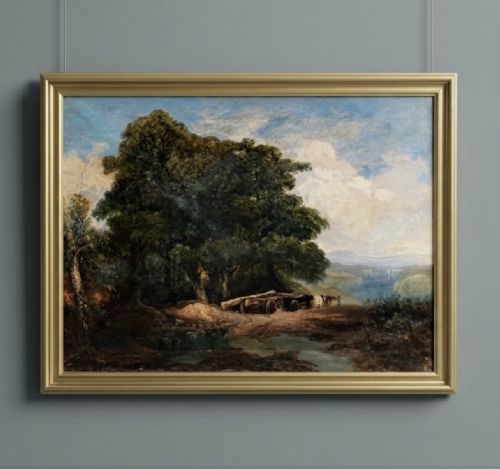
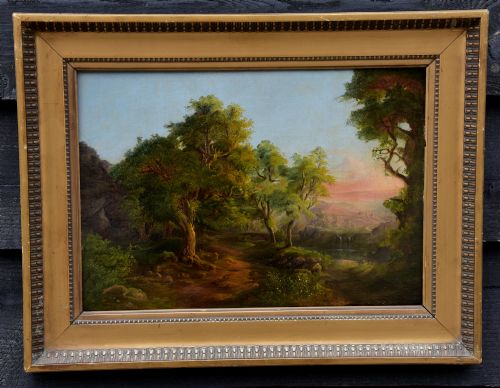
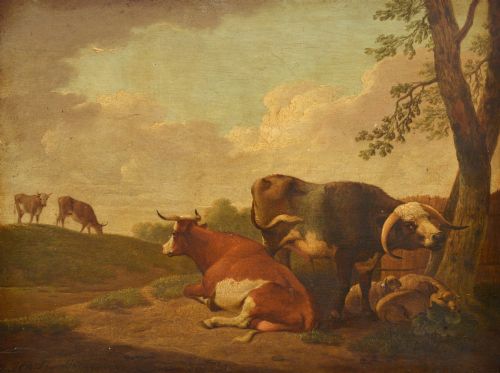
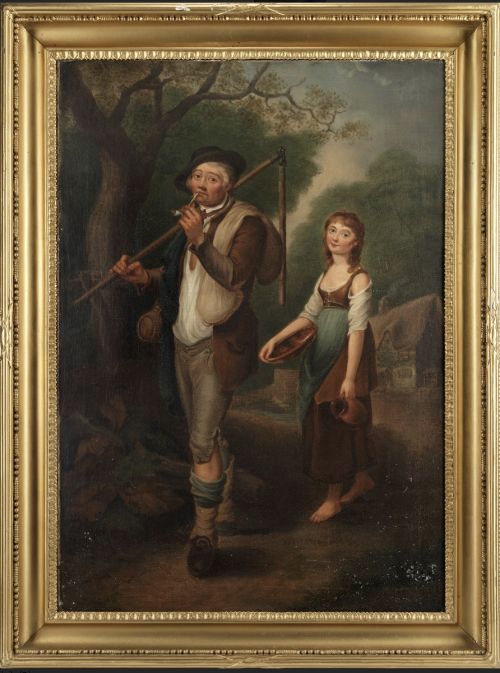
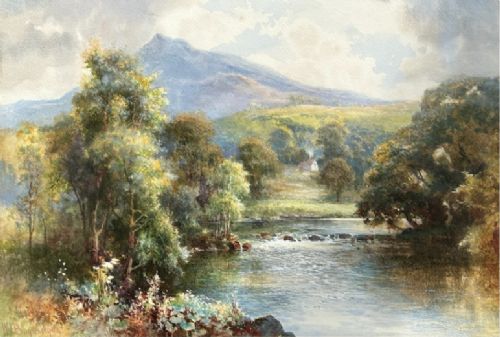
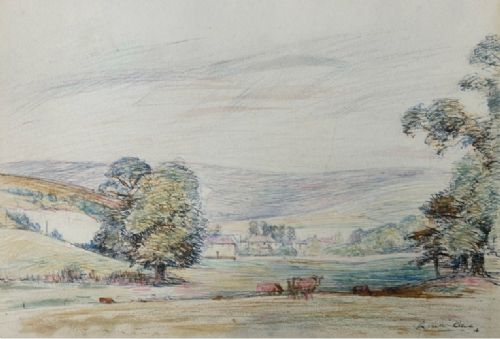
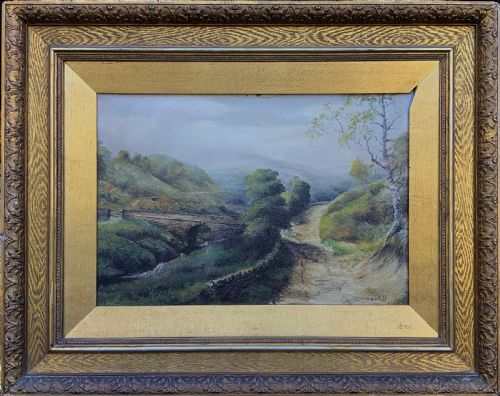
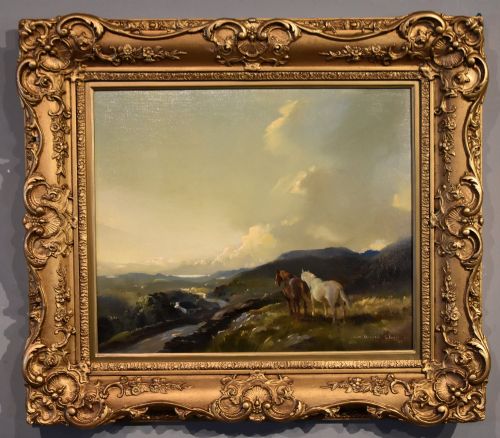
A traditional countryside painting depicts rural British scenes, often featuring rivers, woodland paths, cottages, and agricultural animals like sheep and cattle. You will encounter works spanning the nineteenth century through the mid-twentieth century, capturing changing rural moods from bright summer days to misty eventides.
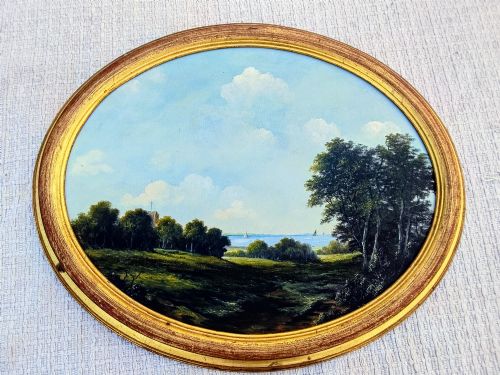
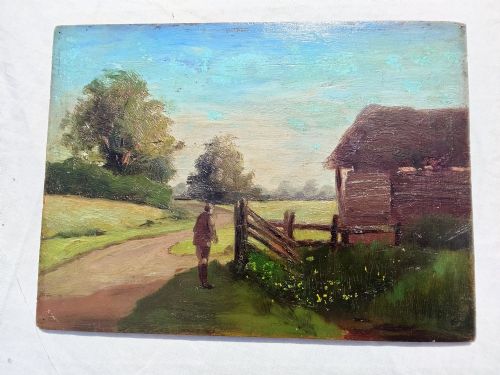
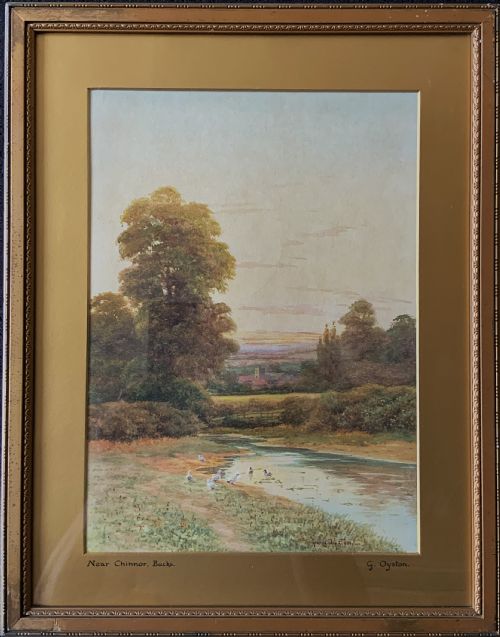
The pieces on this page lean heavily into Victorian pastoral, British impressionism, and the English School tradition. Works range from expansive oil paintings on canvas and wooden boards to delicate watercolours on paper, reflecting the daily rhythms of country life.
Most examples originate from British artists recording local topography, regional farms, and coastal views. Whether showing heavy shire horses ploughing or figures fishing under willow trees, these artworks ground their subjects in distinct locales across England, Wales, and Scotland.
Materials and technique
Artists relied primarily on oil paint applied to stretched canvas or wooden board, or watercolour pigments worked onto paper. These mediums allowed painters to build rich surface textures or delicate translucent washes depending on the desired atmosphere.
Support materials varied from traditional woven canvas to rigid wooden panels and heavy card, frequently framed in gilded wood that complemented the warm tones of the composition. Brushwork ranges from tight academic precision to looser impressionistic dabs that suggest light playing across foliage and water.
Traditional Countryside Painting Retail Price Guide 2026
Typical asking prices for traditional countryside painting among the pieces listed under this phrase on Sellingantiques today, from the lower quarter to the upper quarter. They describe what is for sale here now, not the wider market.
The listings feature oil and watercolour works spanning from the eighteenth century through the 1960s.
What separates the best examples
Quality rests in the handling of light, atmospheric depth, and the naturalistic integration of figures and animals within the landscape. Superior works demonstrate a confident command of colour and tone, rendering skies and water with convincing movement and weight.
The strength of composition and the specificity of the location elevate certain pieces above standard topographical records. Stronger paintings display assured brushwork and structural clarity that bring vitality to ordinary rural subjects.
Richard Sebastian Bond·William H Myers·George Graham·William Joseph Shayer Senior·Hendrik Willem Schweickhardt·Thomas Barker of Bath·William Joseph Boyes·David Bates·George Oyston·Russell Sidney Reeves·Vernon DeBeauvoir Ward·Alexander Wellwood Rattray·John Horace Hooper·Hubert Wellington·Owen Bowen·Charles Walter Simpson·Henry Charles Fox·William Henry Mander·Herbert Royle·John Sanderson Wells·Reginald Grange Brundrit·Fred Lawson·William Hoggatt·Alfred Augustus Glendening Jnr
The Traditional Countryside Painting Glossary
- Canvas
- A heavy woven fabric stretched across a wooden frame to serve as a stable support for oil paint. It provides a slightly textured surface that absorbs layers of pigment effectively.
- Gouache
- An opaque water-based paint that dries to a matte finish, often used alongside transparent watercolour to add highlights and solid colour areas.
- Pastoral
- A genre of art depicting rural life and idealized country landscapes, typically featuring shepherds, farm animals, and tranquil fields.
- Watercolour
- A painting method where natural pigments are suspended in a water-soluble vehicle, applied in translucent washes onto paper.
Traditional Countryside Painting: Frequently Asked Questions
How do I date a traditional countryside painting?
Dating relies on signatures, artist exhibition records, stylistic cues within the clothing of painted figures, and framing materials. Labels on the reverse or handwritten inscriptions on the stretcher bars frequently provide precise years or locations.
Changes in artistic movements also offer chronological markers, shifting from nineteenth-century romanticism toward lighter impressionist brushwork by the early twentieth century.
Where should I hang a landscape painting?
These works suit dining rooms, studies, or living spaces where stable ambient light helps preserve pigments. Avoid placing canvas or watercolour works in direct sunlight or damp areas like unheated conservatories.
Pairing a framed oil painting with traditional wooden furniture creates a cohesive look that complements the rural subject matter.
Are these paintings original artworks?
The listings consist entirely of original hand-painted works created directly by the artists using oil or watercolour. Each piece records a singular creative act rather than a mechanical reproduction.
Signatures, artist ciphers, and distinct brush textures confirm the unique execution of every canvas and paper surface.
How do I care for antique oil paintings?
Keep paintings away from rapid temperature fluctuations and excessive humidity to prevent wood panels from warping or canvas from slackening. Dust surfaces gently with a soft, dry brush without applying liquid cleaners.
Professional conservators should handle any deep cleaning or structural repairs to the paint layer or backing.