





Traditional Countryside Landscape Painting
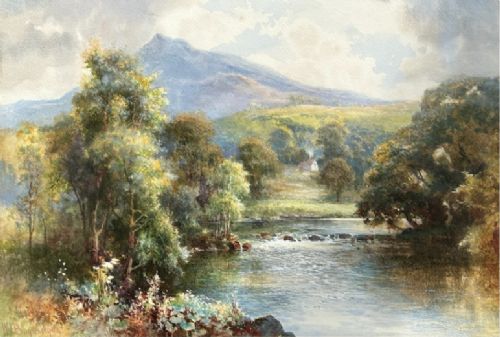
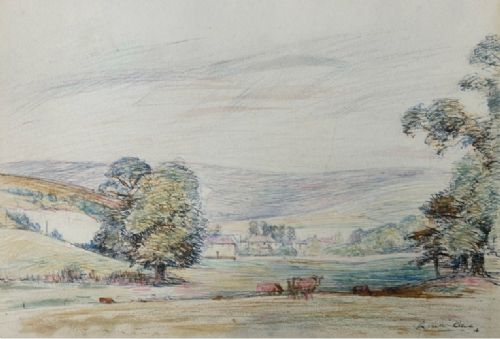
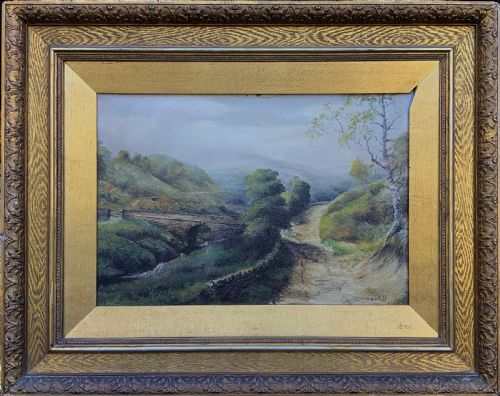
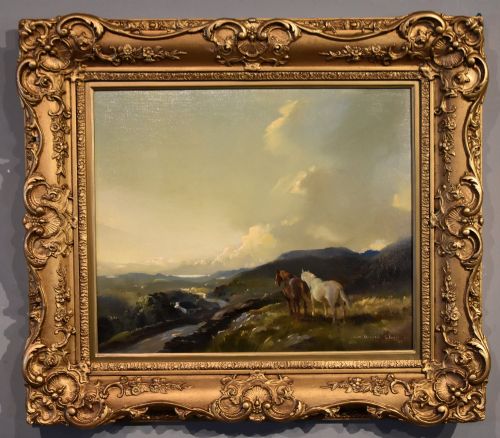
A traditional countryside landscape painting brings quiet river valleys, wooded pastures and grazing livestock directly onto the wall.
Traditional Countryside Landscape Painting
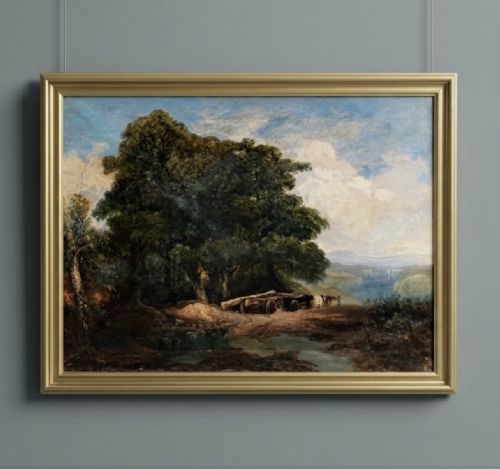
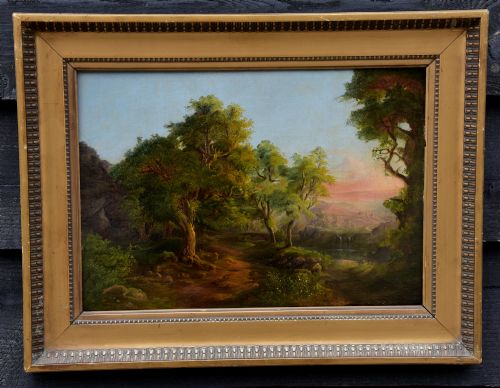
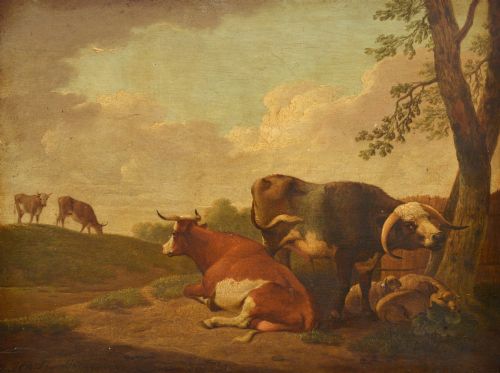
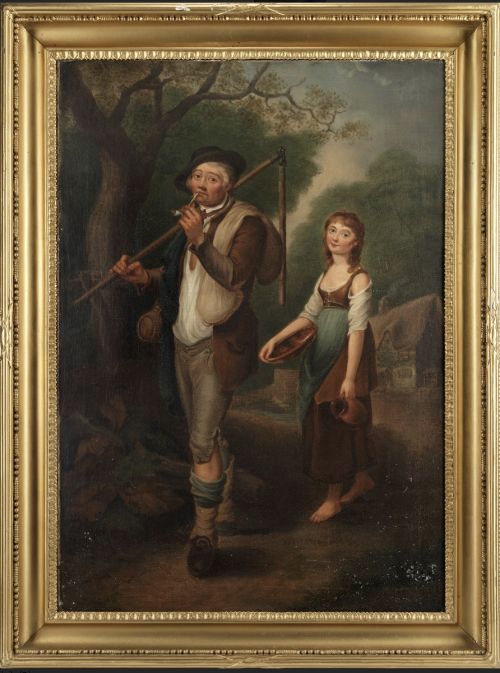
A traditional countryside landscape painting captures rural life, agricultural scenes and natural vistas across Britain through oil and watercolour. These works frequently depict pastoral settings populated by farm animals, figures gathering water or working horses ploughing the soil.
The pieces available span from the nineteenth century into the mid-twentieth century, encompassing Victorian romanticism, Edwardian views and British Impressionism. Collectors encounter works on canvas, wood panel, board and paper created by regional artists and named painters.
The most common subjects range from Welsh river valleys and West Country moorlands to Yorkshire morning views and quiet English cottages. Each canvas records the changing light of rural life through direct observation of nature.
Materials and construction
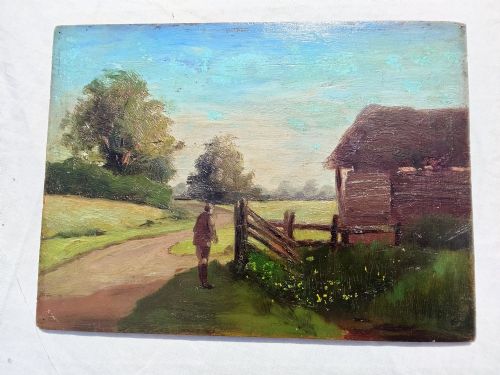
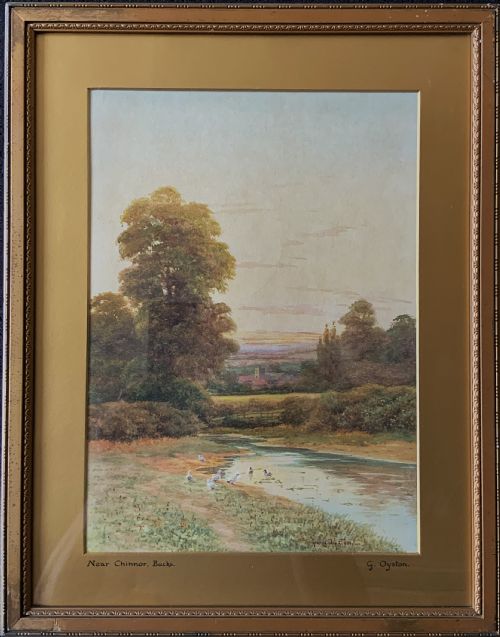
Artists utilised oil paint applied to stretched canvas, wooden boards or wood panels, building up rich textures and deep tones. Watercolours on paper offer a lighter, transparent medium for capturing skies and flowing rivers.
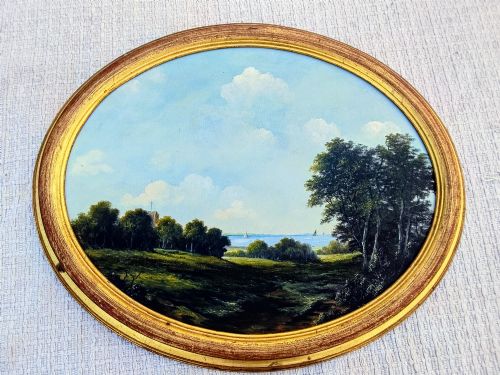
Many works retain their original gilt or wooden frames, which protect the edges and complement the composition. Pigments were brushed with careful attention to natural light, weather conditions and atmospheric depth.
Several canvases quietly record ploughing horses taking a well-earned break beneath wandering willow trees.
Assessing quality in rural landscapes
Quality rests in the handling of light, atmospheric perspective and the naturalistic integration of figures or animals into the scenery. Stronger works demonstrate confident brushwork and precise tonal balance rather than rigid adherence to formulaic views.
The preservation of the original paint surface and the integrity of the support, whether canvas or panel, influence the lasting character of the piece. Framing also contributes significantly, with period gilt moulding enhancing the visual presence of the artwork.
Richard Sebastian Bond·William H Myers·George Graham·William Joseph Shayer Senior·Hendrik Willem Schweickhardt·Thomas Barker of Bath·William Joseph Boyes·David Bates·George Oyston·Russell Sidney Reeves·Vernon DeBeauvoir Ward·Alexander Wellwood Rattray·John Horace Hooper·Hubert Wellington·Owen Bowen·Charles Walter Simpson·Henry Charles Fox·William Henry Mander·Herbert Royle·John Sanderson Wells·Reginald Grange Brundrit·Fred Lawson·William Hoggatt·Alfred Augustus Glendening Jnr
The Traditional Countryside Landscape Painting Glossary
- Oil paint
- A slow-drying medium made by combining pigments with oils such as linseed, allowing for rich blending and varied surface textures. It remains the primary medium for many nineteenth-century pastoral scenes.
- Watercolour
- A paint consisting of water-soluble pigments used on paper to create translucent washes of colour. It is frequently employed for lighter, more immediate landscape studies.
- Wood panel
- A rigid wooden support used by artists before or alongside canvas. Panels provide a stable, smooth surface for detailed brushwork.
- Gilt frame
- A wooden picture frame coated with gold leaf or metallic paint. These frames add a decorative border that isolates and elevates the artwork.
Traditional Countryside Landscape Painting: Frequently Asked Questions
What periods do these paintings come from?
The works originate largely from the nineteenth and early twentieth centuries, reflecting changing artistic movements from Victorian pastoralism to British Impressionism.
Dates span from the Georgian era through the Edwardian period and into the mid-twentieth century, capturing over a hundred years of rural art.
How should I hang an oil painting?
Hang paintings away from direct sunlight and strong sources of heat to protect both the canvas and the pigments from fading or cracking.
Ensure the wall fixings match the weight of the frame and keep the artwork at a comfortable eye level in a stable environment.
How do I identify a watercolour from an oil?
Watercolours are painted on paper and typically displayed behind glass with a protective mount, showing transparent layers of pigment.
Oil paintings are created on canvas or wood boards with a thicker, textured paint layer that sits on the surface without glass protection.
What subjects are most common?
Common subjects include river landscapes, woodland paths, agricultural workers, grazing cattle and sheep, and rural cottages set in Welsh or English valleys.
Artists focused on everyday country life, changing weather conditions, and peaceful pastoral views that celebrate the natural British countryside.