


Terracotta Landscape Painting
When you search for terracotta landscape painting, you encounter works rendered in oil, watercolour, and mixed media across various periods.
Terracotta Landscape Painting
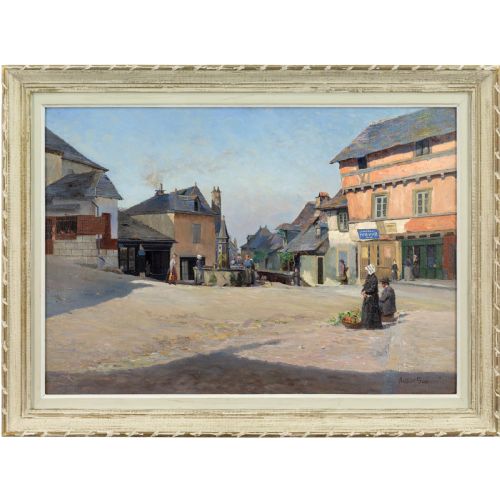
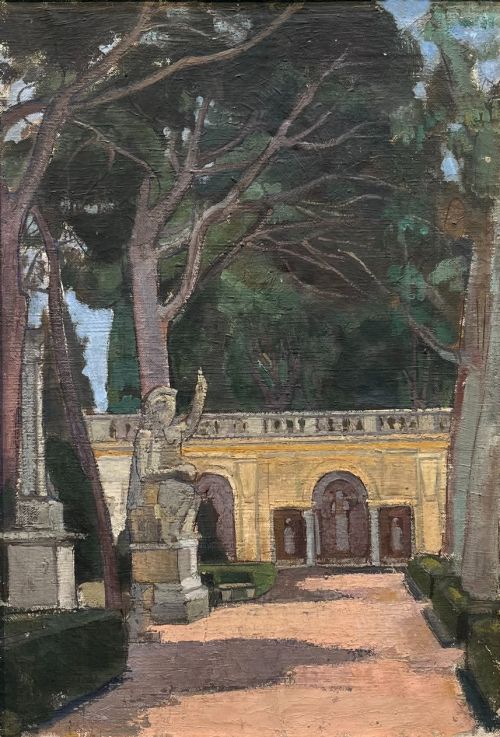
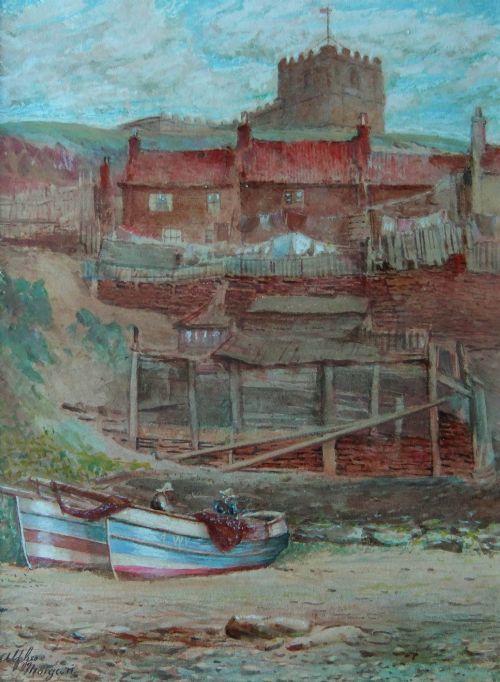
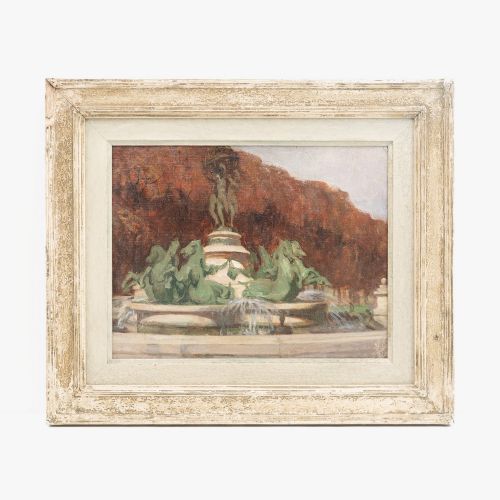
When you search for terracotta landscape painting, you find works that span the nineteenth and twentieth centuries, including Victorian, Edwardian, and mid-century modern examples. The selection contains oil paintings, watercolours, and mixed media pieces depicting rural scenes, cityscapes, and coastal views.
The most common formats on this page are oil on canvas, oil on board, and watercolour on paper. These works capture subjects ranging from English village views to Mediterranean scenes and Venetian lagoons.
Materials and Technique
Artists relied on traditional supports such as canvas, paper, and wood panels for their landscape compositions. Pigments were applied using oil paints or watercolour, sometimes incorporating impasto texture or ink line drawing.
The physical application reflects the dominant artistic movements of each era, from British impressionism and post-impressionism to academic watercolour techniques.
Every landscape holds a hidden weather forecast painted in real time.
Assessing Quality
The strength of a composition rests on the artist's handling of light, atmosphere, and spatial depth within the landscape. Works demonstrating confident brushwork or precise watercolour washes distinguish themselves from simpler decorative efforts.
Condition plays a role in overall merit, particularly the stability of the pigment on paper or canvas and the preservation of the original surface over time.
Arthur Gué·Alfred G. Morgan·Alexander Jamieson·Herbert Royle·Fred Lawson·George Graham·Arthur Tucker·Owen Bowen·Fred Waugh·Claude Jousset·Armand Guillaumin·Abraham Hulk Junior·Jack Merriott·William Hatherell·Fred Mayor·John Sanderson Wells·David Law·George Stanfield Walters·Lester Sutcliffe·Fred Elwell
The Terracotta Landscape Painting Glossary
- Watercolour
- A painting method in which the paints are made of pigments suspended in a water-based solution. Paper serves as the primary support for these transparent washes.
- Impasto
- The process of laying paint thickly on a surface so that it stands out from it. This technique adds visible texture and dimension to oil paintings.
- Canvas
- A heavy woven fabric used as a surface for oil painting. It is typically stretched over a wooden frame before application.
- Gouache
- An opaque watercolour paint consisting of pigment, water, and a binding agent such as gum arabic. It provides solid, flat areas of colour in works on paper.
Terracotta Landscape Painting: Frequently Asked Questions
What is terracotta landscape painting?
Terracotta landscape painting refers to works depicting outdoor scenery, often connected by medium, tone, or specific substrate materials like the painted terracotta plate found in the historical record.
The term encompasses diverse artistic approaches from the nineteenth and twentieth centuries, uniting various geographical subjects under a shared category.
How were these paintings displayed?
Most works on canvas or board were fitted into wooden frames for wall hanging in domestic interiors. Watercolours on paper required framing behind glass to protect the pigment from moisture and light damage.
Smaller plates or panels were sometimes placed on specialist stands or hung directly using integrated backing cords.
How do I care for a watercolour painting?
Watercolours require placement away from direct sunlight to prevent the fading of delicate pigments on paper. Maintaining stable humidity levels prevents the growth of mould and protects the paper fibres.
Displaying the work behind conservation-grade glass further shields the surface from atmospheric pollutants.
How can I tell the period of a landscape painting?
Stylistic indicators such as brushwork, framing choices, and the handling of light offer strong clues to a painting's era. Impressionist and post-impressionist handling points towards the late nineteenth or early twentieth centuries.
Subject matter and the physical characteristics of the paper, canvas, or stretcher frames also assist in dating the piece.