

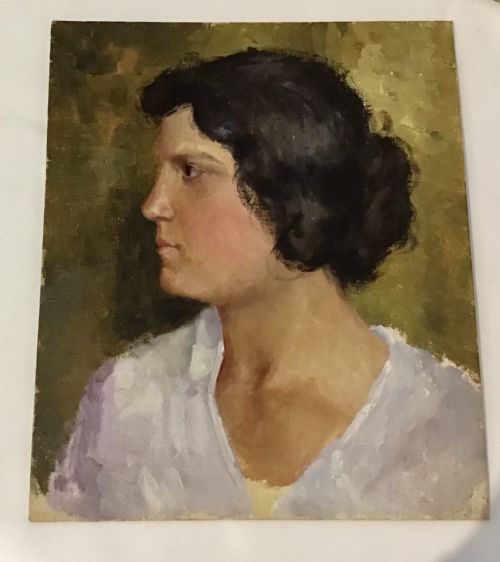

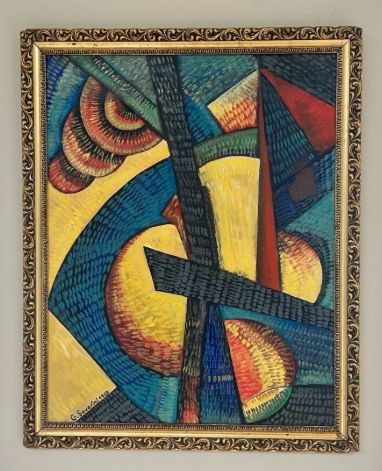
Vintage Italian Oil Painting
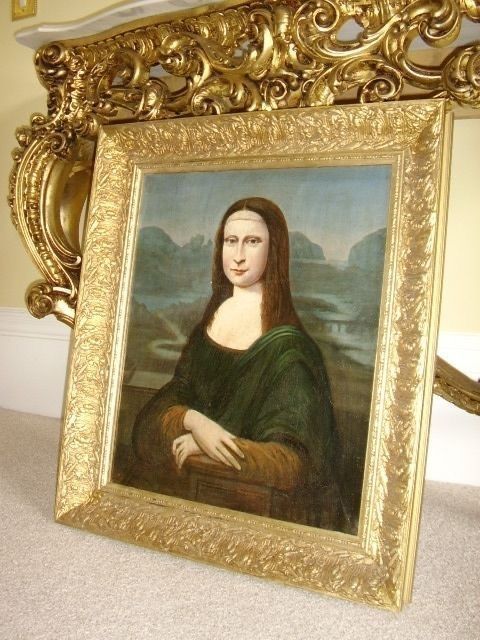
A vintage italian oil painting brings the light of Venice, Tuscany, and Rome directly onto your wall through pigment and canvas.
Vintage Italian Oil Painting
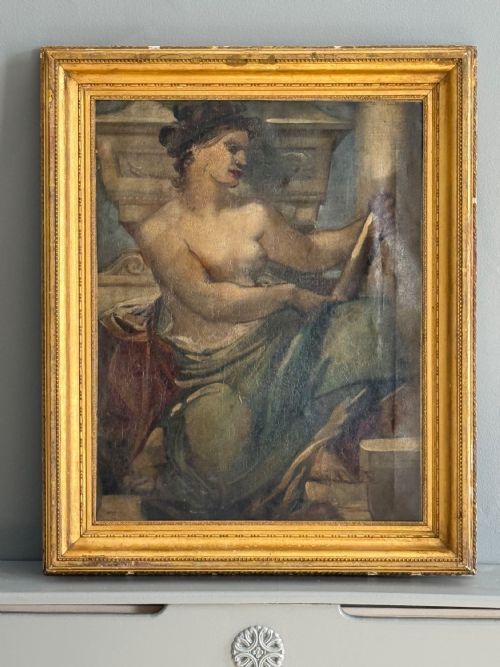
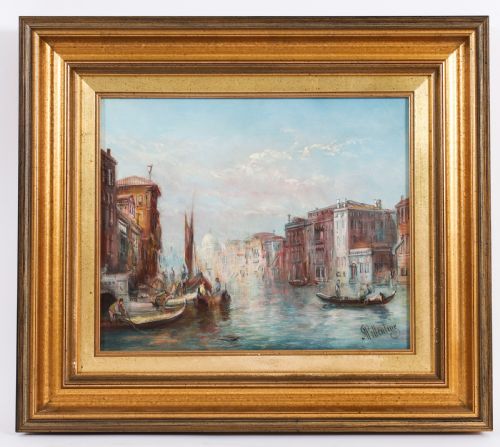
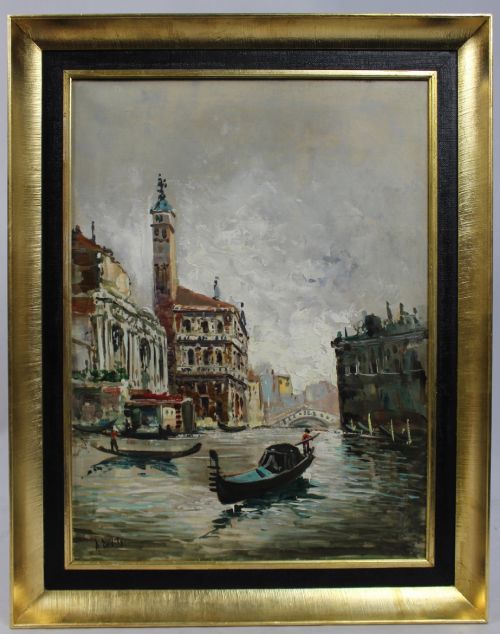
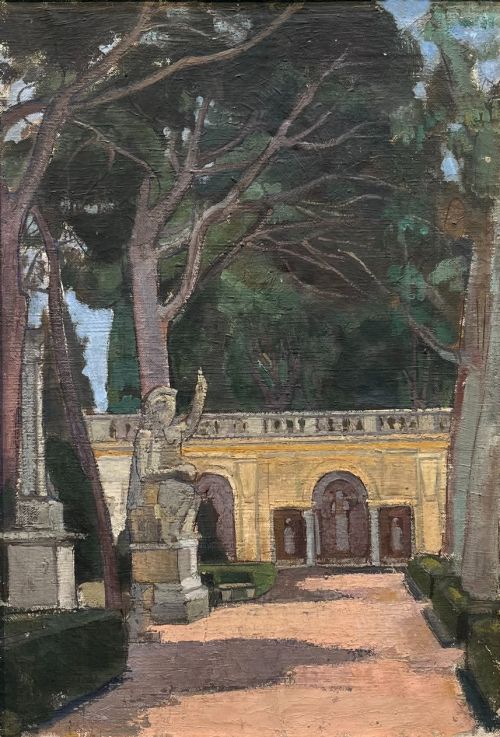
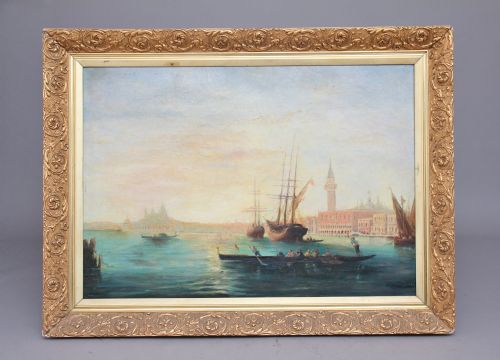
A vintage italian oil painting spans centuries of artistic expression, ranging from grand pastoral landscapes and religious subjects to quiet coastal scenes and detailed portraiture. When exploring this phrase, collectors encounter works produced across various eras, capturing everything from classic Venetian lagoon vistas to mid-century abstract compositions.
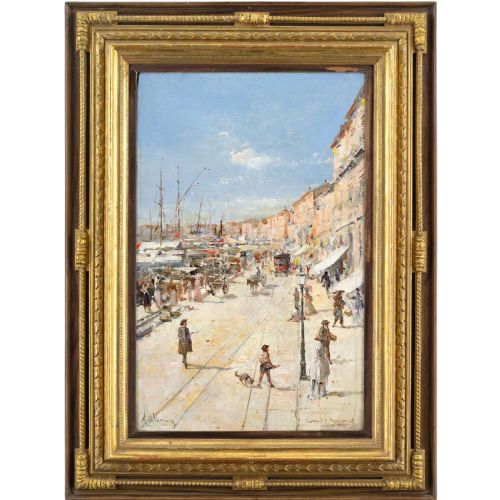
The selections available here heavily feature 19th-century canvases alongside mid-century interpretations and earlier academic revivals. Buyers frequently meet depictions of historic palazzos, bustling harbours, and serene rural life rendered by named artists and regional schools alike.
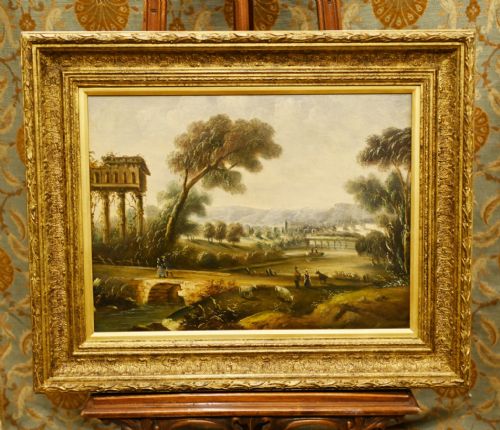
Formats vary considerably, encompassing large framed gallery pieces, intimate wood panels, and delicate miniatures. Many retain their period frames, such as swept giltwood mouldings that complement the painterly brushwork within.
Materials and technique
The foundational medium for these works is oil paint applied to prepared canvas, wood panels, or rigid board. Artists built depth through layered glazes and opaque strokes, allowing the texture of the fabric or grain to interact with the pigment.
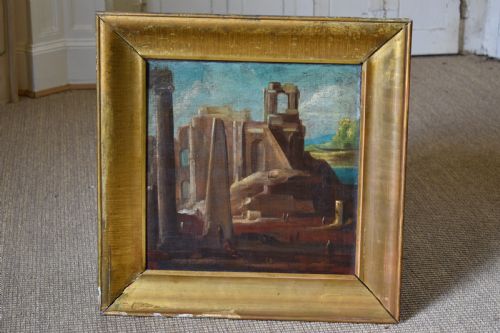
Frames are integral to the physical object, frequently constructed from carved wood finished with gilt or gilding. These enclosures range from heavy Renaissance revival mouldings to lighter mid-century profiles designed to suit the specific aesthetic of the painting.
The listings span from the 17th century through the mid-20th century, encompassing traditional canvas and wood panel supports.
Distinctions in quality
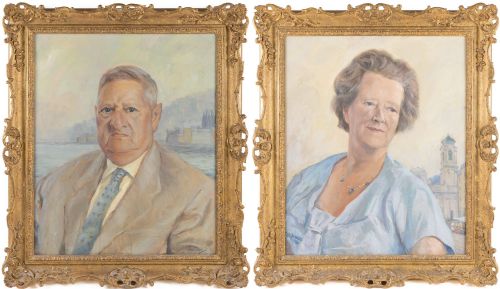
Quality rests upon the confidence of the brushwork, the handling of light, and the anatomical or perspective accuracy within the composition. Masterful execution reveals itself in the subtle modulation of tone across a Venetian sky or the convincing weight of fabric in a portrait.
The integrity of the original surface also dictates distinction, where untouched pigment layers and period-appropriate stretcher frames outshine later interventions or heavy restorations. Furthermore, the artistry of the accompanying giltwood frame often mirrors the ambition of the canvas it encases.
Dumini Leopoldo·Augusto Alberici·Alfred Pollentine·Antonio DeVity·Umberto Volpato·Attilio Toro·Gino Severini·Fernando Del Basso·Evaristo Cappelli·Luca Postiglione·Ferruccio Vitale·Claude Jousset·William Raymond Dommersen·E. Perez Senet
The Vintage Italian Oil Painting Glossary
- Canvas
- A heavy woven fabric stretched across a wooden frame to serve as a durable support for oil paint. It provides a slightly flexible surface that responds well to textured brushwork.
- Giltwood
- Wood that has been coated with a thin layer of gold leaf or metallic powder. This traditional framing technique adds warmth and reflectivity to the perimeter of the artwork.
- Impressionism
- A style of painting focused on capturing the visual impression of a moment, characterised by relatively small, thin yet visible brush strokes. It emphasises accurate depiction of light in its changing qualities.
- Grand Tour
- A traditional trip of Europe undertaken by upper-class European young men of sufficient status. Artworks purchased during these travels frequently documented Italian landscapes and architectural views.
- Panel
- A flat piece of wood used as a rigid alternative to canvas for painting. These sturdy supports were favoured for smaller works and detailed miniatures throughout various centuries.
Vintage Italian Oil Painting: Frequently Asked Questions
How do I identify the age of an oil painting?
Dating relies on examining the canvas weave, the stretcher frame construction, and the ageing characteristics of the oil pigment itself. Earlier works often display characteristic craquelure and heavier linen supports.
Secondary clues include handwritten inscriptions on the reverse, historical framing styles, and the specific signature or registration stamps of period art suppliers.
Where were these paintings typically displayed?
Historic paintings of this nature hung within formal drawing rooms, libraries, and galleries of grand European residences. Smaller panels and watercolours were often kept in private studies or collected as travel mementos.
Today, they translate easily into domestic interiors, functioning as striking focal points above mantelpieces or within curated gallery walls.
What is the difference between canvas and board?
Canvas offers a woven texture and flexibility, requiring a wooden stretcher frame to maintain tension. Board provides a completely rigid, unyielding surface that resists punctures and slackening over time.
Both materials were utilised extensively by Italian artists depending on whether they required portability for outdoor sketching or stability for larger studio compositions.
How should I care for a vintage framed artwork?
Protect the piece from direct sunlight and sudden fluctuations in temperature and humidity to prevent the oil paint from cracking. Dust the frame gently with a dry, soft brush rather than using liquid cleaning products.
Ensure the hanging wire and wall fixings remain secure, and consult a professional conservator if the canvas shows signs of sagging or surface grime.