
Traditional Country Sports Art
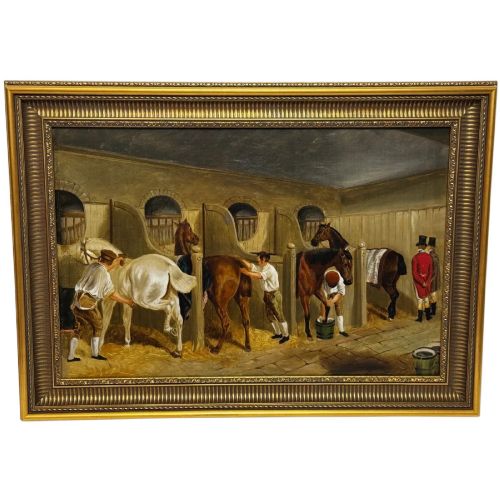
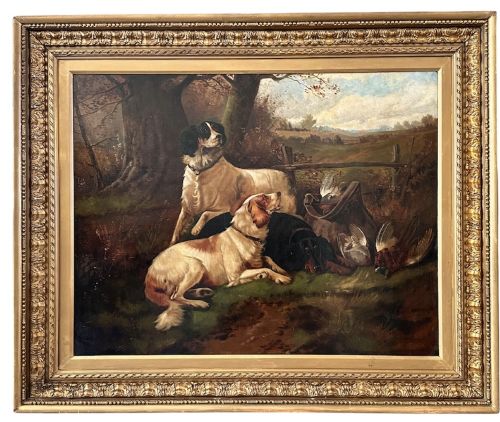
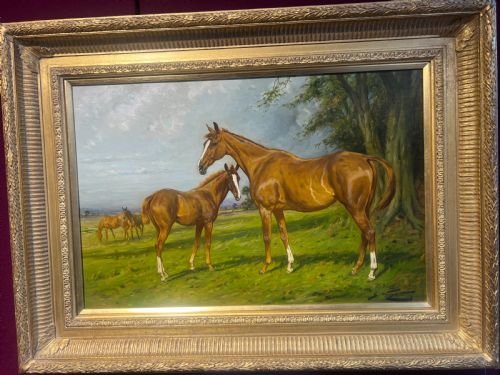
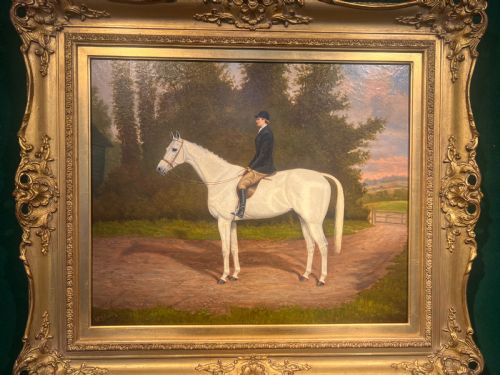
Traditional country sports art captures the motion of hounds, horses and field pursuits in oil, watercolour and print.
Traditional Country Sports Art
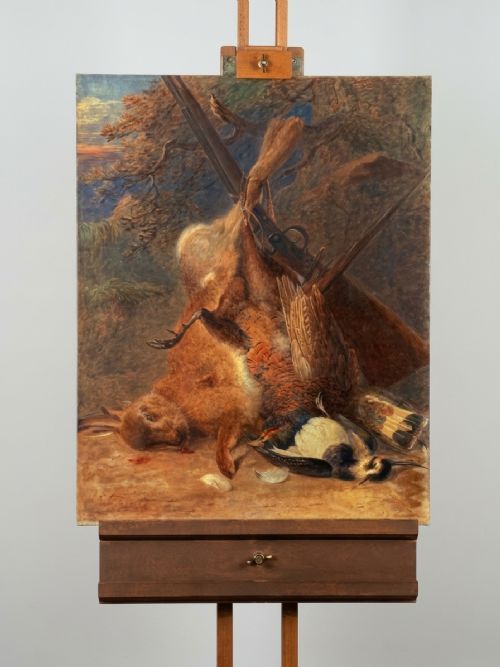
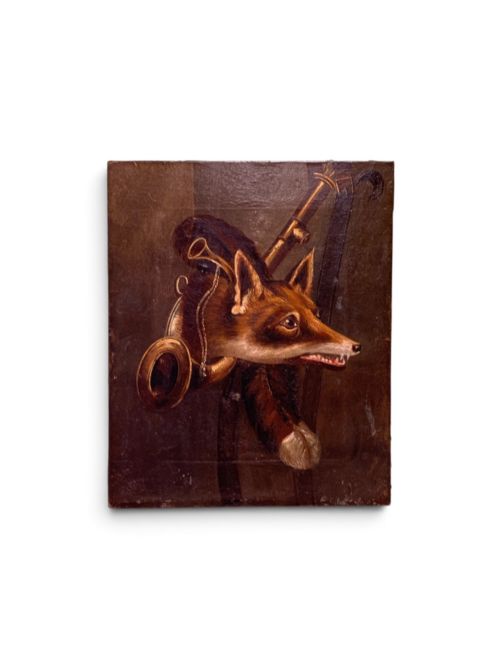
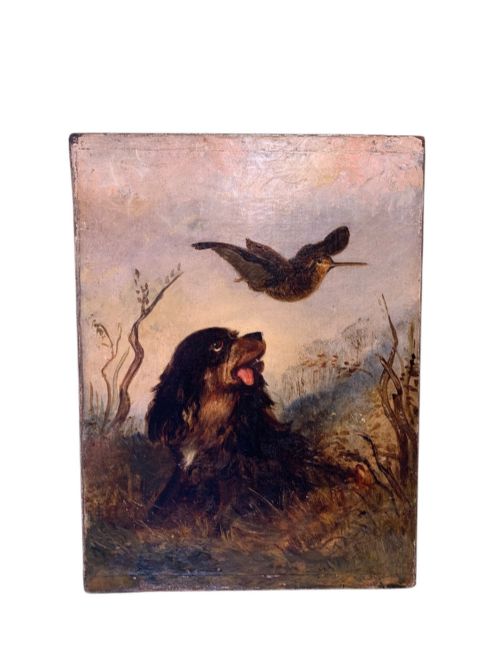
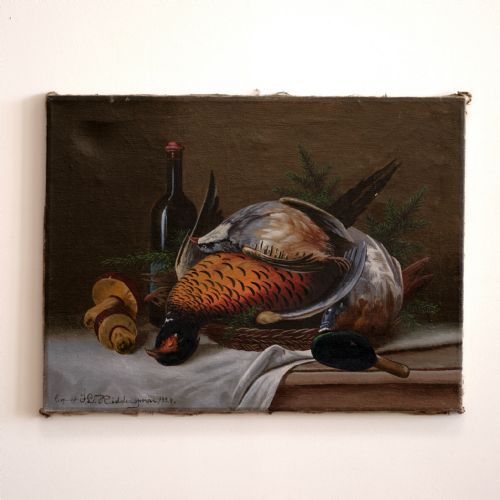
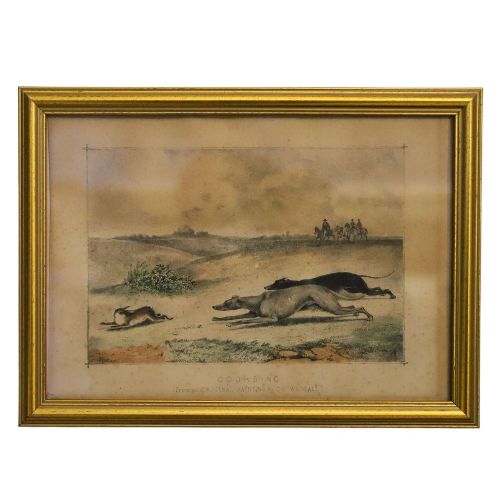
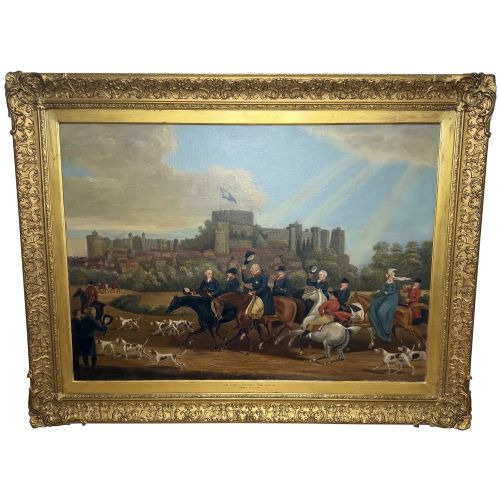
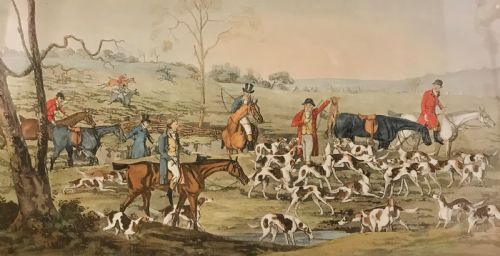
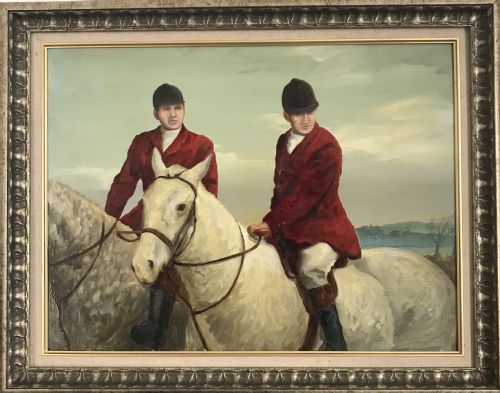
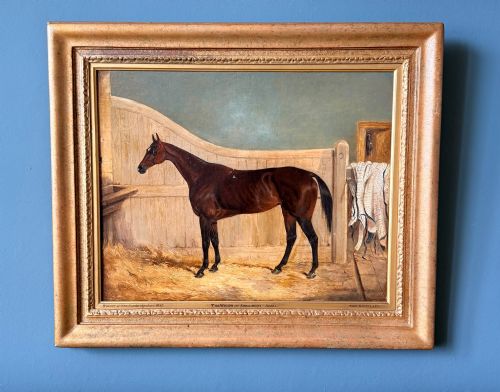
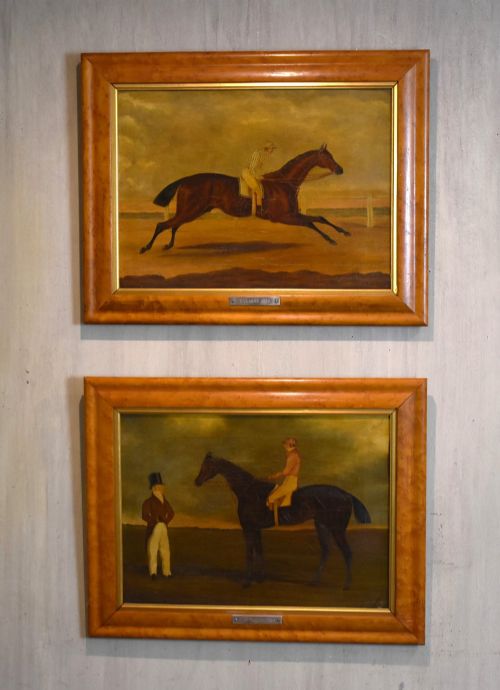
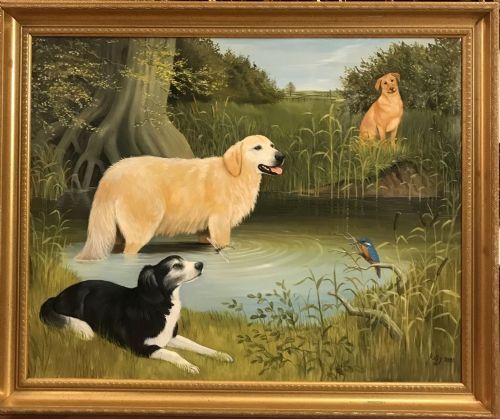
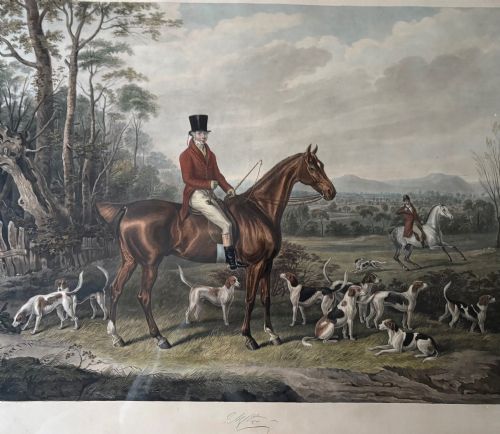
When you search for traditional country sports art, you encounter visual records of equestrian life, field pursuits and game, spanning from the nineteenth century into the twentieth. These works encompass oil paintings on canvas, hand-coloured engravings, lithographs and pencil drawings depicting hunts, gun dogs, horses and game.
The most common pieces on this page are oil paintings and framed prints from the Victorian and later eras. They range from intimate watercolours of hares to large canvas depictions of hounds, hunters and country landscapes.
Subjects centre squarely on the English countryside, featuring identifiable packs, named horses and traditional field sports executed by both professional animal painters and printmakers.
Materials and techniques
These works rely primarily on oil paint applied to canvas or wood panels, alongside watercolours, bodycolour and graphite on paper. Printmakers utilised lithography and engraving techniques, frequently adding hand-colouring to finished impressions.
Framing often involves period wood and giltwood surrounds that complement the canvas or paper surface. Pigments and inks were handled by artists to capture the distinct textures of animal coats, winter landscapes and leather tack.
Listings feature works spanning the nineteenth and twentieth centuries, executed in oil on canvas, watercolour, lithography and engraving.
Distinctions in quality
Quality rests upon the artist's command of animal anatomy, movement and expression, separating competent documentary pieces from masterly compositions. Finer oils display nuanced handling of light across horse flanks and hound fur, whereas lesser examples rely on rigid formulas.
The integrity of the original support, the survival of contemporary framing and the clarity of printed lines or brushwork further distinguish the upper tier of works.
George Sydney Shepherd·John Sargent Noble·George Wright·William Albert Clarke·Thomas Walker Bretland·John Frederick Herring Snr·Benjamin Blake·John Arthur Lomax·Philip Henry Rideout·George E Sharpe·Michael Lyne·Charles Faulkner·Fannie Moody·Colin Graeme Roe·Clifton Tomson·John Frederick Herring Jnr·Samuel Henry Alken·John Sanderson-Wells
The Traditional Country Sports Art Glossary
- Lithography
- A planographic printing process utilising a smooth stone or metal plate to transfer an image onto paper. This technique allowed artists to produce detailed multiple impressions of hunting scenes.
- Bodycolour
- An opaque watercolour paint containing white pigment, used by artists to achieve solid areas of colour and highlights. It provides greater opacity than traditional transparent watercolour.
- Aquatint
- A printmaking technique that produces tonal areas resembling watercolour washes. It was frequently employed in sporting prints to render atmospheric skies and shadowy landscapes.
- Giltwood
- Wood carved and coated with gold leaf or a gold-coloured metallic finish. It forms the traditional decorative framing material for nineteenth-century oil paintings.
Traditional Country Sports Art: Frequently Asked Questions
What subjects appear in traditional country sports art?
The works depict fox hunting, hare coursing, game birds, hunting hounds, gun dogs and equestrian portraits. Scenes frequently capture hounds in motion, horses in landscapes and rural coaching subjects.
Artists drew inspiration from the English countryside and the distinct social traditions associated with field sports during the nineteenth and twentieth centuries.
How do I identify the period of a sporting painting?
Period is determined by costume details, artistic style, framing materials and recorded artist dates. Victorian works often feature detailed narrative compositions and heavy gilt frames.
Later pieces from the twentieth century show shifts in palette and looser brushwork while maintaining traditional rural themes.
Are these works original paintings or reproductions?
The selection includes both unique original oil paintings and period prints such as lithographs and hand-coloured engravings. Original works display visible brushstrokes and artist signatures.
Prints are identified by plate marks, multiple impressions of the same subject and publishing details noted on the margins.
How should I care for antique oil paintings and prints?
Oil paintings require stable indoor humidity and protection from direct sunlight to prevent canvas degradation and pigment fading. Dusting should be done gently with a dry, soft brush.
Works on paper must be kept behind conservation-grade glass away from moisture to preserve the integrity of watercolours and engravings.