

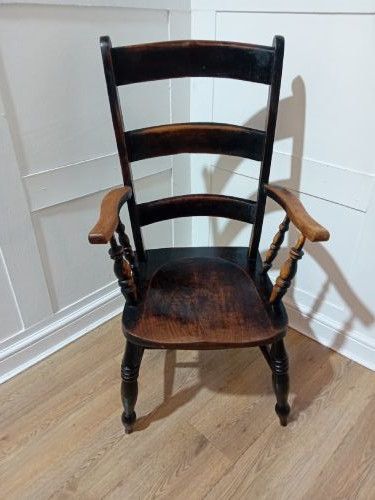


Traditional Country Seat
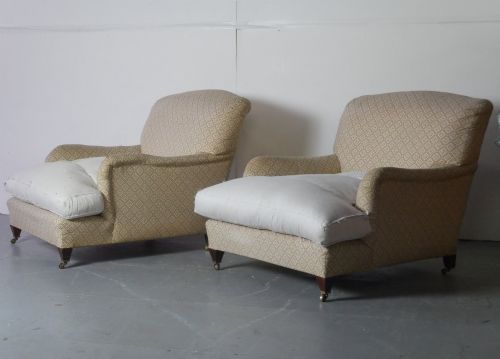
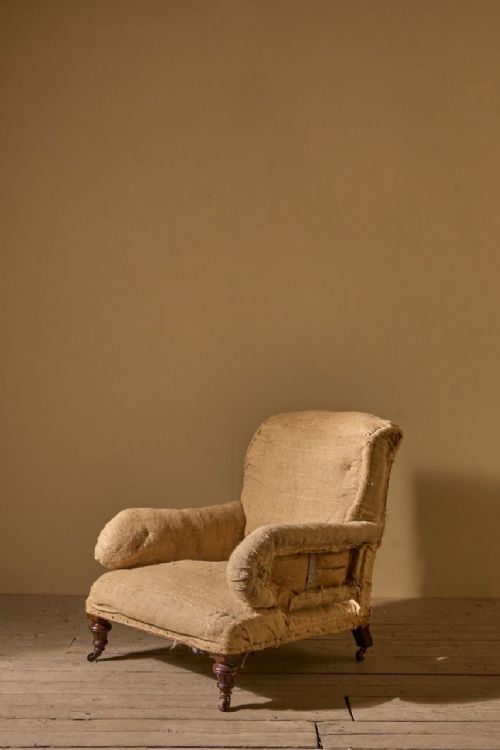
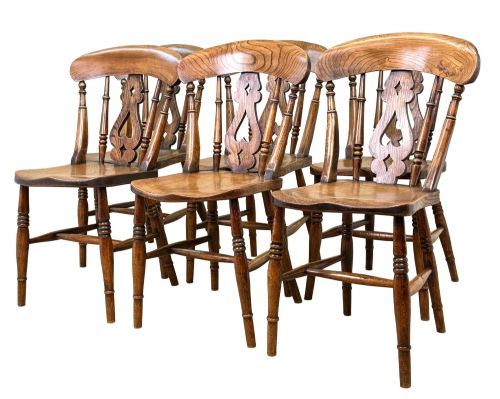
A traditional country seat brings solid domestic character to a room, ranging from elm Windsor chairs to oak settle benches.
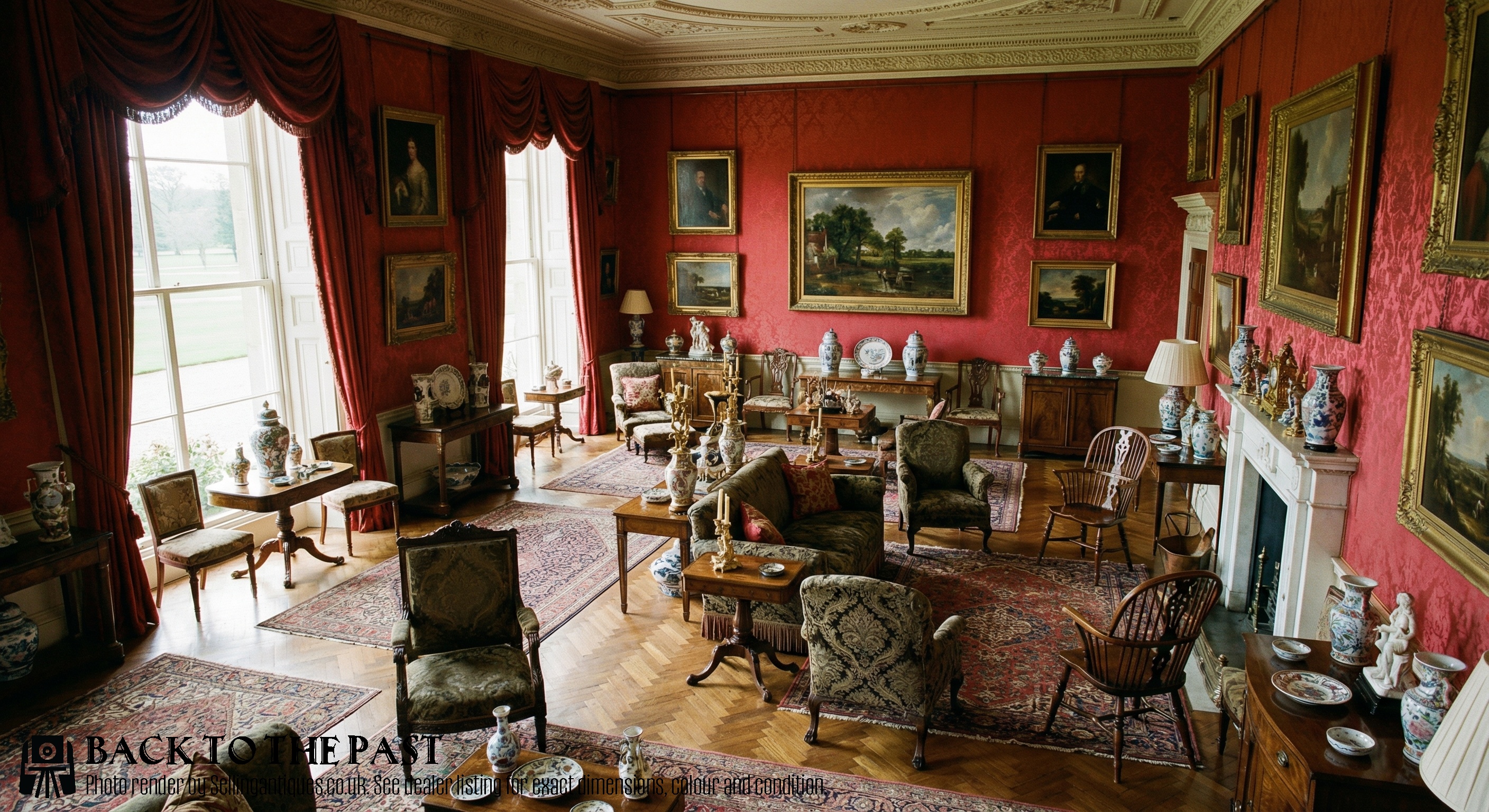
Traditional Country Seat
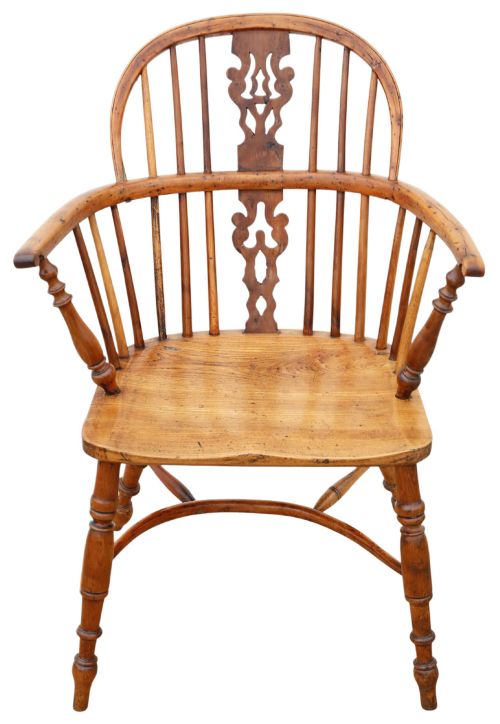
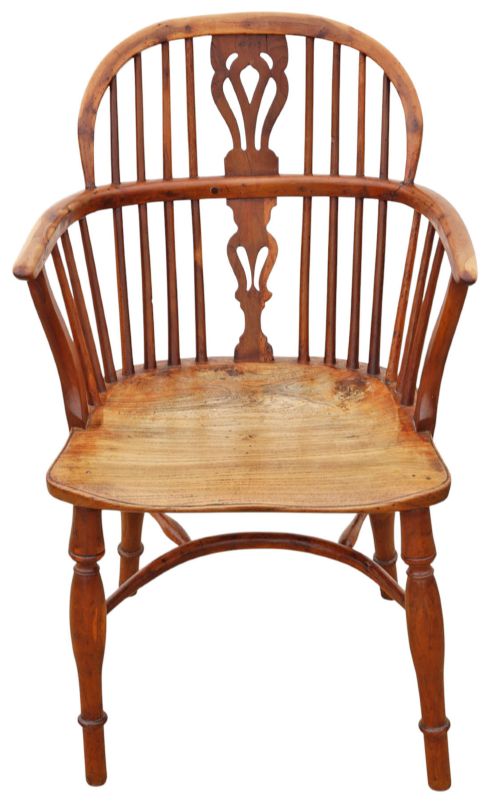
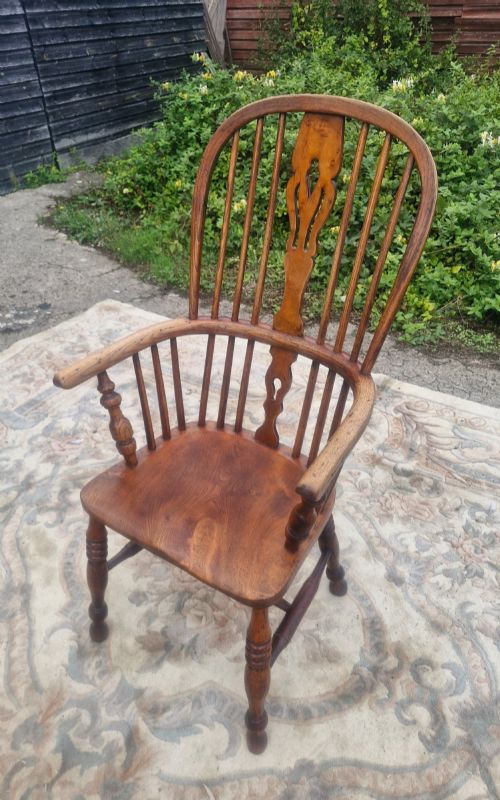
A traditional country seat encompasses robust wooden furniture built for everyday domestic utility across British rural homes. These pieces include Windsor armchairs, settles, dining chairs, benches, and tavern stools originating from periods spanning the eighteenth through the early twentieth century.
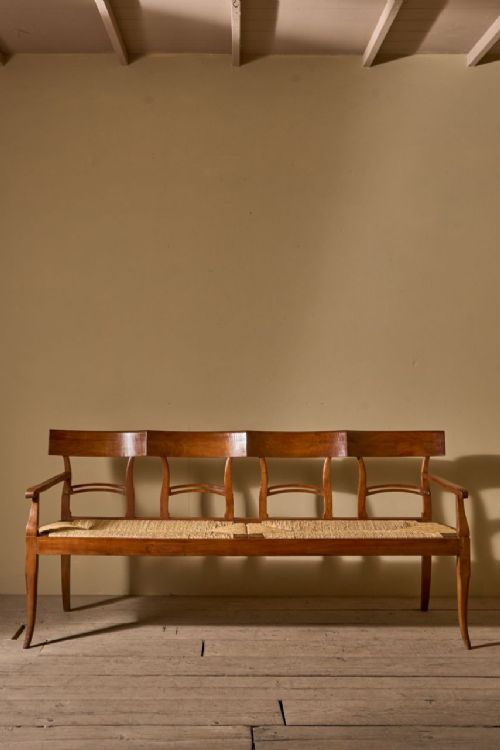
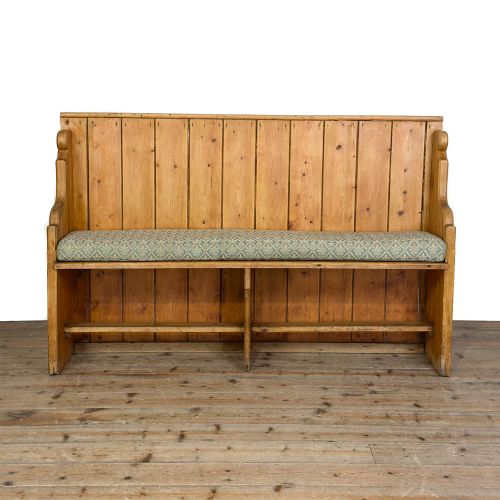
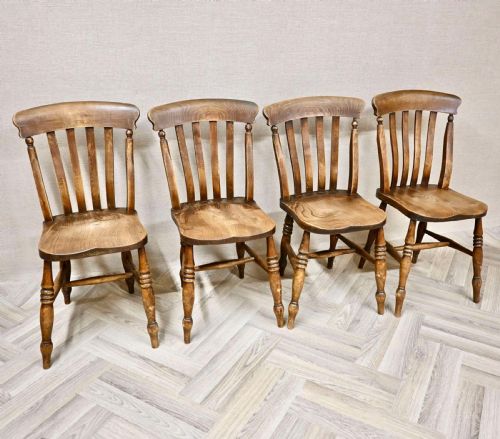
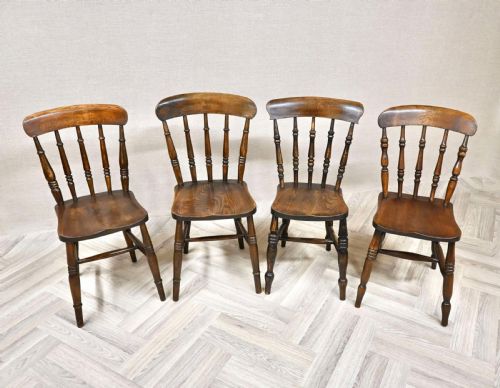
The most common examples met on this page are nineteenth-century elm and ash Windsor chairs, alongside long pine or oak hallway benches and sturdy dining chairs. Makers drew upon regional verncular traditions to shape comfortable seating for kitchens, halls, and parlours.
Materials and Construction
Craftsmen built these seats using homegrown timbers such as elm, oak, ash, beech, and sycamore, often combining woods within a single piece to suit structural demands. Tough woods like elm served for saddle seats, while ash and beech provided resilient spindles and bent wood components.
Joinery methods relied on traditional pegged joints, turned legs wedged into thick seats, and steam-bent rails. Surfaces frequently received simple wax or original finishes that allowed the natural grain and growth marks of the timber to show.
Listings feature items built from elm, oak, beech, ash, pine, and brass across Victorian, Edwardian, and Regency periods.
Assessing Quality
Quality rests upon the integrity of the timber selection, particularly the thickness and figuring of elm seat boards and the tightness of turned spindles. Superior examples display balanced proportions and comfortable ergonomic shaping in the arms and backrests.
The survival of original surface finishes and patination heavily influences distinction. Pieces that retain their early patinas without excessive replacement parts or structural compromise demonstrate greater integrity.
The Traditional Country Seat Glossary
- Windsor chair
- A wooden chair featuring a thick solid saddle seat into which the legs and back spindles are directly inserted. These versatile seats often incorporate steam-bent bow backs and carved armrests.
- Settle
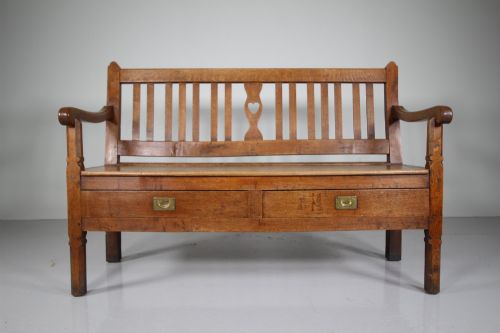
- A high-backed wooden bench with solid arms and a closed base designed to block draughts in farmhouse rooms. Many historical examples include integrated storage boxes beneath the seat.
- Joint stool
- A low wooden stool constructed with mortise and tenon joints rather than turned legs. These sturdy pieces served multiple utility purposes in early domestic interiors.
- Carver elbow-chair
- An armchair designed with open sides, commonly placed at the head of a dining table or used as a fireside seat. They often match a larger set of simpler single dining chairs.
- Patina
- The deep surface sheen and mellow colour developed by wood over centuries of use and handling. A strong patina indicates age and continuous domestic interaction.
Traditional Country Seat: Frequently Asked Questions
What is a Windsor chair?
A Windsor chair is a distinct wooden seat built around a thick sculpted saddle seat. Spindles, legs, and back bows are fitted directly into bored holes in the timber.
This construction method creates a durable chair that distributes weight evenly. They appear frequently in country kitchens and dining settings.
How do I date a country bench?
Dating relies upon examining the construction marks, timber species, and joinery style. Earlier pieces often feature hand-split boards and pegged joints.
Later Victorian and Edwardian examples incorporate machine-turned components and standardised fixings. Tool marks left by the maker provide further clues to the period.
Where were settles used?
Settles stood near hearths and in hallways of traditional rural homes to provide communal seating. Their high solid backs and enclosed bases protected occupants from cold draughts.
Some designs included hinged seats that opened to reveal storage space for household blankets or boots.
What woods were used?
Makers utilised locally available native hardwoods and softwoods depending on the structural needs of the furniture. Elm frequently formed the solid seats because its interlocking grain resisted splitting.
Ash, beech, and oak provided strong, flexible material for turned legs, spindles, and upright framing. Pine appeared commonly in long hallway and kitchen benches.