


Vintage High Back Chair
A vintage high back chair commands the room, offering an imposing silhouette and lumbar support shaped by centuries of changing domestic fashions.
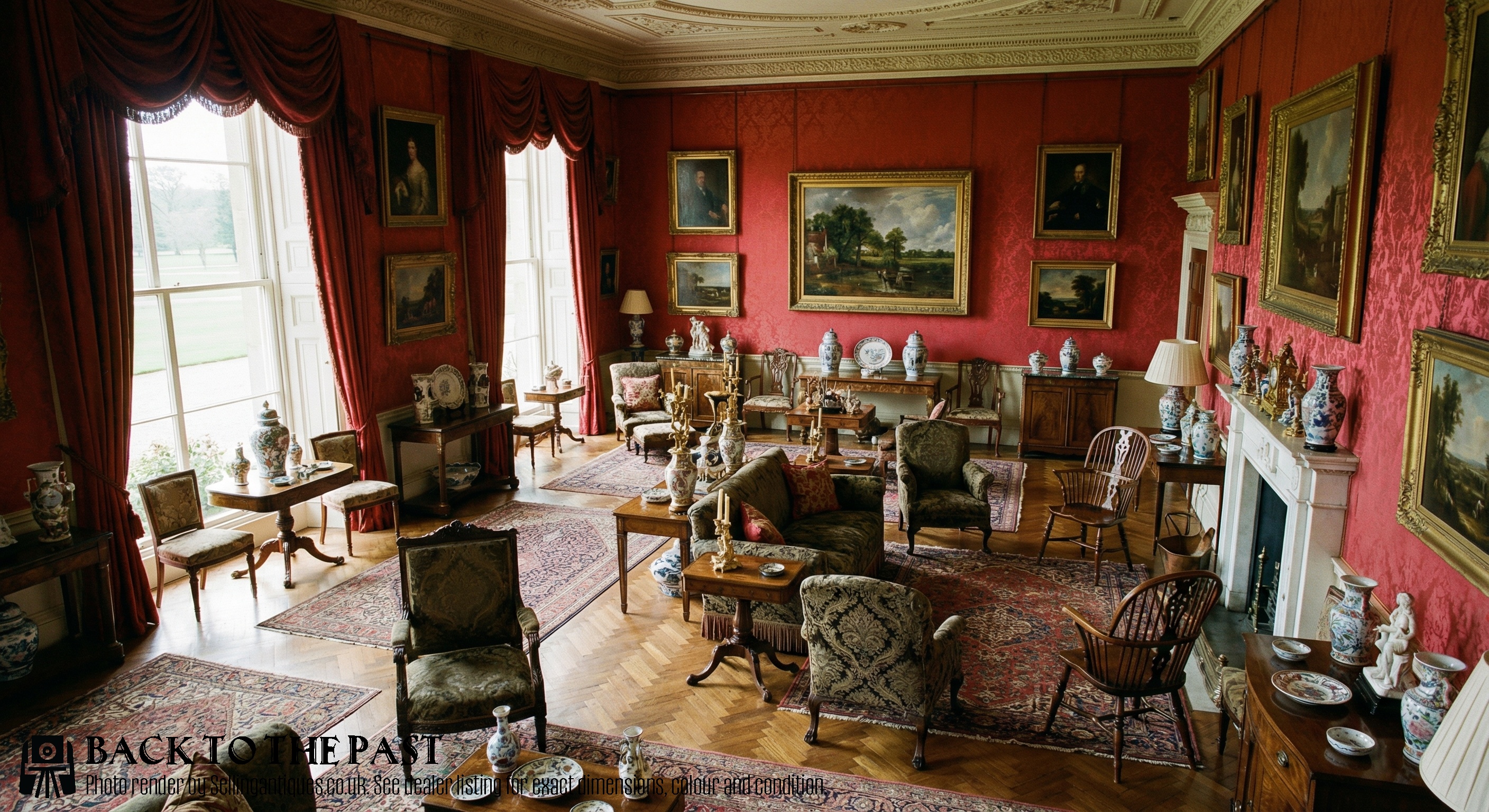
Vintage High Back Chair
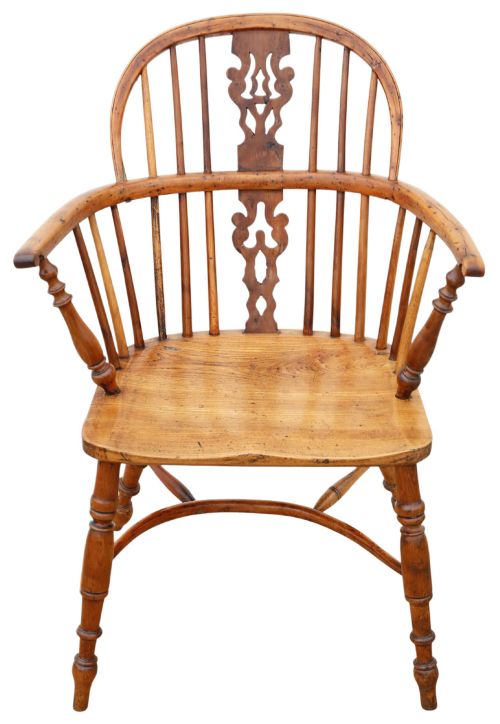
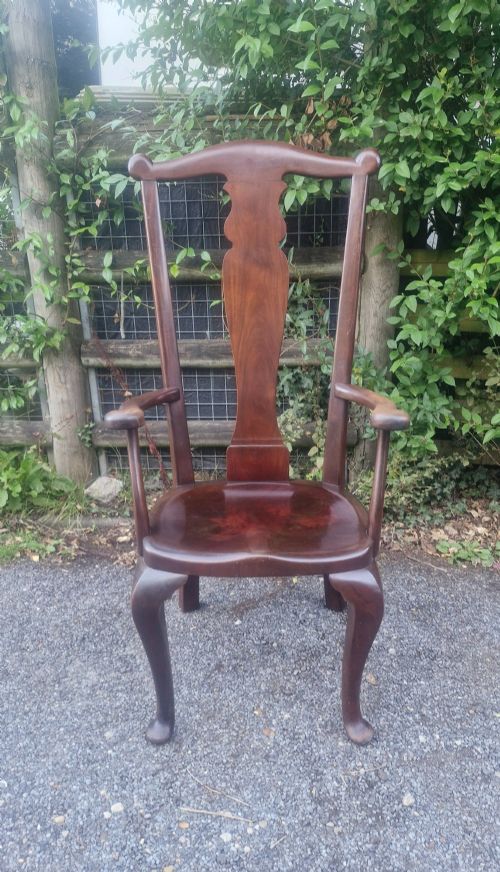
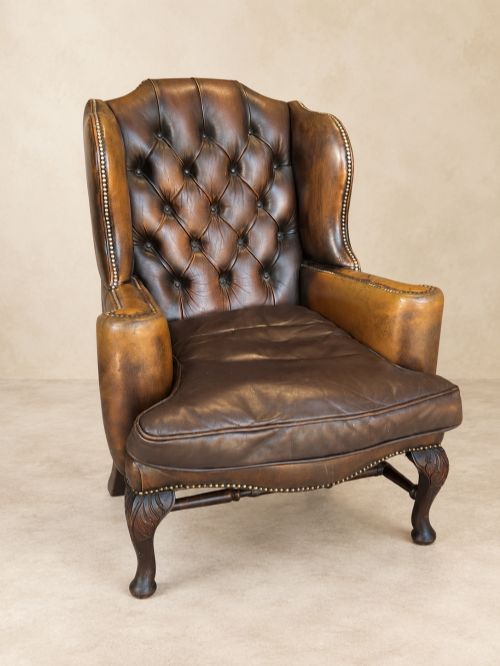
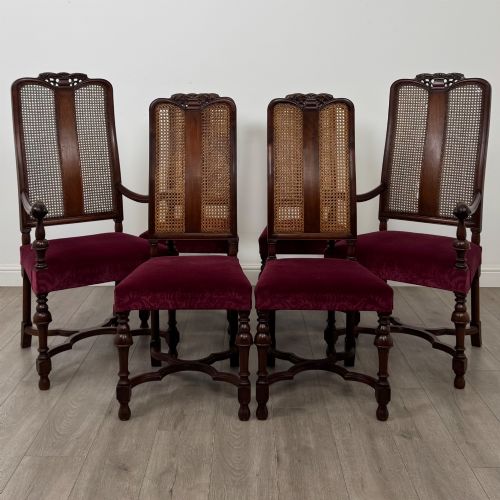
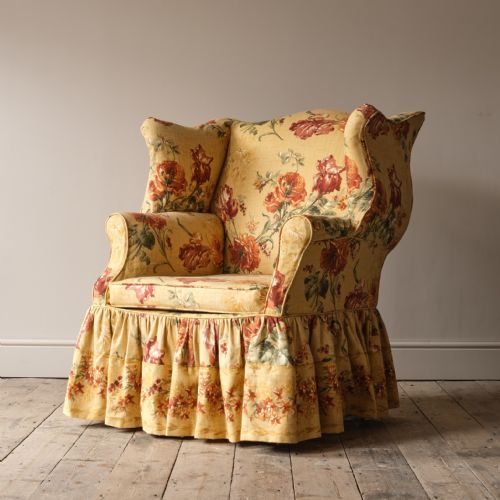
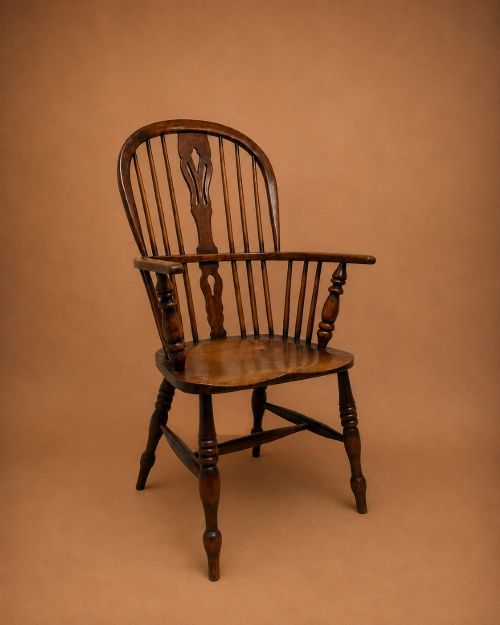
A vintage high back chair encompasses seating designed to elevate the head and shoulders, appearing frequently as substantial dining sets, fireside wingbacks, and sturdy Windsor forms. Buyers exploring this category encounter pieces stretching from eighteenth-century Georgian proportions through Edwardian oak iterations and into nineteen-thirties domestic seating.
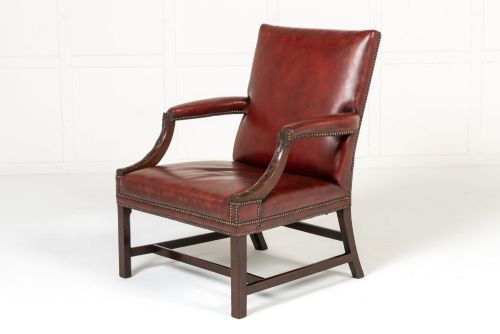
The selection ranges from robust provincial elm and ash kitchen armchairs to formal mahogany Gainsborough desks chairs and walnut dining suites. Revival movements heavily influence the selection, bringing seventeenth-century Jacobean and Carolean influences alongside Arts and Crafts simplicity into twentieth-century homes.
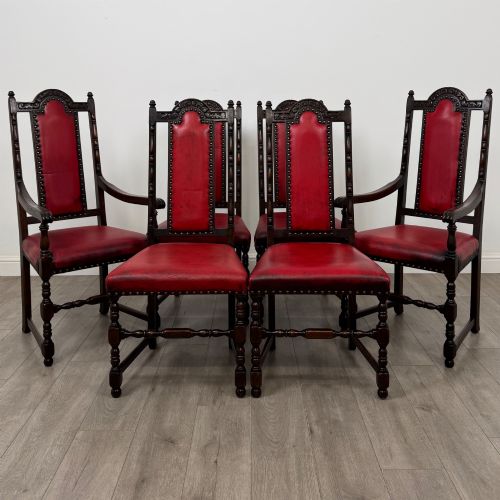
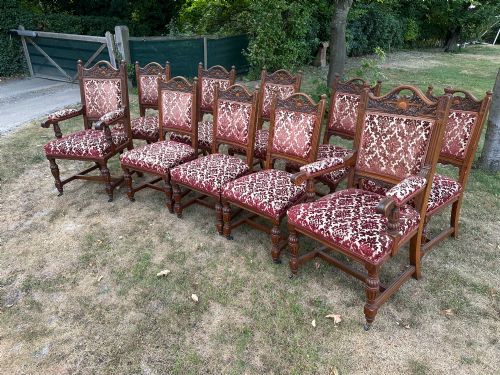
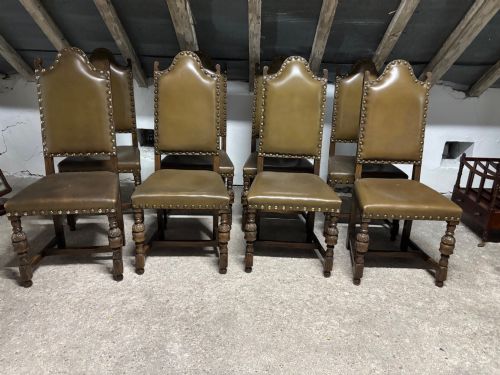
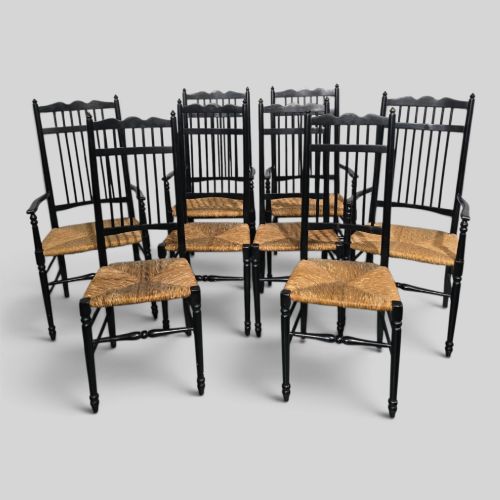
Dining chairs arrive often in matched sets of six, eight, or ten, whilst single armchairs serve as reading seats or desk companions. High-backed settles and rocking chairs round out the domestic forms available, originating from English, Scottish, and continental workshops.
Materials and construction methods
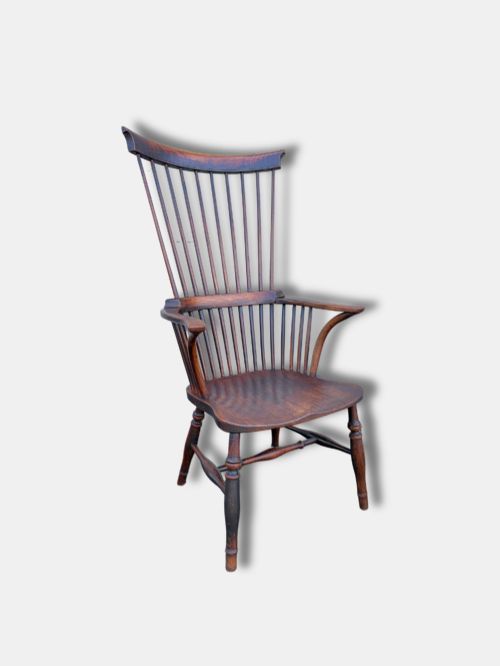
Timbers dictate the fundamental character of these pieces, utilising durable hardwoods such as oak, mahogany, walnut, yew, and fruitwoods alongside flexible elm for spindle backs. Frame construction relies on traditional joinery, including mortise and tenon joints for rigid dining suites and steam-bent components for comb-back and Windsor armchairs.
Upholstery techniques involve traditional stuffing materials paired with durable leather, wool plaid, woven rush, or plush velvet. Decorative details emerge through hand-carving, barley twist turnings, and embossed leather panels secured with brass tacks.
Listings feature oak as the dominant timber, particularly among Edwardian dining sets and seventeenth-century style revivals.
Distinctions in construction and finish
Quality reveals itself in the integrity of the timber frame and the precision of the joinery rather than surface appearance alone. Superior examples maintain original structural elements without excessive timber replacement, whilst lesser pieces suffer from loose joints and over-restored surfaces.
The execution of carved details, turned legs, and balanced proportions separates standard production furniture from master-built seating. Original upholstery webbing and springs, where present, reflect the underlying investment in comfort and longevity made by the original maker.
Liberty Morris And Co
The Vintage High Back Chair Glossary
- Windsor chair
- A wooden chair constructed with a solid saddle-shaped seat into which the legs and back spindles are separately inserted. This form utilises sturdy woods like elm and ash to create light yet resilient seating.
- Wingback armchair
- An upholstered seat featuring projecting side panels designed to shield the occupant from drafts and retain fireplace heat. Eighteenth-century Georgian models established the classic proportions seen in later revivals.
- Barley twist
- A decorative turning technique resembling a spiralling rope, popular in seventeenth-century furniture and revived during the Victorian and Edwardian periods.
- Settle
- A wooden bench with a high solid back, solid arms, and often a storage box beneath the seat. Historically placed near hearths in country houses and pubs to block cold air.
Vintage High Back Chair: Frequently Asked Questions
How do I date a high back chair?
Dating relies on examining the timber species, joinery marks, and stylistic revival cues. Eighteenth-century pieces display hand-cut joinery and native hardwoods, whereas Edwardian and later reproductions often show standardised machine-cut components.
Secondary clues include the type of upholstery foundation, wear patterns on footings, and historical design motifs typical of specific reigns or revival periods.
Are high back dining chairs comfortable?
Comfort varies significantly depending on the internal padding and the rake of the backrest. Upholstered Edwardian and Georgian dining chairs offer padded support, whilst solid wood spindle backs encourage an upright posture.
Matching seat heights to your dining table ensures proper ergonomics during extended use. Adding loose squab cushions can improve comfort on wooden seats.
How do I care for leather wing chairs?
Leather upholstery requires regular dusting and periodic treatment with specialist leather balms to prevent cracking. Keeping vintage hides away from direct sunlight and heat sources preserves their suppleness and colour.
Avoid using harsh household detergents, opting instead for damp cloths and neutral soaps for minor marks.
Where should I place a vintage high back chair?
These tall chairs anchor room layouts effectively when positioned in corners, beside fireplaces, or at the heads of dining tables. Their vertical profiles draw the eye upward, making them useful for balancing low ceilings or large open spaces.
Ensure adequate clearance around armrests and high combs so the silhouette remains unobstructed.