
Traditional Candlestick Light
Traditional candlestick light items bring period character to interiors through enduring forms shaped from brass, silver plate, mahogany, and pewter.
Traditional Candlestick Light
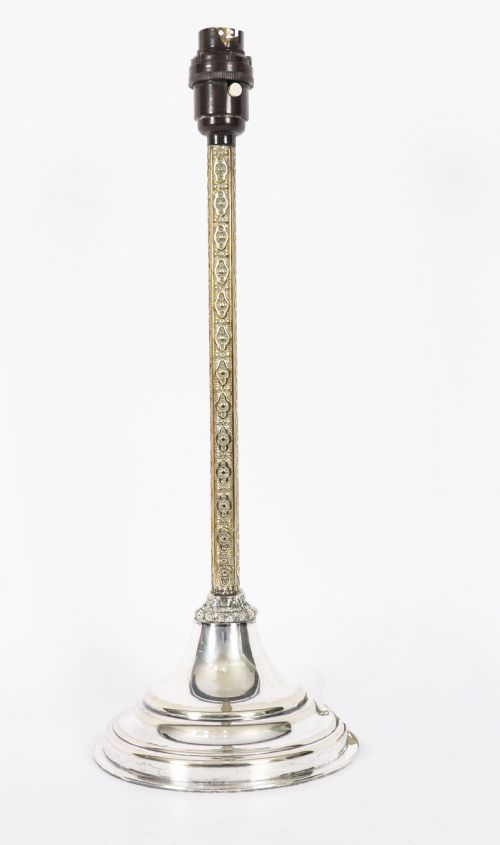
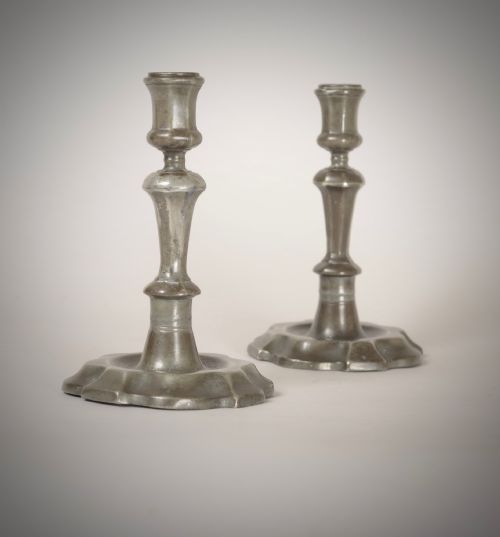
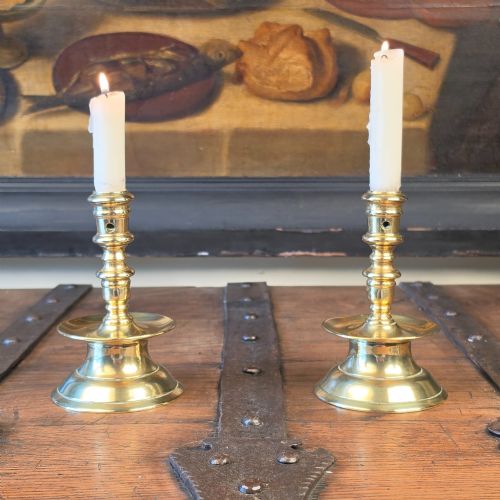
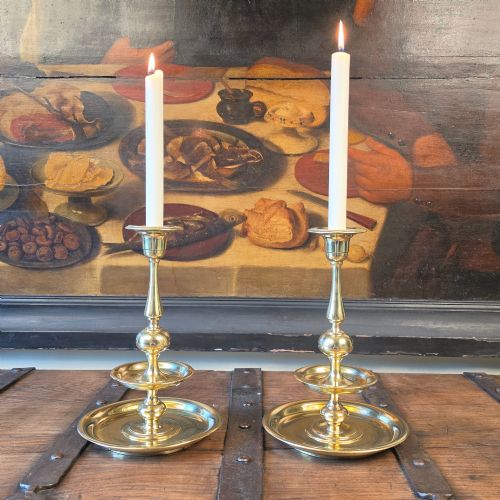
Traditional candlestick light selections encompass candlesticks, table lamps, candelabras, and candleholders spanning the eighteenth, nineteenth, and early twentieth centuries. These pieces emerge from Georgian, Victorian, Edwardian, and Arts and Crafts eras, reflecting the domestic lighting needs of their periods.
Brass examples dominate the selection, appearing alongside silver plate, mahogany, pewter, and fabric shades. Collectors encounter single sticks, matched pairs, and larger branched forms.
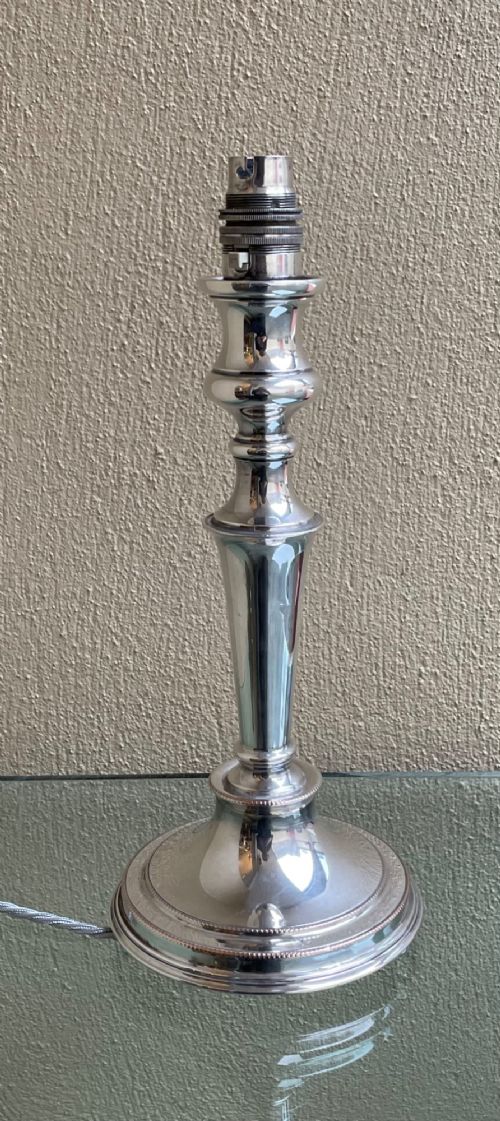
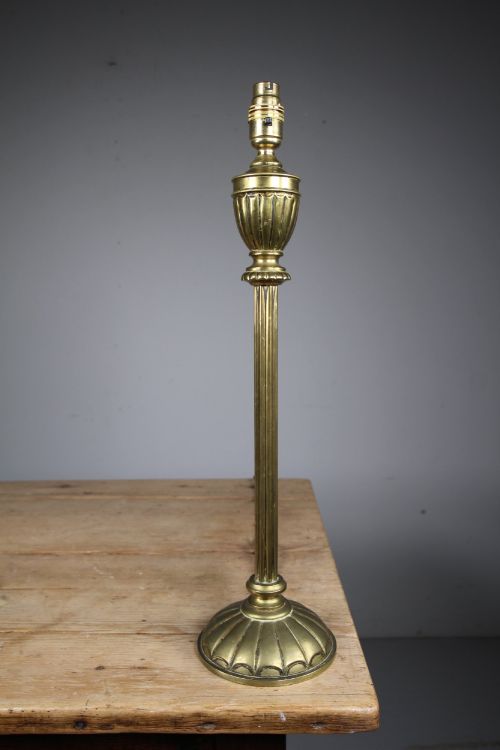
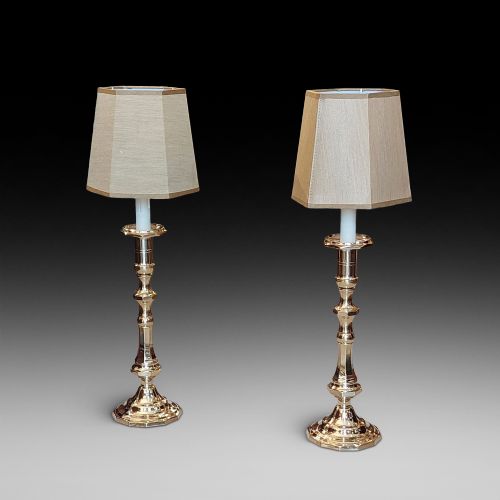
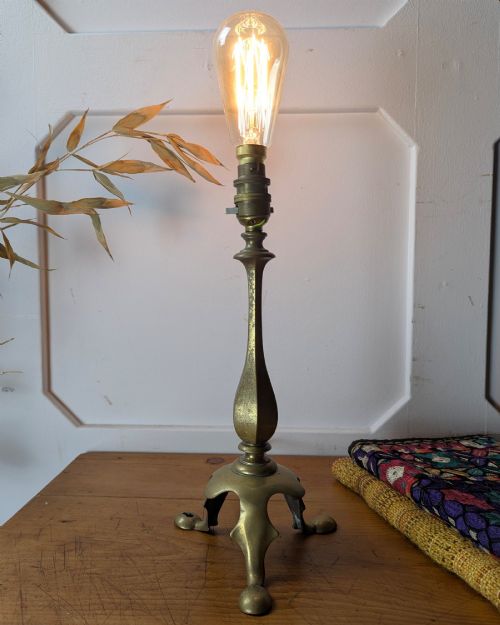
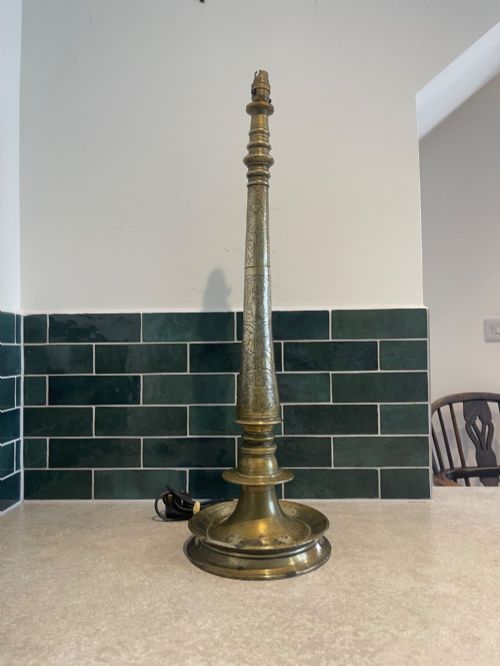
Conversion pieces adapted from earlier candlesticks into table lamps sit alongside original configurations. Workshops and makers produced both utilitarian items and decorative ornaments.
Materials and Techniques
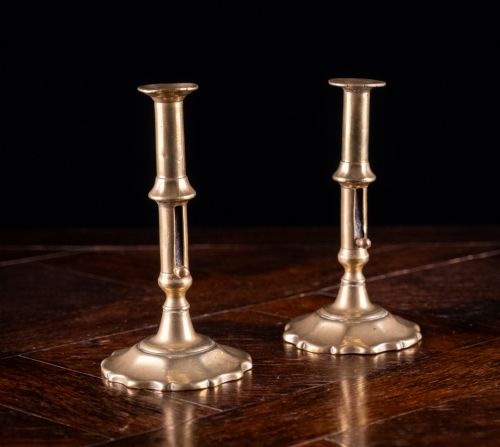
Metalwork forms the core of these listings, utilising cast and seamed brass, silver plate over base metals, and pewter. Seamed brass construction involves joining shaped metal plates, visible in ejector mechanisms designed to push out spent wax.
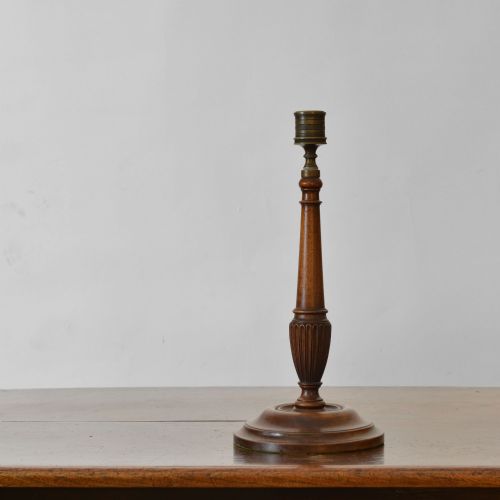
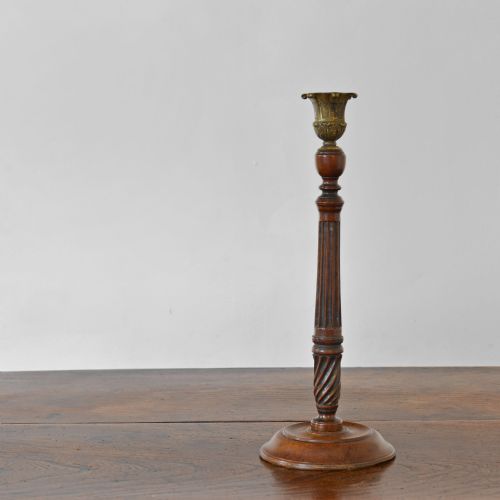
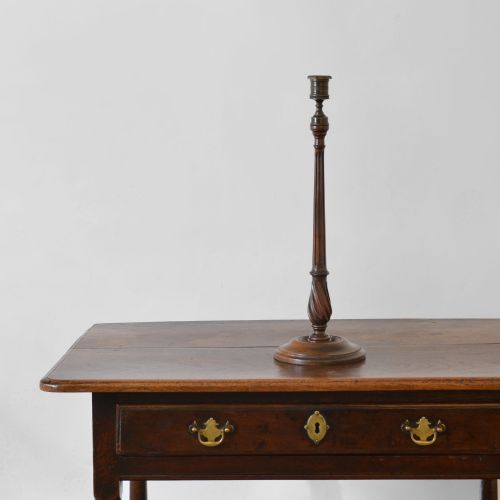
Timber pieces utilise dense hardwoods such as mahogany and lignum vitae, turned on a lathe to create baluster and column profiles. Gilt metal, limed oak, and fabric appear across later Victorian and Edwardian examples.
Listings span the eighteenth, nineteenth, and early twentieth centuries, featuring materials from brass and pewter to mahogany and silver plate.
Assessing the Range
Quality rests upon the crispness of casting detail, the weight of the metal or timber, and the integrity of construction. Heavy, well-balanced brass and dense turned mahogany distinguish finer items from simpler utilitarian productions.
Original patination and surface preservation elevate an object. Intact ejector mechanisms, sharp ornamentation on Victorian rococo designs, and balanced proportions across pairs determine distinction.
Mappin & Webb's·J.T. & Co
The Traditional Candlestick Light Glossary
- Ejector candlestick
- A candlestick fitted with an internal spring or sliding lever mechanism to expel the remaining wax stump. This device appears frequently on mid-eighteenth and nineteenth-century brass examples.
- Candelabra
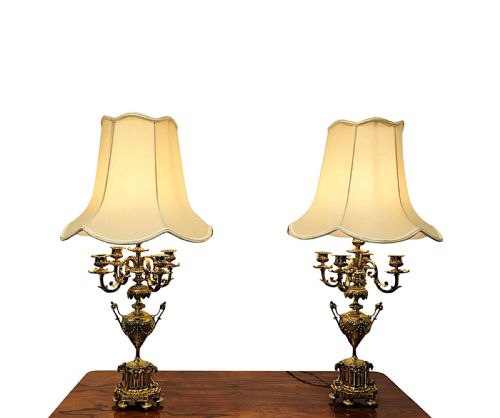
- A branched candlestick holding multiple lights on separate arms. These pieces often feature three branches.
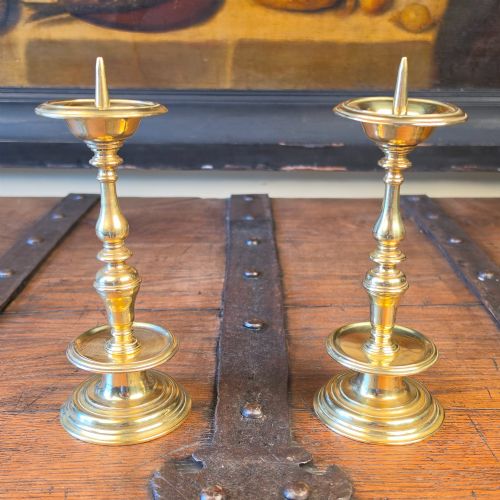
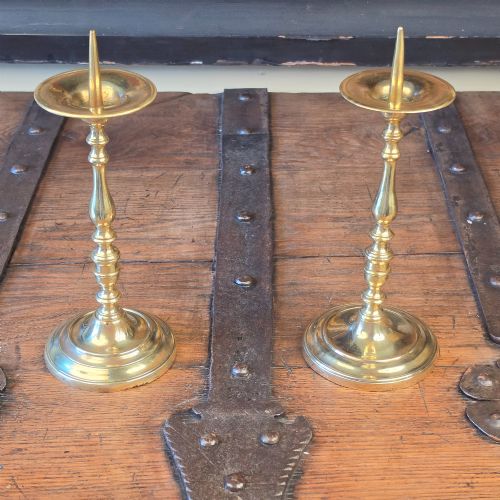
- Pricket candlestick
- A candlestick featuring an upright spike or pin upon which the candle is mounted rather than a socket. These items often relate to church or chapel furnishings.
- Baluster
- A moulded shaft or column with a swelling profile resembling a vase. This shape occurs widely on metal and timber candlestick stems.
- Parcel gilt
- An object decorated with partial gilding, where gold leaf highlights specific areas against a contrasting silver plated or base metal background.
Traditional Candlestick Light: Frequently Asked Questions
How do I date a brass candlestick?
Dating relies upon examining casting methods, base construction, and stylistic markers such as baluster stems or ejector mechanisms. Georgian and Victorian examples display distinct weight and profile characteristics that evolve over time.
Makers' marks, where present, help pinpoint the origin and production decade.
Were these lights converted from candles?
Many items began life as pure candlesticks or oil lamps before receiving professional electrical conversion. Alterations vary from subtle internal wiring through the stem to adapted sconces holding lamp fittings.
Checking the base and fitting reveals the nature of any historical adaptation.
How should I clean antique brass?
Preserving the original patination is vital, so heavy polishing that strips surface age is discouraged. Dusting with a soft cloth and applying gentle beeswax or microcrystalline wax protects the metal.
Harsh chemical cleaners damage the historic surface texture accumulated over centuries.
What is the difference between a stick and a lamp?
Candlesticks hold wax tapers directly within a socket or on a pricket spike. Table lamps utilise electrical fittings, often incorporating converted candlesticks or timber bases designed for shades.
Both forms share similar decorative vocabulary across Georgian and Victorian periods.