
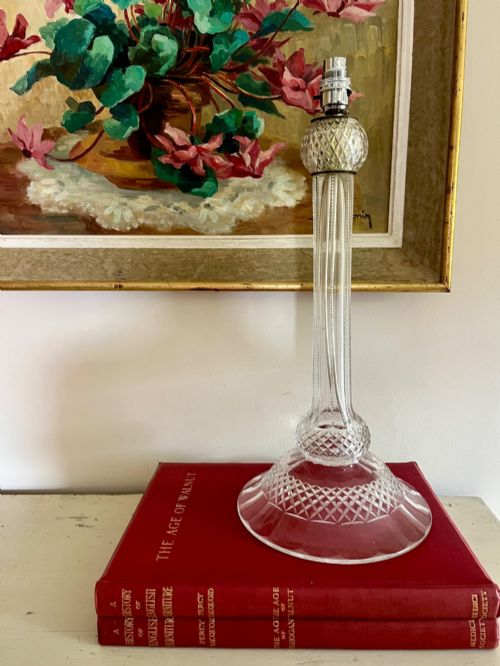


Candlestick Side Table Light
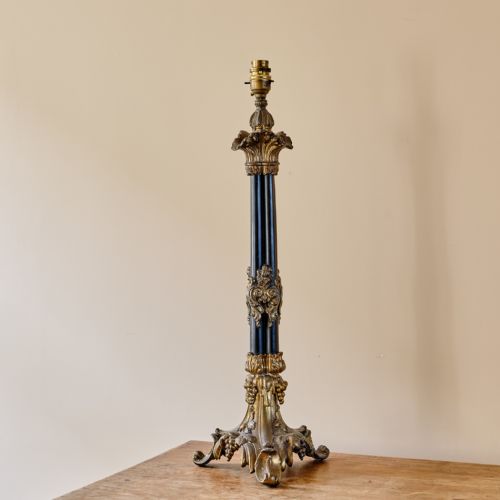
These candlestick side table light designs bring classical proportion and warm illumination to a room, turning practical lighting into a sculptural centrepiece.
Candlestick Side Table Light
A candlestick side table light provides focused illumination while serving as a decorative object on a surface. These pieces often originate from conversions of traditional lighting hardware or purpose-built bases spanning the nineteenth and early twentieth centuries.
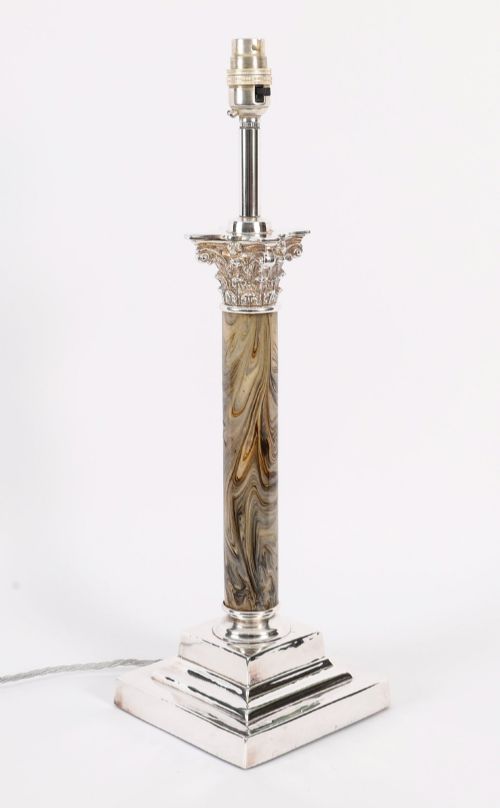
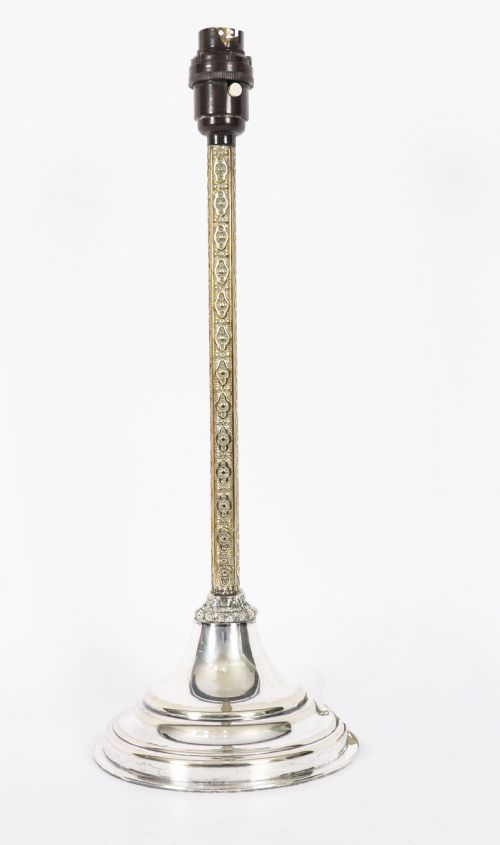
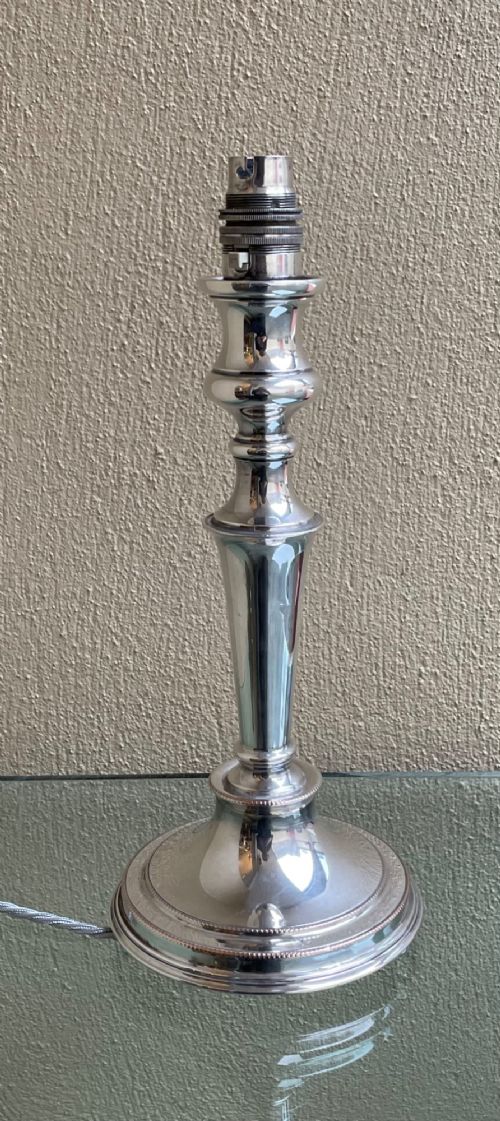
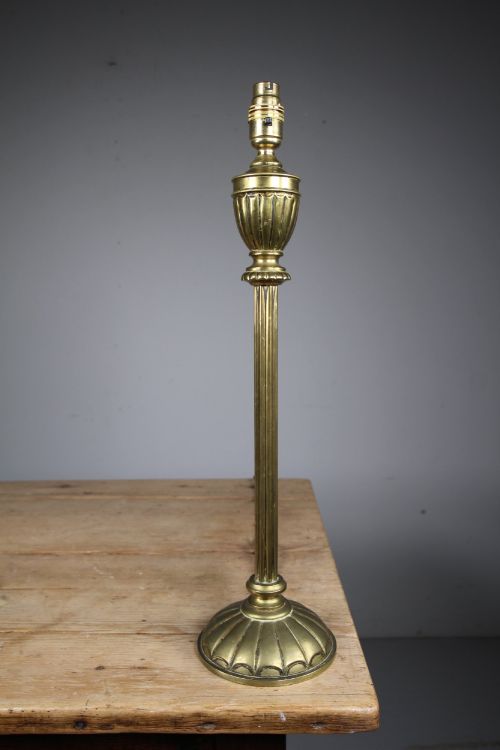
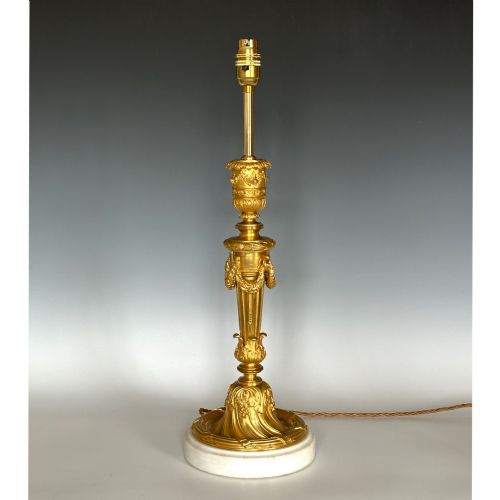
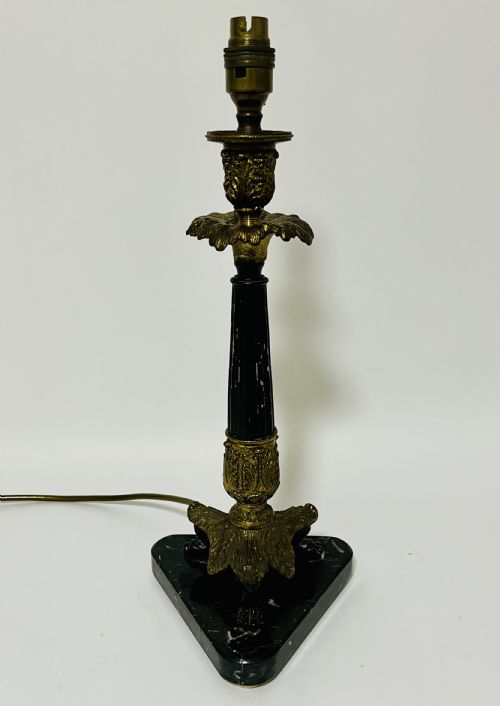
The selection on this page centres heavily on brass, silver plate, and gilt bronze fixtures. Many examples adopt classical architectural motifs such as the Corinthian column or draw inspiration from French Empire and Victorian aesthetics.
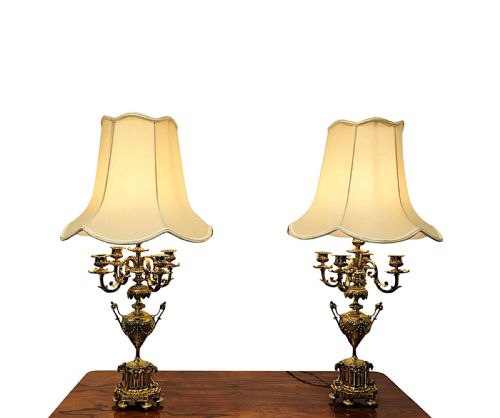
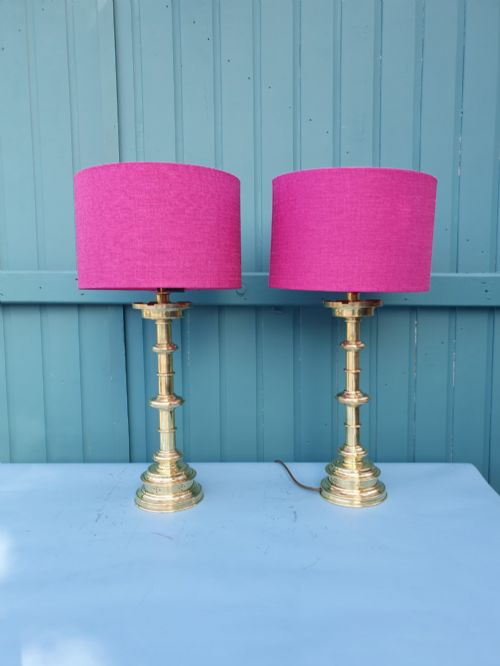
Buyers will encounter single lamps and balanced pairs designed for placement on side tables, desks, or mantelpieces. The forms bridge the gap between utilitarian candlestick holders and domestic electric lighting.
How they were made
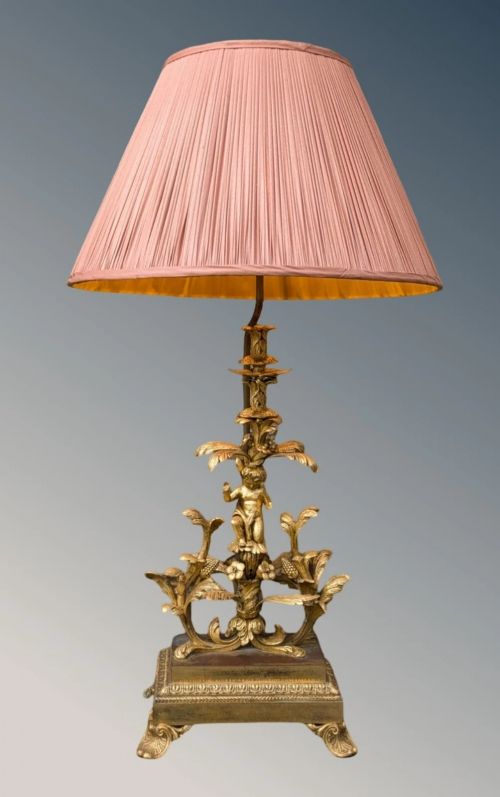
Metalwork dominates the construction of these pieces, utilising cast brass, gilt bronze, ormolu, and silver plate over base metals. Artisans employed casting, chasing, and repoussé techniques to build crisp surface relief and intricate decorative details.
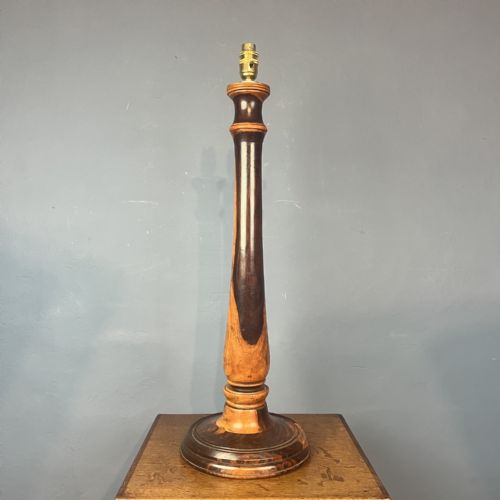
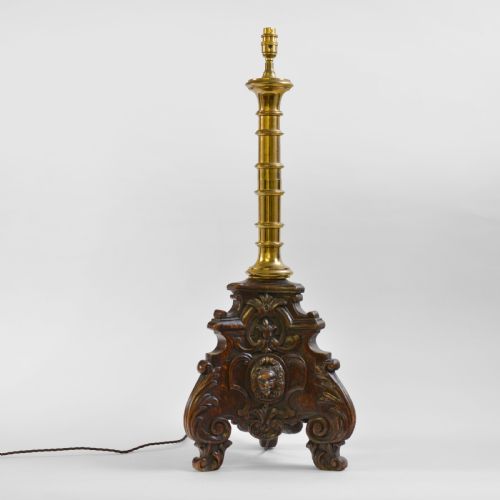
Select examples combine metal with contrasting natural materials such as marble, carved oak, lignum vitae, walnut, and coloured glass. Fabric shades frequently complete the structure, diffusing the light cast by the internal electrical components.
One exceptional pair of gilded brass candlelamps is modelled directly upon basket-guard cavalry dress swords.
What varies in quality
The standard of a candlestick side table light depends on the crispness of the metal casting and the depth of the chasing. Superior pieces display sharp architectural fluting, clean joint lines, and substantial weight from solid materials rather than hollow stampings.
Proportion and finish dictate the visual impact of the piece. High-grade items retain original mercury gilding or deep patination, whereas lesser examples show flat surfaces and secondary metal mixtures lacking depth.
Mappin & Webb
The Candlestick Side Table Light Glossary
- Ormolu
- A golden-coloured alloy of copper, zinc, and sometimes tin applied to bronze objects. This technique was widely utilised by French makers to imitate solid gold mounts on decorative hardware.
- Corinthian column
- An architectural order featuring an ornate capital decorated with acanthus leaves. Lamps cast in this style emulate ancient stone columns in polished brass or silver plate.
- Repoussé
- A metalworking technique where an artisan hammers the reverse of a sheet to form a raised design in relief. It creates tactile surface patterns on lighter brass lamp bodies.
- Parcel gilt
- A decorative treatment where selected portions of an object receive a thin layer of gold while other areas retain the base metal colour. This provides visual contrast on silver-plated lamp bases.
- Barley twist
- A spiral turning technique applied to wood or metal columns. The twisted form catches light effectively along the length of a table lamp stem.
Candlestick Side Table Light: Frequently Asked Questions
How do I place a candlestick side table light?
Position these lamps on side tables or sideboards where their vertical height can balance low seating furniture. They work well in pairs to frame a mirror or provide symmetrical task lighting.
Ensure the scale of the lamp matches the surface area of the table so the base remains stable. Paired examples look particularly striking when placed at opposite ends of a room.
Were these always electric lamps?
Many examples began life as candle holders or oil lamps before undergoing conversion to electricity during the twentieth century. This transition allowed period metalwork to continue serving a practical domestic purpose.
Original candlesticks were frequently adapted by running internal wiring through the central column or adding weighted bases to support modern fittings.
How do I identify a French Empire style lamp?
French Empire pieces typically incorporate classical military motifs, laurel wreaths, and heavy ormolu mounts combined with dark patinated bronze. The silhouettes are bold and grounded, reflecting nineteenth-century design trends.
Materials often include contrasting elements like white or coloured marble alongside cast metal details, giving the lamp a substantial and formal appearance.
What maintenance do metal lamp bases need?
Dust the metal surfaces regularly with a soft, dry cloth to prevent the accumulation of grime in recessed details. Avoid harsh chemical polishes that can strip away original patination or vintage gilding.
For silver-plated or brass components, gentle cleaning helps preserve the historic finish without altering the character built up over decades of use.