
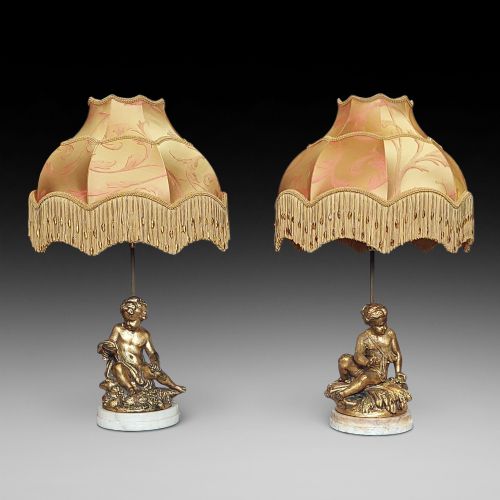


French Classic Table Lamp
A french classic table lamp brings sculptural weight and refined period character to a room, combining cast metal and painted tole with traditional forms.
French Classic Table Lamp
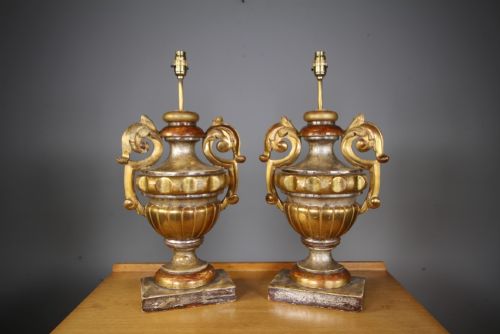
A french classic table lamp embodies traditional European styling, frequently taking the form of converted candelabra, urns, or columnar desk lamps originating from the nineteenth and early twentieth centuries. These pieces draw heavily on Neoclassical, Louis styles, and Empire aesthetics, relying on architectural symmetry and figurative bronze or cherubic mounts.
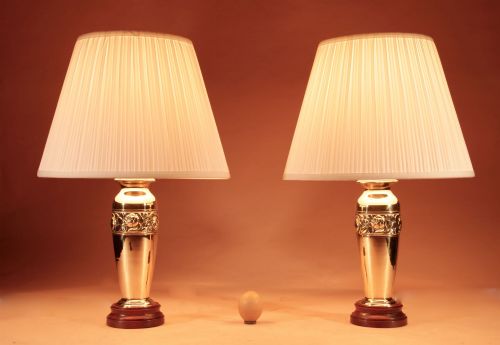
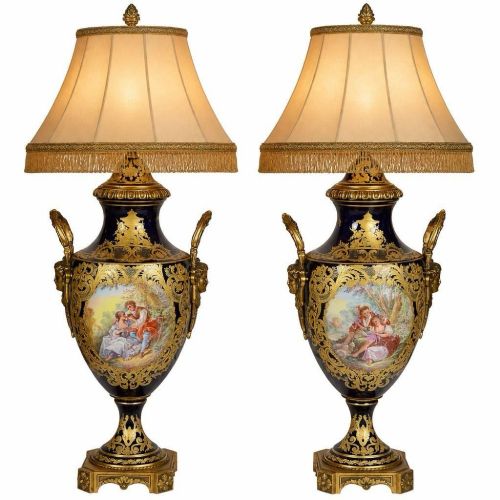
Buyers will frequently encounter pairs of matching lamps or bouillotte desk lamps featuring adjustable shades and multi-branched frames. The selection spans from straightforward brass designs to elaborate porcelain bodies mounted in gilt bronze or ormolu.
Origins cluster around French workshops and stylistic revivals, capturing the decorative taste of the eighteen-seventies through the nineteen-twenties. The resulting objects function as both functional illumination and substantial sculptural centerpieces.
Materials and Construction
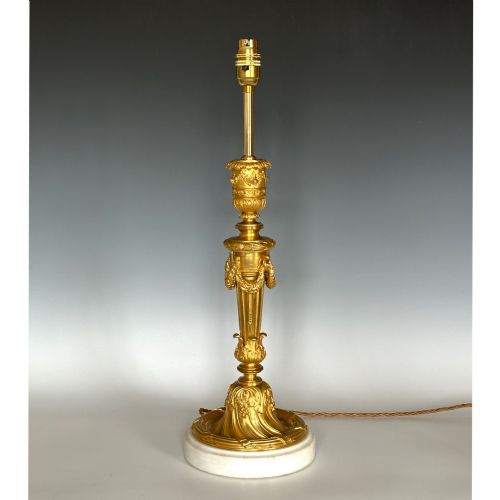
Makers utilised heavy cast metals including brass, bronze, ormolu, and gilt metal as the structural backbone for these luminaires, often combining them with natural marble bases for stability. Toleware components, formed from painted sheet metal, provided contrasting colour on shades and cylindrical bodies.
Decorative detailing relied on fine hand-painting, particularly on porcelain and Sevres style ceramic inserts, alongside intricate chasing and gilding on bronze mounts. Many examples incorporate converted antique candelabra or oil lamps, adapting older hardware into electrified table fittings.
Several pieces feature winged cherubs and bronze putti holding up the light.
Assessing Craftsmanship
Quality rests in the crispness of the metal casting and the depth of the chased detailing on bronze and ormolu elements, where sharper relief denotes superior handwork. The integration of materials, such as how cleanly a marble plinth meets its metal mount, reveals the maker's precision.
Hand-painted porcelain panels and decorated toleware show variation in artistic execution, ranging from simplified commercial decoration to finely detailed miniature scenes. The weight of the casting and the structural integrity of multi-branched candelabra frames also set higher-grade examples apart.
Aug. Moreau
The French Classic Table Lamp Glossary
- Ormolu
- A gold-coloured alloy of copper, zinc, and sometimes tin, cast and finished by hand to mount on furniture or lamps. It provides a bright, durable metallic surface that mimics solid gold.
- Toleware
- Enamelled or painted sheet metal items, commonly used for lamp bodies and adjustable shades in green or dark tones. This technique offered a durable coloured finish popular in desk lamps.
- Neoclassical
- A style drawing inspiration from the classical art and architecture of ancient Greece and Rome. It emphasises symmetry, columns, urn motifs, and restrained ornamentation.
- Bouillotte
- A type of desk lamp featuring a central column, multiple candle arms, and a characteristic adjustable metal shade. It was originally designed for use during card games.
- Candelabra
- A branched candlestick holder designed to support multiple lights, frequently converted into electrified table lamps. These pieces offer substantial height and symmetrical illumination.
French Classic Table Lamp: Frequently Asked Questions
What is a bouillotte lamp?
A bouillotte lamp is a traditional desk light featuring a central shaft, several candle branches, and a sliding metal shade that directs light downward. They originated for use during card games and provide focused illumination.
In period settings, these lamps combine brass and painted toleware to create a compact, functional profile well-suited for desks or side tables.
How do I date an antique lamp?
Dating relies on examining the manufacturing techniques, materials, and stylistic markers such as Neoclassical or Art Deco motifs. Evidence points to production eras spanning the nineteenth and early twentieth centuries.
Construction details, wiring methods, and the type of casting all offer clues to the approximate decade of manufacture, distinguishing nineteenth-century conversions from nineteen-twenties reproductions.
Are these lamps electrified?
Many period pieces start as antique candelabra, urns, or oil lamps that are later converted to modern electrical standards. This conversion process allows historical objects to function safely in contemporary interiors.
Rewiring is common practice to meet current safety requirements while preserving the original bronze, brass, or porcelain structure of the base.
What materials are most common?
Brass, bronze, and gilt metal dominate the construction of these pieces, often paired with marble bases for added weight. Porcelain inserts and painted toleware also appear frequently across various styles.
These durable materials allowed makers to achieve sculptural forms ranging from simple columns to elaborate figural statuettes.
How should I style a classical lamp?
A classical lamp serves as a focal point on sideboards, desks, or mantelpieces, bringing height and metallic sheen to a room. Pairing them with traditional wooden furniture highlights their bronze and ormolu finishes.
Matching pairs work well balanced on either side of a larger piece of furniture, while single sculptural lamps anchor reading corners effectively.