




Triform Base Table Lamp
A triform base table lamp provides steady, balanced illumination while displaying the classic proportions of three-sided pedestals.
Triform Base Table Lamp
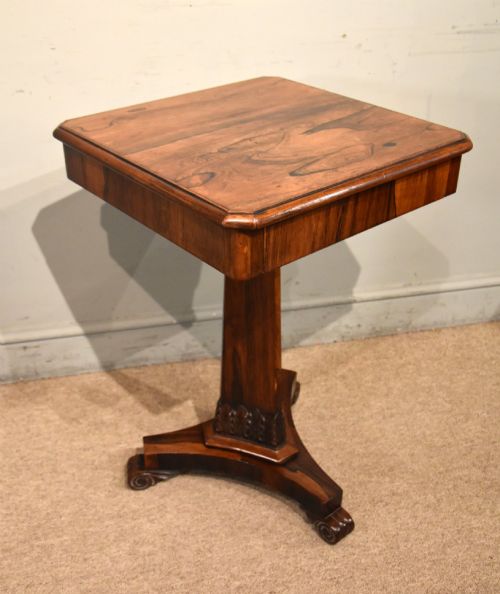
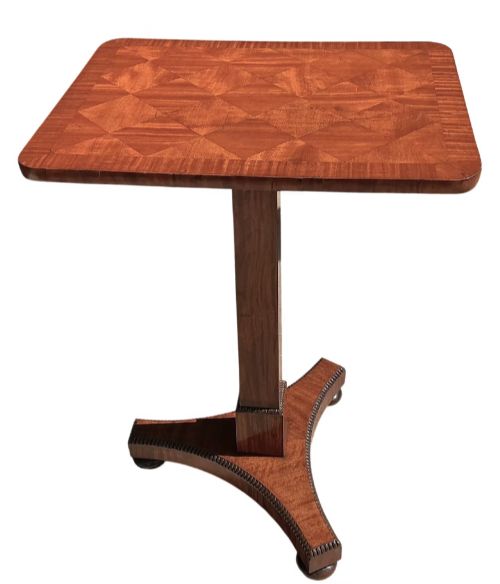
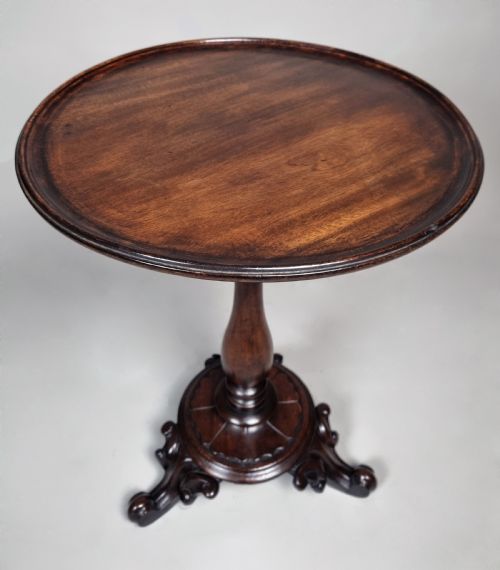
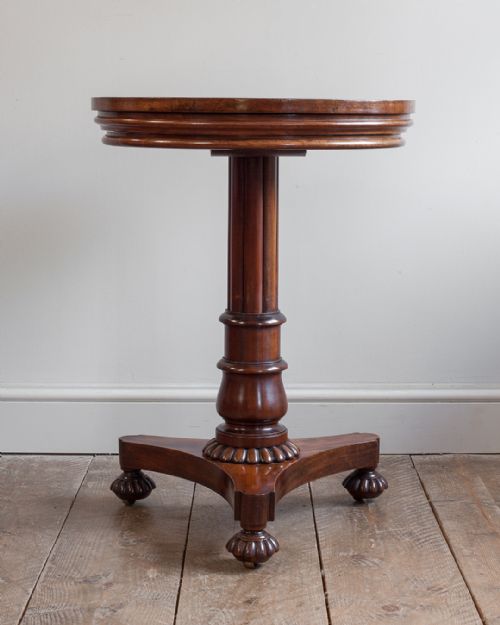
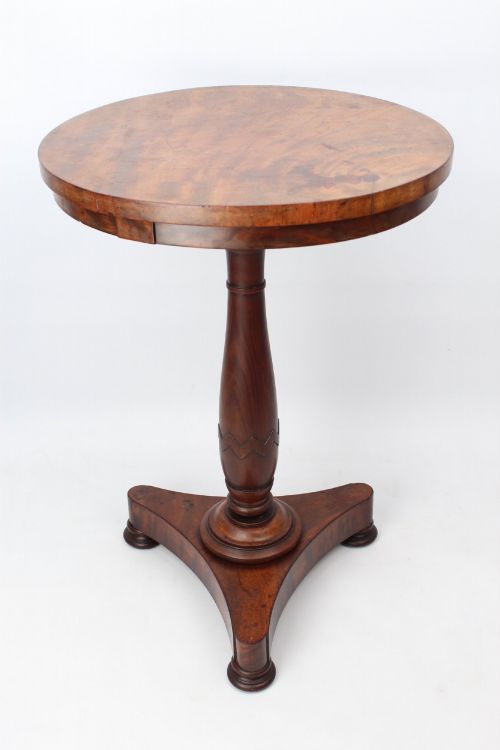
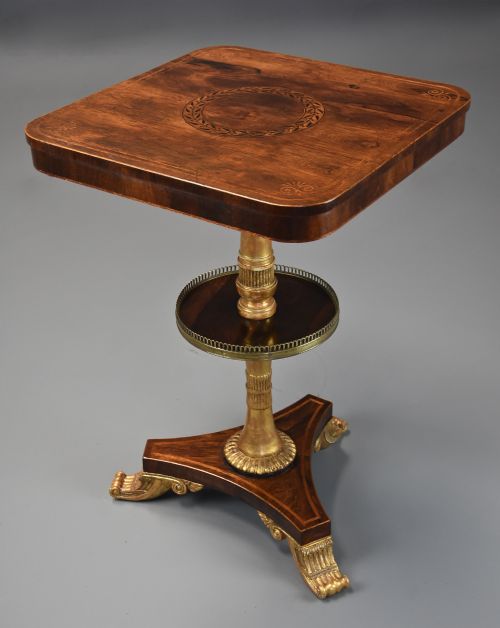
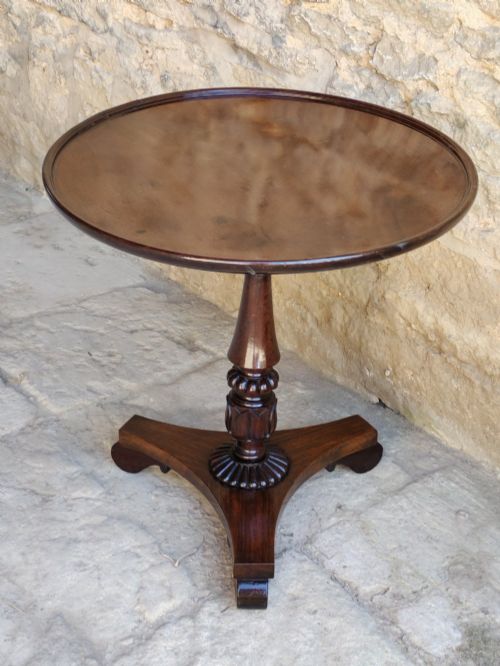
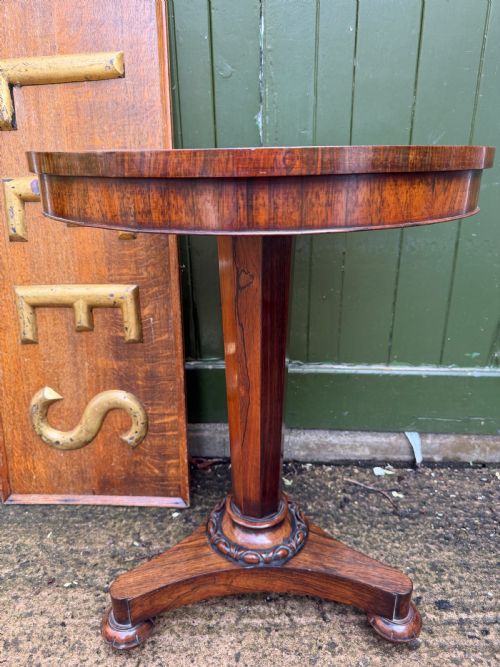
A triform base table lamp draws upon the architectural stability of three-sided supports seen in occasional tables, gueridons, and candlesticks from the Georgian, Regency, and Victorian eras. When buyers search for a triform base table lamp, they seek lighting solutions rooted in classical furniture design where three legs or a triangular footplate anchor the vertical column.
The pieces available combine converted antique tables and candlesticks with dedicated lighting fixtures spanning the nineteenth and early twentieth centuries. These originate from English and French workshops, utilising forms originally intended for wine, sewing, or candles.
Materials and Construction
Cabinetmakers and metalworkers utilised dense hardwoods like mahogany, rosewood, and burr elm alongside cast metals, bronze, or brass to ensure stability at the base. Flame mahogany veneers and giltwood accents added surface texture to occasional tables and columns.
Construction methods relied on sturdy pedestal joints and weighted triangular platforms to support the upward thrust of lamps or tall candlesticks without tipping.
At least one Chinese brass lamp table rests upon an oak triform base, proving that global trade happily borrowed classical geometry.
Assessing Quality
The caliber of a piece rests in the crispness of the timber grain, such as figured rosewood or flame mahogany, and the structural integrity of the three-way joint at the foot. Superior examples maintain balanced proportions where the width of the triform base properly anchors the height of the stem.
Execution of cast metal mounts, such as ormolu or silver plating, dictates the distinction between standard utilitarian items and finely detailed salon pieces.
The Triform Base Table Lamp Glossary
- Triform base
- A three-sided footplate or pedestal arrangement that provides a stable triangular foundation for tables and lamps. This geometry prevents rocking on uneven floors.
- Guéridon
- A small French round table on a central pillar, frequently adapted to carry lighting or decorative objects. The style emerged strongly during the French Empire period.
- Wine table
- A small occasional table with a circular top designed for holding glasses or decanters, often converted to carry electrical fittings. These pieces usually feature a central pedestal.
- Ormolu
- Gilt bronze mounted onto furniture or metalwork to provide decorative metallic enrichment. The technique involves applying a gold amalgam to heated bronze.
Triform Base Table Lamp: Frequently Asked Questions
How are triform lamps wired?
Most antique adaptations route modern electrical flex discreetly through the central wooden column or up the rear of the metal stem. This preserves the clean lines of the historic base.
Professional rewiring ensures compliance with current standards while retaining the original structural components of the table or candlestick.
Where should I place one?
These lamps suit sideboards, console tables, or reading desks where a compact footprint is required. The three-sided base fits neatly into corners or narrow ledges.
Their classical silhouettes complement traditional libraries, drawing rooms, or transitional hallways needing task lighting.
How do I identify the period?
Examine the wood species, turning style on the central column, and assembly marks underneath the base. Regency and William IV pieces often display rich rosewood veneers and bold pedestal turnings.
Later Victorian and early twentieth-century examples incorporate heavier cast metals or simpler turned timber structures.
Can I use standard lamp shades?
Standard shade carriers and fittings adapt easily to the threaded mounts or harp assemblies attached during conversion. The choice of shade depends on the height and visual weight of the base.
Proportioning the shade width to match the span of the triform feet maintains visual equilibrium.