

Traditional Reading Light
A traditional reading light brings focused illumination to a study or parlour, combining period metalwork with practical task lighting.
Traditional Reading Light
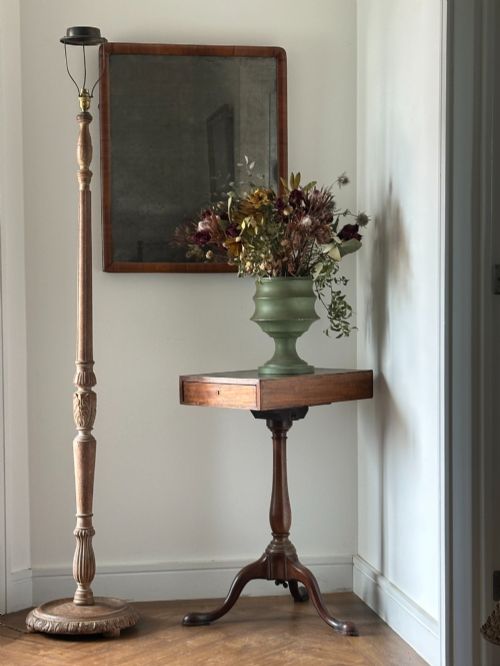
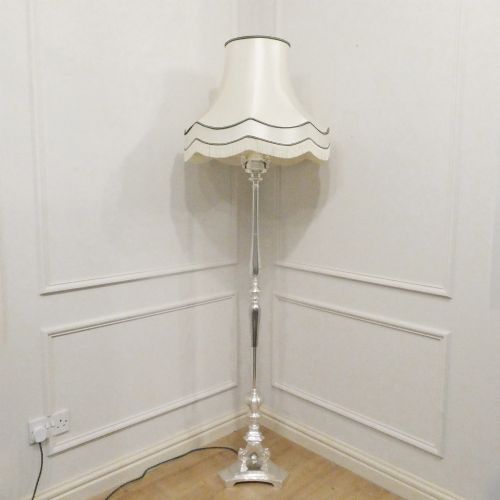
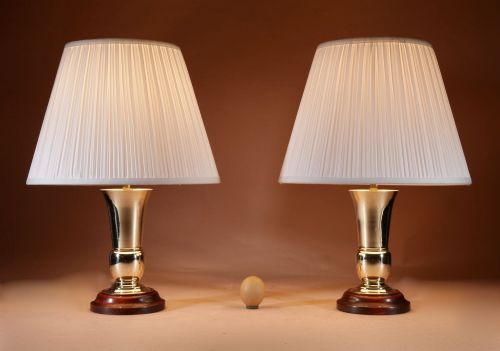
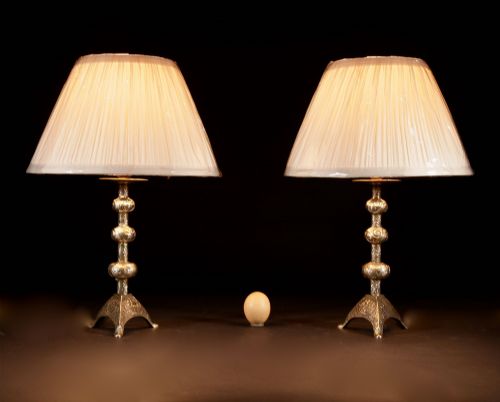
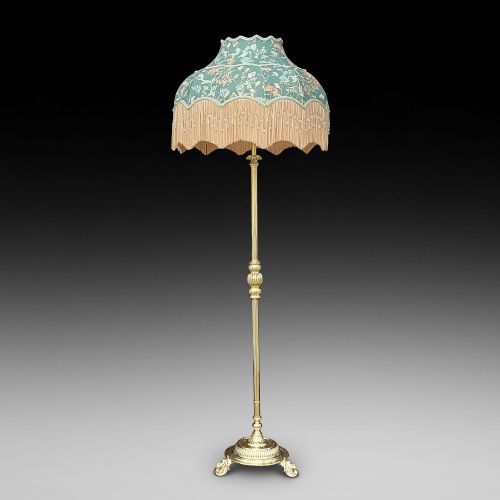
A traditional reading light serves to illuminate books and workspaces, appearing in various domestic forms across this selection. Buyers find standard lamps, floor lamps, and desk lamps designed for task illumination in studies and living rooms.
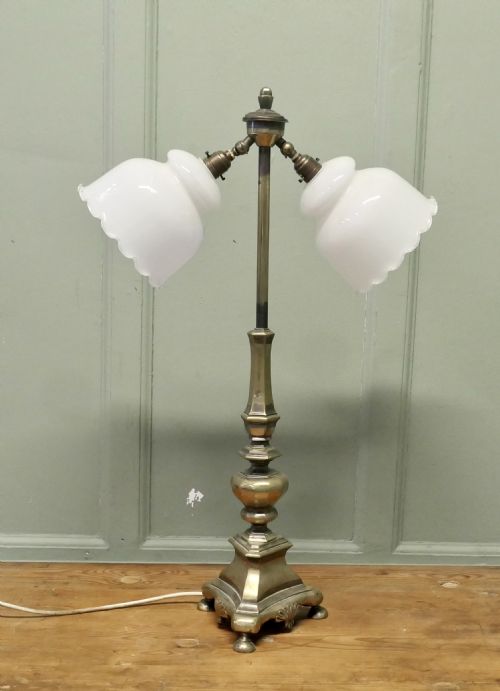
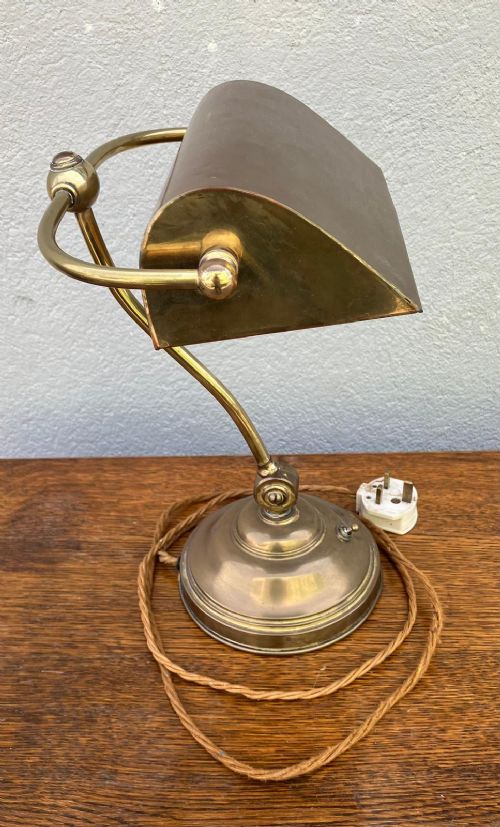
The pieces on this page span the Victorian, Edwardian, and 1920s eras, alongside nineteenth-century examples. These earlier items include brass student lamps, adjustable standard oil lamps converted for electricity, and heavy brass reading lamps with angled arms.
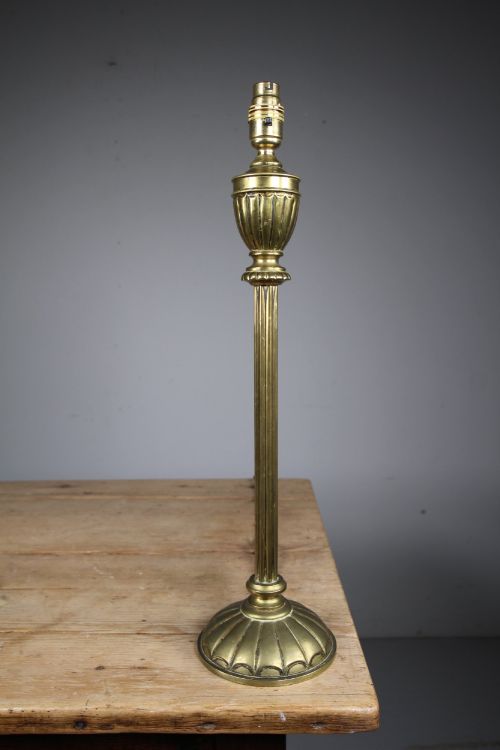
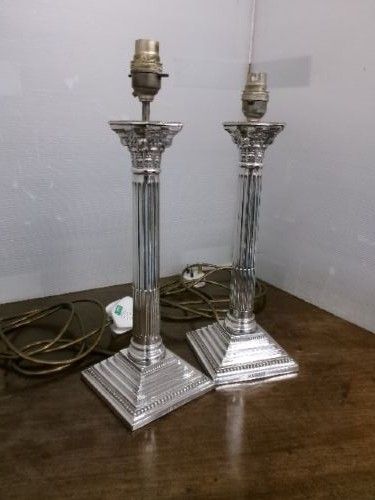
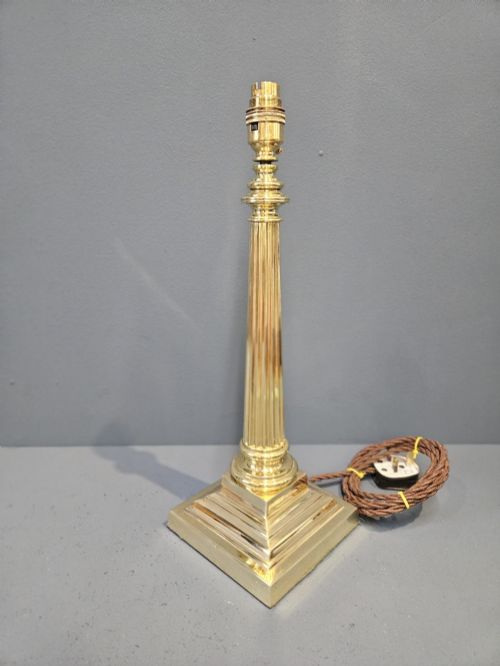
Styles range from simple reeded columns and Corinthian capitals to ornate French Empire, Art Nouveau, and Neoclassical designs. Table lamps and floor lamps alike draw on historic architectural motifs such as classical columns and baluster forms.
How they were made
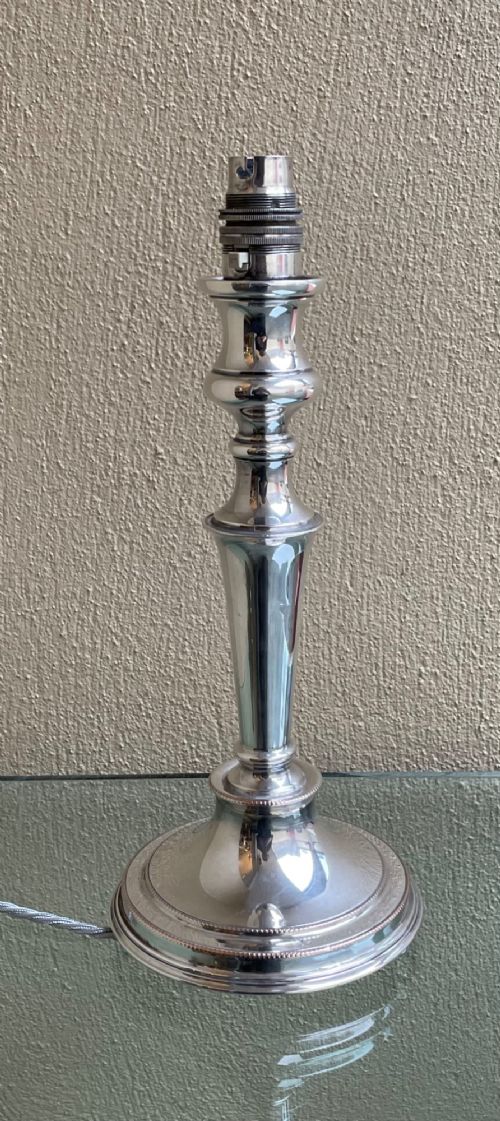
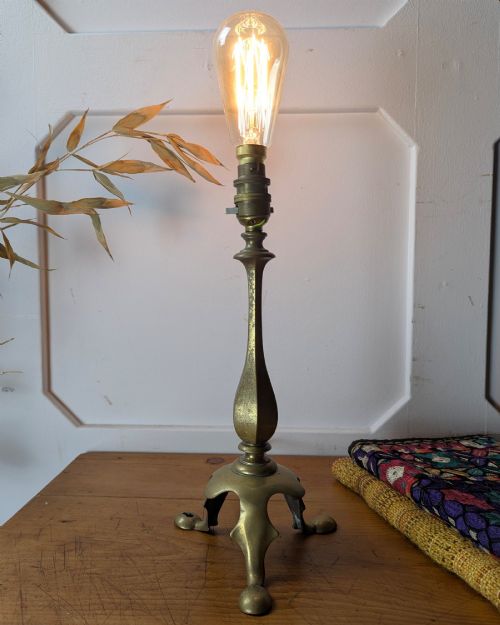
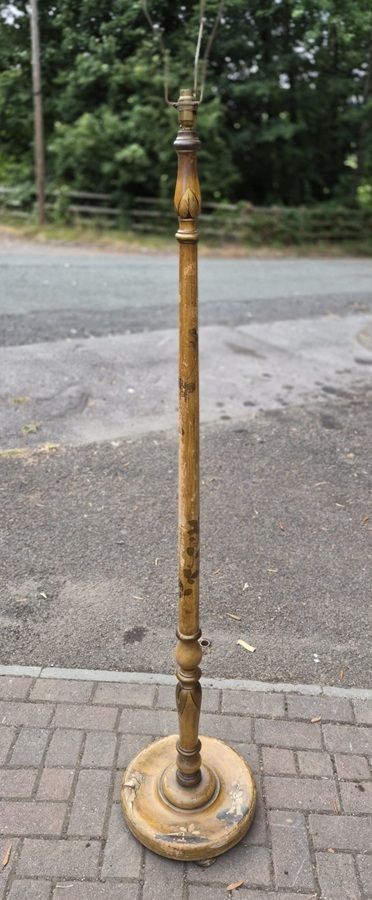
Makers utilised cast and turned brass, silver plate, patinated copper, cast iron, and wrought iron for the structural columns and bases. Some floor lamps feature carved and limed oak, gilded wood, or heavy alabaster bodies.
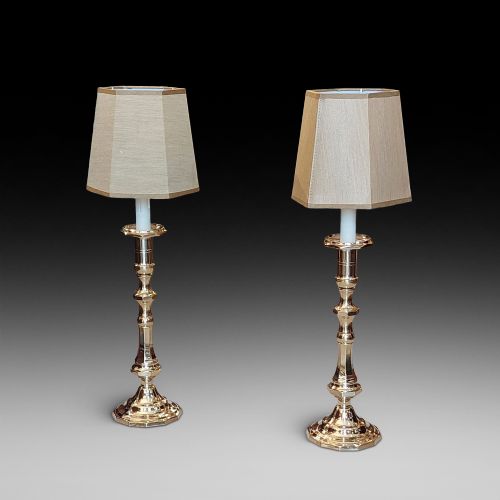
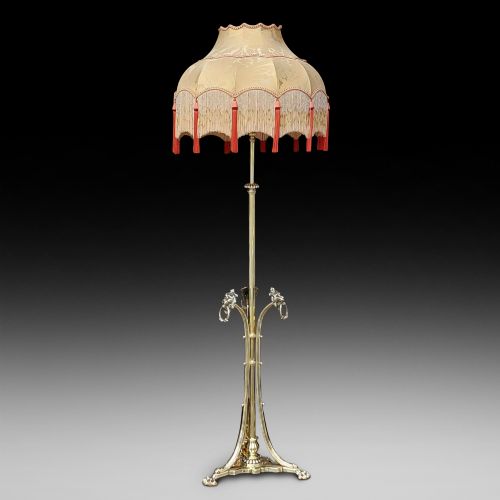
Shades and decorative elements incorporate fabric, silk, glass, and painted toleware, complementing the metallic framework. Many examples include mechanical adjustments such as sliding arms and telescopic stems for positioning the light.
Traditional Reading Light Retail Price Guide 2026
Typical asking prices for traditional reading light among the pieces listed under this phrase on Sellingantiques today, from the lower quarter to the upper quarter. They describe what is for sale here now, not the wider market.
The inventory encompasses table lamps, floor lamps, standard lamps, and desk lamps in styles ranging from Neoclassical to Art Nouveau.
What varies in quality
Quality depends upon the weight of the metal casting and the crispness of detailing in elements like Corinthian capitals and reeded columns. Heavy, solid brass construction and substantial bases separate robust floor standards from lighter versions.
The sophistication of the mechanical adjustable arms and the integrity of period materials such as genuine toleware or hand-turned wood dictate the standing of a piece. Finer examples retain integrated implements and careful patination across the brass and copper surfaces.
The Traditional Reading Light Glossary
- Standard lamp
- A tall floor-standing lamp designed to illuminate a room or provide light beside a reading chair. These pieces often feature adjustable heights or heavy weighted bases.
- Student lamp
- A nineteenth-century task lamp originally designed for reading or desk work, frequently equipped with multiple arms or adjustable burners. They often include matching metal shades and implement sets.
- Corinthian column
- A classical architectural column form utilised for the stems of table and standard lamps. The capital is decorated with carved acanthus leaves and scroll details.
- Bouillotte lamp
- A French table lamp featuring a central shaft, an adjustable metal shade, and a shallow dish base. They were traditionally used for card games and reading.
- Toleware
- Painted or enamelled sheet metal used for lamp shades and canisters, particularly on French desk and bouillotte models. This material offers durable colour and a classic matte finish.
Traditional Reading Light: Frequently Asked Questions
What is a traditional reading light?
A traditional reading light is a task lamp from the nineteenth or early twentieth century designed to illuminate books and writing desks. These pieces include adjustable brass desk lamps, student lamps, and floor standards.
Such lamps utilise materials like brass, silver plate, wrought iron, and glass. They reflect historical styles ranging from plain Victorian columns to ornate Art Nouveau and Neoclassical designs.
How do I date a brass reading lamp?
Dating a brass reading lamp involves examining the manufacturing techniques, wiring ports, and stylistic details. Victorian and Edwardian examples often feature heavy cast brass bases, reeded columns, and period switch mechanisms.
Earlier nineteenth-century pieces may show evidence of conversion from oil burning to electricity. Stylistic cues like Corinthian capitals or Art Nouveau curves also help place the piece within its decade.
Where should I place a standard reading lamp?
Standard reading lamps suit placement beside an armchair, desk, or sofa where focused task illumination is required. Tall floor lamps and adjustable standard lamps work particularly well in corners or reading nooks.
Table versions sit comfortably on side tables, desks, or credenzas. Their adjustable arms and shades allow the beam to be directed precisely onto a book or workspace.