

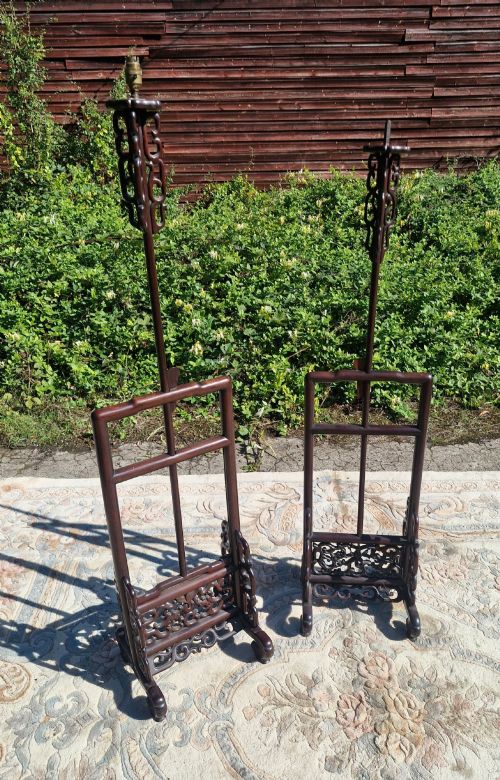
Wooden Standing Lamp
A wooden standing lamp brings height and warmth to a room, offering functional illumination through turned timber standards and substantial weighted bases.
Wooden Standing Lamp
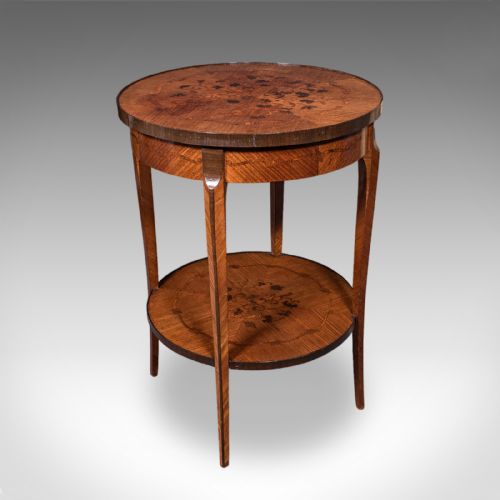
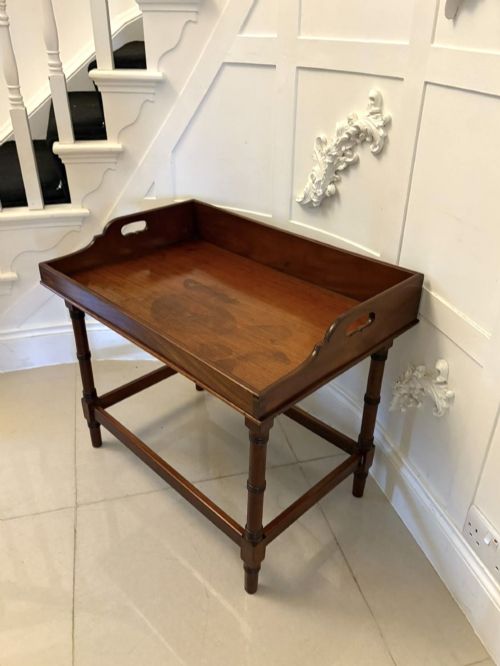
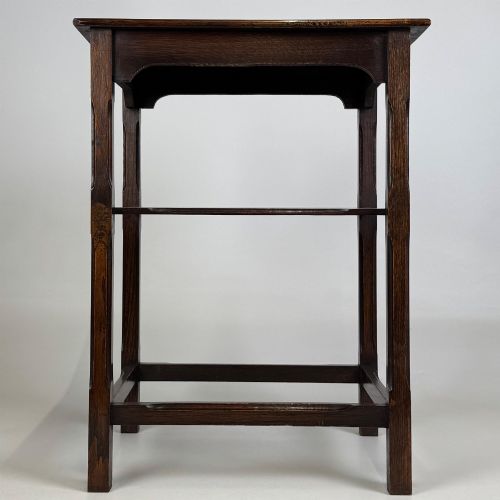
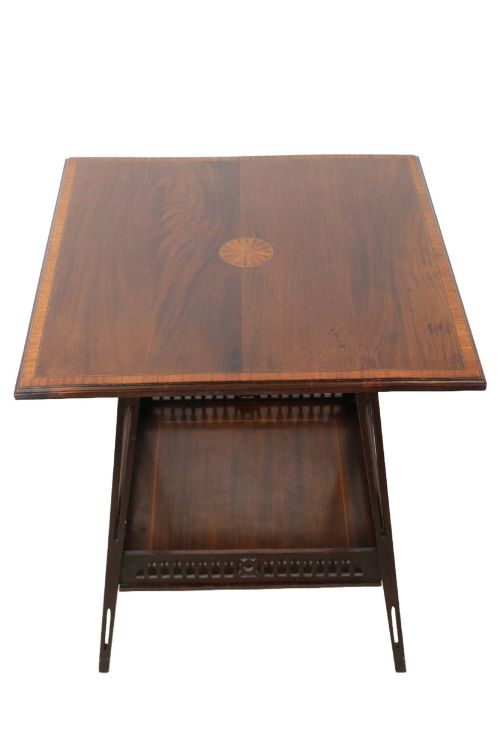
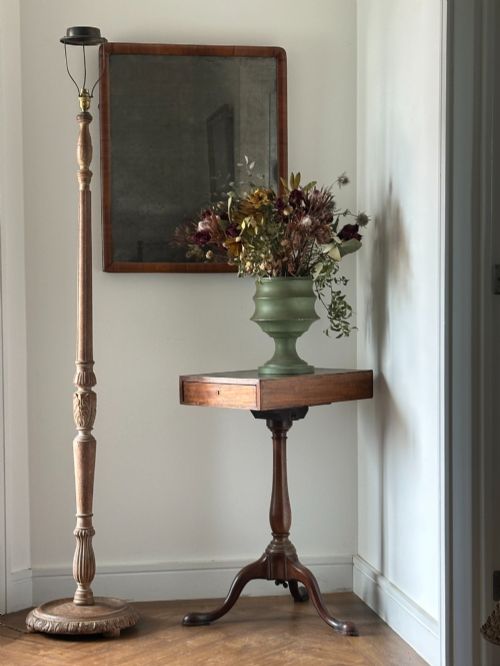
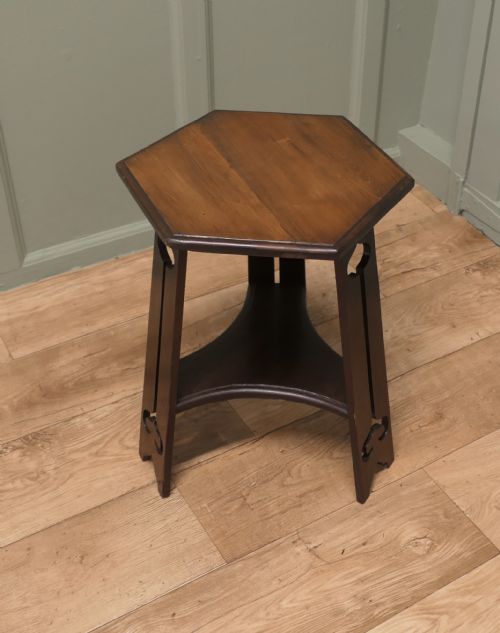
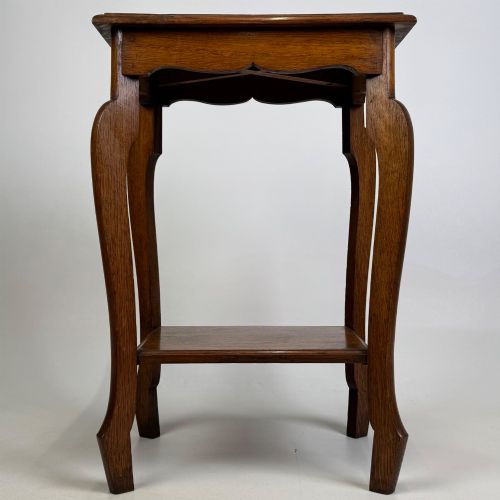
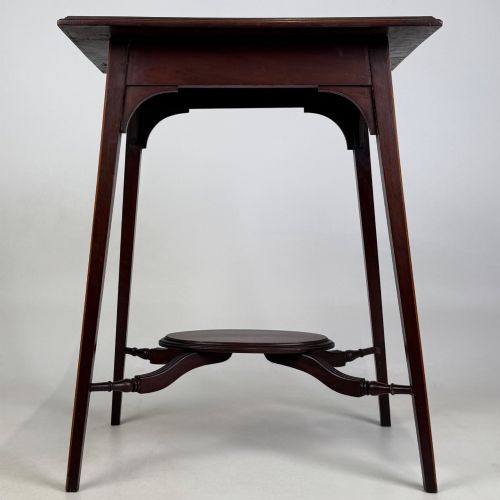
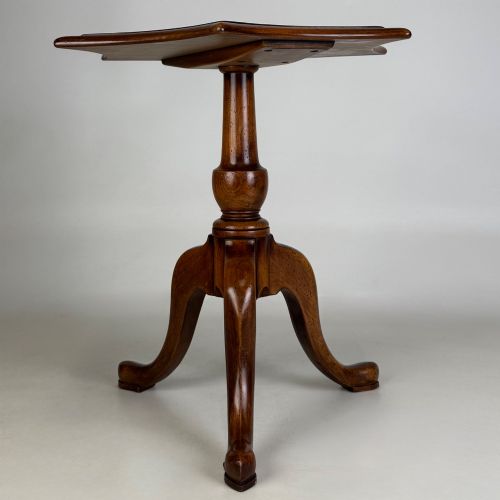
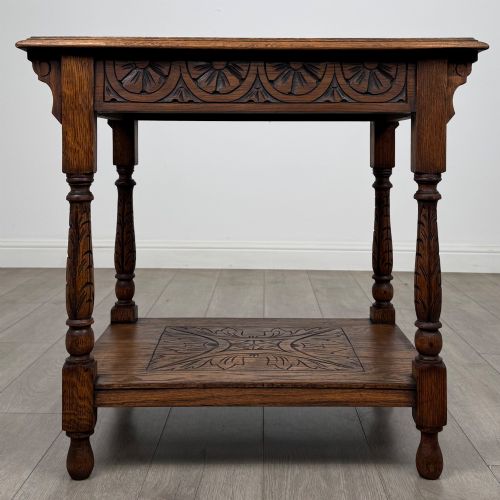
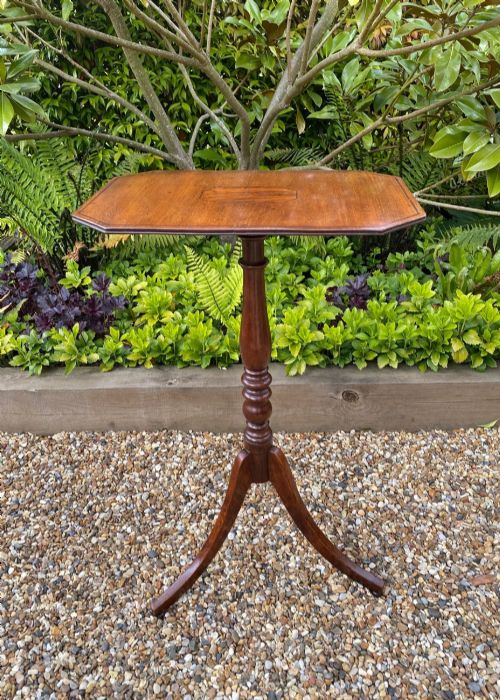
A wooden standing lamp provides vertical lighting support using turned or carved timber standards that rise from sturdy floor bases. Buyers searching for a wooden standing lamp often encounter floor lamps and standard lamps alongside related occasional and side tables.
The selections span distinct periods including the Victorian, Edwardian, and Art Deco eras, alongside earlier Georgian and 19th-century examples. Oak, mahogany, and walnut form the predominant timbers utilised across these vertical lighting pieces.
How they were made
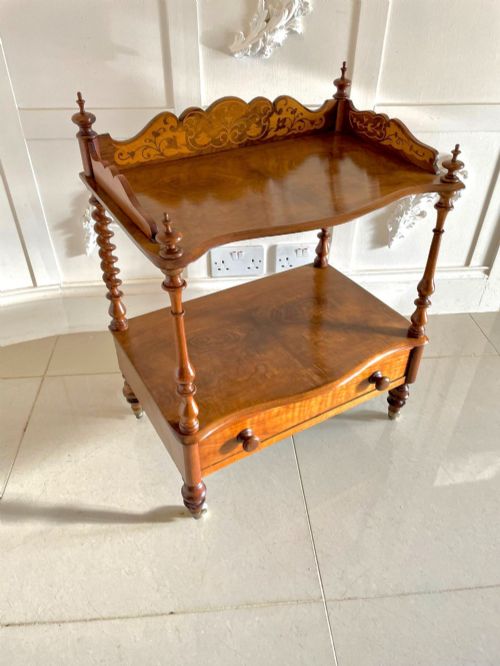
Cabinet makers constructed lamp standards and occasional tables using solid timbers such as mahogany, oak, walnut, and satinwood, frequently employing wood inlay and brass fittings. Turning lathes shaped upright columns into barley twist or fluted profiles.
Surfaces received hand-applied polish or finishes, while compatible floor standards occasionally incorporated fabric or vellum shades to diffuse the light emitted from the bulb.
Wooden Standing Lamp Retail Price Guide 2026
Typical asking prices for wooden standing lamp among the pieces listed under this phrase on Sellingantiques today, from the lower quarter to the upper quarter. They describe what is for sale here now, not the wider market.
What varies in quality
The calibre of a wooden standing lamp rests upon the selection of timber grain, the crispness of hand-carved details, and the stability of the structural tripod or circular base. Superior examples demonstrate precise joinery and balanced proportions.
Age-related patination and the integrity of original turned elements separate standard production items from finer period pieces originating in the Georgian, Victorian, or Arts and Crafts periods.
Trevor Page & Co·Liberty & Co·William Birch·Gillows
The Wooden Standing Lamp Glossary
- Standard lamp
- A tall floor-standing lighting fixture designed to hold a bulb and shade at height. These vertical pieces use weighted or tripod bases to remain stable on floors.
- Barley twist
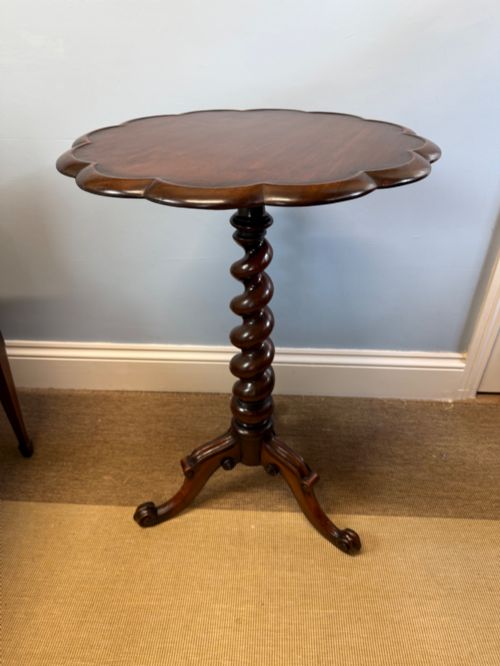
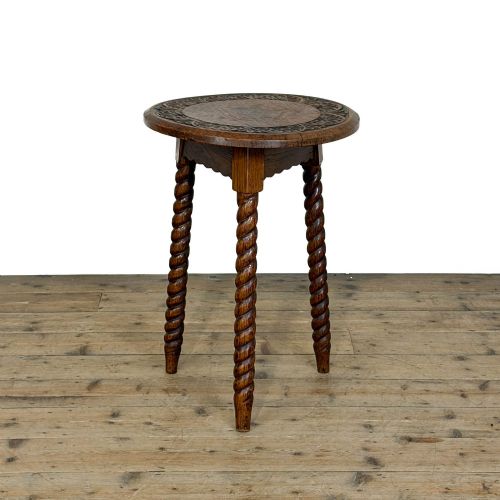
- A spiral carving technique applied to wooden columns and table legs. This helical turning style appears frequently on Edwardian oak and walnut furniture.
- Tripod base
- A three-legged support structure used beneath tables and floor lamps. This configuration ensures stability on uneven floor surfaces.
- Tilt top
- A hinged tabletop mechanism that allows the surface to fold vertical when not in use. This clever design saves space in smaller rooms.
- Marquetry
- The art of applying decorative veneer pieces to a structure to form geometric or pictorial designs. Craftsmen utilise contrasting woods like satinwood and mahogany for visual depth.
Wooden Standing Lamp: Frequently Asked Questions
How do I choose the right height?
Consider the ceiling clearance and the furniture layout of the intended room. Standard lamps need to cast light effectively over seating areas without exposing the bulb directly to the eye.
Matching the vertical scale of the lamp standard to nearby tables and sideboards creates visual harmony within the interior space.
Where should I place a standard lamp?
Position these fixtures in dark corners or beside reading chairs to maximise both ambient and task illumination. They anchor seating groups effectively.
Keep timber bases away from direct heat sources and strong sunlight to protect the polish and prevent the wood from drying out.
How do I date a wooden lamp?
Examine the timber species, turning profiles, and construction methods used in the base and column. Georgian and Victorian pieces show hand-tool marks and specific turning styles characteristic of their era.
Wiring configurations often indicate later updates, but the underlying timber structure reveals the true period of manufacture.
Can I use modern shades?
Modern shades fit securely onto standard lamp fittings provided the gallery and ring diameters match the original specifications. Ensure the weight of the shade suits the stability of the base.
Fabric and vellum options replicate historical pairings seen on Edwardian and Art Deco lighting designs.