


Brown Wooden Standard Lamp
A brown wooden standard lamp brings instant warmth and height to a corner, grounding the room with rich grain and traditional craft.
Brown Wooden Standard Lamp
A brown wooden standard lamp provides vertical illumination while serving as a substantial piece of furniture in a sitting room or study. These tall lights appear in various historical iterations, ranging from simple turned columns to elaborate carved pillars.
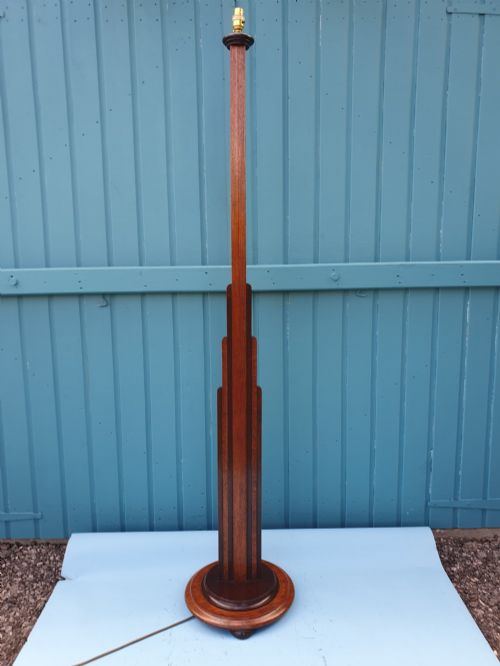
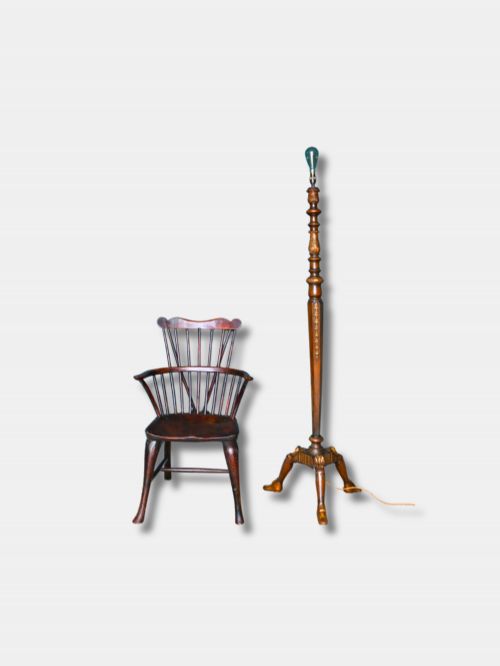
The selection on this page leans heavily towards early twentieth-century examples, particularly Art Deco designs alongside earlier nineteenth-century interpretations. Pieces often incorporate traditional forms like tripod bases, stepped columns, and occasional table attachments.
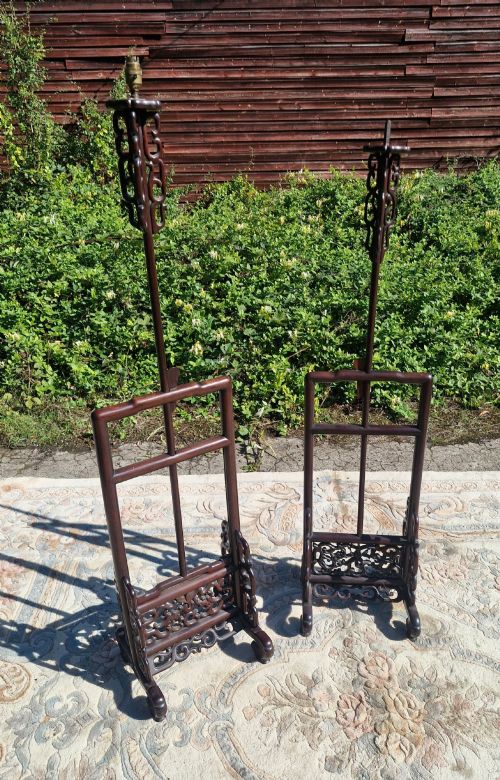
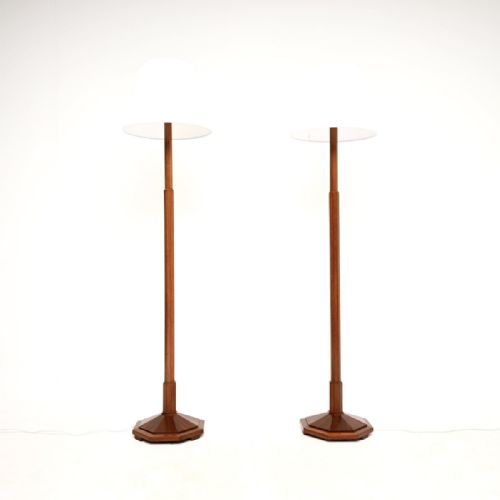
Origin and regional style vary significantly within the selection, featuring English country pieces, Regency revivals, and distinct Chinese hardwood lantern stands. Buyers find both single lighting columns and matched pairs designed to flank seating arrangements.
Materials and construction methods
Makers utilised dense timbers such as walnut, mahogany, oak, and general hardwood to turn and shape the tall shafts of these lamps. Grain patterns remain visible beneath polish or wax, highlighting the natural character of the wood.
Metal components in brass and gilt frequently reinforce structural joints, support fittings, or provide decorative contrast to the timber. Selected examples integrate glass elements or fabric components to complete the lighting structure.
Listings feature items spanning the 1910s to the 1940s, alongside nineteenth-century pieces, constructed from walnut, mahogany, oak, brass, and hardwood.
Distinguishing quality across the range
Superior examples display precise turning, substantial timber selection, and integrated design where bases and columns balance harmoniously. Figures, carvings, and stepped tiers show sharper detailing and careful hand-finishing.
Conversion work and adaptability also influence the character of individual pieces, as older furniture forms like pole screens or lantern stands find new life as functional lamps. Original bases provide better stability and architectural integrity.
The Brown Wooden Standard Lamp Glossary
- Standard lamp
- A tall floor-standing lamp designed to illuminate a room from a vertical position. These pieces often stand beside armchairs or sofas.
- Tripod base
- A three-legged support structure providing stability to the upright column. This configuration appears frequently on nineteenth and early twentieth-century examples.
- Pole screen
- A nineteenth-century adjustable screen designed to block fireplace heat from a person's face, occasionally converted into a lamp standard. Such conversions retain historical character from their original domestic use.
- Lamp table
- A combined piece of furniture featuring a horizontal surface alongside a vertical lighting column. This dual function serves smaller living spaces effectively.
- Art Deco
- A design style spanning the 1920s and 1930s characterised by geometric shapes, stepped forms, and streamlined profiles. Standard lamps from this period often utilise oak or walnut.
Brown Wooden Standard Lamp: Frequently Asked Questions
How do I style a brown wooden standard lamp?
Place the lamp in a living room corner or beside a reading chair to create ambient vertical lighting. The rich tones of walnut, mahogany, or oak complement traditional seating and textured fabrics.
Allow the timber grain to anchor the space by pairing the piece with complementary wooden side tables or vintage furniture. Ensure the height of the shade matches the proportions of the column.
Are these lamps period originals?
The selection includes pieces originating from the nineteenth century through the 1940s. Styles range from Georgian revivals and Victorian pieces to Art Deco creations.
Many listings note historical conversions, such as adapted pole screens or lantern stands. These modifications reflect the long practical history of domestic lighting.
What wood types should I expect?
Makers constructed these floor lamps using dense hardwoods including walnut, mahogany, and oak. Each timber brings distinct grain patterns and natural warmth to the interior.
Secondary materials such as brass and gilt often accent the wooden structures. These metallic touches appear on bases, collars, and electrical fittings.
Do standard lamps come with shades?
Listings focus primarily on the wooden stands and foundational structures rather than the fabric shades. Buyers typically source compatible shades separately to suit their interior colour scheme.
Fittings and wiring configurations vary across historical pieces. Consulting a professional electrician ensures safe operation with modern UK standards.